


Blue Red Porcelain Vase
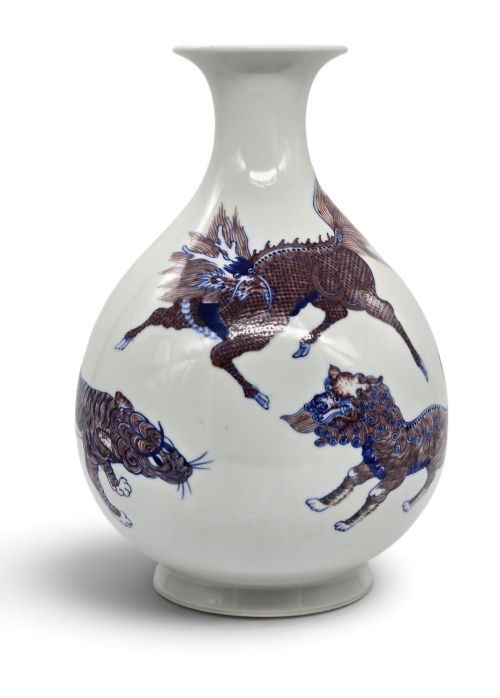
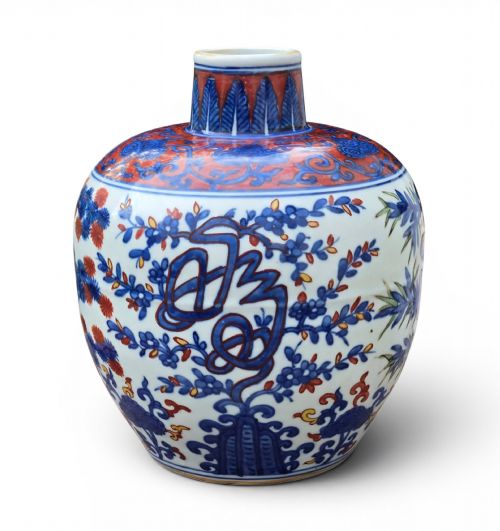
These blue red porcelain vase pieces are decorative vessels prized for their striking palette, offering a traditional centrepiece for any room.
What these pieces are
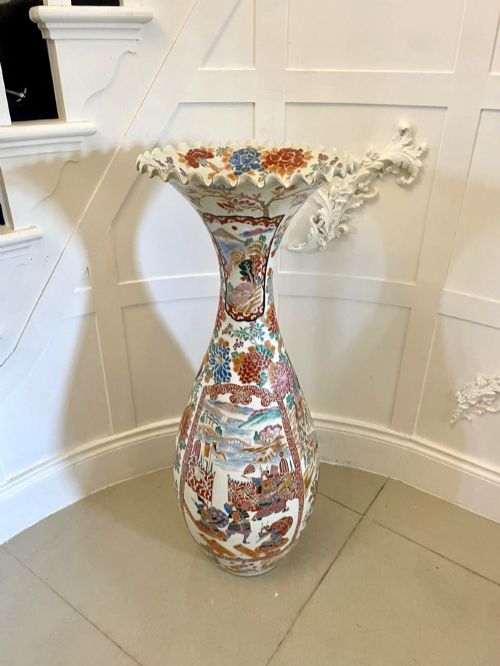
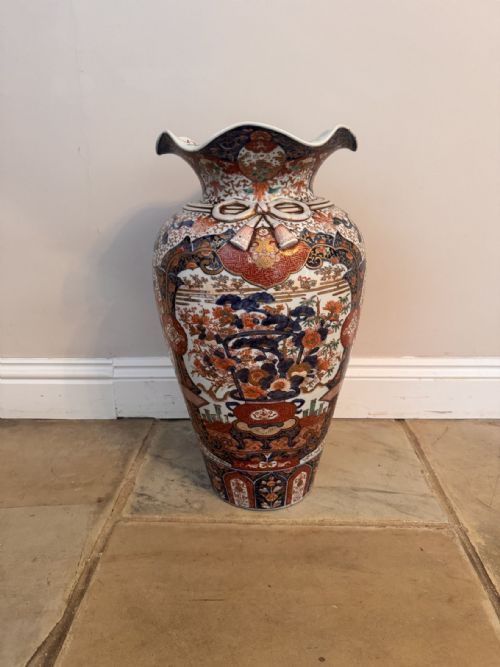
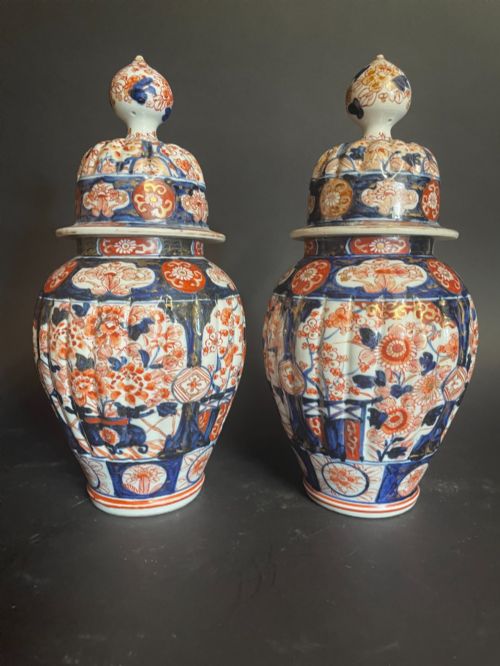
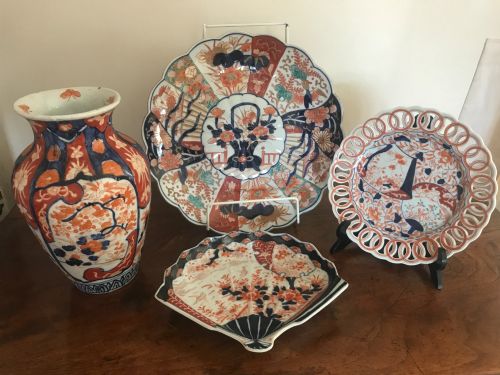
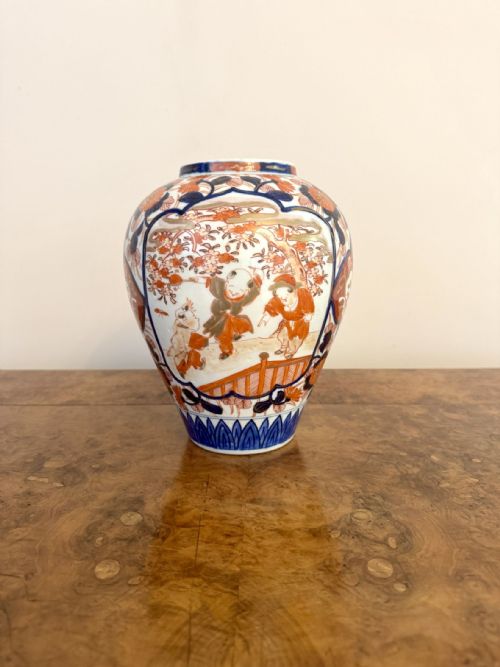
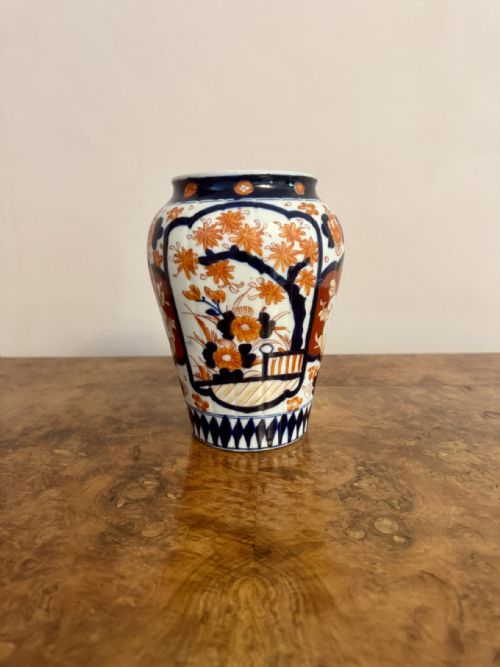
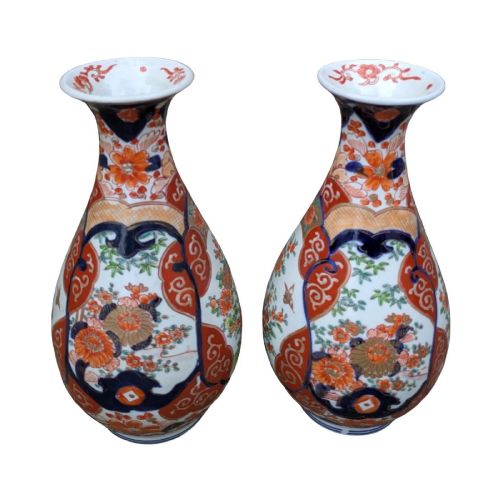
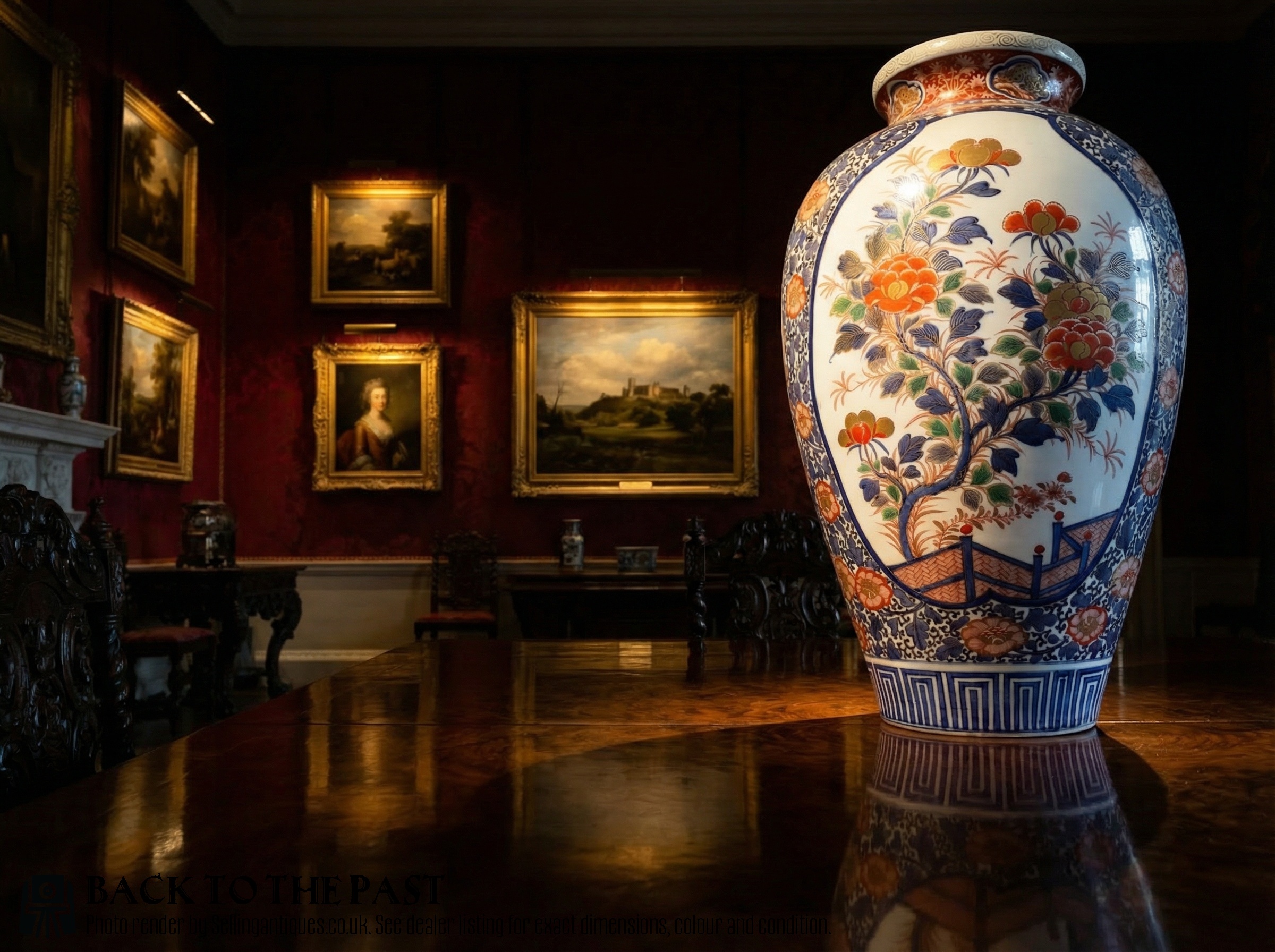
When you search for a blue red porcelain vase, you are looking at Japanese Imari and Arita wares spanning the eighteenth, nineteenth, and early twentieth centuries. These pieces appear as single vessels, pairs, lidded jars, and double gourd forms decorated in the characteristic Imari palette.
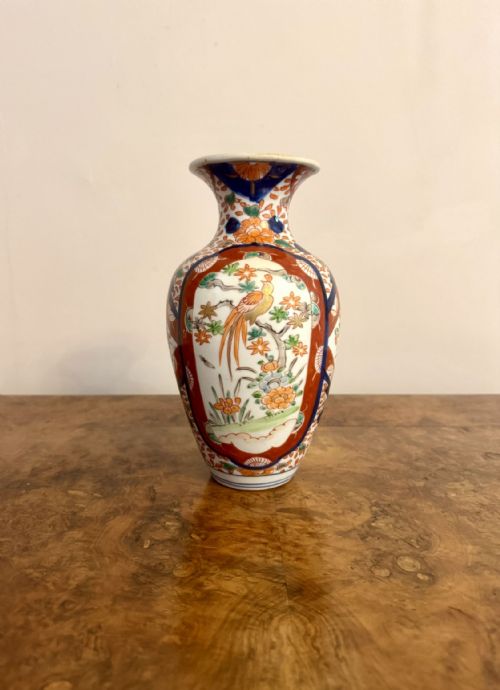
The selections available here range from eighteenth century Arita examples to late nineteenth century Meiji period creations and Edwardian pieces. You will most frequently encounter nineteenth century Japanese Imari vases and jars featuring traditional cobalt blue and iron red decoration.
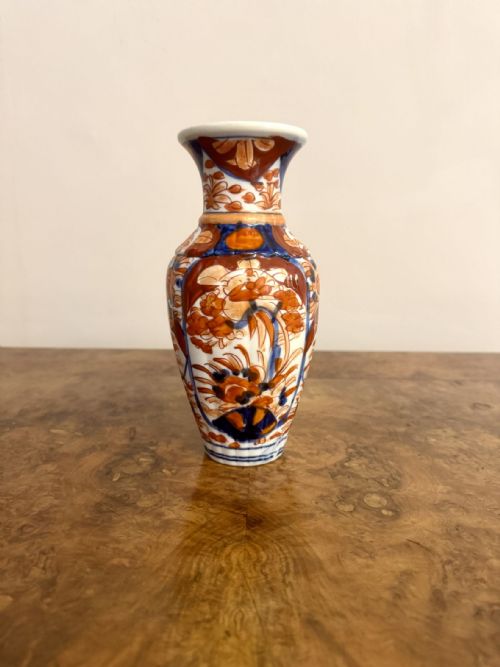
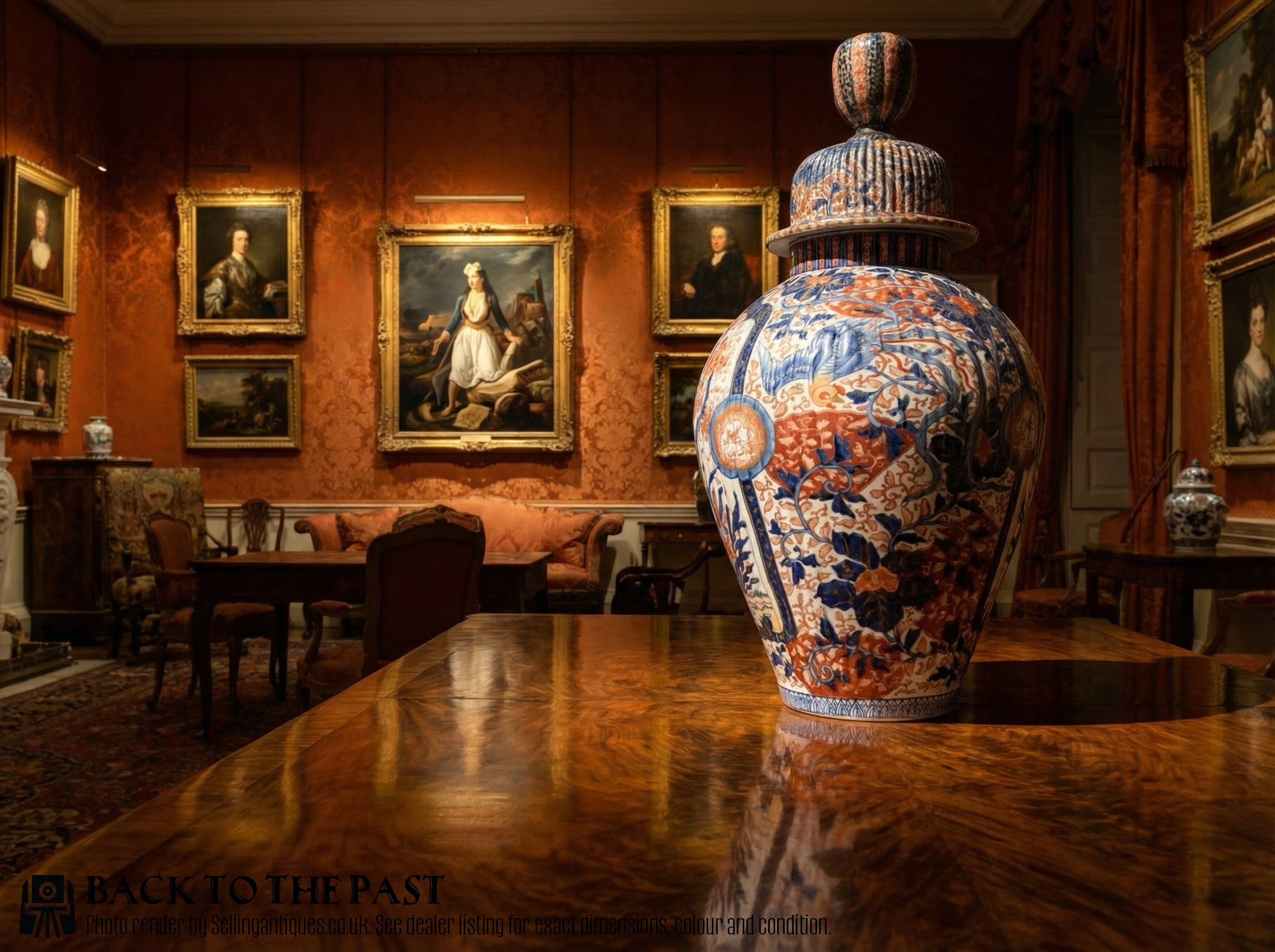
Forms vary from fluted bodies to large lidded vessels and pairs of double gourdes designed for display. Each piece reflects the historic export traditions of Japanese ceramic production from the Edo and Meiji periods.
How they were made
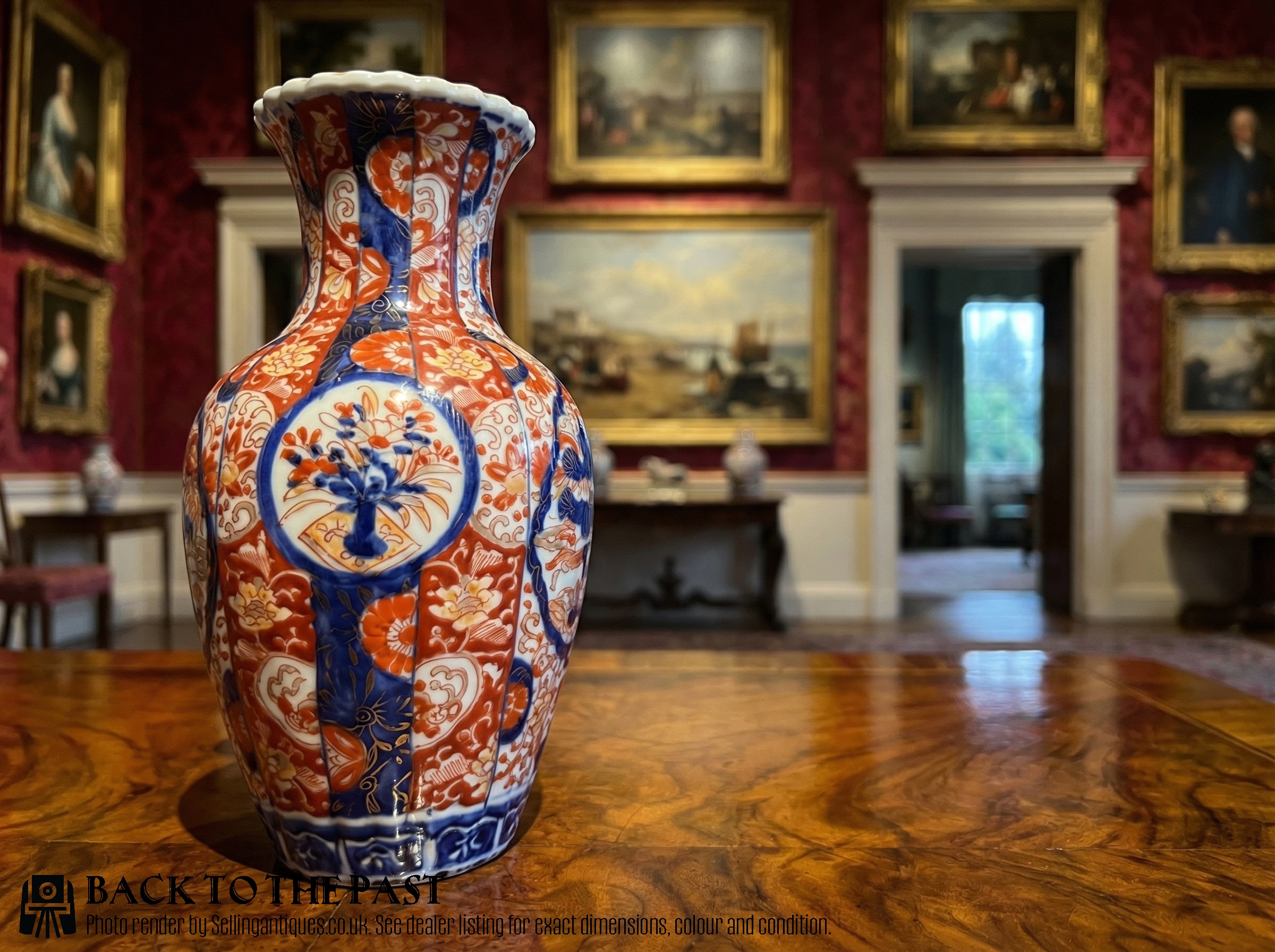
These items are constructed from porcelain and finished with enamel glaze, often incorporating delicate applications of gold leaf. Artisans shaped the clay bodies into forms such as vases, urns, and jars before firing and decorating them.
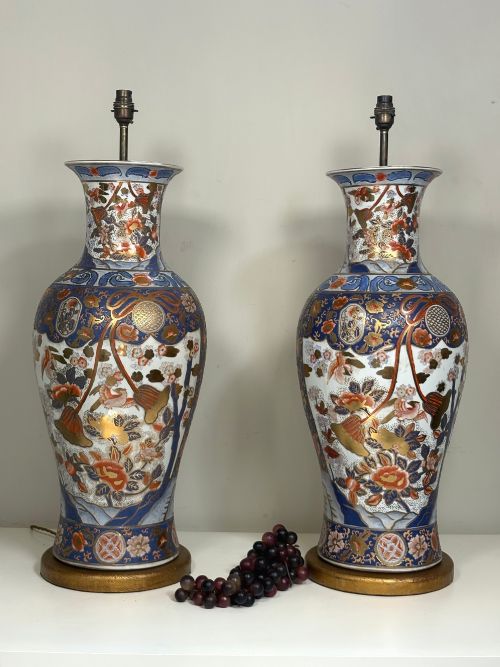
The characteristic decoration relies on the application of glaze and enamel in the Imari palette, combining deep cobalt blue with rich iron red pigments. Some vessels include supplementary embellishments like wooden components such as hardwood stands.
Retail Price Guide 2026
Typical UK retail prices for blue red porcelain vase, calculated from the Sellingantiques database of over a million retail prices indexed since 2003. This retail price guide relies exclusively on Sellingantiques data; no external sources or auction records are used, so the figures do not describe the wider market.
Listings feature items from the eighteenth, nineteenth, and early twentieth centuries, utilising porcelain, enamel, gold leaf, and hardwood.
What varies in quality
Quality in these ceramics is distinguished by the crispness of the hand-painted cobalt blue and iron red motifs across the porcelain body. Finer examples display precise brushwork, well-balanced proportions, and sophisticated integration of enamel glaze and gold leaf highlights.
The distinction between standard production and exceptional work rests on the refinement of the ceramic form, such as fluted bodies or double gourd shapes. Superior pieces maintain vibrant glaze colours and clean potting execution that demonstrate the high skill of the period workshop.
The Blue Red Porcelain Vase Glossary
- Imari palette
- A traditional decorative scheme utilising cobalt blue, iron red, and often gold highlights on a white porcelain background. This distinct colour combination originated in Japanese export wares.
- Meiji Period
- The era in Japanese history spanning from eighteen sixty-eight to nineteen twelve, noted for significant production of decorative arts for export. Pieces from this time often exhibit intricate enamel work.
- Double gourd
- A vessel shape featuring two bulbous sections stacked vertically, resembling a traditional dried fruit. This auspicious form frequently appears in Japanese porcelain design.
- Arita
- The Japanese town renowned as the birthplace of Japanese porcelain production and the origin of Arita Imari wares. Kilns in this region supplied both domestic and international markets.
- Hardwood
- Dense timber frequently used to carve bespoke display stands that accompany antique oriental porcelain vessels. These stands provide physical support and elevate the presentation of the vase.
Frequently Asked Questions
What periods do these vases come from?
The pieces span the eighteenth, nineteenth, and early twentieth centuries, encompassing the Edo period, the Meiji period, and the Edwardian era. These dates reflect the historic periods of Japanese ceramic manufacture and export.
You will find examples ranging from eighteenth century Arita pieces to late nineteenth century Meiji period items and early twentieth century Edwardian imports.
How were these vases decorated?
Decoration is achieved using enamel glaze applied in the Imari palette, which combines underglaze cobalt blue and iron red pigments. Many pieces also incorporate subtle details in gold leaf.
The painting is executed directly onto the porcelain body before or after firing, creating rich patterns that characterise traditional Japanese export ceramics.
What shapes are available?
The inventory includes standard vases, urns, lidded jars, and distinctive double gourd forms. Some examples feature fluted bodies to add texture and depth to the ceramic silhouette.
Pairs of vases and large lidded vessels also appear frequently, offering symmetrical options for interior display.
How do I care for antique porcelain?
Maintain these vessels by dusting them gently with a soft, dry cloth to protect the enamel glaze and gold leaf details. Avoid harsh chemical cleaners or submersion in water.
Display the vases on stable surfaces away from direct sunlight and heavy foot traffic to preserve the integrity of the porcelain and any accompanying hardwood stands.