

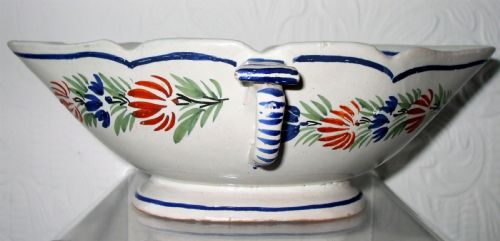
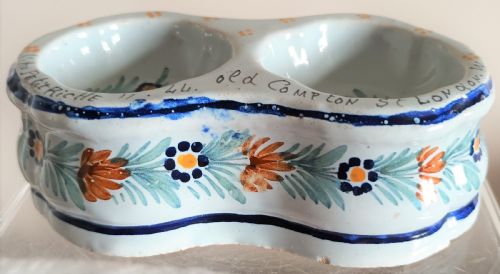
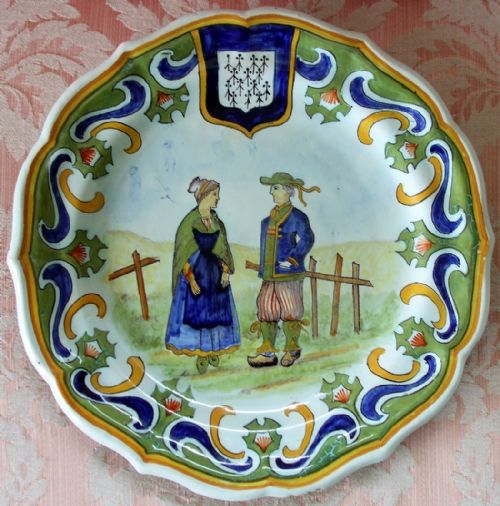
Blue Glaze Ceramic Dish
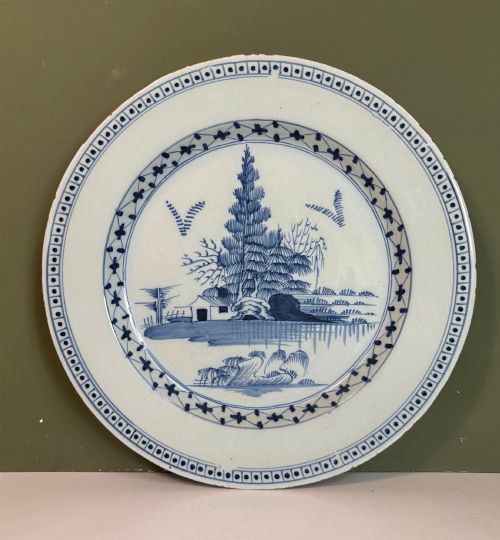
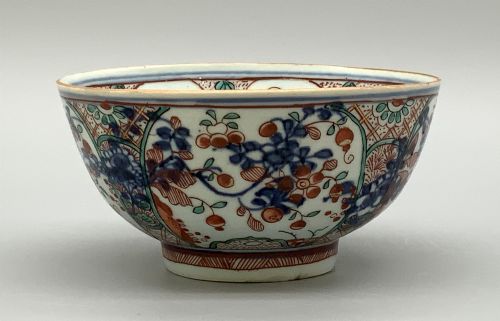
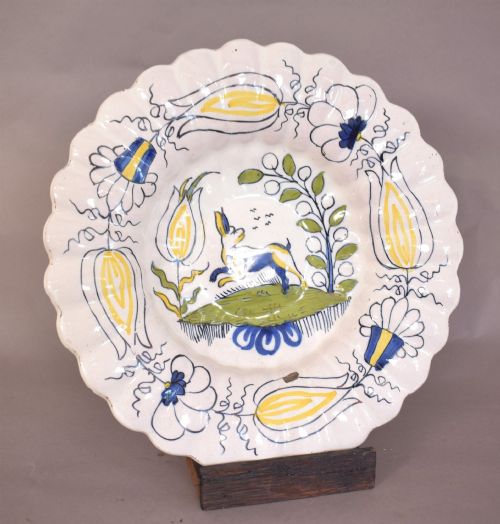
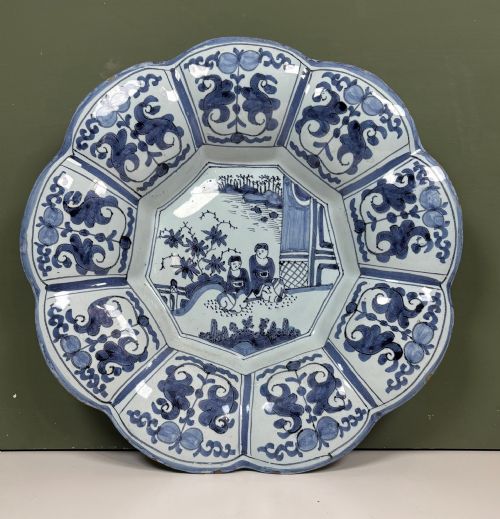
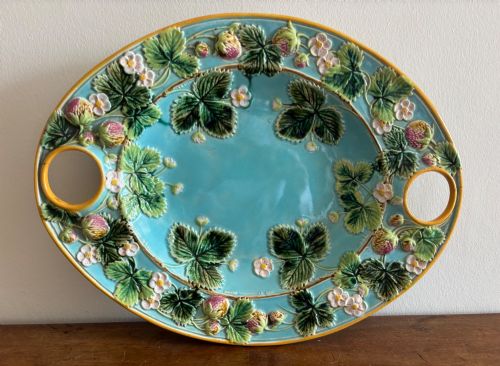
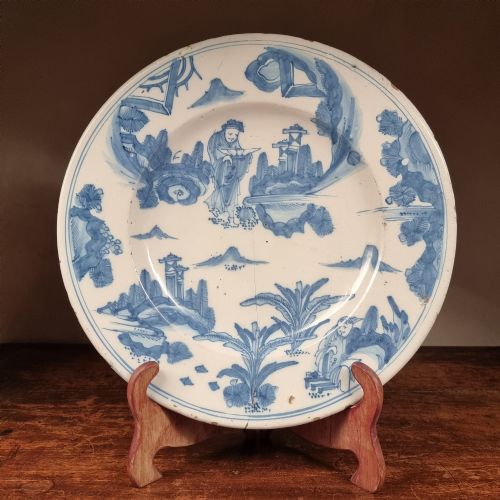
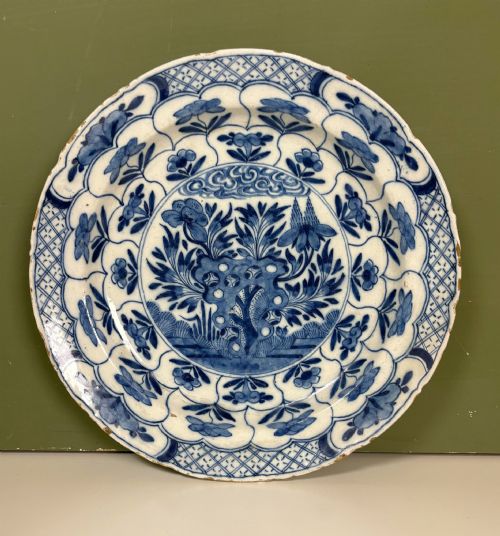
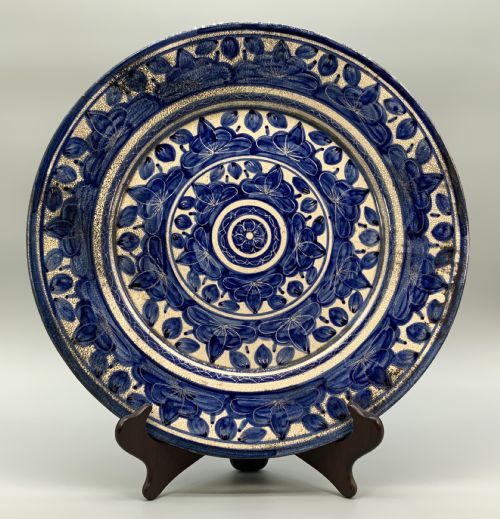
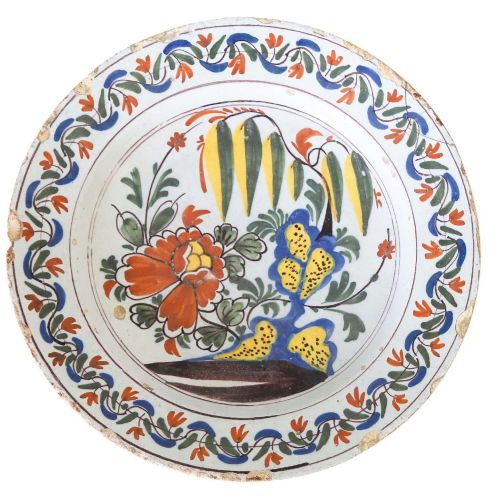
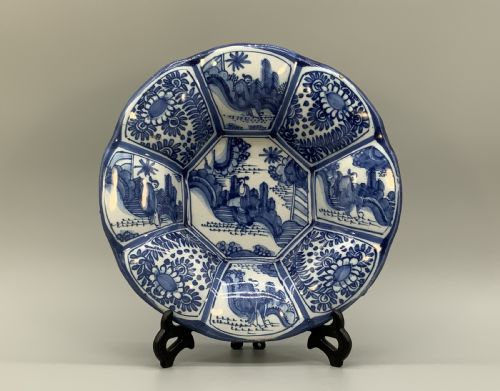
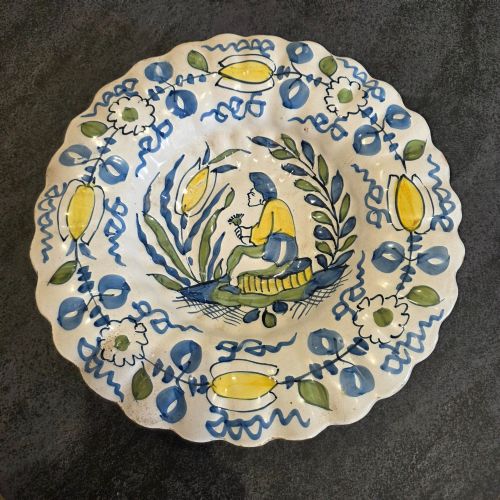
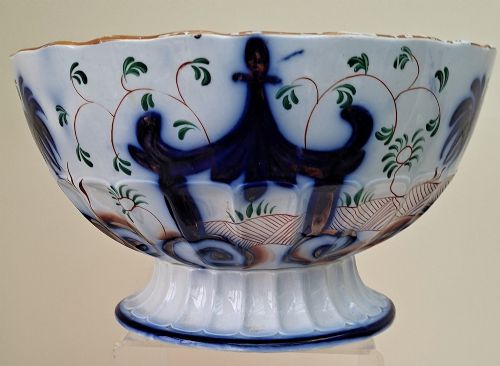
These pieces are a blue glaze ceramic dish, carrying historical cobalt pigment across earthenware, tin glaze and porcelain for display or service.
Blue Glaze Ceramic Dish
A blue glaze ceramic dish appears in forms ranging from chargers and shallow bowls to barber's bowls, salt cellars and serving dishes. These objects serve decorative or practical ends across centuries of tableware production.
The material surface carries cobalt pigment under or over the glaze, often yielding deep blues upon white grounds. Pieces span seventeenth-century origins through eighteenth-century delftware and nineteenth-century earthenware.
Origin points include English, Dutch, French, Spanish, Italian and Chinese kilns. Dutch Baroque, Georgian, Victorian and Art Deco styles shape the decorative programmes found on these ceramics.
Materials and technique
Makers shaped ceramic, earthenware and porcelain bodies on the wheel or in moulds before applying tin glaze or clear glaze layers. Cobalt oxide and cobalt pigment were hand-painted directly onto the raw glaze or biscuit body.
Firing took place in traditional kilns where intense heat fused the metallic oxides into the liquid glaze surface. This technique produced the characteristic blue and white colouration seen in delftware, faience and majolica.
Listings feature items spanning from the seventeenth century through the twentieth century, incorporating earthenware, porcelain and tin glaze.
Evaluating quality
Quality rests upon the crispness of the hand-painted cobalt decoration and the stability of the glaze application. Finer examples display confident brushwork and balanced compositions across the surface of the dish.
The purity of the ceramic body and the uniformity of the tin glaze dictate the success of the finished piece. Early examples show subtle variations in kiln gloss and pigment saturation that mark individual potters' hands.
George Jones·Minton·John Ridgway·Kinkozan Kyoto·Royal Doulton
The Blue Glaze Ceramic Dish Glossary
- Tin-Glaze
- An opaque white glaze made by adding tin oxide to lead glaze, providing a smooth surface for painting.
- Charger
- A large decorative plate or shallow bowl intended for ceremonial service or wall display.
- Cobalt Pigment
- A metallic colorant used to achieve deep blue tones under high kiln temperatures.
- Faience
- European tin-glazed earthenware produced in France, Spain and other continental regions.
- Kraak Style
- A Chinese porcelain design style characterised by panelled borders and central landscape motifs.
Blue Glaze Ceramic Dish: Frequently Asked Questions
What is a delft charger?
A delft charger is a large tin-glazed earthenware plate produced in workshops across England, Holland and other European centres. These vessels functioned primarily as wall decorations or ceremonial presentation pieces.
The tin glaze created an opaque white background that accepted blue cobalt pigment well. Artisans painted them with floral, landscape or figural scenes by hand.
How do I date a blue glaze dish?
Dating relies on examining the ceramic body, glaze characteristics, style of painting and kiln marks where present. Seventeenth and eighteenth-century pieces often display characteristic potting flaws and thinner foot rims.
Later nineteenth-century pieces show different standardisation in manufacture and brighter chemical pigments. Comparing the stylistic motifs against documented regional outputs narrows the production era.
Were these dishes used for food?
Many dishes, such as serving dishes, salt cellars and shallow bowls, served practical dining functions in past households. Larger chargers were frequently reserved for display on sideboards or walls.
Earthenware pieces from early periods absorbed moisture over time through unglazed foot rings. Modern use with food is generally discouraged to protect the fragile historic glaze.