
Blue Floral Ceramic Vases
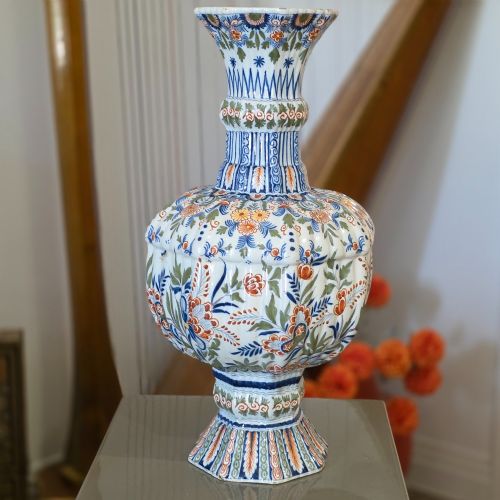
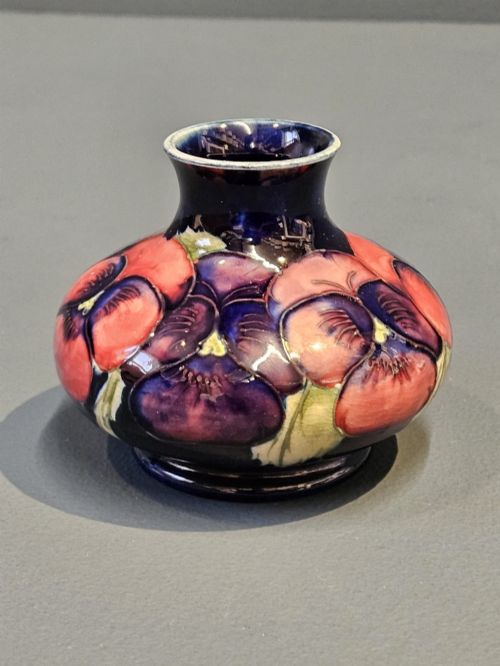
These blue floral ceramic vases bring together centuries of global kiln traditions, offering collectors painted botanical motifs from Delft to Japan.
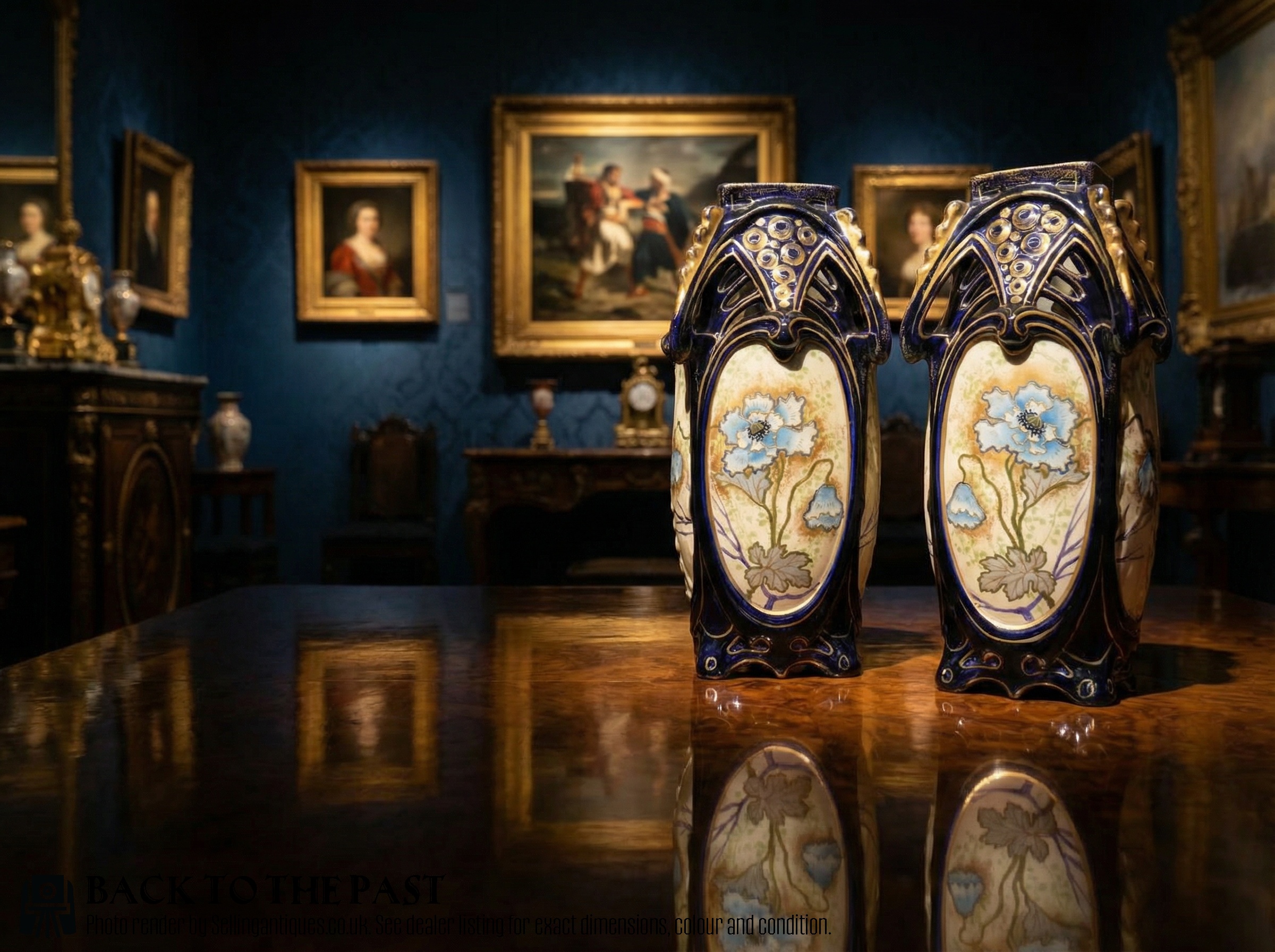
Blue Floral Ceramic Vases
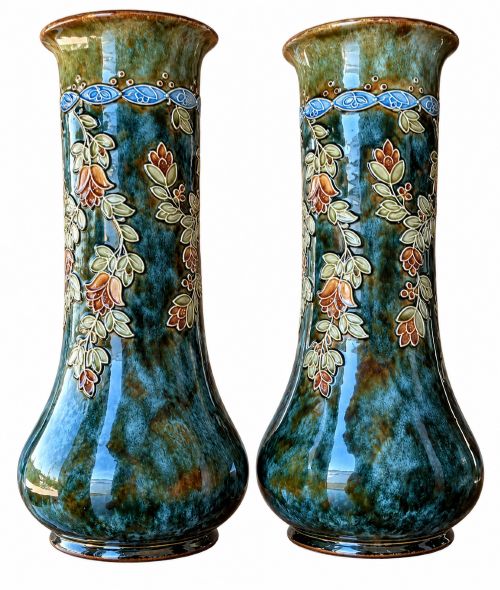
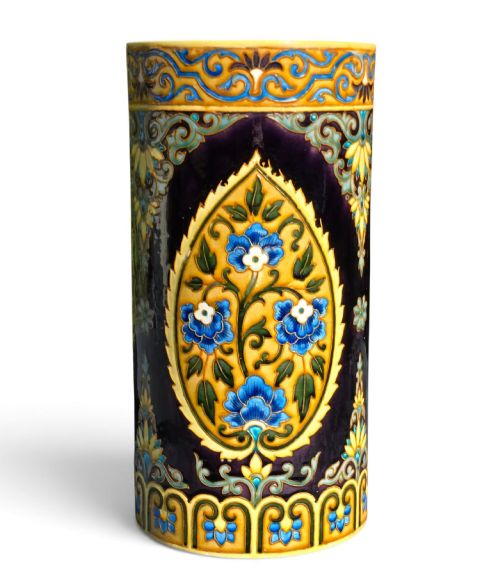
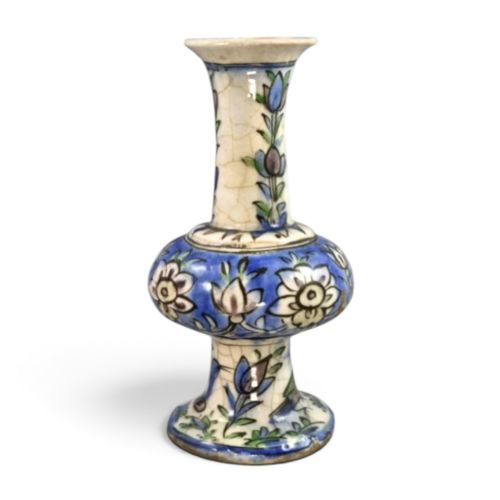
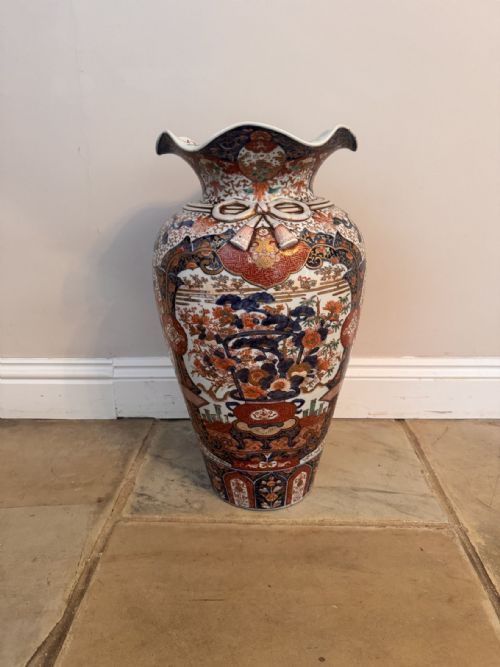
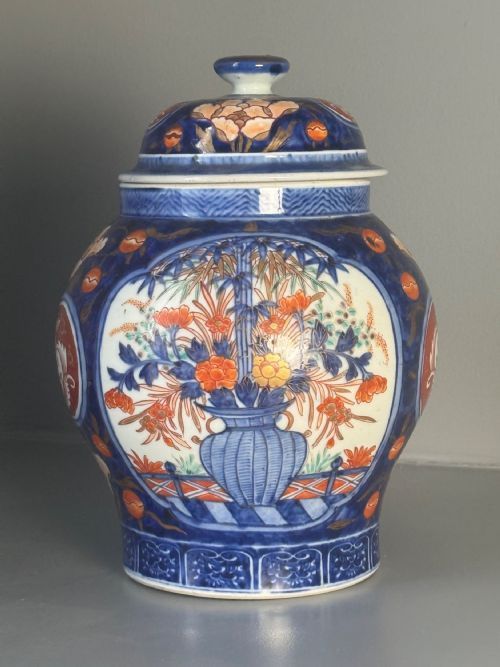
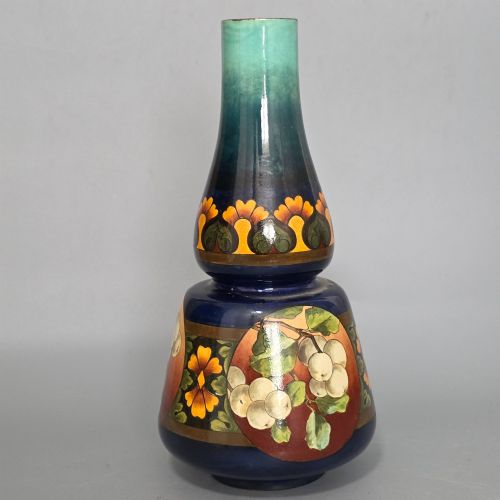
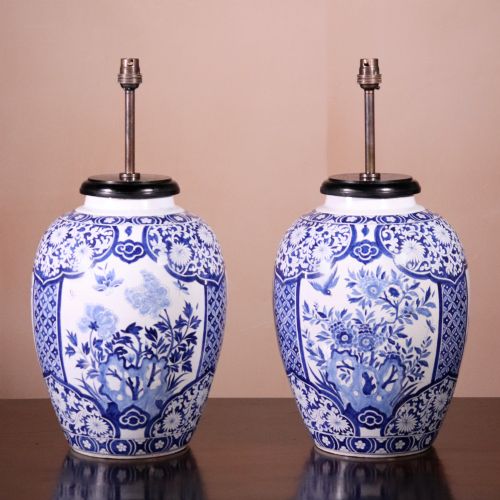
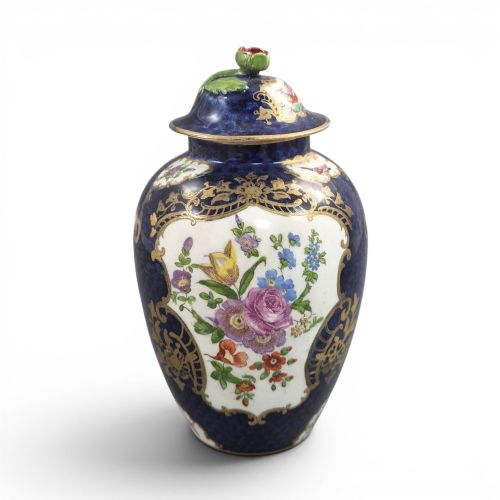
Blue floral ceramic vases span diverse origins and forms, ranging from towering Japanese Imari floor vessels to modest Edwardian porcelain bud holders and lidded ginger jars. When searching for blue floral ceramic vases, collectors encounter both European earthenware interpretations and Asian porcelain traditions produced across the eighteenth, nineteenth, and twentieth centuries.
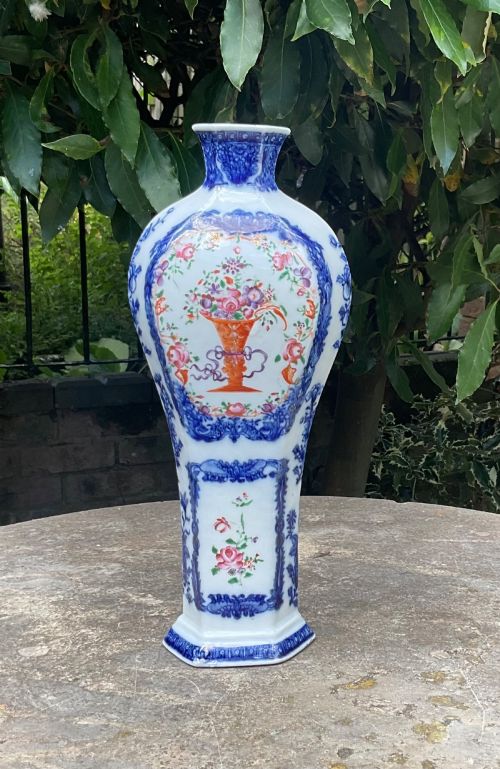
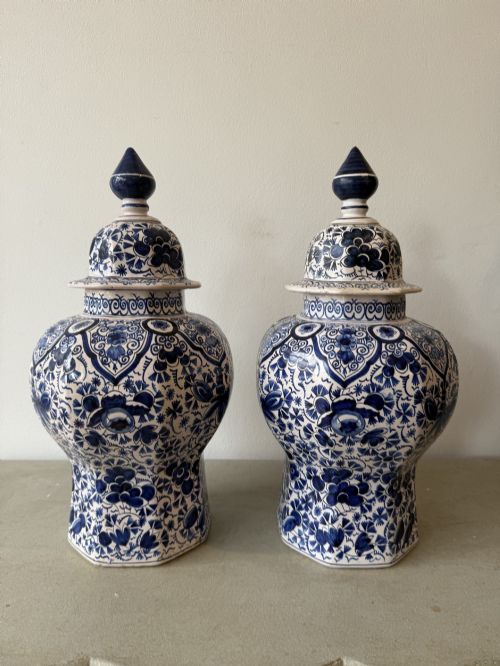
The selection includes specialised vessel types such as umbrella stands, campagna urns, bottle vases, and table lamps alongside standard decorative vases. Many pieces display distinct regional styles, including Chinese Famille Rose, Art Nouveau stoneware, and traditional Delft blue and white earthenware.
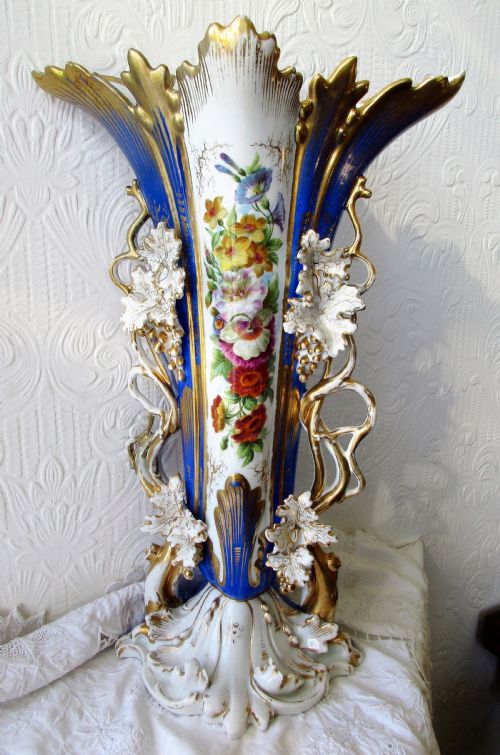
Vessels from this grouping appear across Victorian, Edwardian, and earlier periods, often demonstrating how European potteries adopted Eastern decorative vocabularies. Buyers frequently find pairs and garnitures designed for mantelpieces or larger display settings.
Materials and technique
Potters built these vessels using porcelain, earthenware, and stoneware bodies shaped on the wheel or pressed into moulds. Artisans then applied cobalt pigments and glazes before firing the clay at high temperatures to vitrify the material and fix the blue coloration.
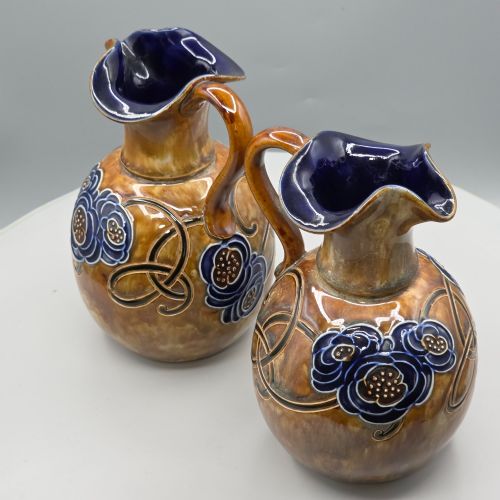
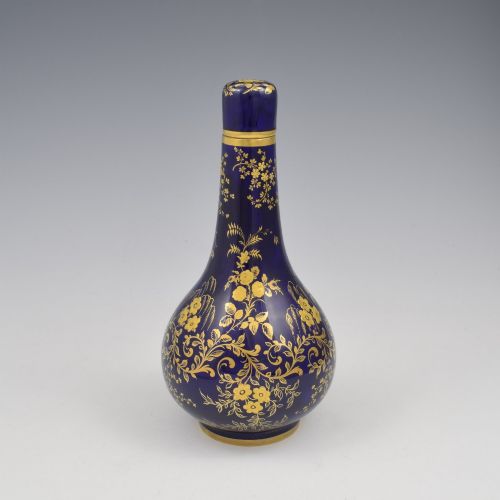
Many items incorporate supplementary ornamentation such as hand-painted enamel details, Sèvres-style gilt, and gold leaf accents over white or scale-blue grounds. Stoneware and faience pieces often utilise specialised slip techniques like Intarsio to create raised surface patterns beneath the glaze.
One determined umbrella stand spent its life holding walking sticks before retiring to dignified display.
Quality and execution
The division between standard output and top work rests on the precision of the brushwork and the depth of the cobalt glaze. Superior examples exhibit crisp botanical painting executed by named artists or recognised factory studios, whereas lesser items rely on mechanical transfer printing.
Form and balance dictate the hierarchy of these vessels, with well-proportioned baluster bodies, intact covers, and crisp moulding separating exceptional pieces from ordinary production. The complexity of the kiln process also plays a part, as successful high-temperature firings yield cleaner whites and more consistent blue tones.
Royal Doulton·Moorcroft·Théodore Deck·Doulton Lambeth·Royal Crown Derby·Wileman
The Blue Floral Ceramic Vases Glossary
- Imari
- A style of Japanese export porcelain featuring underglaze blue and overglaze iron red, green, and gold, named after the port of shipment. Pieces often display dense floral and brocade panels.
- Baluster
- A vase form characterised by a rounded lower body that tapers towards a narrow neck and flanged rim. This shape frequently appears in large decorative stoneware and porcelain pieces.
- Faience
- Tinned-glazed earthenware produced primarily in Europe, offering an opaque white ground suitable for painted decoration. It serves as a European equivalent to tin-glazed Delftware.
- Garniture
- A set of three or more matching vases designed to be displayed together on a mantelpiece or shelf. These sets typically include a central lidded vessel flanked by smaller matching pieces.
- Transfer printing
- A mechanical method of applying complex decorative patterns to ceramic surfaces using engraved copper plates and tissue paper. This technique allowed potteries to replicate intricate blue floral designs efficiently.
Blue Floral Ceramic Vases: Frequently Asked Questions
What is the difference between stoneware and porcelain?
Stoneware uses a dense, opaque clay body fired at high temperatures until semi-vitrified, making it heavy and robust. Porcelain utilises refined white kaolin clay, resulting in a lighter, harder material that is sometimes translucent.
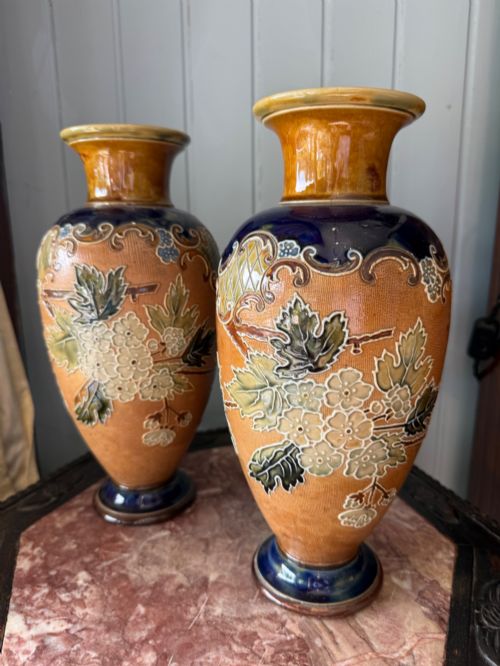
Potteries like Doulton Lambeth utilised stoneware for substantial Art Nouveau baluster vases, while factories such as Spode and Coalport chose porcelain for refined cabinet pieces and campagna urns.
How were lidded ginger jars used?
Ginger jars originally served as bulk storage containers for spices, herbs, and preserved ginger exported from China. Over time, European and Asian potteries manufactured them purely for decorative domestic display.
Collectors encounter these lidded vessels mounted on mantelpieces, paired with matching jars, or displayed alongside open vases in traditional garniture sets.
Are Victorian and Edwardian vases marked?
Many nineteenth and early twentieth century pieces carry factory stamps, registration numbers, or painted artist initials on the base. Marks help identify specific potteries, production years, and individual decorators.
Unmarked pieces still receive attribution through stylistic traits, glaze composition, and body characteristics typical of specific periods such as the Arts and Crafts movement or Art Nouveau era.
How should I clean antique ceramic vases?
Dust these vessels gently with a soft dry cloth to prevent accumulation within recessed glaze details and painted motifs. Avoid submerging antique pieces with overglaze enamel or gold leaf in water.
Harsh chemical cleaners strip delicate gilt and enamel decorations, so professional conservation advice should be sought for heavily soiled or damaged items.