


Austrian Art Nouveau Vases
These Austrian art nouveau vases bring fluid organic lines and iridescent finishes straight into a room, capturing the decorative spirit of the early twentieth century.
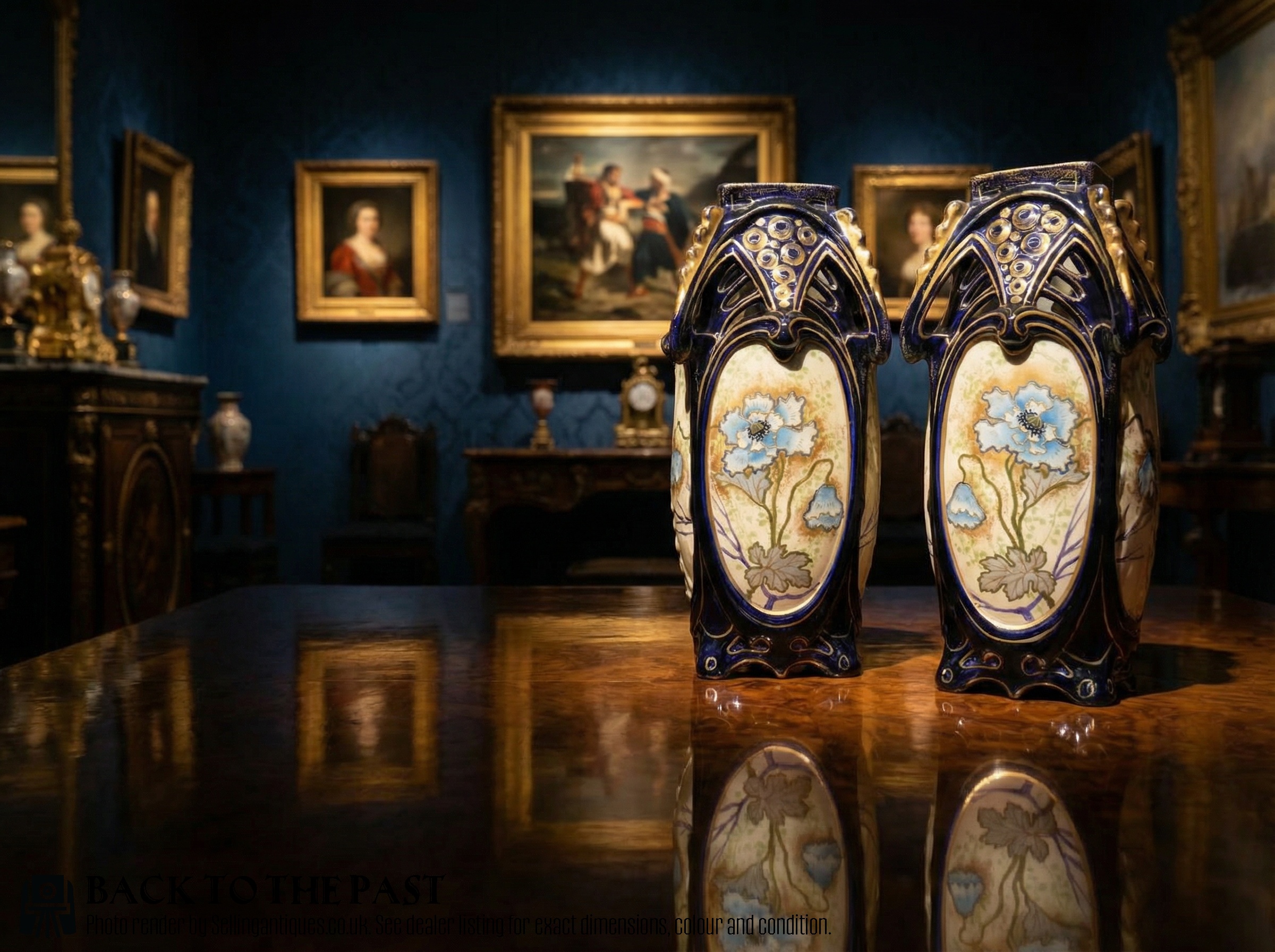
Austrian Art Nouveau Vases
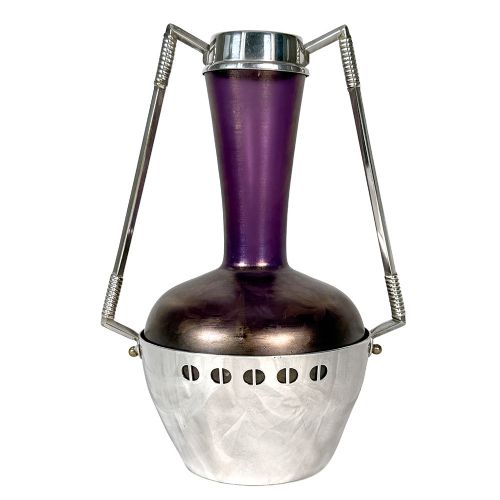
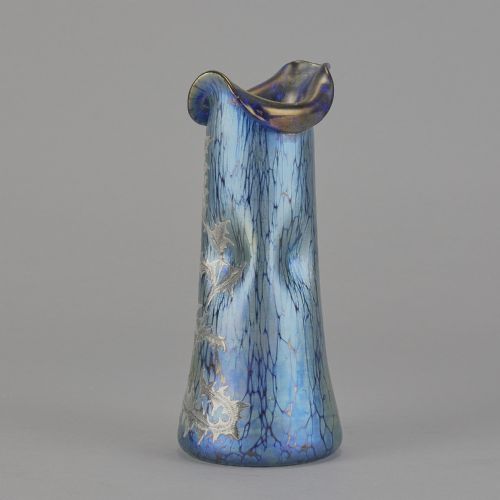
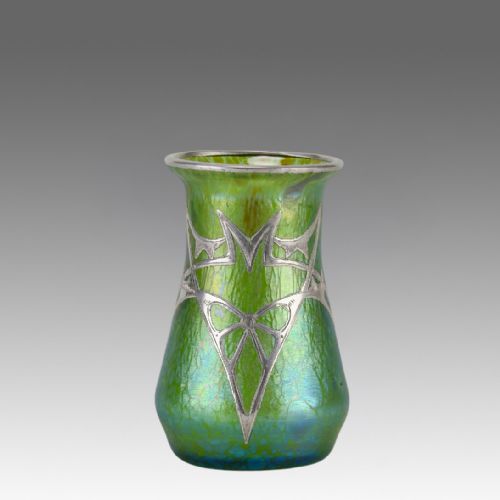
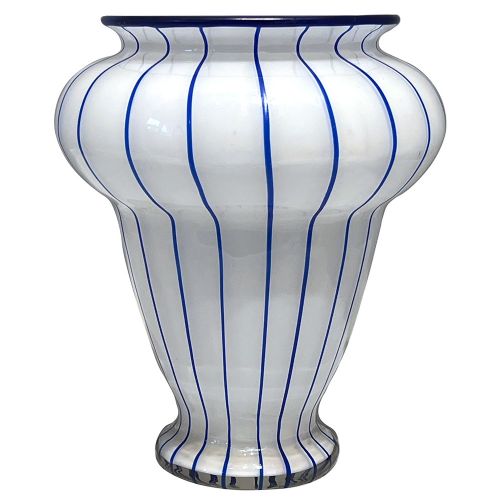
When searching for austrian art nouveau vases, buyers encounter an array of decorative vessels spanning the late nineteenth and early twentieth centuries, including the Edwardian period. The selections here typically manifest as porcelain, earthenware, ceramic, and iridescent glass forms created in the distinctive Art Nouveau and Vienna Secession styles.
Most pieces take the shape of standard vases, spill vases, and monumental decorative ewers or jugs. Visitors frequently find paired items and individual centrepieces reflecting the organic motifs and sculptural designs popular across Austrian workshops during this era.
How they were made
The makers utilised refined porcelain, earthenware, and ceramic bodies, shaping them into elaborate forms often finished with rich glazes and iridescent glass effects. Metal embellishments such as sterling silver, pewter, and gilt details were frequently applied to enhance the flowing contours of the vessels.
Surface decoration often involved delicate enamel work and metallic overlays, binding glass and ceramic substrates with contrasting mountings. Potters and glassmakers employed specialised firing techniques to achieve the characteristic shimmering surfaces and vibrant colour variations seen across the period.
Listings feature works spanning the nineteenth century through the nineteen twenties, uniting porcelain, earthenware, and iridescent glass.
What varies in quality
The distinction between standard production and superior execution rests upon the crispness of the modelled detail and the depth of the iridescent glaze. Pieces featuring integrated metal mounts, such as silver overlay or pewter framework, demonstrate greater complexity in their assembly.
Design attribution plays a role, with documented models bearing specific factory numbers or designer ciphers showing higher artistic ambition. The harmony between the base ceramic or glass body and its decorative surface finish ultimately dictates the visual success of each piece.
Loetz Witwe·Johann Loetz·Ernst Wahliss·Turn Vienna·Alexandra Porcelain Works·Eichwald·Reissner and Kessel
The Austrian Art Nouveau Vases Glossary
- Art Nouveau
- A decorative style characterised by flowing, organic lines and motifs inspired by natural forms. It dominated European design around the turn of the twentieth century.
- Vienna Secession
- An Austrian art movement formed by artists who broke away from the traditional association of artists. Their work leaned toward geometric clarity alongside organic stylisation.
- Iridescent Glass
- Glass treated with metallic salts while hot to produce a shimmering, rainbow-like sheen. This technique is famously associated with Austrian glass production of the period.
- Spill Vase
- A tall, narrow container designed to hold wooden spills used for lighting fires or pipes. These small vessels became a common household form in ceramics and porcelain.
- Ewer
- A large jug with a wide spout and elaborate handle, traditionally used for holding water. In this context, they serve primarily as decorative sculptural objects.
Austrian Art Nouveau Vases: Frequently Asked Questions
How do I clean an iridescent glass vase?
Dust these delicate surfaces gently with a soft, dry cloth rather than using chemical cleaners. Moisture and commercial detergents can damage the fragile iridescent finish applied to the glass.
Keep them away from direct sunlight and damp environments to protect the metallic treatments and enamel decorations from gradual degradation.
What is the difference between earthenware and porcelain pieces?
Earthenware is fired at lower temperatures, resulting in a porous ceramic body that requires an opaque glaze for waterproofing. Porcelain uses refined clay fired at much higher heats, producing a dense, vitrified material that is white and hard.
Porcelain vessels often feature finer, more precise painted details, while earthenware pieces lend themselves to heavier, more sculptural moulded forms.
Where were these pieces originally displayed?
Middle and upper-class households placed them on mantelpieces, sideboards, and occasional tables as decorative focal points. Monumental ewers and centrepieces were frequently utilised in dining rooms and parlours to display floral arrangements.
Their organic forms were intended to bring the calming geometry and fluid lines of nature directly into domestic interior spaces.
How can I tell Vienna Secession from Art Nouveau?
Vienna Secession works generally favour a more restrained, geometric approach while retaining organic inspiration. Standard Art Nouveau focuses more heavily on undulating plant stems and sinuous feminine silhouettes.
Both movements overlapped chronologically in Austrian workshops, meaning some decorative vases incorporate elements of both design philosophies.