




Reticulated Ceramic Vase
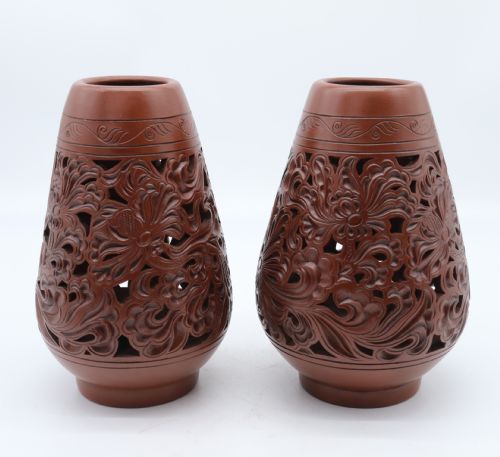
A reticulated ceramic vase brings pierced openwork craftsmanship to a room, offering intricate detail and texture.
Reticulated Ceramic Vase
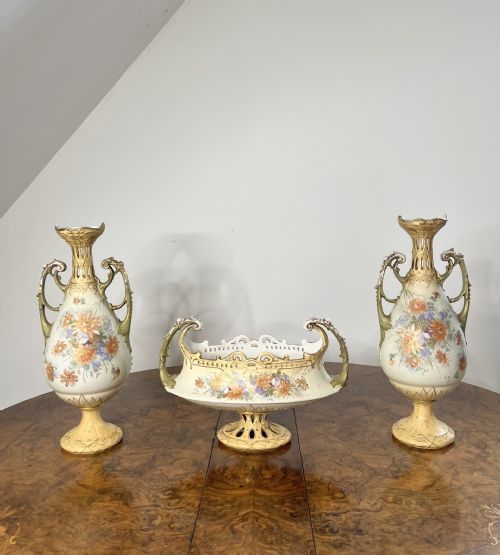
A reticulated ceramic vase is defined by its pierced, lattice-like openwork body, which takes considerable skill to form without collapsing before firing. These decorative vessels appear in periods ranging from the nineteenth century through the mid-twentieth century, with notable examples spanning Victorian, Edwardian, and Art Nouveau styles.
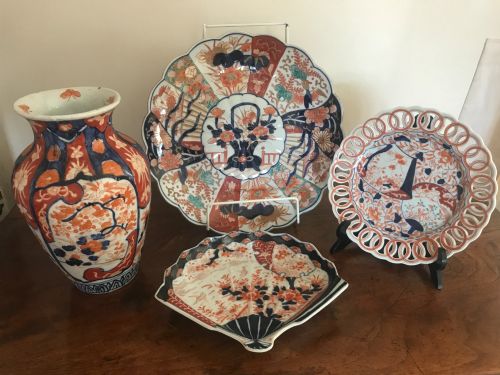
Buyers frequently encounter English porcelain works alongside continental pottery and Asian pieces when searching for a reticulated ceramic vase. Forms vary from ewers and pot pourri jars to monumental urns and classical vases.
Makers utilised traditional shaping and piercing methods to create intricate patterns in porcelain and earthenware. The resulting objects combine solid glazed surfaces with delicate honeycombed lattice sections.
How they were made
Potters shaped porcelain and earthenware by hand or in moulds before cutting away clay to form the openwork lattice. This piercing required immense precision while the material remained leather-hard to prevent distortion.
Makers applied enamel, gilding, and gold leaf over the glaze to highlight the pierced shoulders and handles. Firing these fragile openwork structures demanded exact kiln temperatures to avoid cracking the intricate panels.
Listings feature porcelain and earthenware materials decorated with enamel, gilt, and gold leaf across multiple periods.
What varies in quality
The refinement of the pierced openwork distinguishes finer pieces from simpler production items. Skilled artisans carved crisp, uniform lattice geometric patterns that required immense patience and steady hands.
Painting quality and the application of gold leaf or gilding create further distinction across the range. Hand-painted floral motifs executed by named artists elevate the visual depth of the porcelain body.
Royal Worcester·Ernst Wahliss·Vion et Baury·Mason's
The Reticulated Ceramic Vase Glossary
- Reticulated
- Pierced or decorated with a net-like openwork pattern. This technique creates delicate lattice walls in the ceramic body.
- Pot Pourri
- A vessel designed to hold dried scented plant material. These lidded jars feature pierced openings to release fragrance.
- Ewer
- A large jug with a wide spout and handle. These decorative pieces often feature elaborate gilt handles.
- Bisque
- Unglazed white porcelain with a matte, tactile surface. It resembles marble and shows fine sculptural detail.
Reticulated Ceramic Vase: Frequently Asked Questions
What is a reticulated ceramic vase?
A reticulated ceramic vase is a vessel featuring pierced, lattice-like openwork carved directly into the clay body. Makers utilised this technique to introduce intricate geometric or floral patterns.
These pieces range from Victorian and Edwardian porcelain ewers to twentieth-century pot pourri jars. The openwork structure demands advanced ceramic skill during shaping and firing.
How were these vases used?
These vessels served primarily as decorative ornaments on mantelpieces, pedestals, and centrepieces. Lidded variants functioned as pot pourri holders to perfume domestic interiors.
Larger monumental urns and ewers acted as focal points in period reception rooms. Their pierced walls and hand-painted motifs displayed the wealth and taste of the owner.
How do I care for a ceramic vase?
Dust these fragile porcelain and earthenware vessels gently with a soft, dry brush to protect the delicate lattice work. Avoid using liquids or abrasive cleaners on gilded and enamelled surfaces.
Keep pieces away from direct sunlight and areas prone to sudden temperature changes. Handle ewers and vases by the body rather than relying on slender pierced handles.
How can I tell periods apart?
Victorian and Edwardian pieces often display ornate gilding, floral hand-painting, and intricate piercing associated with English porcelain factories. Art Nouveau examples favour flowing organic lines and continental pottery forms.
Nineteenth-century items frequently exhibit Rococo revival influences or traditional Imari palettes. Maker marks and registration numbers stamped on the base provide precise chronological markers.