



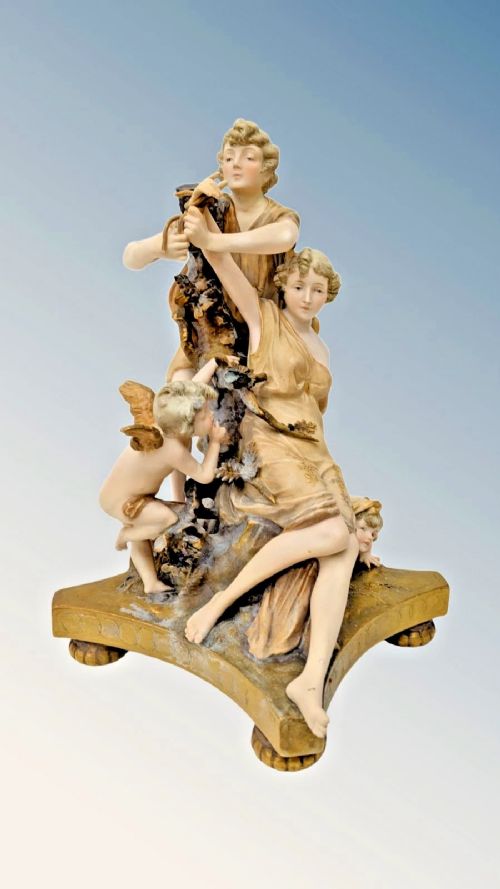


Antique Austrian Ceramics
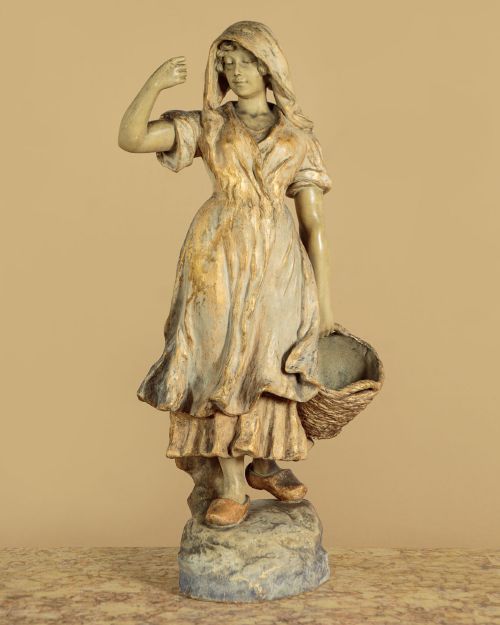
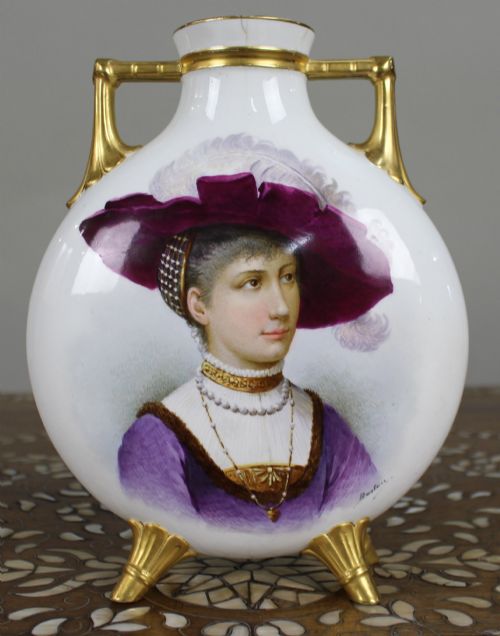
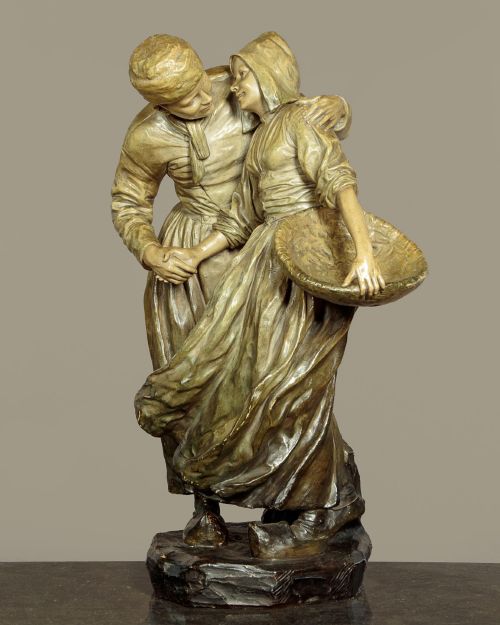
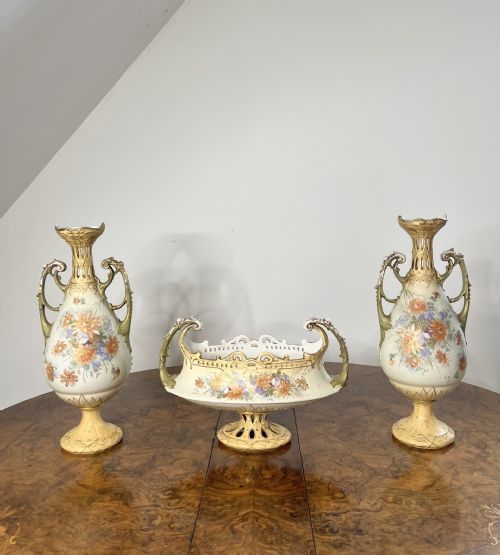
These antique austrian ceramics encompass finely modelled terracotta figures and hand-painted porcelain vessels spanning the nineteenth and early twentieth centuries.
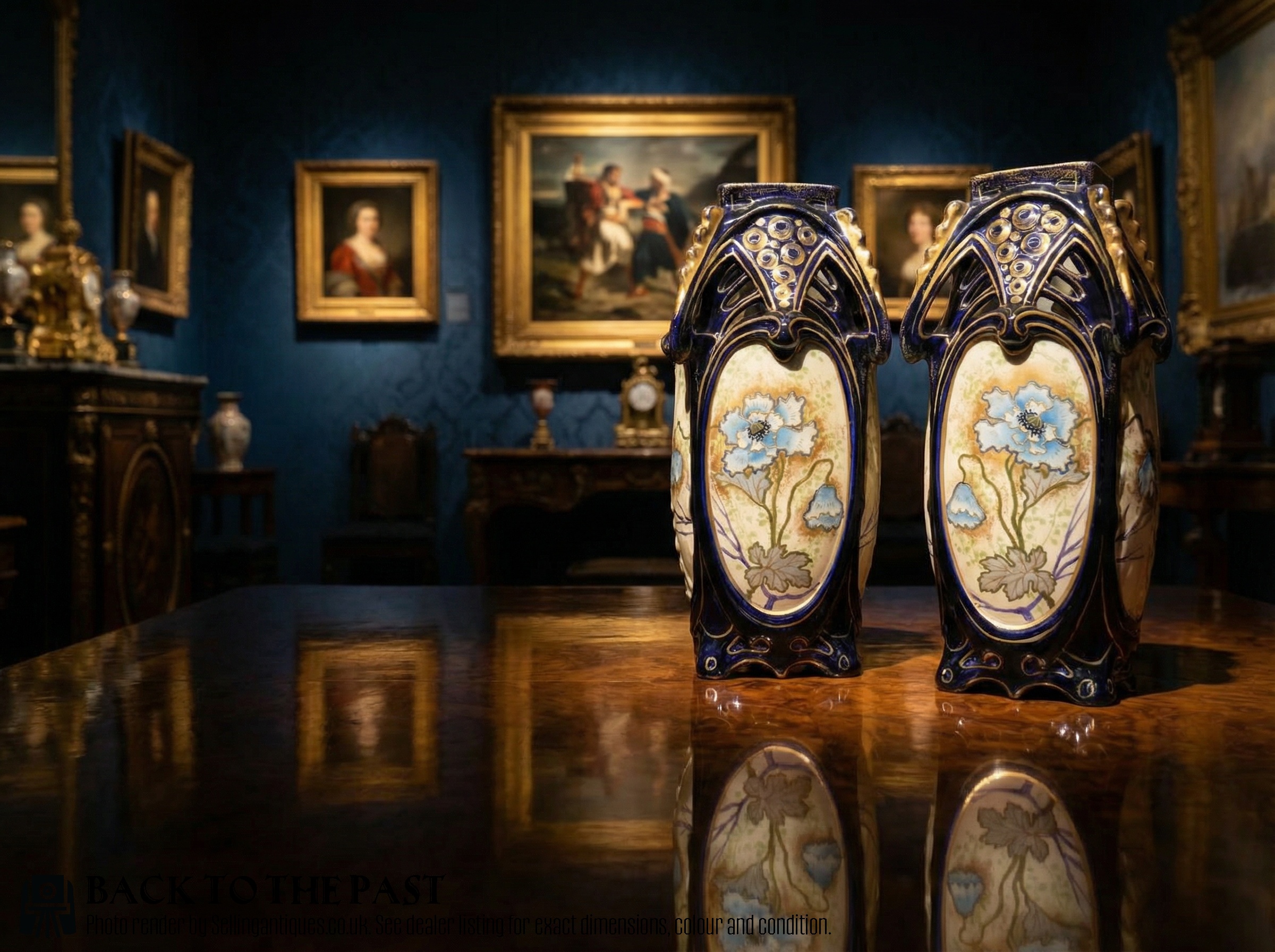
Antique Austrian Ceramics
When you search for antique austrian ceramics, you encounter a diverse range of objects spanning utility and display, from monumental vases to cabinet plates and figurative sculptures. The selection reflects intense artistic production across the nineteenth and early twentieth centuries, capturing shifts in taste from classical revivalism to flowing organic forms.
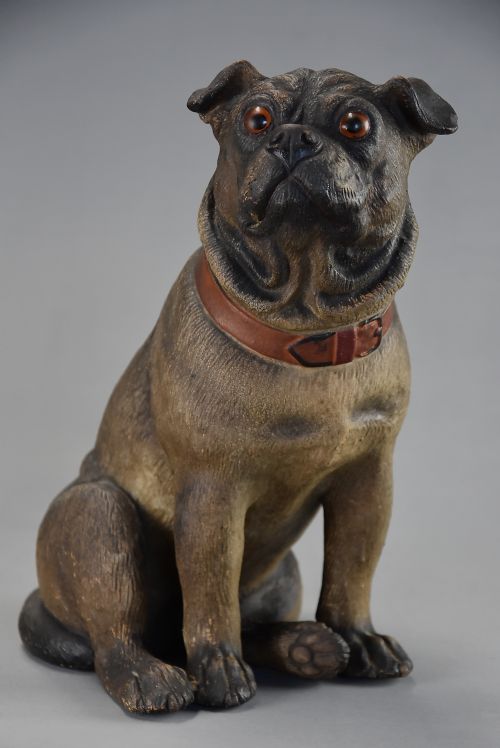
Terracotta figures and life-size animal sculptures dominate the sculptural offerings alongside delicate porcelain chargers and ewers. Works originating from notable potteries and individual artists demonstrate the breadth of ceramic craft traditions centred in Vienna and surrounding regions during this prolific period.
Assessing Craftsmanship
Quality rests upon the crispness of the modelling in terracotta figures and the precision of the brushwork on painted porcelain surfaces. Superior examples display subtle tonal gradations in enamel work and secure, clean application of gilding without blurring fine lines.
The sophistication of the design execution and the fidelity of the casting distinguish exceptional studio pieces from standard commercial production of the era.
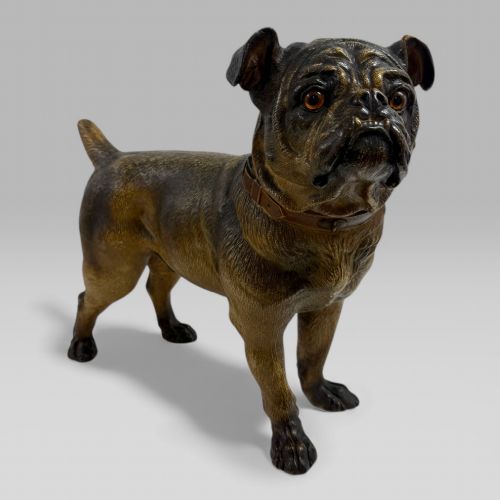
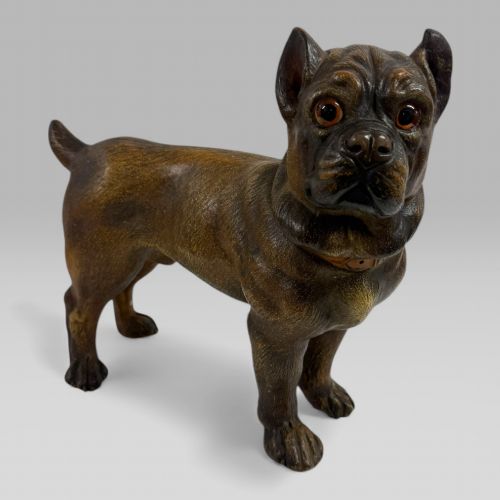
Refugee monkeys and life-size pug dogs prove that Austrian ceramicists possessed a delightful sense of humour alongside their classical training.
Goldscheider·Ernst Wahliss·Royal Vienna·Julius Dressler·Bernard Bloch
The Antique Austrian Ceramics Glossary
- Terracotta
- A porous fired clay body ranging in colour from red to buff, frequently utilised for figurative sculpture and architectural reliefs. It provides a warm texture well suited to detailed surface modelling.
- Majolica
- earthenware pottery decorated with opaque coloured tin glazes over a fired slip, known for vibrant hues and pictorial themes. This technique produces glossy surfaces with rich colour saturation.
- Garniture
- A set of three or more matching vases or decorative objects designed to be displayed together on a mantelpiece or sideboard. These matched groupings became particularly popular during the nineteenth century.
- Moon Flask
- A flat-sided circular bottle vase with a narrow neck and small loop handles, originating from ancient pilgrim flasks. Ceramic makers adapted this form for decorative display during the nineteenth century.
- Slip Cast
- A manufacturing technique where liquid clay slip is poured into a plaster mould to create hollow ceramic objects. This method allows for the consistent production of complex sculptural forms.
Antique Austrian Ceramics: Frequently Asked Questions
What periods do these ceramics cover?
The pieces span the nineteenth century through to the early twentieth century, encompassing Victorian, Edwardian and Art Nouveau eras.
Production methods and artistic styles evolved rapidly across these decades, shifting from classical revival aesthetics towards organic floral motifs.
How were decorative plaques used?
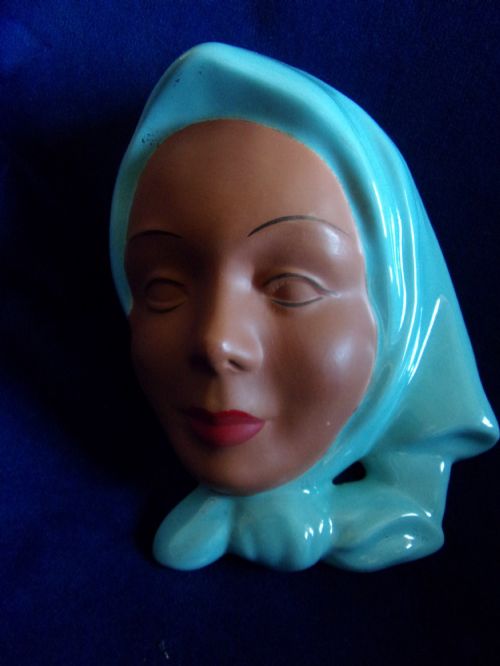
Decorative plaques and wall panels served primarily as interior wall art for display in domestic reception rooms.
Artists utilised these flat ceramic surfaces to showcase detailed painted scenes or high-relief sculptural modelling.
What is terracotta sculpture?
Terracotta sculpture involves modelled unglazed or slipped fired clay shaped into human figures, animal groups or busts.
Many nineteenth-century Austrian pieces depict expressive subjects, from mythological characters to realistic animal studies like pug dogs.
How do I identify Royal Vienna pieces?
Royal Vienna pieces often feature classical hand-painted mythological scenes combined with rich gilding on porcelain bodies.
Cabinet plates and urns from this tradition typically display precise brushwork depicting historical or allegorical narratives.