

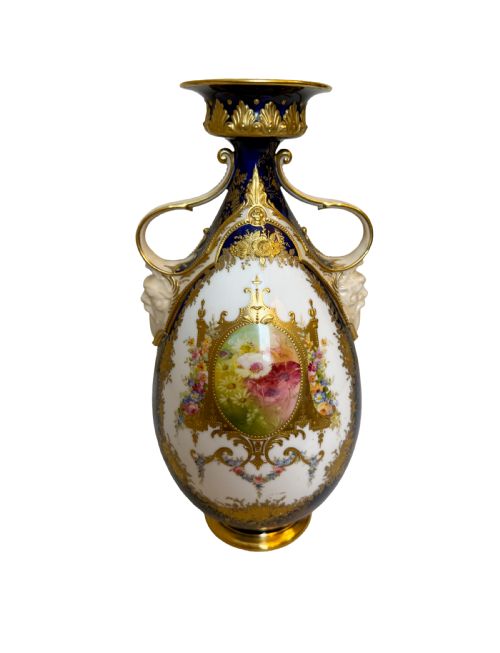

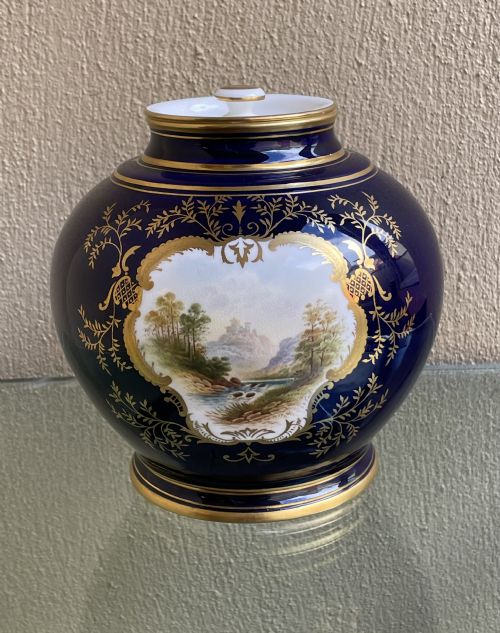


Gilt Cobalt Porcelain Vases
Gilt cobalt porcelain vases unite deep blue grounds with shimmering metallic enrichment across centuries of European and Japanese production.
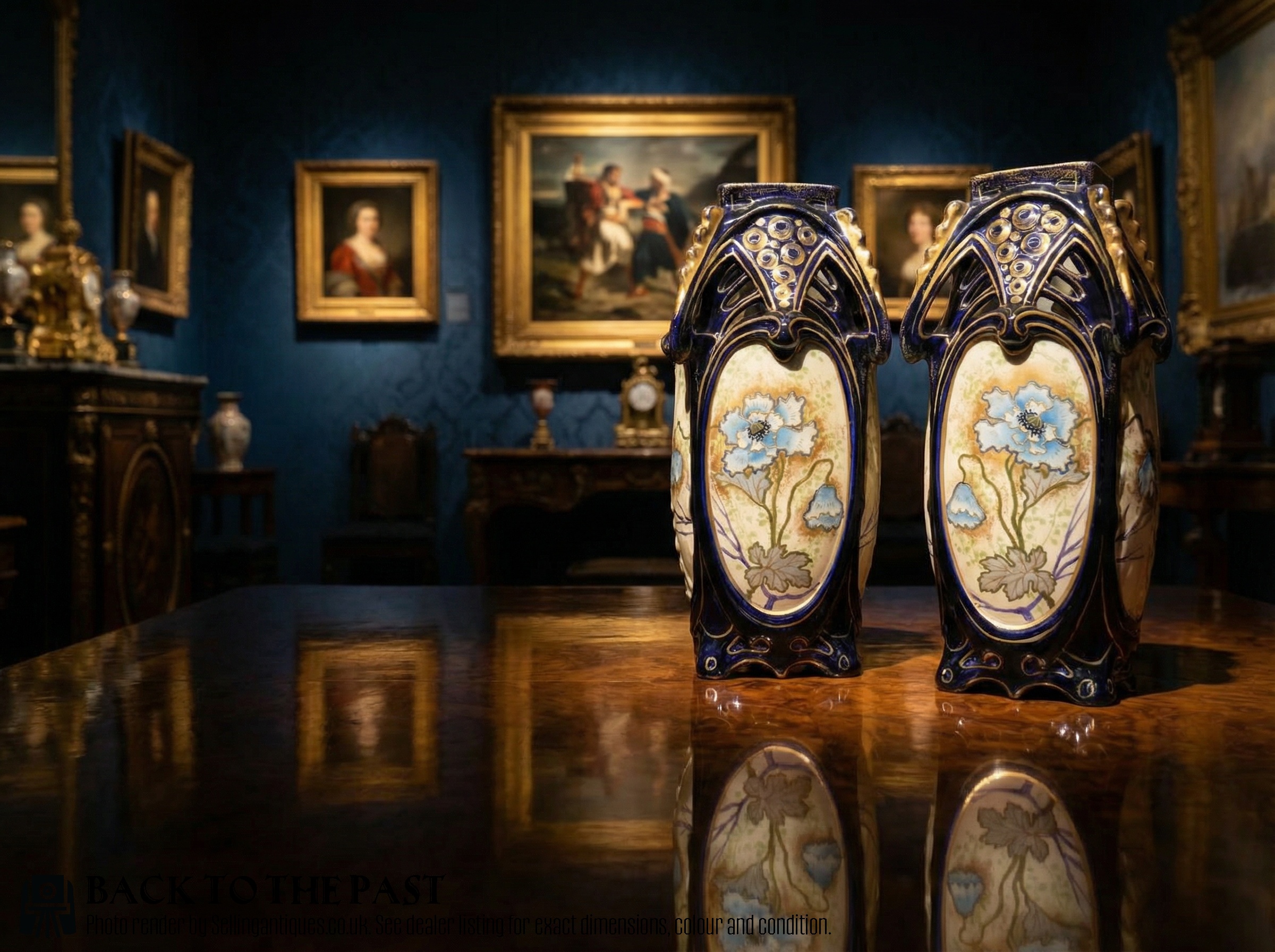
Gilt Cobalt Porcelain Vases
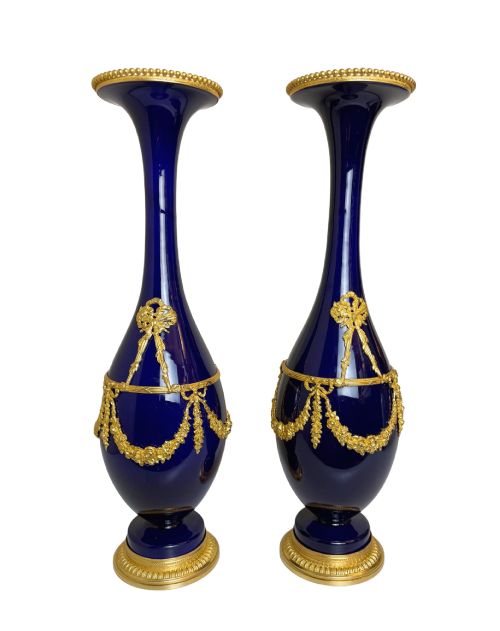
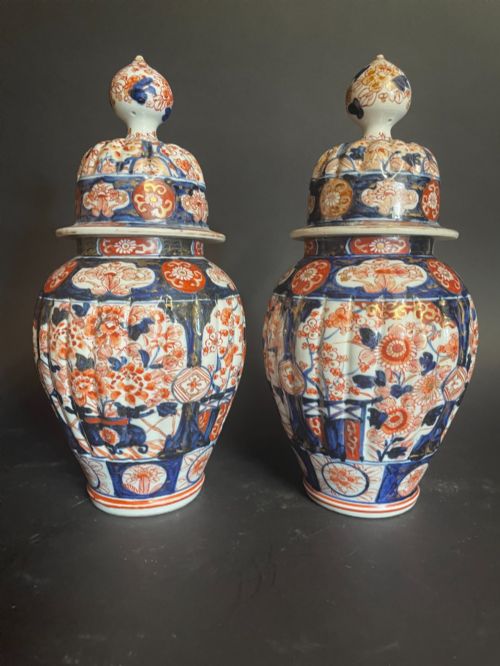
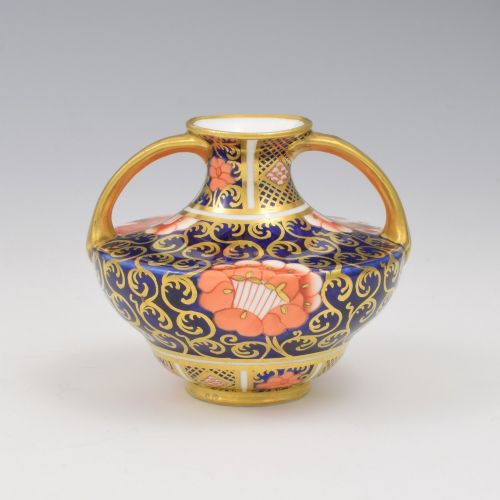
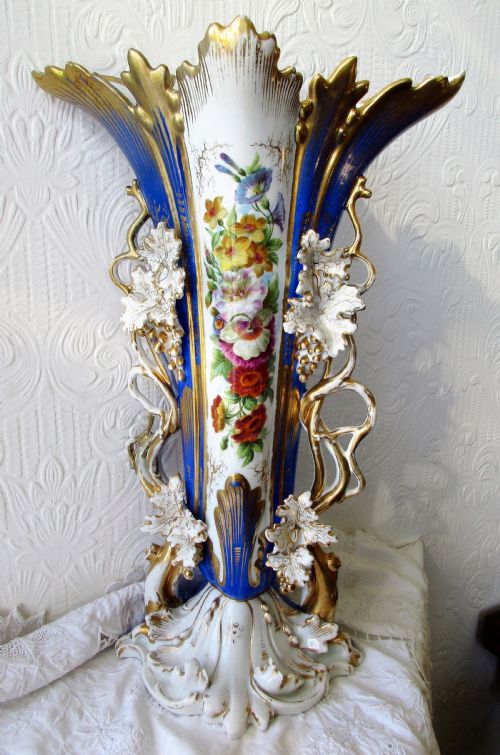
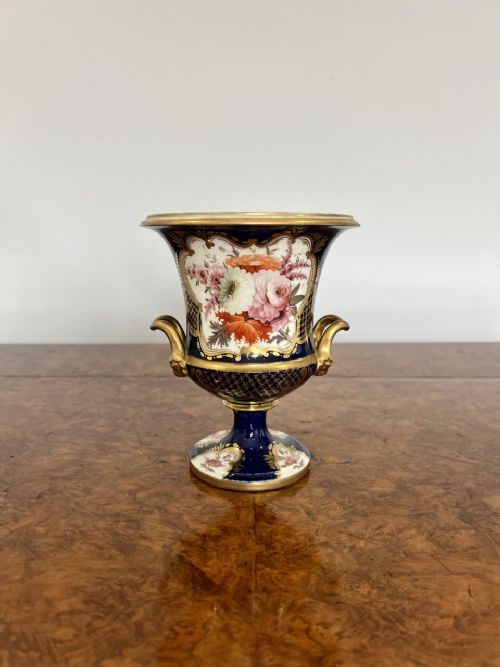
When searching for gilt cobalt porcelain vases, collectors encounter a diverse array of forms ranging from campagna urns and lidded ginger jars to cabinet vases and garniture sets. These pieces combine rich cobalt blue bodies with applied gold leaf, gilding, or ormolu mounts to create striking visual contrast.
The selections on this page span the nineteenth and early twentieth centuries, drawing upon English factories like Worcester and Derby, continental makers such as Sevres and Meissen, and Japanese Satsuma workshops. Buyers frequently discover pairs and matching sets intended for mantelpieces and decorative tables.
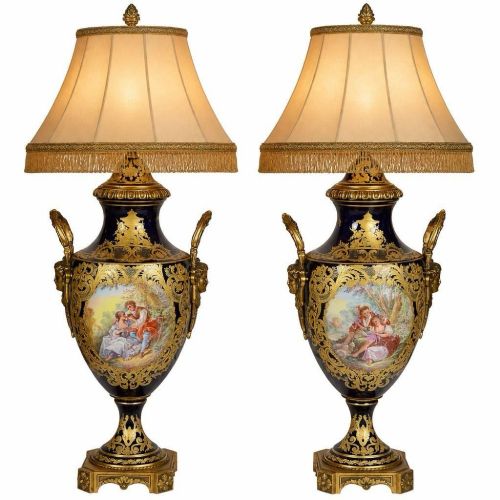
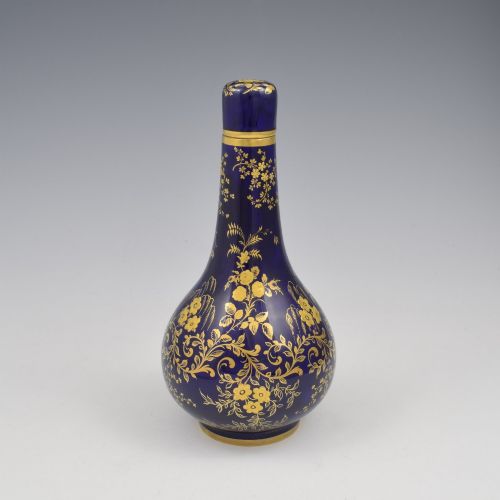
Forms include traditional bottle vases, twin-handled vessels, and converted table lamps, reflecting how historical ceramics adapt to contemporary domestic uses over time.
How They Were Made
Potters achieved the signature deep blue coloration by applying cobalt oxide beneath or over the glaze before subjecting the ceramic body to high-temperature firing. Artisans then added gold leaf, liquid gilding, or enamel details by hand in subsequent lower-temperature firings to bond the metallic decoration to the porcelain surface.
Many European and Japanese workshops integrated cast gilt bronze or ormolu mounts, frames, and trim to elevate the status of the finished vessel. This combination of ceramic bodies, enamel pigments, and metalwork demanded collaborative skill between throwers, painters, and metal-workers.
Napoleon Bonaparte watches sternly over nineteenth-century drawing rooms from commemorative Sevres lidded vessels.
What Varies in Quality
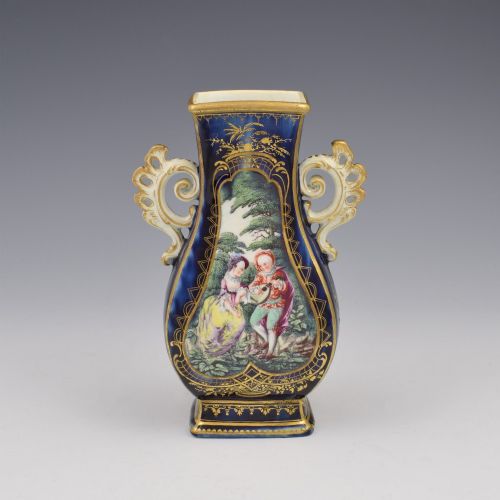
The standard of execution in painting and gilding largely defines the hierarchy among these vessels, distinguishing workshop output from exceptional exhibition pieces. Hand-painted figural scenes, intricate birds, and raised moriage work indicate superior artistic investment compared to simpler transfer-printed patterns.
The precision of the cobalt ground and the purity of the gilt enrichment also set finer examples apart. Pieces retaining crisp, burnished gold without rubbing or fading demonstrate both superior initial manufacture and careful subsequent preservation.
Royal Crown Derby·Chamberlain Worcester·Spode·Chelsea Porcelain·Royal Doulton·Coalport·Flight Barr And Barr·Samuel Alcock·Wolfsohn Dresden·Ernst Wahliss·Samson Of Paris·Kinkozan
The Gilt Cobalt Porcelain Vases Glossary
- Cobalt
- A deep blue metallic oxide used to pigment ceramic bodies and glazes before firing. It produces the rich, dark ground characteristic of these vessels.
- Gilding
- The application of gold leaf or powdered gold paint to the surface of porcelain. This technique highlights rims, handles, and decorative motifs.
- Ormolu
- Gilded bronze mounts and decorative trims applied to ceramic vessels. French workshops frequently employed this metalwork to frame porcelain bodies.
- Moriage
- A Japanese ceramic technique using raised slip decoration to create textured patterns. It appears frequently on cobalt-ground Satsuma wares.
- Garniture
- A matched set of three or more vases or urns designed for display together on a mantelpiece or sideboard. These sets often feature graduated sizes.
- Campagna Urn
- A classical bell-shaped vessel with a flared rim and pedestal foot. English and continental factories frequently adopted this classical shape.
Gilt Cobalt Porcelain Vases: Frequently Asked Questions
How do I identify a Sevre style vase?
Sevres style pieces typically display rich cobalt grounds, elaborate hand-painted panels, and heavy gilt enrichment. They often mimic the eighteenth-century French royal output.
Look for refined handles, classical motifs, and sometimes faux factory marks on the base which indicate nineteenth-century revival production rather than original period manufacture.
What is Satsuma ware?
Satsuma ware is a type of Japanese earthenware or porcelain characterised by a crackle ivory glaze and detailed overglaze enamel and gold decoration. Cobalt grounds provide a dramatic contrast.
Meiji period pieces often incorporate raised moriage figures and distinct artist or workshop signatures on the underside.
How should I clean gilt porcelain?
Gilt and enamel decorations require gentle maintenance to preserve the delicate gold leaf and painted surfaces over time. Dusting with a soft, dry brush is usually sufficient.
Avoid commercial cleaning products, abrasive cloths, or soaking in water, as harsh chemicals can strip fragile overglaze gilding from the porcelain body.