



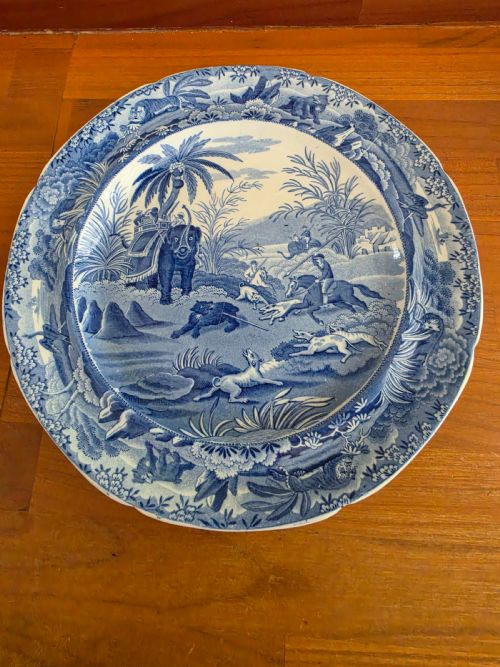
Blue Earthenware Dish
A blue earthenware dish brings centuries of rich cobalt decoration and domestic utility straight to the table.
Blue Earthenware Dish
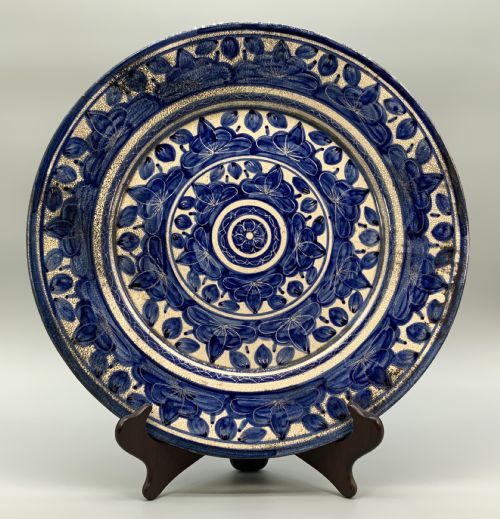
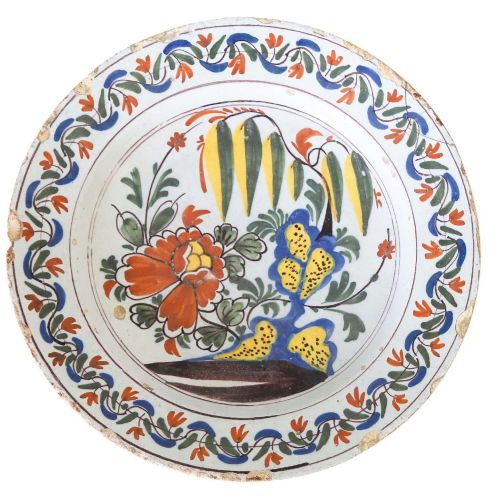
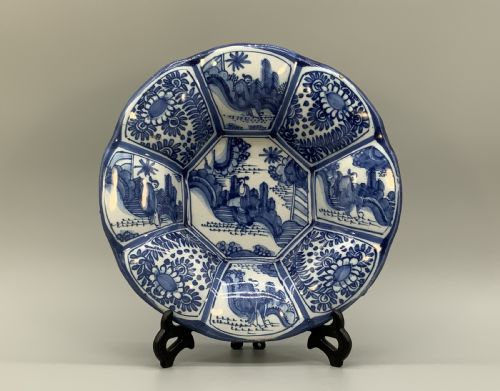
A blue earthenware dish encompasses a wide variety of serving platters, decorative chargers, and plates produced across multiple centuries. When searching for a blue earthenware dish, buyers encounter forms ranging from early tin-glazed chargers to transfer-printed platters.
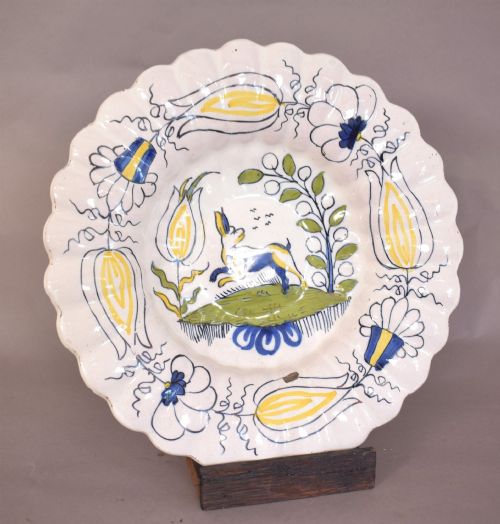
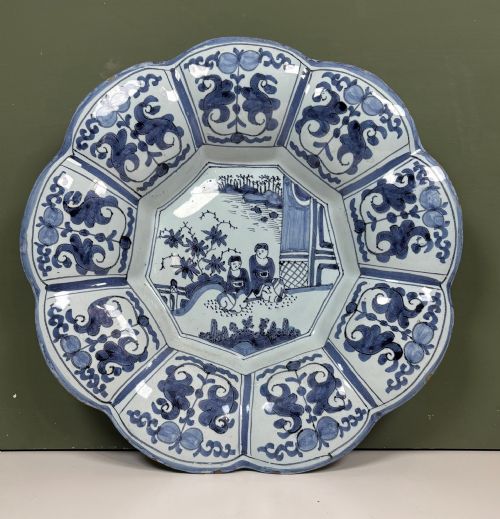
The pieces on this page span from the seventeenth century through the Victorian era, reflecting diverse regional traditions including English, Dutch, and French production. Common domestic and display items include tureens, bowls, and large serving dishes.
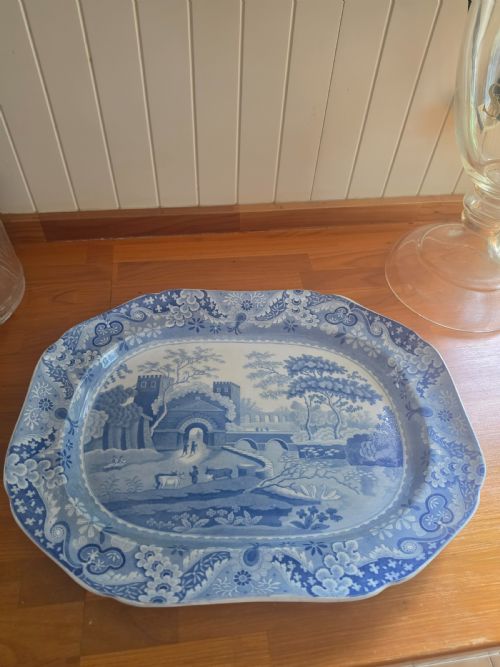
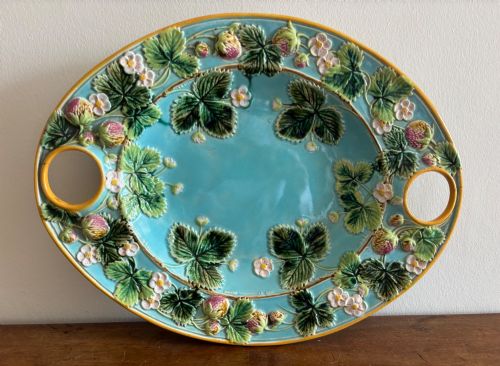
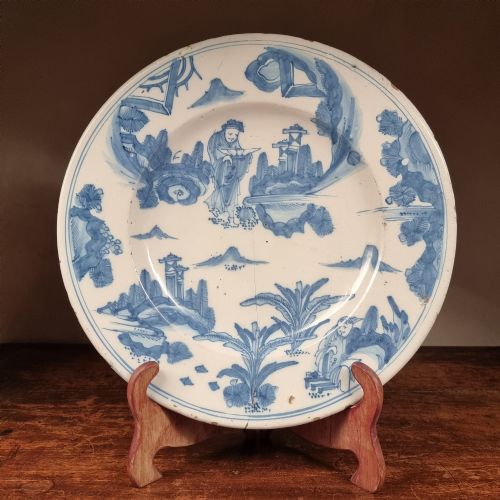
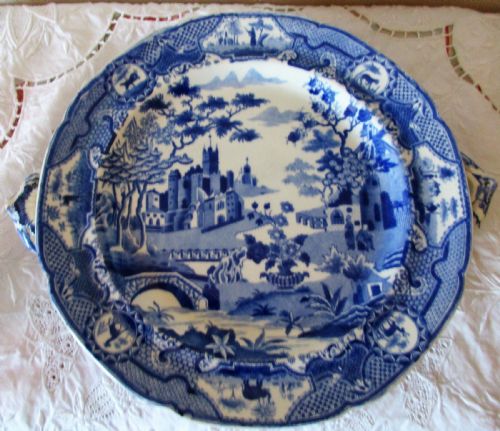
Makers and potteries from Staffordshire and beyond contributed distinct patterns such as pastoral scenes, Chinoiserie motifs, and topographical views. These items served both practical dining functions and ornamental display roles in historic households.
Materials and Manufacture
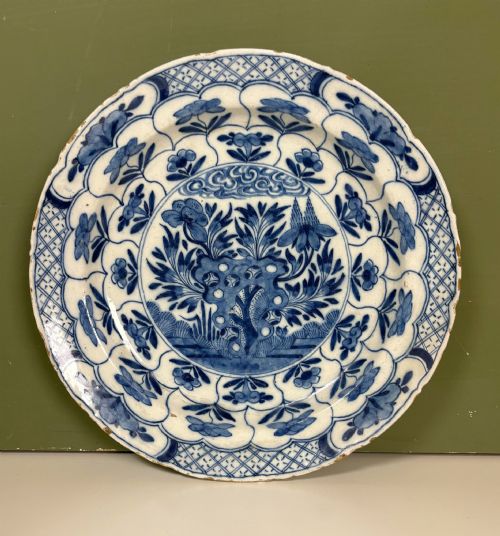
Potters utilised earthenware bodies coated in tin glaze or standard ceramic glazes to create a smooth surface for painting or printing. Cobalt pigment and cobalt oxide provided the characteristic blue coloration applied beneath or over the glaze.
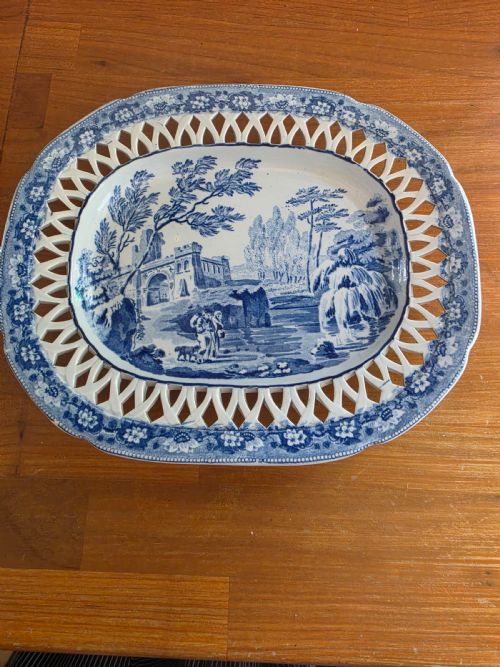
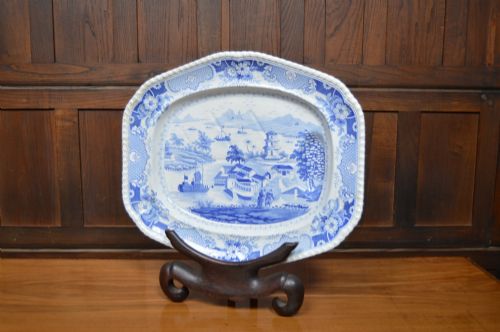
Decoration techniques involved hand-painted brushwork or copperplate transfer printing to transfer intricate pictorial scenes onto the clay body. Firing in kilns set the metallic oxides into the glaze, producing durable blue and white finishes.
Some historic plates proudly depict bears meeting their demise, proving that early pottery dinner conversation starters were delightfully dramatic.
Distinctions in Quality
The clarity and depth of the cobalt pigment transfer or hand-painting dictate the visual impact of each piece. Crisp lines in transfer-printed scenes and skilled brushwork on tin-glazed chargers distinguish finer examples.
The complexity of the ceramic form, such as lobed edges, pierced serving dishes, or moulded tureen covers, demonstrates the modeller's skill. Condition of the glaze and the preservation of the earthenware body also shape the character of the object.
Spode·Davenport·George Jones·John Rogers and Son·J. and R. Clews·Minton
The Blue Earthenware Dish Glossary
- Earthenware
- Porous pottery fired at lower temperatures than stoneware or porcelain, requiring a glaze for impermeability. It forms the structural base for traditional chargers and plates.
- Tin-Glaze
- An opaque white glaze containing tin oxide, providing a smooth background for painted blue designs. It is typical of historic delftware and faience production.
- Transferware
- Pottery decorated by pressing a printed paper design from an engraved copper plate onto the ceramic surface. This technique enabled detailed pictorial patterns on nineteenth-century plates.
- Charger
- A large decorative plate or platter intended primarily for display on a wall or sideboard rather than daily dining use. Many early examples feature hand-painted cobalt designs.
- Pearlware
- A refined earthenware developed in the late eighteenth century featuring a subtle bluish glaze that sat over a whiter body. It bridged the gap between creamware and later white ironstone.
Blue Earthenware Dish: Frequently Asked Questions
How were blue earthenware dishes used historically?
These dishes served practical roles at the dining table for presenting meats, vegetables, and hot courses during formal meals. Large chargers and platters often doubled as decorative wall hangings or sideboard displays when not in active use.
Over time, specialised forms like draining plates, hot-water dishes, and sauceboats emerged to accommodate evolving dining customs. Their robust ceramic construction suited the daily demands of historic households.
What is the difference between delftware and transferware?
Delftware relies on tin glaze and hand-painted cobalt decoration, often producing softer outlines and painterly motifs rooted in seventeenth and eighteenth-century traditions. Each painted stroke reflects the individual decorator's hand.
Transferware utilises a mechanical printing process developed later, allowing potteries to apply exceptionally detailed and repeatable pictorial scenes onto the earthenware body. This method made elaborate topographical and narrative designs widely accessible.
How can I identify an eighteenth-century charger?
Eighteenth-century chargers typically feature tin glaze over a heavier earthenware body, often showing slight surface irregularities and footrim characteristics typical of earlier kiln furniture. Hand-painted blue floral or Chinoiserie decorations dominate their surfaces.
Examining the glaze consistency and the back of the plate provides clues regarding its period of manufacture. These earlier pieces lack the crisp uniformity found in later industrial transfer-printed ceramics.
Can I use antique blue earthenware for dining?
While historic earthenware remains structurally sound, centuries of use and the porous nature of early ceramic bodies mean modern functional use requires careful handling. Many collectors prefer to display these pieces to preserve their glazes and historic surfaces.
Hand washing with mild soap protects the antique glaze from harsh modern detergents and thermal shock. Displaying them on plate stands or wall mounts keeps them secure.