






Blue Ceramic Wall Charger
A blue ceramic wall charger brings bold cobalt pigment and generous scale to an interior, offering centuries of decorative tradition.
Blue Ceramic Wall Charger
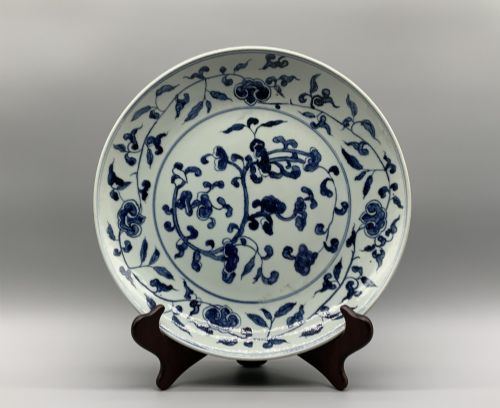
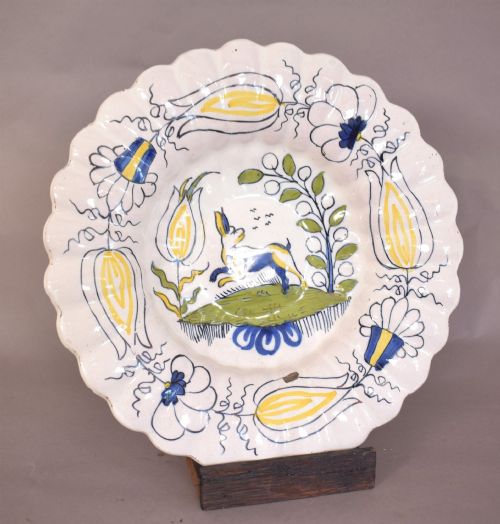
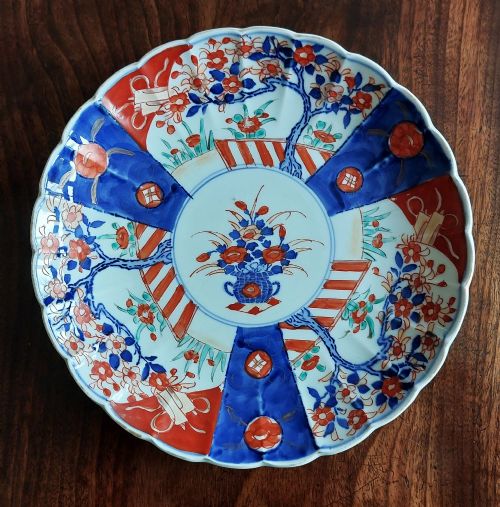
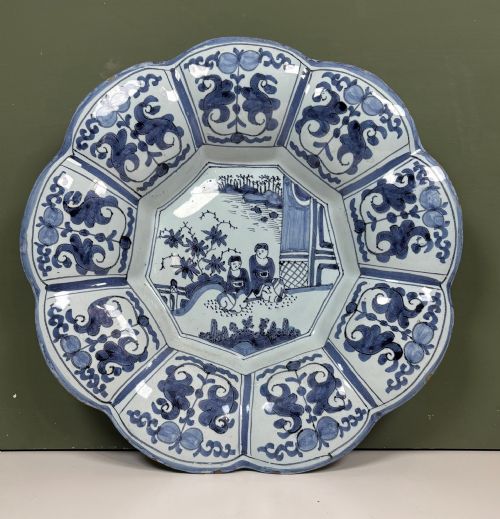
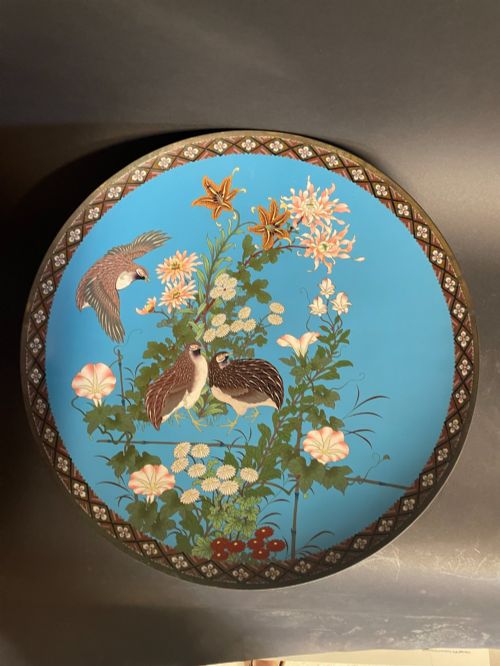
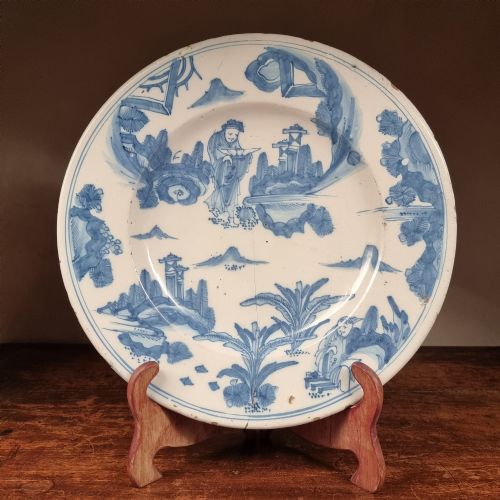
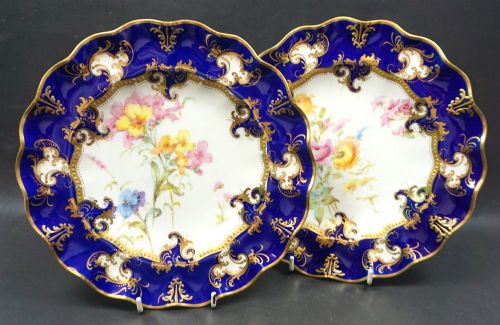
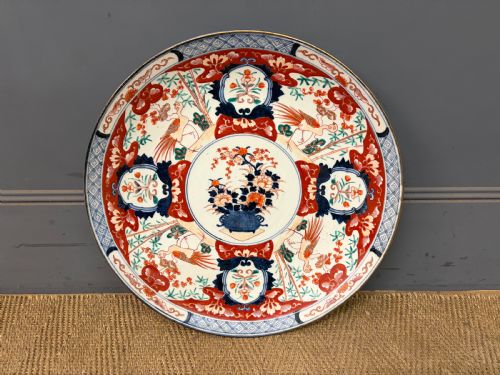
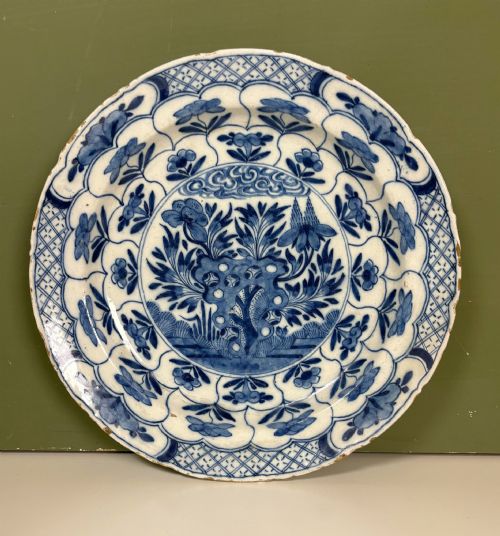
A blue ceramic wall charger is a large decorative plate intended for display rather than dining, anchored by deep cobalt pigment applied across earthenware and porcelain bodies. The examples found here span the seventeenth century to the mid twentieth century, drawing on diverse aesthetic traditions including Japanese Imari, Dutch Delftware, and Chinese export wares.
Buyers will most frequently encounter nineteenth century Japanese Imari chargers alongside eighteenth century Delftware and tin-glazed earthenware dishes. These pieces vary in form from traditional circular chargers to lobed dishes, square plates, and wall plaques designed with hanging display in mind.
The selection represents distinct regional movements, from European faience and English delftware to continental pieces executed in a Moorish style. Each object records the intersection of utilitarian pottery forms with elaborate, narrative-driven blue and white surface design.
How they were made
Potters built these chargers using ceramic bodies of earthenware, ironstone, or porcelain, which were subsequently coated in glazes including tin-glaze to provide a smooth white ground for painting. Cobalt pigment served as the primary colouring agent for hand-painted decoration, occasionally augmented by enamel and gold leaf in later Japanese and European interpretations.
Firing techniques determined the ultimate stability of the glaze and the depth of the blue pigment, while hand-painting ensured that brushwork remained singular to each artisan. Artisans shaped these wide surfaces on the wheel or pressed them into moulds before applying intricate floral, avian, or architectural motifs.
Listings span periods from the seventeenth century through the twentieth century, featuring porcelain, earthenware, and tin-glazed surfaces.
What varies in quality
The refinement of the painted brushwork dictates the visual success of a blue ceramic wall charger, distinguishing hurried production from deliberate artistry. Crispness in the cobalt detail and the balanced placement of motifs across a broad surface indicate the maker's control over the medium.
The integrity of the ceramic body and the smoothness of the glaze layer also separate standard utilitarian output from exceptional cabinet pieces. Harmony between the scale of the charger and the complexity of its border patterns establishes the overall decorative presence of the work.
John Davenport of Longport·John Ford
The Blue Ceramic Wall Charger Glossary
- Charger
- A large decorative plate or dish traditionally sized for display on a wall or sideboard rather than daily service at table.
- Tin-Glazed Earthenware
- Pottery fired with an opaque white glaze containing tin oxide, providing an absorbent surface for painted cobalt decoration.
- Cobalt Pigment
- A metallic oxide colourant that produces an intense blue shade capable of withstanding high kiln temperatures without fading.
- Imari
- A Japanese style of porcelain decoration characterised by rich cobalt blue and iron red, often highlighted with gold.
- Faience
- European tin-glazed earthenware produced in imitation of imported Chinese and Japanese porcelain traditions.
Blue Ceramic Wall Charger: Frequently Asked Questions
How do I hang a heavy charger safely?
Displaying a large ceramic dish requires a dedicated wall bracket or spring-loaded wire hanger designed to distribute the weight evenly across the base and rim. Ensure the fixing is secured directly into wall studs or appropriate masonry anchors.
Avoid adhesives or friction clips that rely on pressure alone, as the substantial weight of earthenware and porcelain plates demands mechanical support.
Are these chargers meant for food use?
These pieces function primarily as decorative wall chargers and cabinet plates rather than tableware. Older tin-glazed surfaces and historic ceramic bodies can be sensitive to moisture and cutlery marking.
Enjoy them as visual focal points on walls or display stands rather than incorporating them into everyday dining routines.
How do I distinguish Delftware from Japanese Imari?
Delftware relies on tin-glazed earthenware with blue and white or polychrome pigments, reflecting European interpretations of Chinese motifs. Japanese Imari typically uses porcelain bodies featuring deep cobalt blue combined with iron red and gold leaf.
The weight, ringing tone, and body composition of the ceramic material readily separate the European earthenware tradition from East Asian porcelain.
What period do these wall chargers come from?
The inventory encompasses works from the seventeenth century through to the mid twentieth century. Early examples feature seventeenth and eighteenth century Dutch and English delftware alongside Chinese export porcelain.
Later nineteenth and twentieth century pieces include Japanese Meiji period Imari and European revival styles.