








Dutch Delftware Ceramic Dish
A dutch delftware ceramic dish brings seventeenth and eighteenth century earthenware into your home with painted blue and white motifs.
Dutch Delftware Ceramic Dish
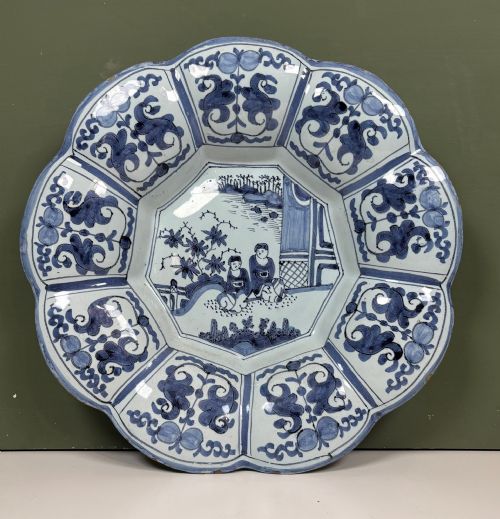
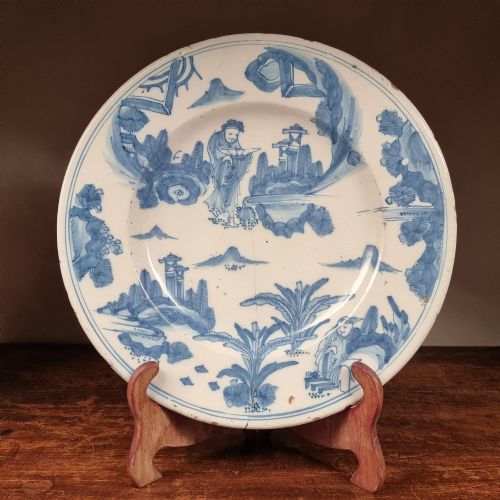
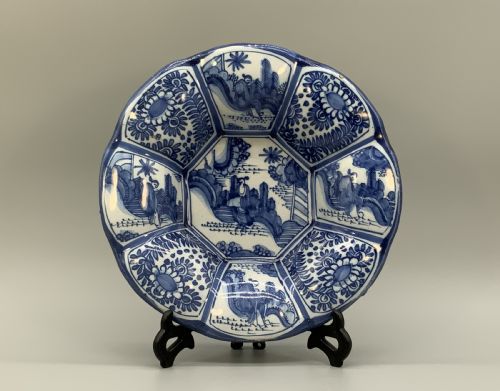
A dutch delftware ceramic dish encompasses chargers, shallow bowls, and decorative plates originating from the seventeenth and eighteenth centuries. These items serve primarily as wall display pieces or table centerpieces rather than everyday dinnerware.
How they were made
Potters shaped earthenware bodies and coated them in a white tin glaze to provide a smooth canvas for painting. Cobalt pigment and cobalt oxide were then applied directly onto the unfired glaze.
Artisans drew inspiration from Chinese Kraak porcelain alongside local Dutch floral motifs. Firing in kilns set the pigment into the opaque white glaze to create the characteristic glossy finish.
Dutch Delftware Ceramic Dish Retail Price Guide 2026
Typical asking prices for dutch delftware ceramic dish among the pieces listed under this phrase on Sellingantiques today, from the lower quarter to the upper quarter. They describe what is for sale here now, not the wider market.
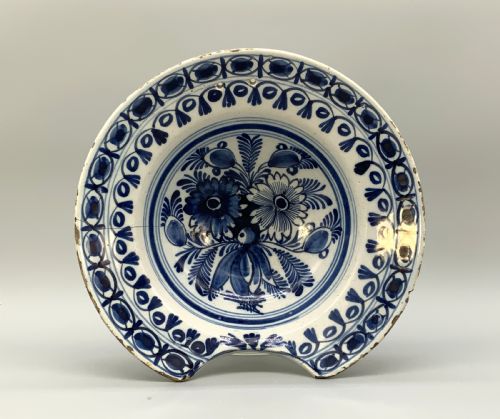
Barber's bowls feature a curved cutout edge designed to fit neatly against a customer's neck during a shave.
What varies in quality
The refinement of the painted brushwork dictates the distinction between standard vessels and exceptional examples. Crisp cobalt lines and balanced composition reflect superior workshop output.
Scale and ambition of the form also elevate a piece. Large chargers and specialised vessels such as barber's bowls demand greater skill during throwing and firing than standard plates.
The Dutch Delftware Ceramic Dish Glossary
- Tin-Glazed Earthenware
- Pottery covered with an opaque white glaze containing tin oxide. This technique forms the distinct white surface typical of delftware.
- Charger
- A large decorative plate intended for display on walls or sideboards rather than dining use. These pieces often feature elaborate painted scenes.
- Polychrome
- Decoration employing multiple colours rather than a single pigment. In delftware, this usually combines blues with reds, greens, and yellows.
- Kraak Style
- A decorative layout characterised by panels radiating from a central motif. This aesthetic derives from imported Chinese porcelain traded during the seventeenth century.
- Sweetmeat Presentier
- A specialised shallow serving dish designed for confectionery or dried fruits. These footed vessels showcase refined eighteenth-century forms.
Dutch Delftware Ceramic Dish: Frequently Asked Questions
How do I display a charger plate?
Large chargers work best secured with proper wire hangers on a plain wall to let the painted surface stand out.
Alternatively, place them on sturdy plate stands on sideboards or mantelpieces away from heavy foot traffic.
Were these dishes used for dining?
Most surviving chargers and large plates served decorative functions in wealthy seventeenth and eighteenth century households rather than daily meals.
Specialised forms like barber's bowls and sweetmeat dishes fulfilled specific grooming and serving roles.
How do I tell seventeenth and eighteenth century pieces apart?
Seventeenth-century examples often lean towards Dutch Baroque or Kraak styles with deep blue palettes and robust earthenware bodies.
Eighteenth-century pieces frequently introduce polychrome floral patterns and lighter geometric borders.
What is polychrome delftware?
Polychrome delftware uses several colours in the painted design instead of traditional cobalt blue alone.
Artisans added yellow, green, and iron-red pigments to create vibrant floral and geometric compositions.