


Black Gold Wall Mirror
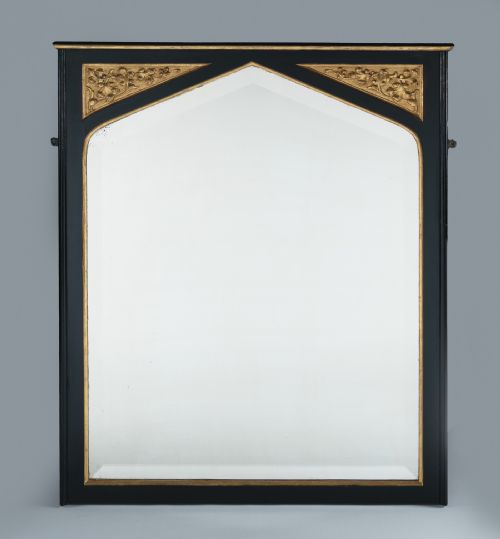
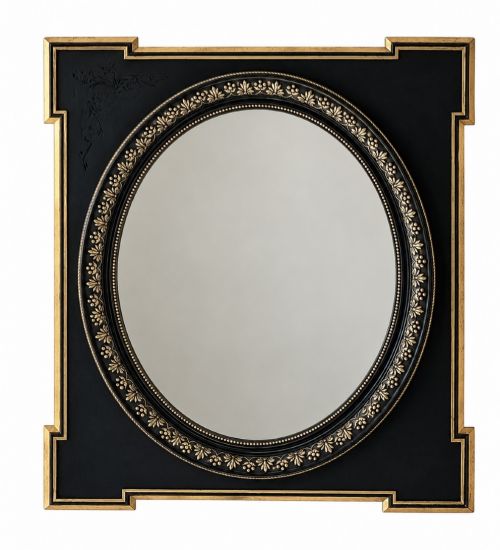
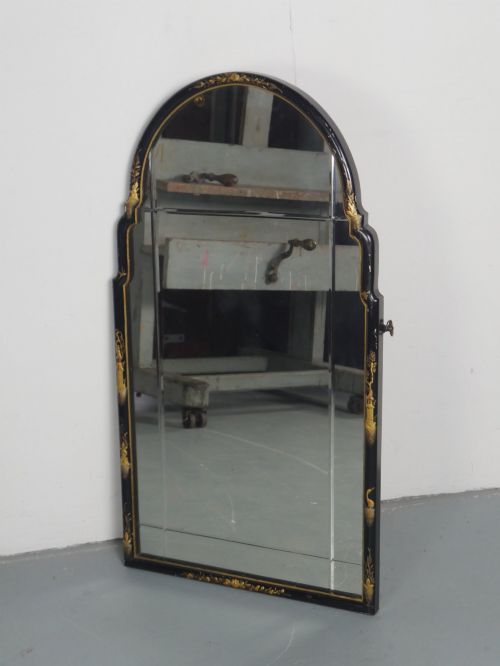
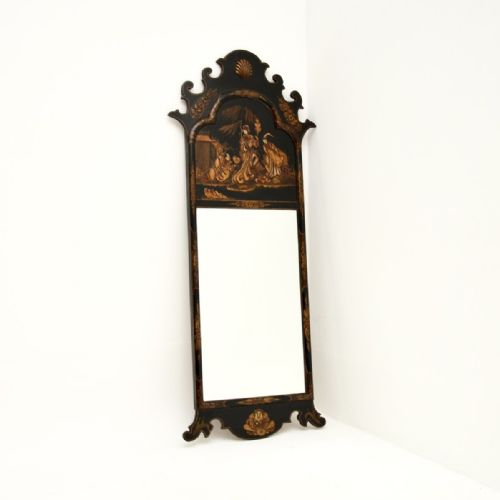
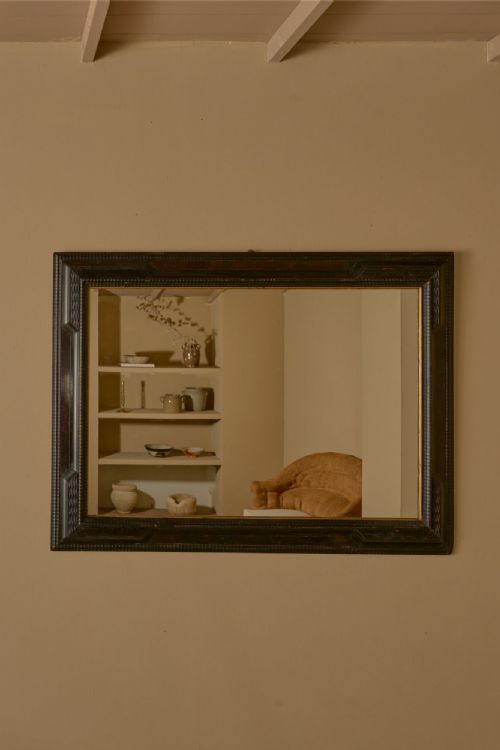
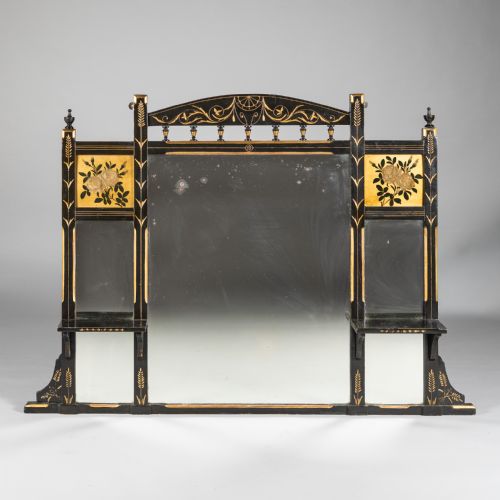
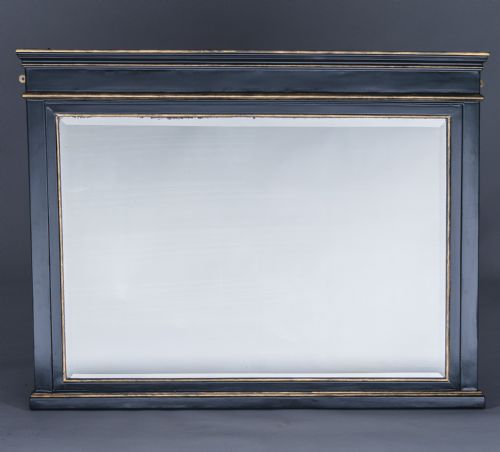
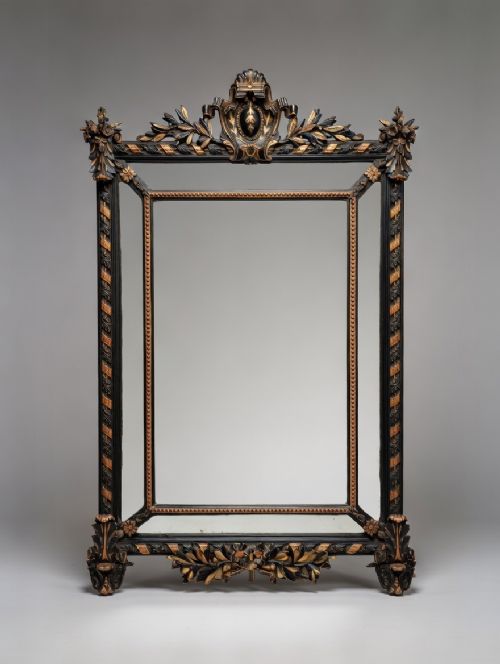
A black gold wall mirror combines dark ebonised wood or black lacquer with gleaming gilt highlights, offering a striking focal point for any room.
Black Gold Wall Mirror
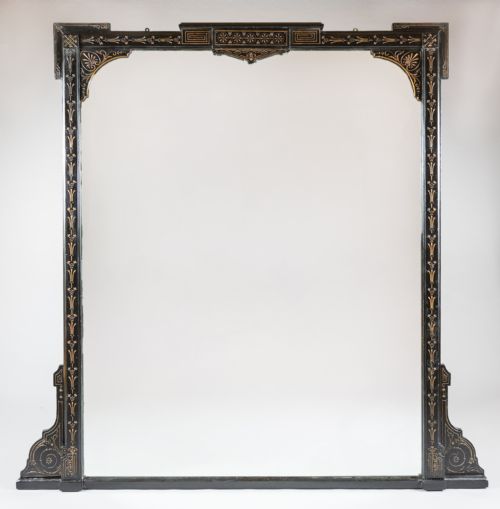
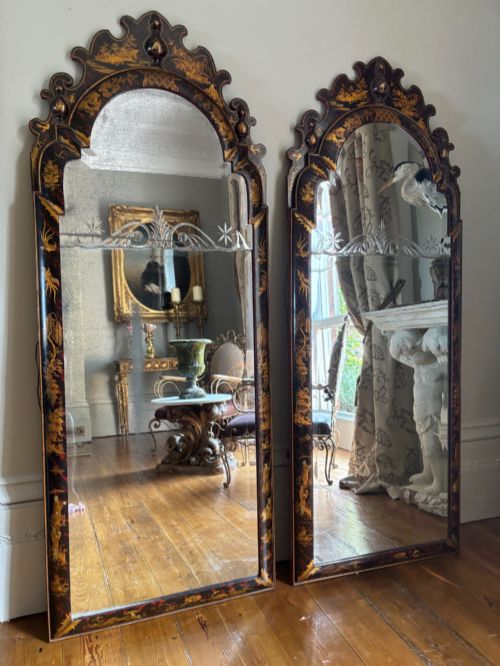
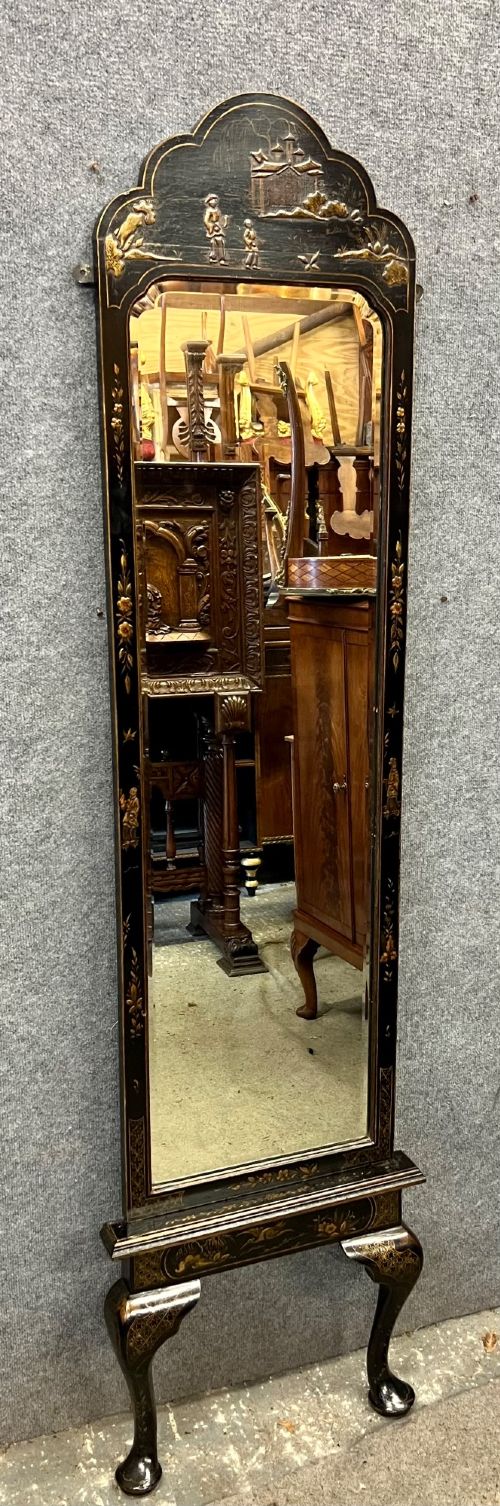
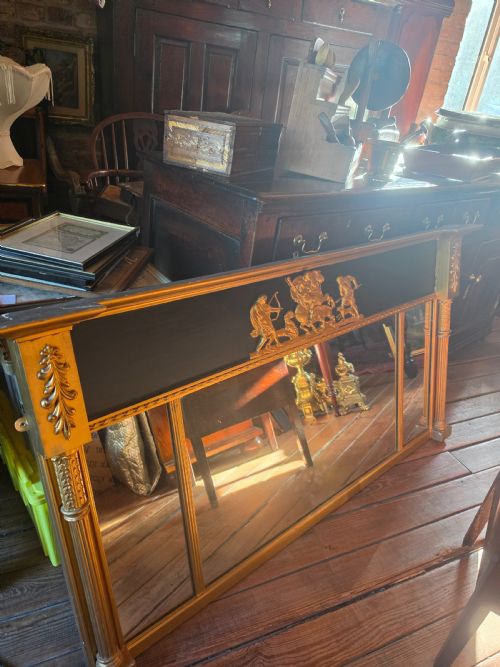
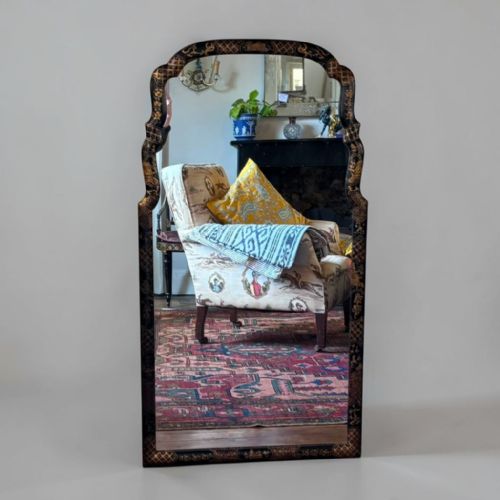
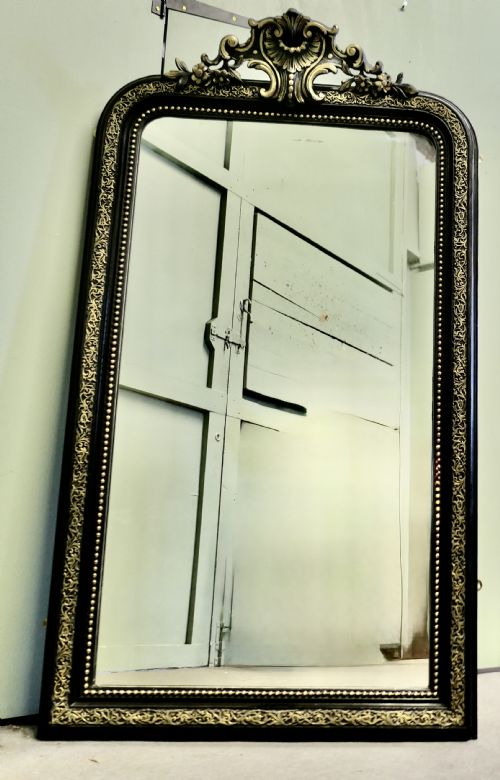
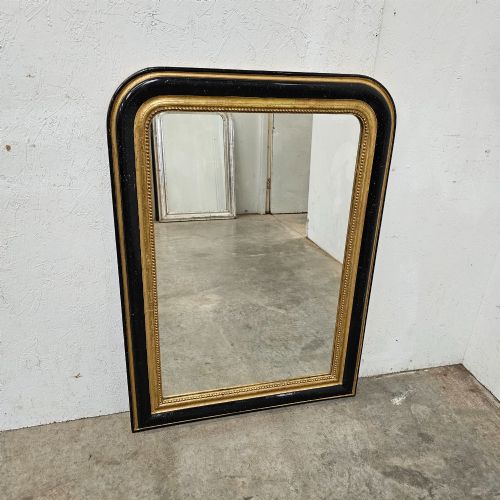
When you search for a black gold wall mirror, you encounter pieces that range from grand Victorian overmantles to ornate Chinoiserie frames. The selection includes tall pier mirrors, console tables with mirrors, and smaller oval wall hangings from various periods.
The most common versions on this page are 19th-century Victorian ebonised and parcel-gilt overmantle mirrors. These pieces use dark finishes contrasted with gold leaf to catch the light in high-ceilinged rooms.
How they were made
Framing relies on carved wood and gesso applied to timber bases, providing a stable foundation for intricate decorative details. Artisans then treated the wood surfaces with ebonisation or black lacquer to achieve a deep, dark finish.
Makers applied gold leaf, parcel-gilt highlights, or gilt-brass mounts over the dark ground to create the characteristic two-tone contrast. Mirror glass, including antique and reverse-painted panels, was then fitted into the finished frames.
Black Gold Wall Mirror Retail Price Guide 2026
Typical asking prices for black gold wall mirror among the pieces listed under this phrase on Sellingantiques today, from the lower quarter to the upper quarter. They describe what is for sale here now, not the wider market.
The listings span from the 18th century through the mid-20th century, dominated by Victorian ebonised and parcel-gilt overmantle mirrors.
What varies in quality
The depth and execution of the carved wood and gesso ornamentation dictate the visual weight of the frame. Superior examples display crisp details on crests and borders, whereas simpler pieces rely on flat painted surfaces.
The integration of the ebonised finish with the gilt highlights shows the maker's hand. Higher-grade mirrors balance the dark wood and gold leaf harmoniously, maintaining definition across large overmantle and pier formats.
The Black Gold Wall Mirror Glossary
- Ebonised
- Wood treated with a chemical stain or finish to imitate ebony. This dark ground provides the primary black tone seen on Victorian and Aesthetic Movement frames.
- Parcel-Gilt
- Partially gilded woodwork where gold leaf highlights specific carved areas. It creates a striking contrast against the dark ebonised background.
- Overmantle Mirror
- A large mirror designed to hang above a fireplace mantel. These landscape-oriented pieces often feature arched tops and substantial frames.
- Pier Mirror
- A tall, narrow mirror designed to hang on the wall space between two windows. They frequently match console tables placed directly below them.
- Gesso
- A plaster-like mixture applied to wooden frames and carved before gilding. It allows for complex, raised decorative mouldings.
- Chinoiserie
- European decorative style reflecting Chinese artistic traditions. These mirrors often incorporate black lacquer and oriental motifs.
Black Gold Wall Mirror: Frequently Asked Questions
Where should I hang a black gold wall mirror?
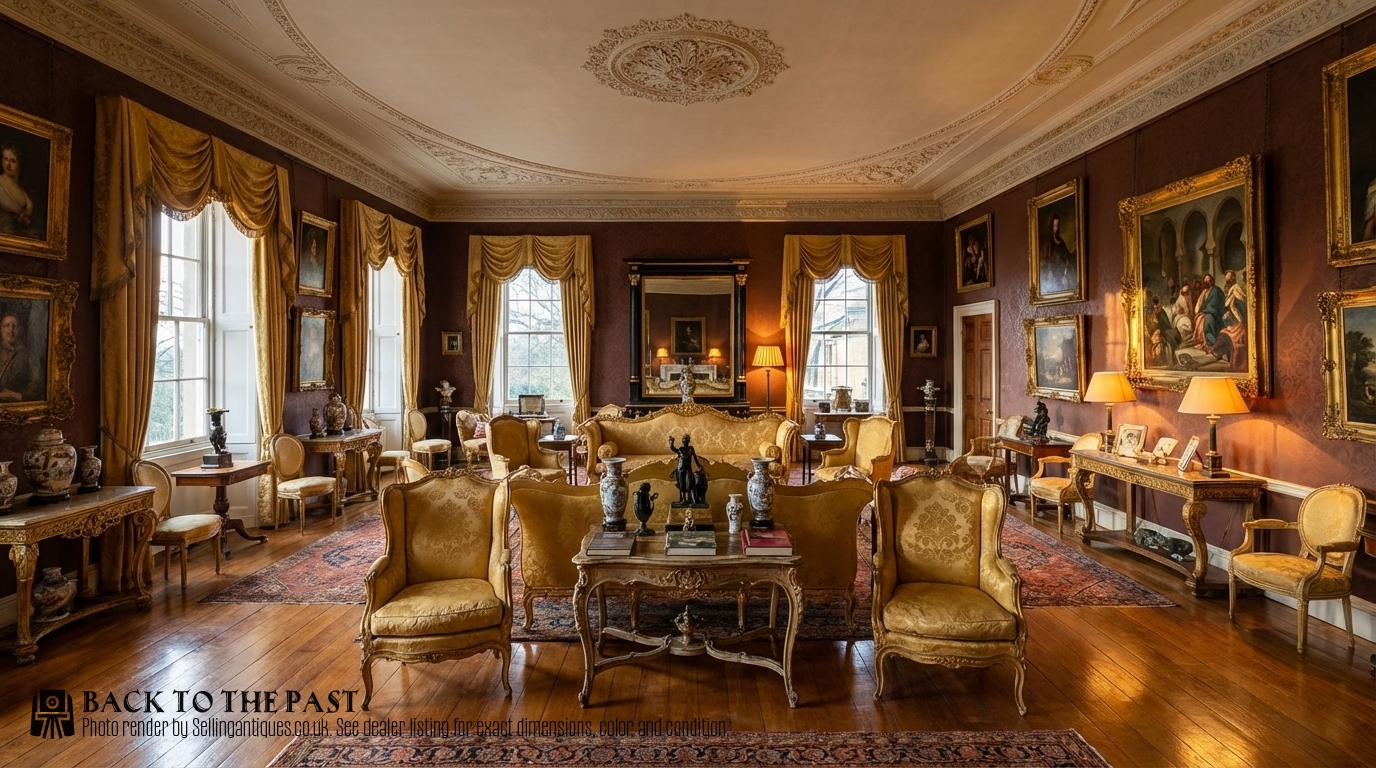
These mirrors work well above mantelpieces, console tables, or in hallways where their contrasting frames can catch natural light. Large overmantle versions anchor a room and reflect light back into the space.
Smaller oval or pier mirrors suit narrower wall spaces, adding vertical emphasis to living rooms or bedrooms.
How do I date a black gold mirror?
Dating relies on stylistic clues, frame construction, and the type of mirror glass used in the piece. Victorian overmantles often feature heavy ebonised and parcel-gilt frames with arched tops.
Earlier 18th-century or Regency examples show distinct proportions and decorative motifs, such as Chinoiserie lacquerwork or gilded greyhounds.
What is the difference between an overmantle and a pier mirror?
Overmantle mirrors are traditionally wide and built to sit horizontally above a fireplace. They fill large wall expanses and dominate the room's proportions.
Pier mirrors are tall and narrow, specifically shaped to hang in the wall space between windows or above matching console tables.
How do I care for ebonised and gilt frames?
Dust the carved wood and gesso frames gently with a soft, dry brush to prevent dirt buildup in the intricate details. Avoid using liquid cleaners or chemical polishes on the ebonised wood and gold leaf surfaces.
Clean the mirror glass with a mild glass cleaner applied to a cloth rather than sprayed directly onto the frame.