






Biscuit Porcelain Figurine
A biscuit porcelain figurine brings unglazed, matte elegance into a room, offering the crisp detail of classical sculpture in a domestic scale.
Biscuit Porcelain Figurine
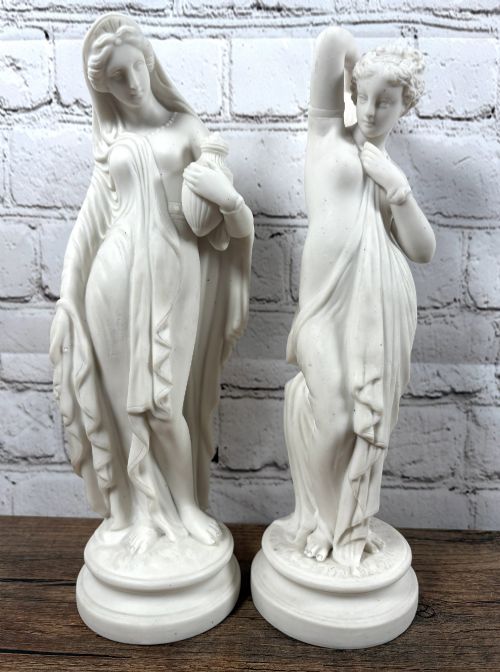
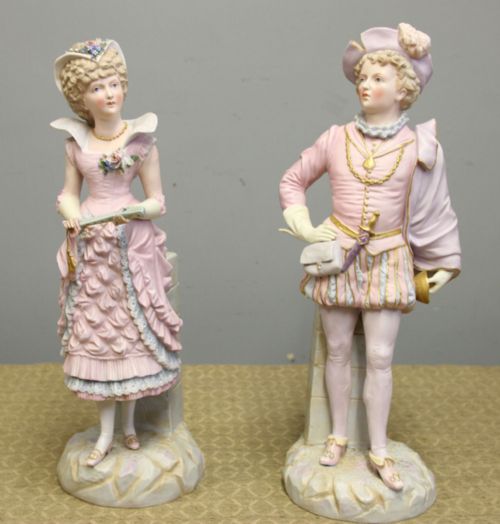
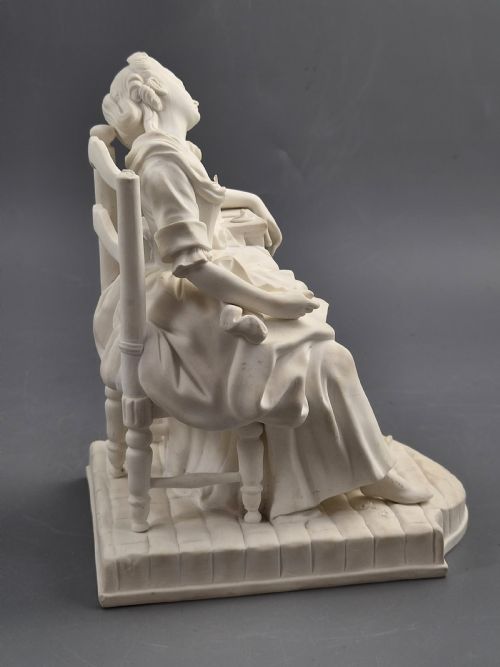
A biscuit porcelain figurine is an unglazed ceramic sculpture shaped into human figures, classical subjects, or domestic animals, designed for display on mantelpieces and parlour tables. When you search for a biscuit porcelain figurine, you encounter pieces spanning from the eighteenth-century Georgian era through the Victorian period into the early twentieth century.
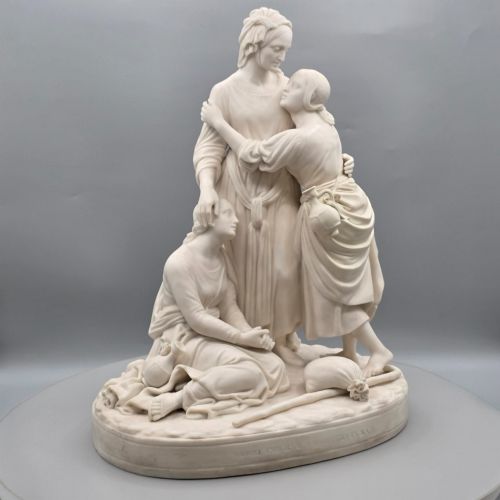
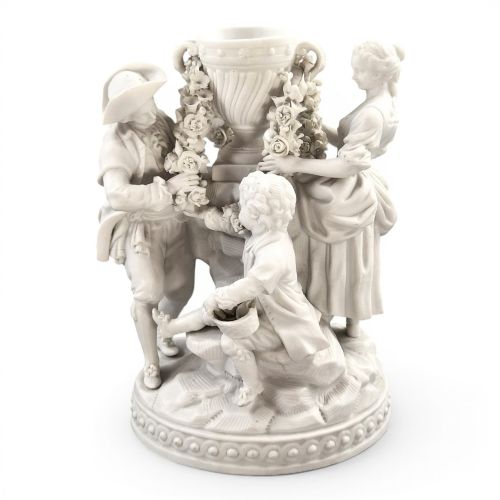
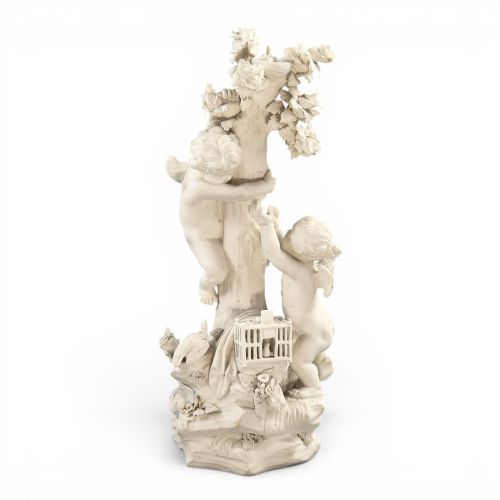
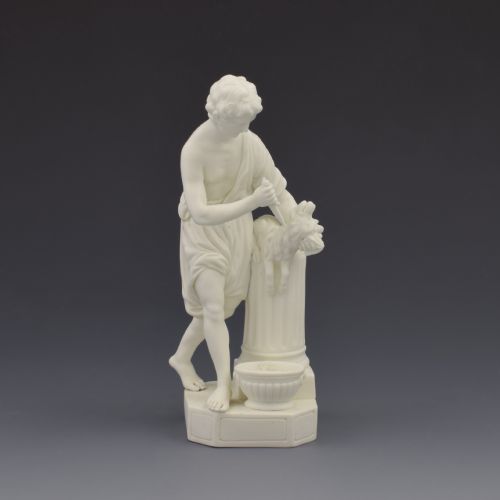
The most common examples on this page date from the nineteenth century, emerging from English and French factories in white, matte ceramic bodies. These nineteenth-century works often adopt neoclassical or romantic themes, depicting mythological figures, maidens, children, or pastoral groups.
Earlier Georgian specimens from factories such as Derby present a finer, drier biscuit paste modelled after classical statuary. Later Victorian and Edwardian interpretations range from monumental Royal Dux groups to smaller hand-painted German figures.
Manufacturing methods and materials
These figures are made from unglazed porcelain or parian ware, a specialised body developed in the nineteenth century to imitate carved marble. The ceramic mixture is fired once to create biscuit, or bisque, leaving the surface with a porous, matte texture rather than a glossy vitreous finish.
Biscuit Porcelain Figurine Retail Price Guide 2026
Typical asking prices for biscuit porcelain figurine among the pieces listed under this phrase on Sellingantiques today, from the lower quarter to the upper quarter. They describe what is for sale here now, not the wider market.
The selection includes neoclassical studies and romantic figural groups produced across England, France, and Germany.
Standards of quality and modelling
Quality in these figures rests upon the crispness of the modelling and the depth of the sculptor's relief. Superior examples retain sharp facial expressions and intricate folds in drapery that do not blur into the soft body during firing.
The choice of paste also dictates standard, with high-grade parian ware offering a convincing marble-like translucency, while lesser items present a chalky, flat opacity. Scale and ambition further separate standard decorative items from monumental sculptural groups produced by leading European factories.
Minton·Royal Dux·Vion & Baury·Ernst Bohne & Soehne
The Biscuit Porcelain Figurine Glossary
- Biscuit porcelain
- Unglazed ceramic fired once to a matte, porous finish. It resembles marble and allows fine sculptural detail to show without the distraction of a glossy glaze.
- Parian ware
- A fine-grained white porcelain developed in the nineteenth century specifically to imitate carved marble. Its composition allows it to mature at a lower heat than standard porcelain.
- Neoclassical
- A style inspired by classical Greek and Roman art that prioritises balance, restraint, and mythological subject matter. It dominates many nineteenth-century figural groups.
- Soft-paste porcelain
- An early ceramic compound containing glass frit and white clay, fired at lower temperatures than hard-paste. It yields a warmer, slightly creamy tone.
Biscuit Porcelain Figurine: Frequently Asked Questions
How do I clean biscuit porcelain?
Because the surface is unglazed and porous, it absorbs dust and oils easily, meaning standard wet wiping can stain the ceramic. Use a soft dry brush or a specialist dry sponge to lift grime gently from the crevices without moisture.
Avoid chemical detergents or soaking the piece entirely, as older pastes can absorb water and discolour. For stubborn marks, consult a professional conservator rather than attempting aggressive household cleaning.
What is the difference between bisque and parian?
Bisque refers generally to any unglazed porcelain body that has undergone its initial firing. It has a dry, matte texture found across European factories from the eighteenth century onward.
Parian is a specific nineteenth-century development engineered to mimic the dense, smooth appearance of carved marble. It contains a higher proportion of feldspar, which vitrifies slightly more than traditional biscuit during the kiln process.
Were these figures meant for display?
These sculptures were created as ornamental cabinet pieces, drawing room decorations, and centrepieces for wealthy Victorian and Georgian homes. Their delicate, unglazed surfaces meant they were handled sparingly and kept away from heavy kitchen or dining use.
Owners typically placed them on mantelpieces, pedestals, or within glazed display cabinets where guests could admire the fine sculptural detail at close quarters.
How do I date an unmarked piece?
Dating relies on stylistic clues, the weight and tone of the porcelain paste, and the nature of any incised model numbers or factory stamps. Eighteenth-century Georgian biscuit tends to be drier and lighter, whereas Victorian parian displays a heavier, marble-like density.
Costume details, hairstyles, and the specific neoclassical or romantic subject matter also help narrow the decade of production. Compare the modelling style to known factory catalogues when marks are absent.