
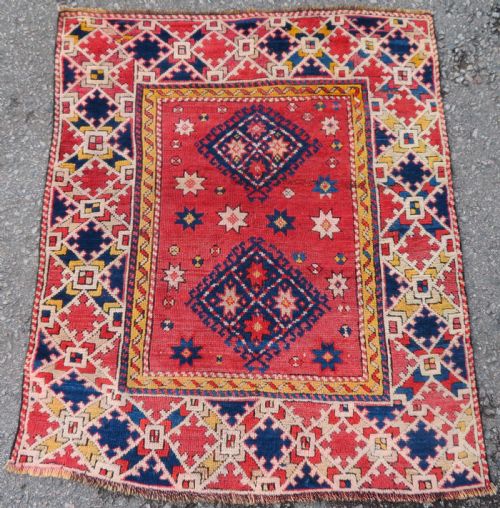
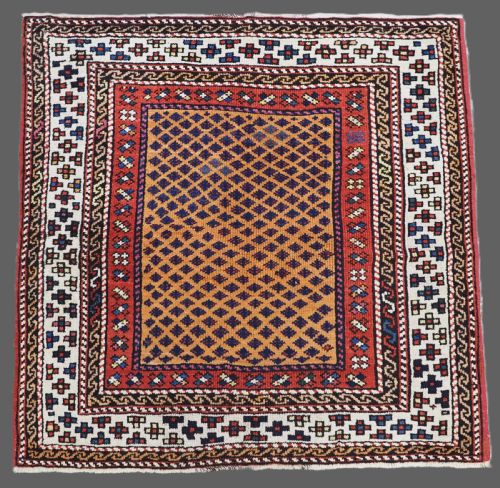


Bergama Wool Carpet
A bergama wool carpet brings genuine West Anatolian warmth and tribal character into a room.
Bergama Wool Carpet
A bergama wool carpet represents traditional weaving from the Bergama region of West Anatolia, encompassing formats from small square rugs to larger village carpets. When searching for a bergama wool carpet, buyers encounter pieces spanning the nineteenth century through the early twentieth century, including village prayer rugs and flatwoven kilims.
The designs draw upon local Anatolian tribal and Ottoman traditions, often displaying geometric lattices, classic motifs, or Holbein patterns. Village weavers produced these floor coverings using wool and cotton foundations, resulting in substantial textiles with deep historical ties to Turkish craft.
How They Were Made
Weavers utilised natural wool for the pile and structure, frequently combining it with cotton foundations for stability in both small formats and larger carpets. The construction methods reflect West Anatolian village traditions, such as flatweaving kilims in two parts or hand-knotting dense piles.
Dyes derived from local plant and mineral sources produced the characteristic colour palettes seen across these nineteenth and early twentieth-century pieces. The physical structure relies on sturdy wool yarns that withstand daily use while maintaining pliable textures.
Some village weavers split their kilims down the middle just to weave them on narrow looms before stitching them back together.
What Varies in Quality
The distinction between standard village pieces and finer examples lies in the precision of the geometric layout and the saturation of the natural dyes. Superior pieces demonstrate greater crispness in motifs like the lattice or prayer niche, alongside wool selection that yields a richer handle.
Structural integrity and the preservation of original borders also dictate where a piece sits within the range. Even rustic kilims and village rugs vary according to the clarity of the regional design execution and the depth of the palette.
The Bergama Wool Carpet Glossary
- Anatolian
- Pertaining to the region of Asia Minor encompassing modern Turkey, where historic village weaving flourished. This term covers traditional designs rooted in local culture.
- Kilim
- A flatwoven textile produced without a pile, often constructed in two parts by nomadic or village weavers in regions like Bergama. These pieces rely entirely on the interlacing of warp and weft threads.
- Prayer rug
- A textile featuring a Mihrab or niche design historically utilised for directional prayer. These smaller formats highlight specific West Anatolian village iconography.
- Holbein design
- A geometric pattern featuring octagonal medallions enclosed by strapwork borders, named after the Renaissance artist who painted them. Such historic motifs appear in larger village carpets from the area.
- Warp and weft
- The foundational threads of a carpet, where vertical warp strings support horizontal weft threads carrying the pile or flatweave design. Cotton and wool commonly serve these structural roles.
Bergama Wool Carpet: Frequently Asked Questions
How do I date an old Bergama carpet?
Dating relies on stylistic analysis, material examination, and structural characteristics typical of nineteenth and early twentieth-century West Anatolian production. Regional weaving traits and natural dye usage provide clear indicators of age.
Comparing geometric patterns and construction methods against documented village examples helps establish the likely decade of manufacture.
Are these rugs suitable for high-traffic areas?
Traditional village carpets utilise robust wool pile and sturdy foundations designed for everyday utility. Their durable construction handles standard domestic placement well.
Regular rotation and appropriate underlays help preserve the wool pile and structural integrity over years of use.
What is a Karakecili rug?
Karakecili pieces originate from specific tribal groups within the Bergama region, known for distinct rustic charm and traditional flatwoven or knotted techniques. These textiles often display ancestral motifs passed down through generations.
Collectors prize them for their unpretentious tribal character and direct link to nomadic Anatolian heritage.
How should I clean my wool carpet?
Gentle surface cleaning and professional specialist maintenance suited for antique textiles ensure the longevity of natural wool fibres and dyes. Harsh chemical treatments must be avoided entirely.
Periodic professional inspection keeps the wool supple and prevents premature wear to the foundation.