



Red Turkish Carpet
A red turkish carpet brings warmth and traditional motifs into a room, spanning centuries of regional weaving from village formats to large court designs.
Red Turkish Carpet
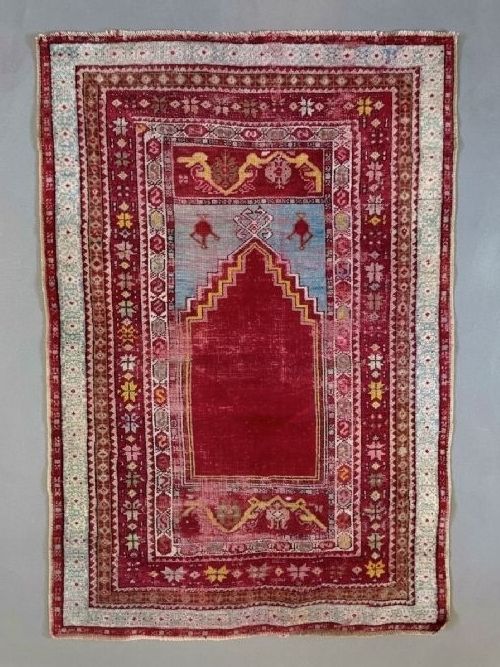
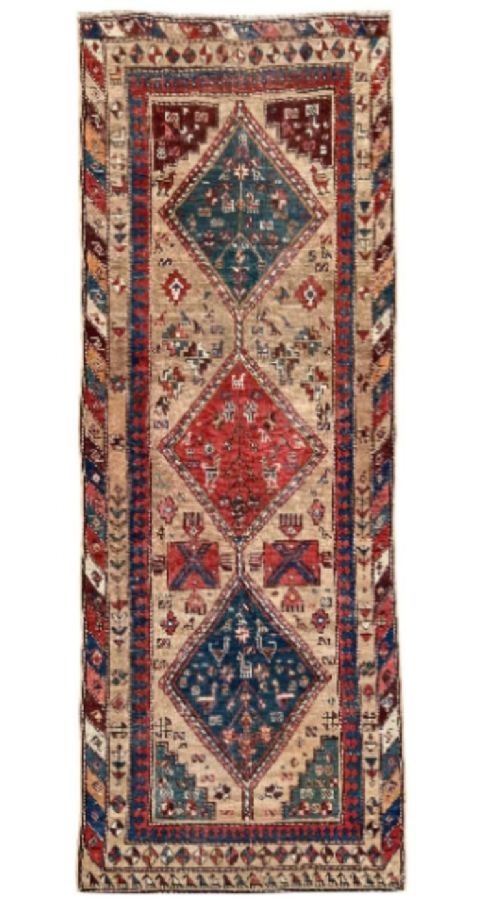
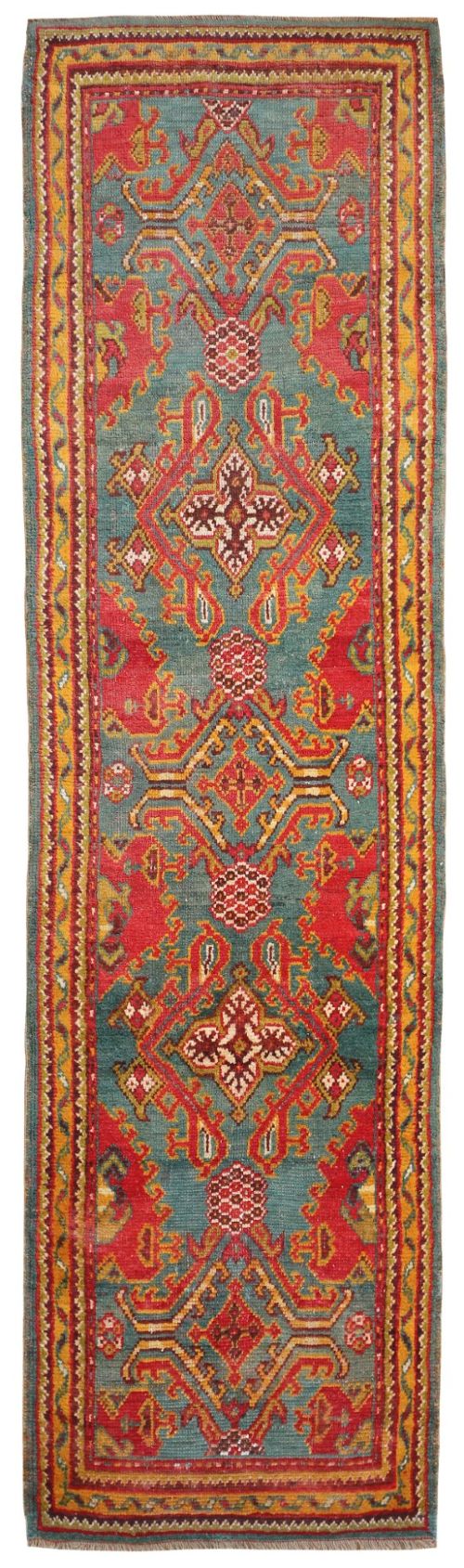
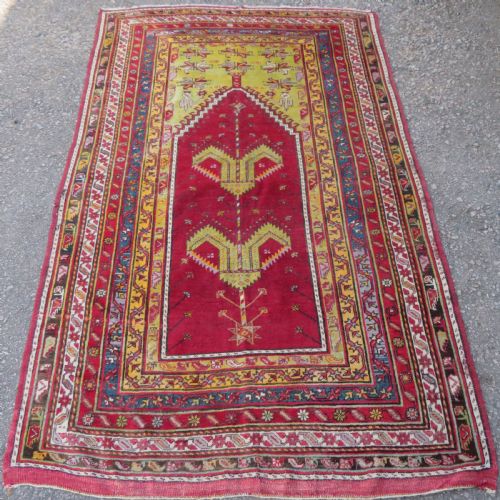
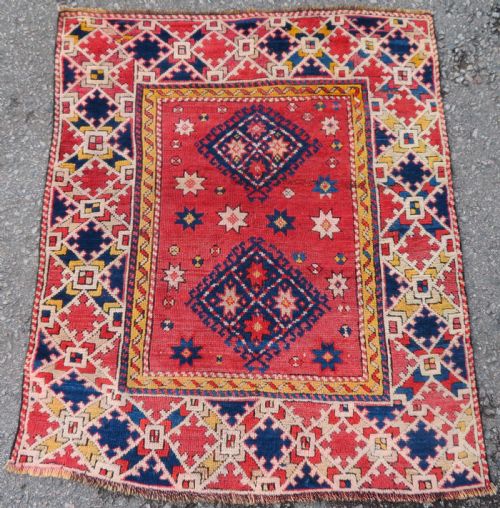
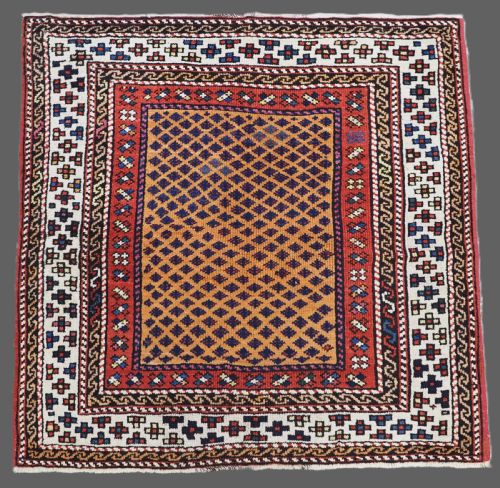
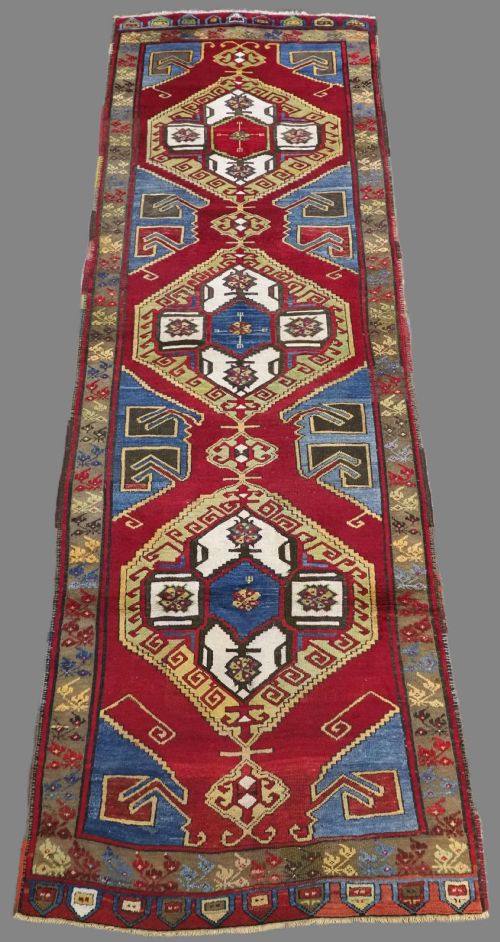
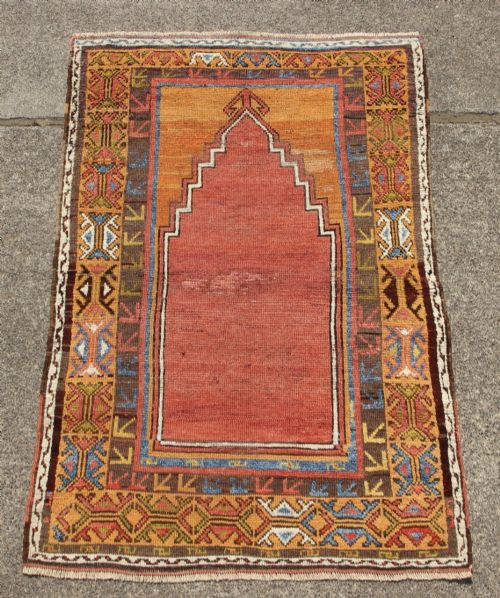
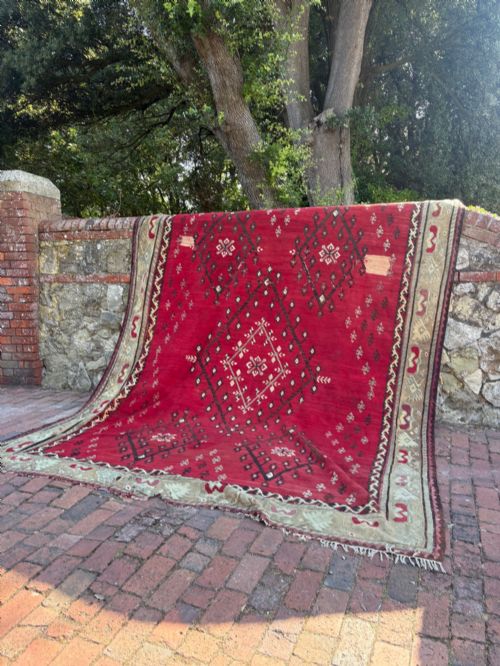
A red turkish carpet encompasses hand-woven floor coverings originating from Anatolian weaving centres and villages, often featuring rich red grounds combined with secondary hues. The selection ranges from compact prayer formats and runners to substantial area carpets woven in wool, cotton, or silk.
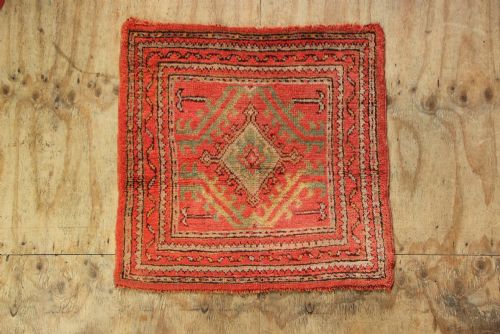
Buyers will frequently encounter nineteenth-century and early twentieth-century examples representing specific regional traditions such as Ushak, Konya, Bergama, and Melas. These pieces serve practical flooring roles while displaying the geometric and floral iconography typical of Ottoman and Anatolian craftsmanship.
How they were made
Weavers utilised natural dyes derived from plants and minerals to colour wool, cotton, and silk fibres before hand-knotting or flatweaving the textiles. Hand-spun wool and Angora wool provide the dense pile characteristic of durable village rugs, whilst foundation warps often employ sturdy cotton or wool.
Specialised regional techniques distinguish different formats, from the intricate pile work of prayer rugs to flatwoven kilims and half-kilim runners. Wooden looms supported the creation of these textiles, requiring careful positioning of each knot to secure the dense pictorial or medallion patterns.
Red Turkish Carpet Retail Price Guide 2026
Typical asking prices for red turkish carpet among the pieces listed under this phrase on Sellingantiques today, from the lower quarter to the upper quarter. They describe what is for sale here now, not the wider market.
Listings feature pieces spanning from the eighteenth century through to the 1930s, utilising wool, cotton, silk, and natural dyes.
What varies in quality
The density of the knotting and the fineness of the spun wool determine the structural integrity and longevity of the textile. Higher quality examples demonstrate precision in the execution of intricate geometric lattices or floral medallions, maintaining symmetry across the field.
The depth and brilliance of the natural dyes used for the red ground dictate the visual richness of the piece over time. Superior textiles show careful balance in the secondary palette, whereas lesser works may exhibit uneven dye saturation or less refined draughtsmanship in the border guards.
The Red Turkish Carpet Glossary
- Prayer rug
- A small format textile featuring a distinctive architectural niche or mihrab design, traditionally used for individual daily prayers.
- Kilim
- A flatwoven textile produced without a pile, utilising interlocked weft threads to create sharp geometric patterns.
- Medallion
- A central symmetrical ornamental motif placed in the field of a carpet, frequently found in Ushak and Konya designs.
- Natural dyes
- Colourants extracted from organic sources such as plants and insects, prized for their stable ageing characteristics.
- Warps
- The vertical threads stretched lengthwise on a loom that form the structural foundation of a knotted carpet.
Red Turkish Carpet: Frequently Asked Questions
How do I care for a vintage rug?
Regular gentle vacuuming without a beater bar removes surface dust before it settles into the wool pile. Professional cleaning by specialists in antique textiles ensures the natural fibres and dyes remain protected.
Rotating the rug periodically prevents uneven sun exposure and balances foot traffic across the surface. Placing a suitable underlay underneath stops slipping and reduces friction against hard flooring.
Where were these carpets made?
Production took place across various regions of Anatolia, encompassing urban manufactories, nomadic tribal camps, and agricultural villages. Towns such as Ushak, Konya, Kirsehir, and Bergama developed distinct regional aesthetics.
Local workshops passed down specific dye recipes and pattern repertoires through generations. This created the diverse array of village rugs and court carpets found today.
What is the difference between a rug and a carpet?
Terminology often depends on physical dimensions rather than structural differences in technique. Smaller formats intended for specific areas or prayer use are typically classified as rugs.
Larger room-sized floor coverings are generally designated as carpets. Both share the same hand-knotted or flatwoven construction methods using wool, cotton, or silk.
How can I tell regional styles apart?
Examining the specific geometry of the central medallions and the layout of the border guards reveals regional origins. For instance, Ushak pieces often display large floral motifs, whilst Konya and Kirsehir examples frequently feature prayer niches.
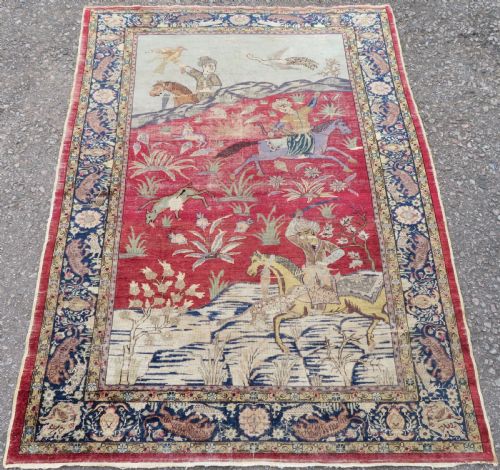
Palettes also offer clues, with certain villages favouring particular shades of red and contrasting secondary tones. The presence of specific animal or floral pictorial elements can further narrow down the provenance.