

Bedside Reading Desk
A bedside reading desk provides a dedicated surface for nocturnal study, most commonly appearing here as adjustable pine lecterns or table lamps from the Edwardian period and Victorian era.
Bedside Reading Desk
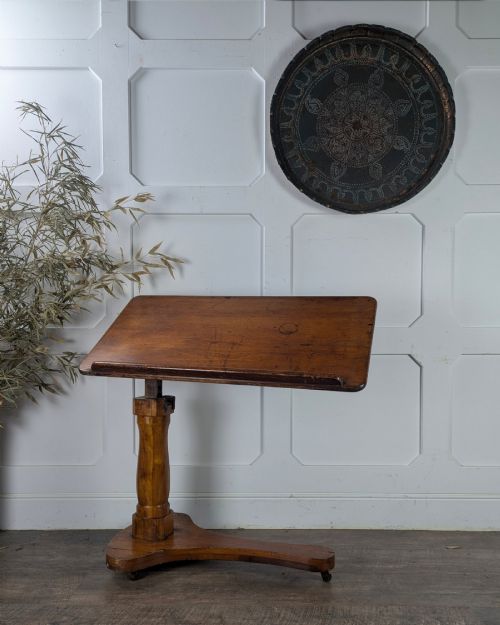
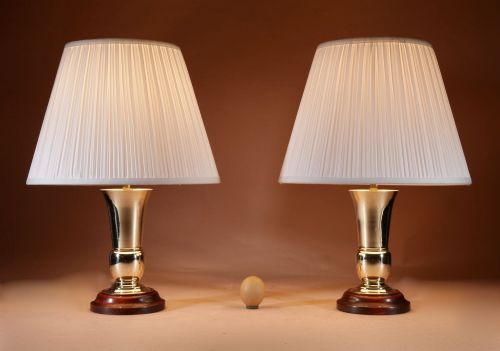
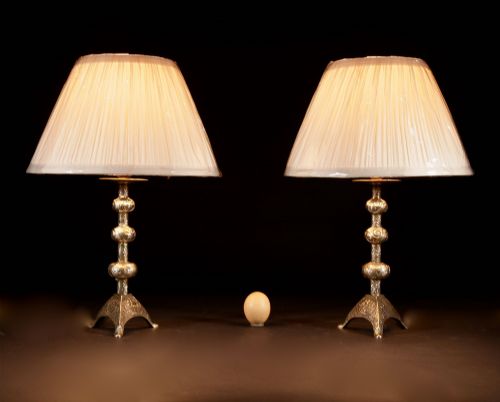
A bedside reading desk encompasses items designed to hold books or provide illumination for reading in domestic spaces. The selection includes adjustable pine reading tables and lecterns alongside numerous brass, silver-plated, and bronze table lamps.
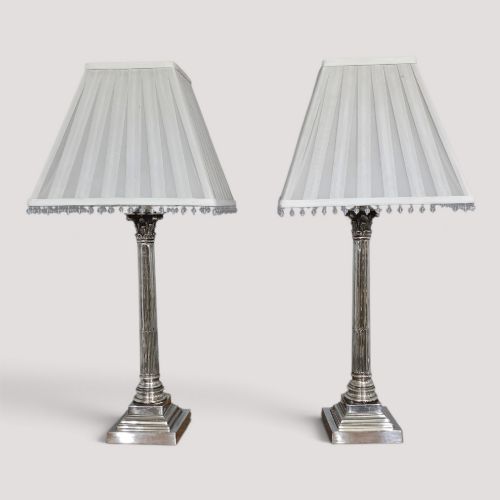
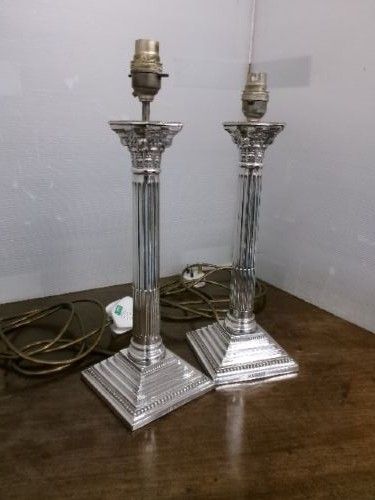
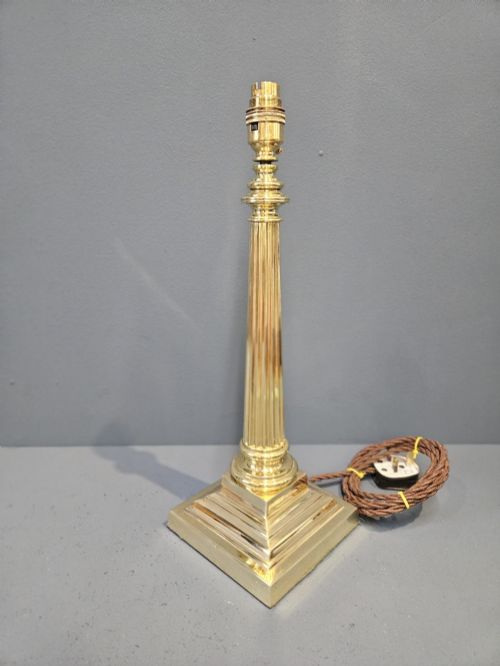
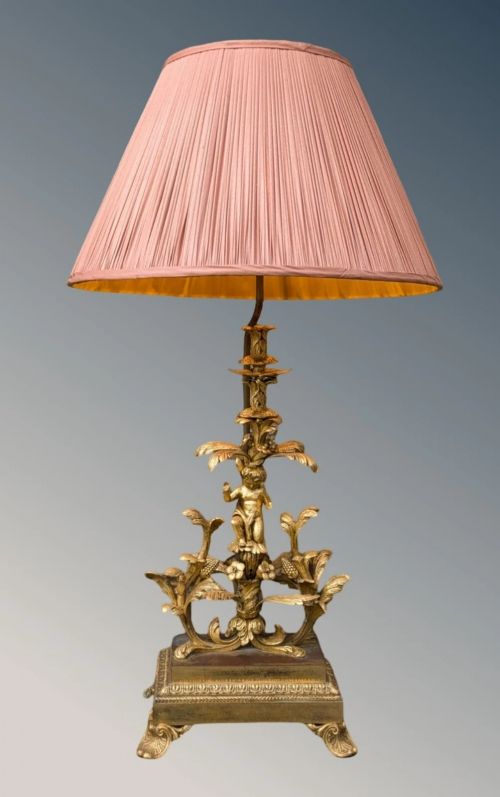
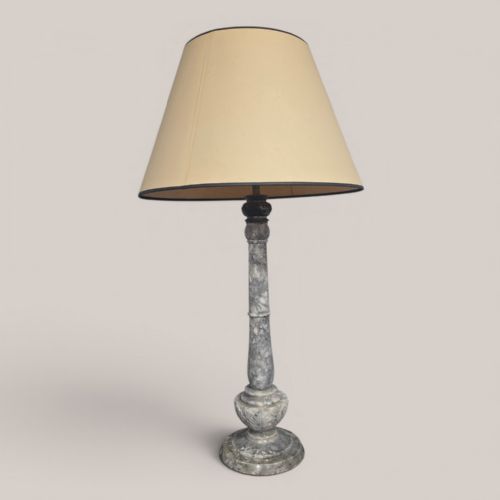
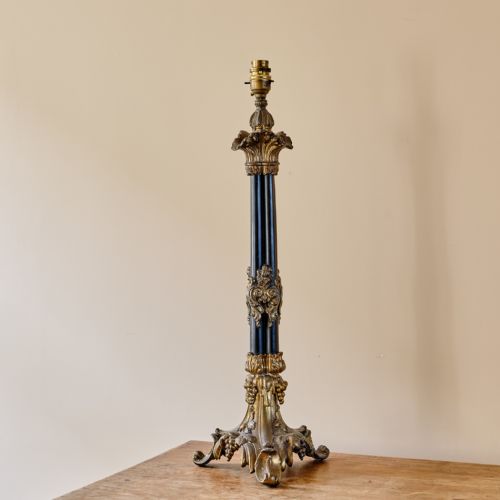
Most examples originate from the Victorian and Edwardian periods, stretching from the late nineteenth century through to the Art Deco nineteen-thirties. Buyers encounter columnar brass designs, Corinthian and Doric orders, and French styles executed in marble, onyx, and gilded metal.
Materials and Construction
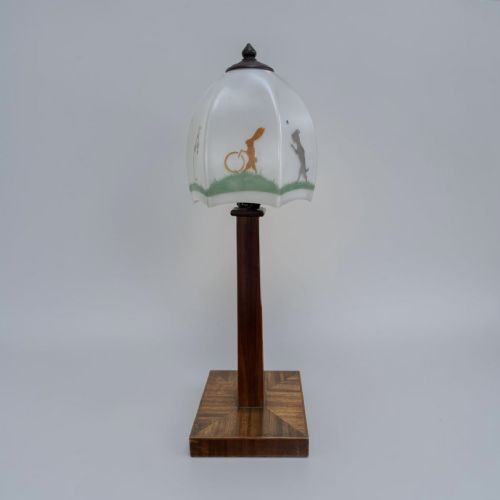
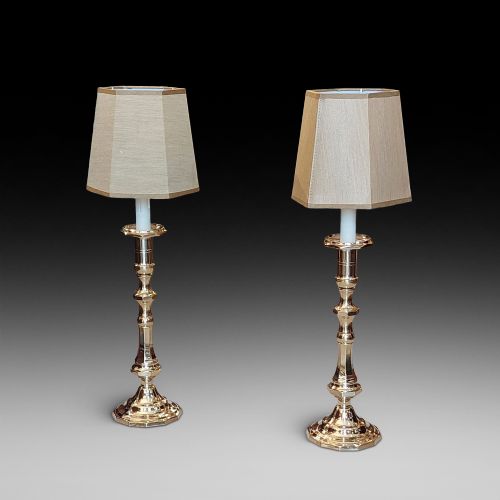
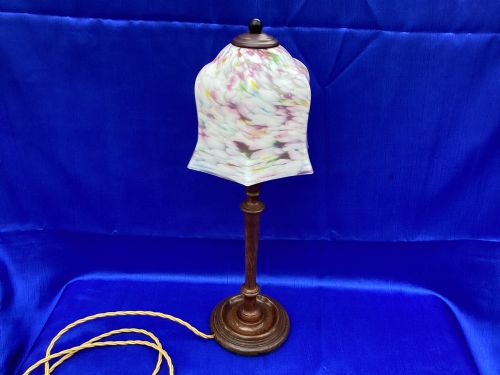
Makers utilised cast and spun brass, silver plate, and gilt bronze to construct structural lamp bodies and columns. Timber appears in pine reading tables and oak table lamps, whilst decorative accents incorporate marble, alabaster, opaline glass, and bakelite.
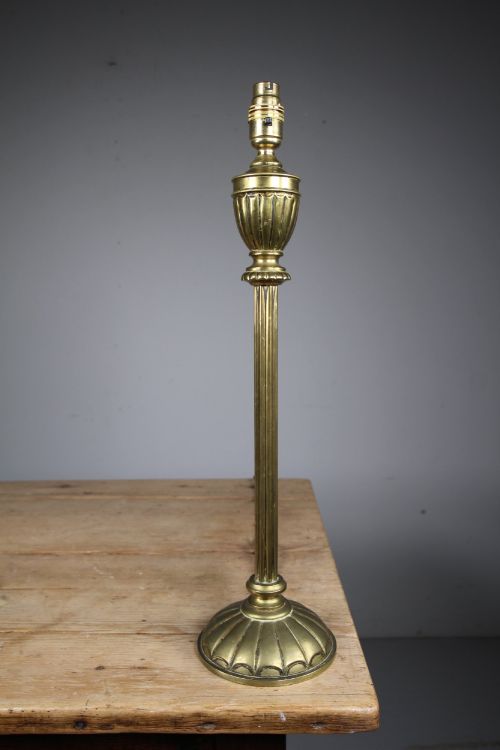
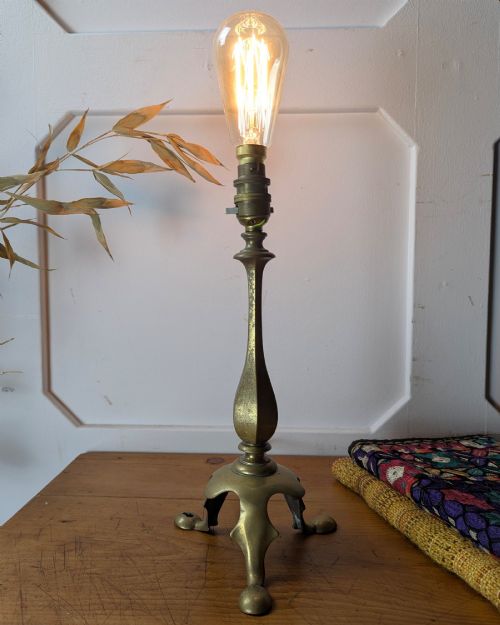
Metal components often feature reeded, barley twist, or hexagonal baluster turning. Electrical adaptations sit alongside adjustable mechanical joints designed to direct light or angle reading surfaces.
Swan neck joints allow brass desk lamps to peer downward like curious waterfowl.
Quality and Execution
The distinction between tiers rests upon the crispness of metalcasting, the weight of the bronze or brass base, and the integrity of applied gilding or silver plating. Fine examples display sharply defined fluting on classical columns and solid material heft rather than hollow lightness.
Design ambition separates standard production from exceptional pieces, particularly where recognisable makers or distinct artistic movements like Art Nouveau and Art Deco influence the silhouette.
WAS Benson·Faraday and Sons·Eileen Grey
The Bedside Reading Desk Glossary
- Lectern
- A slanted stand designed to hold a book at an angle for reading. Early twentieth-century versions often feature adjustable wooden mechanisms.
- Ormolu
- Gilded bronze, typically French in origin, used for decorative mounts and table lamp bases during the nineteenth century. The technique involves applying a mercury-gold amalgam to cast bronze.
- Corinthian column
- A classical architectural order featuring ornate capitals decorated with acanthus leaves, frequently adapted for nineteenth-century brass table lamps.
- EPNS
- Electroplated nickel silver, a common base material for silver-plated lamps produced from the Victorian period onwards. It offers the appearance of solid silver over a durable metal alloy.
Bedside Reading Desk: Frequently Asked Questions
What is a bedside reading desk?
A bedside reading desk serves as a functional support for books and lighting near a bed. The category covers adjustable wooden lecterns and reading tables.
These pieces prioritise utility and adjustable angles to suit evening reading habits in domestic interiors.
How do I date a brass reading lamp?
Dating relies on stylistic markers such as column orders, base weights, and switch types. Victorian and Edwardian pieces often employ heavy cast brass or silver plating.
Later nineteen-thirties examples introduce materials like bakelite and chrome alongside geometric Art Deco silhouettes.
Were these lamps originally electrified?
Many nineteenth-century examples began as candlesticks or oil lamps before undergoing later conversion to electricity. Rewired fittings are standard for safe modern use.
Original desk lamps from the early twentieth century occasionally retain period switches and braided flex.
How do I care for antique brass?
Maintenance requires soft dusting and avoiding aggressive commercial metal polishes that remove patination. Preserving the surface keeps the historical character intact.
Glass and marble components benefit from gentle wiping with a damp cloth without touching exposed wiring.