



Edwardian Reading Table
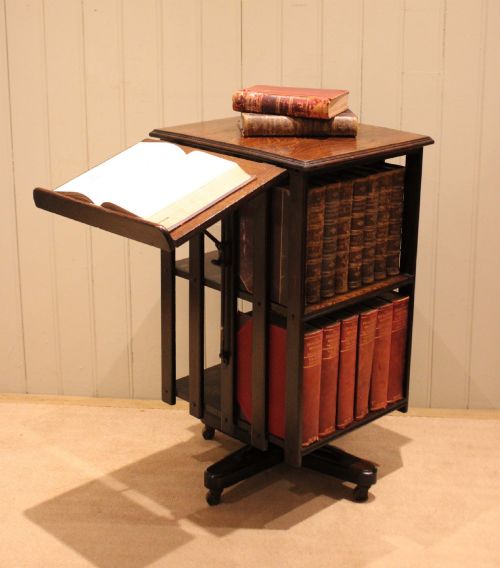
An edwardian reading table offers a practical surface designed for books and papers, shaped by the needs of early twentieth-century study and leisure.
Edwardian Reading Table
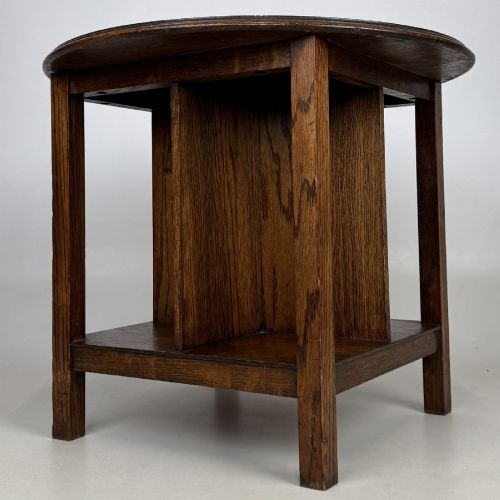
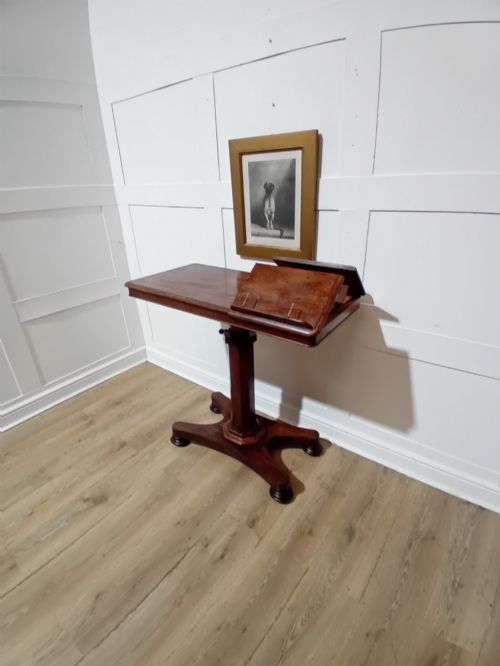
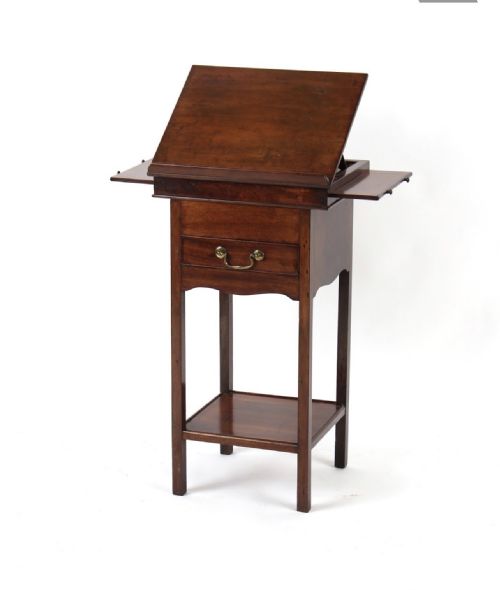
When searching for an edwardian reading table, a buyer finds specialised wooden furniture intended to hold volumes, sheet music, or writing materials at a convenient angle. The pieces appearing in these records span the Edwardian period alongside late Victorian and early twentieth-century examples.
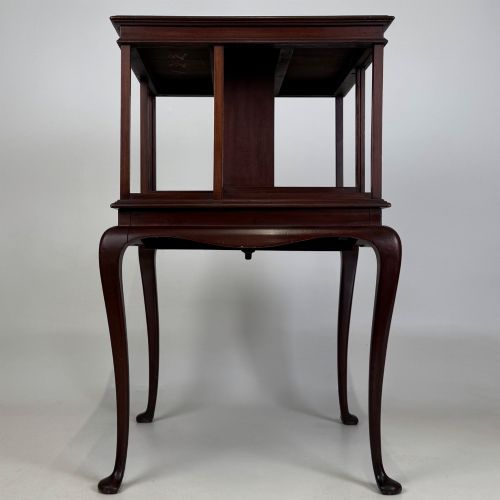
Mahogany and oak form the primary timbers of these stands, often paired with adjustable slopes or revolving book compartments. Forms range from dedicated bed tray tables and music lecterns to compact library chairside stands.
The most common formats on this page combine a sturdy timber base with a mechanism for altering the reading angle. These practical items reflect a period when domestic study required adaptable furniture.
How they were made
Cabinet makers utilised dense hardwoods such as mahogany and oak, selecting timber for grain pattern and structural resilience. Inlaid details occasionally enhance the primary mahogany surfaces.
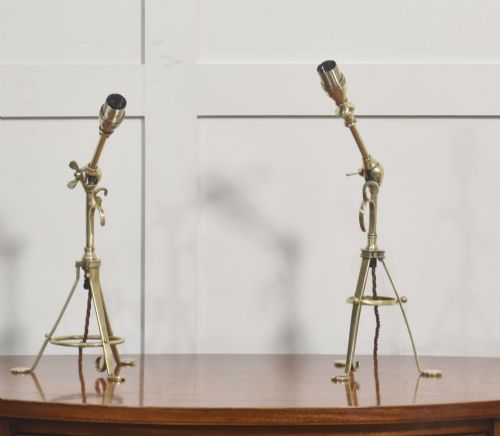
Metal components in brass and cast iron provide the adjustable framework for reading slopes and stands. These mechanical parts allow the writing surface or book rest to tilt and lock securely.
Edwardian Reading Table Retail Price Guide 2026
Typical asking prices for edwardian reading table among the pieces listed under this phrase on Sellingantiques today, from the lower quarter to the upper quarter. They describe what is for sale here now, not the wider market.
What varies in quality
The sophistication of the adjustable mechanism marks the distinction between standard production and superior examples. Smooth movement in the brass brackets and reliable locking action elevate the utility of a stand.
Timber selection and the presence of fine inlay work separate standard utilitarian pieces from exceptional furniture. Finer examples display careful attention to the grain of the mahogany or oak and precise joinery.
W.A.S. Benson·Foots Patent
The Edwardian Reading Table Glossary
- Lectern
- A stand with a sloping top designed to hold a book or music at a height for reading. These often feature adjustable heights or angles.
- Canterbury
- A low piece of furniture featuring partitions for holding sheet music, books, or magazines. Some variations incorporate an occasional table surface or reading slope.
- Revolving Bookcase
- A small tiered bookcase mounted on a swivel base to allow access to volumes from all sides. Oak and mahogany serve as the primary woods for this form.
- Inlay
- A decorative technique where contrasting materials are inserted into depressions in the wood surface. Edwardian makers frequently applied this to mahogany furniture.
Edwardian Reading Table: Frequently Asked Questions
What is an edwardian reading table used for?
These tables provide an adjustable surface for holding books, newspapers, or sheet music at a comfortable viewing angle. They were placed beside chairs or beds to support reading and writing in the study or library.
Many examples feature tilting mechanisms or folding ledges to keep volumes secure while open. Their portable nature allowed them to move easily about the room as needed.
How do I adjust the reading slope?
Adjustment mechanisms typically rely on a brass ratchet, folding arm, or central column screw. These allow the user to alter the pitch of the wooden surface according to preference.
Careful handling of the metal brackets ensures the moving parts remain aligned and functional. Older mechanisms operate best when kept clean and free from excess lubrication.
What woods are commonly found?
Mahogany and oak dominate the construction of these stands, chosen for their durability and attractive grain. Walnut also appears occasionally in related music and occasional tables from the era.
Cabinet makers often polished these timbers to a warm finish that highlighted the natural figure of the wood. Inlaid decoration in lighter woods sometimes complements the primary mahogany surfaces.