



Adjustable Height Table
An adjustable height table brings mechanical adaptability to period interiors, letting you alter surface levels for reading, writing or display.
Adjustable Height Table
An adjustable height table spans functional forms from the Georgian period through to the Edwardian era, uniting utility with period craftsmanship. When you search for an adjustable height table, you encounter reading tables, occasional tables, display stands, and architects tables designed to shift position as required.
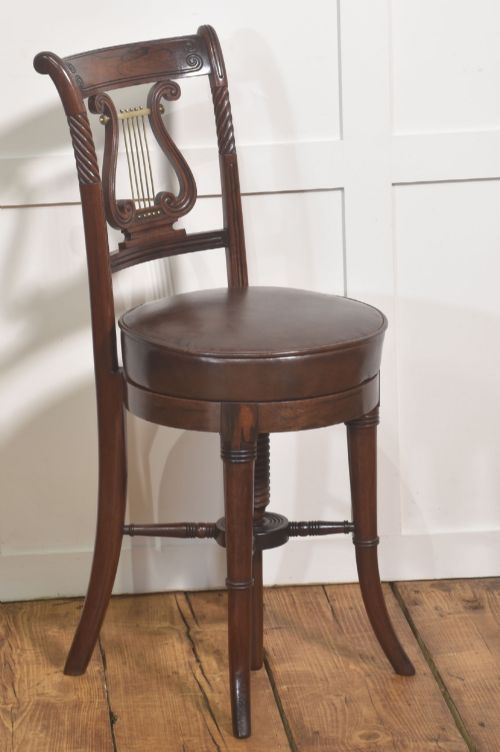
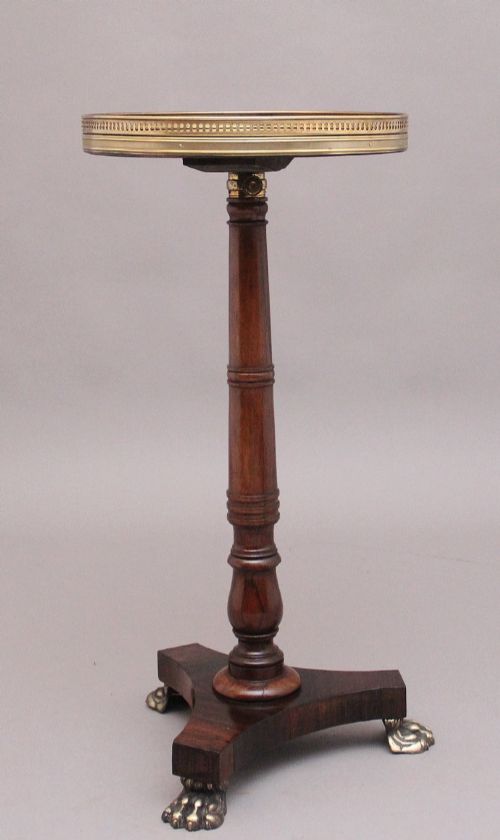
The Victorian period contributes robust mahogany reading tables and rosewood telescopic occasional pieces, alongside walnut piano stools and dressing chairs with rise and fall mechanisms. Edwardian examples maintain this tradition of mechanical versatility in mahogany forms, while earlier Georgian items include specialised architects tables and candlestands.
How they were made
Cabinet makers utilised dense timbers such as mahogany, walnut, rosewood, and pine, pairing them with brass and cast iron mechanisms to achieve smooth vertical movement. Telescopic shafts, screw threads, and ratchet supports allowed the upper surfaces or stands to rise and fall reliably.
Surfaces frequently feature leather inserts, polish finishes, or brass mounts, while heavier bases utilise cast iron to stabilize the raised upper sections. Joinery combines traditional cabinet construction with metal engineering for the adjustable components.
Adjustable Height Table Retail Price Guide 2026
Typical asking prices for adjustable height table among the pieces listed under this phrase on Sellingantiques today, from the lower quarter to the upper quarter. They describe what is for sale here now, not the wider market.
Listings feature items spanning the Georgian, Victorian, and Edwardian periods, utilising mahogany, walnut, rosewood, brass, and cast iron.
What varies in quality
The distinction between standard examples and superior pieces lies in the precision and complexity of the mechanical action, whether telescopic, ratchet, or screw-driven. Smooth operation without excessive play in the column marks a well-engineered piece.
Material selection and secondary timber choice also dictate quality, alongside the crispness of brass mounts, cast iron stability, and the preservation of original leather or polished wood surfaces.
Carter’s Patent·Tiffany Studios NYC
The Adjustable Height Table Glossary
- Telescopic
- A method of height adjustment where one tubular section slides inside another, often secured by a thumb screw or collar. This design allows smooth vertical elevation in candlesticks and occasional tables.
- Rise and fall
- A mechanical system utilising weights, ratchets, or screws to adjust the height of a seat, stand, or table top. It provides versatile positioning for piano stools and reading desks.
- Architects table
- A specialised form featuring an adjustable top that tilts and rises for drafting and drawing. These Georgian and later examples combine utility with fine cabinet work.
- Occasional table
- A small, movable table designed for specific, intermittent use rather than permanent placement. In adjustable formats, they serve as adaptable surfaces beside seating.
- Old Sheffield Plate
- A fused composite material of silver and copper produced before electroplating was invented. It appears on Georgian telescopic candlesticks.
Adjustable Height Table: Frequently Asked Questions
How do adjustable height tables work?
These pieces utilise internal telescopic tubes, screw mechanisms, or ratchet brackets concealed within the central column or base. Adjusting the height involves releasing a collar or turning a key to slide the surface to the desired level.
Once positioned, tightening the mechanism secures the upper section in place, allowing the table to function at varying elevations for reading or display.
What periods do these tables come from?
The selection spans from the Georgian era through the Victorian period and into the Edwardian years and early twentieth century. Each era brought distinct stylistic traits and mechanical improvements to the designs.
Georgian examples lean toward architects tables and candlestands, while Victorian and Edwardian workshops produced reading tables, dressing stools, and display stands.
How were reading tables used historically?
Reading tables and lecterns were placed beside armchairs or beds to hold heavy books, folios, or writing materials at a comfortable angle and height. The adjustable height and tilting surfaces accommodated the reader's posture.
Patent designs from makers like Carter catered specifically to invalids or studious readers requiring customizable positioning in a domestic library or parlour.
Are piano stools adjustable?
Yes, several Victorian piano stools feature rise and fall mechanisms that allowed musicians to alter their seating height at the keyboard. These incorporate walnut or mahogany frames with upholstered or leather tops.
Similar mechanical principles govern the dressing chairs and music stools from the nineteenth century, blending seating comfort with functional height adjustment.