


Vintage Wooden Lectern
A vintage wooden lectern brings architectural dignity to a room, holding open a heavy volume or supporting an adjustable reading surface with solid period craftsmanship.
Vintage Wooden Lectern
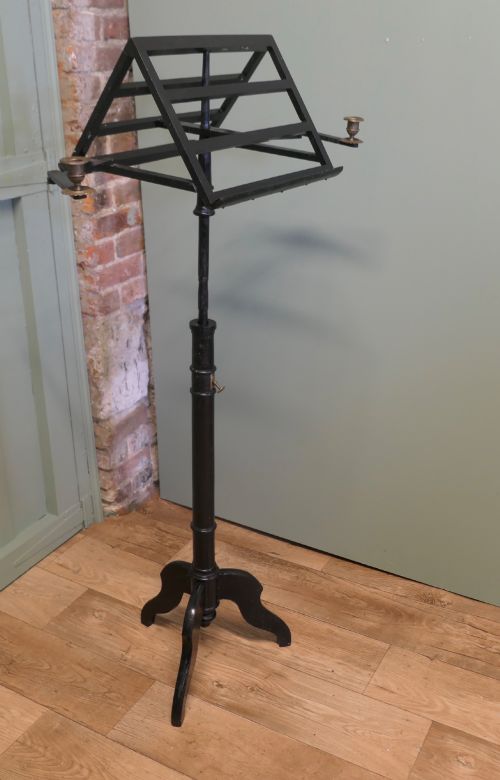
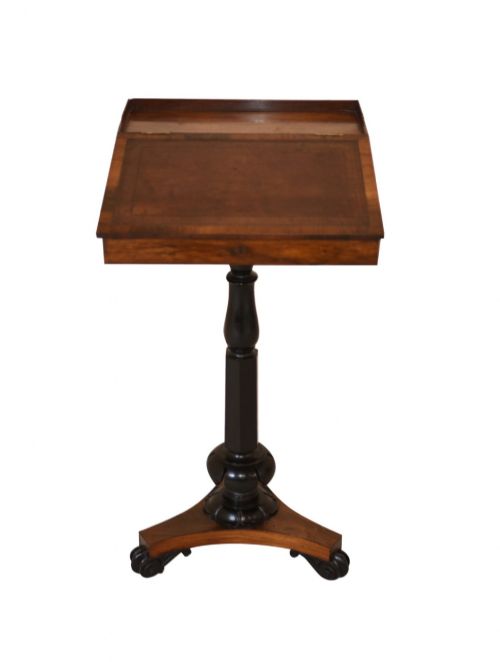
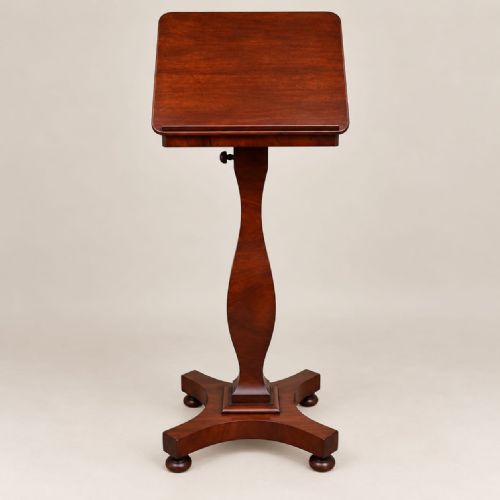
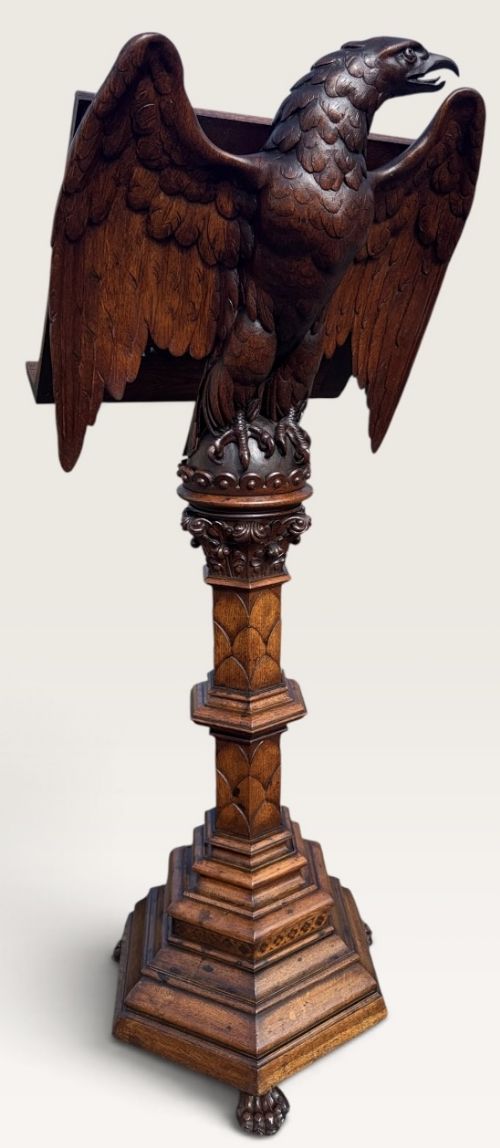
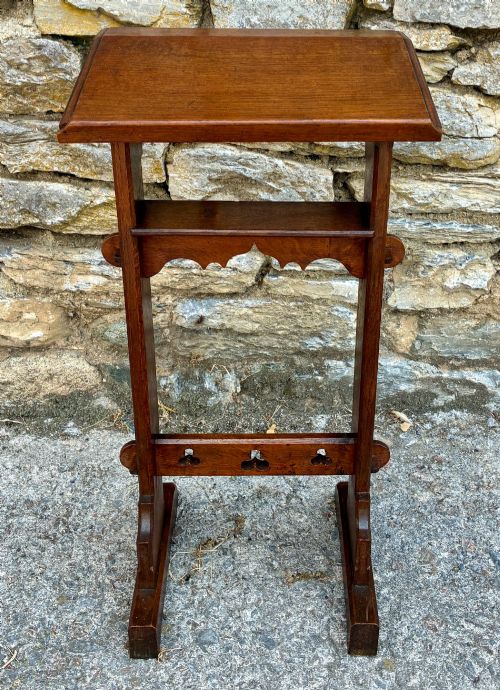
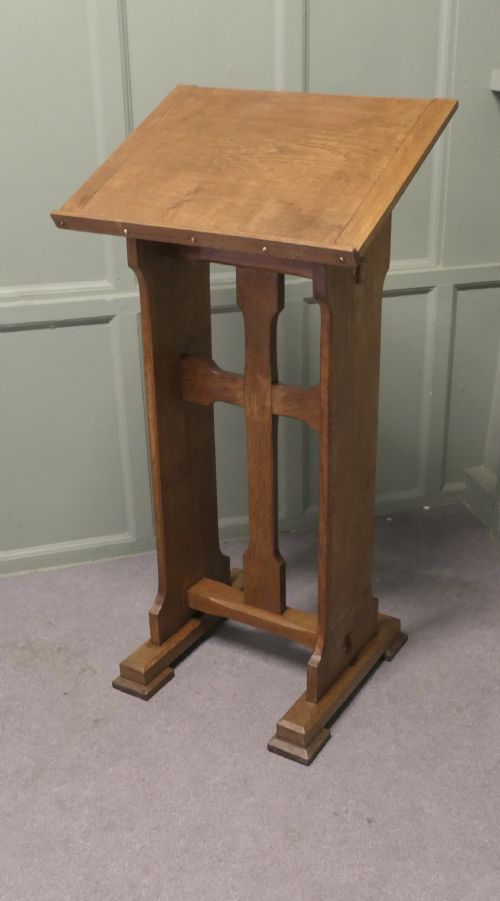
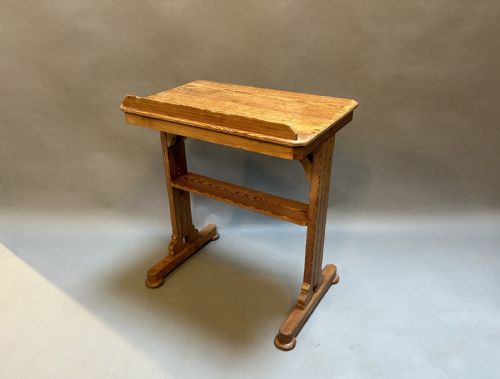
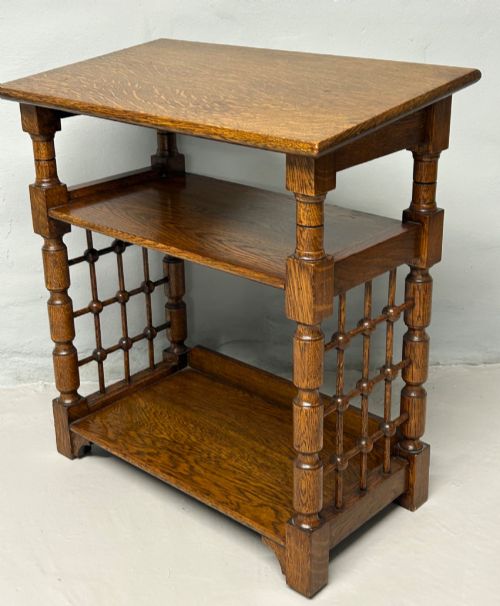
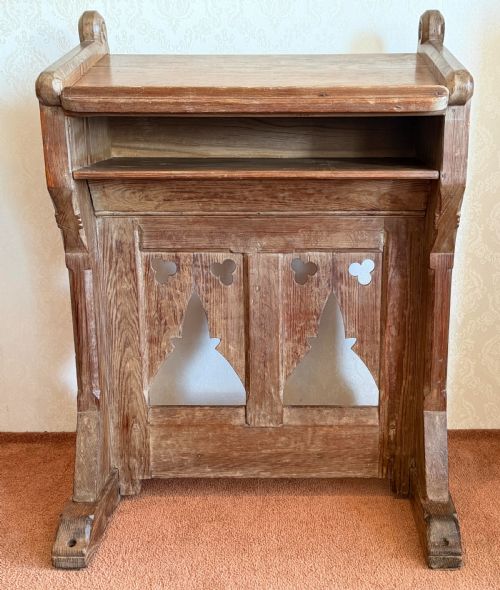
A vintage wooden lectern combines utilitarian function with period design, originating predominantly from Victorian, Edwardian, and early twentieth-century workshops. The pieces seen here span ecclesiastical prayer desks, adjustable reading stands, library furniture, and architectural podiums.
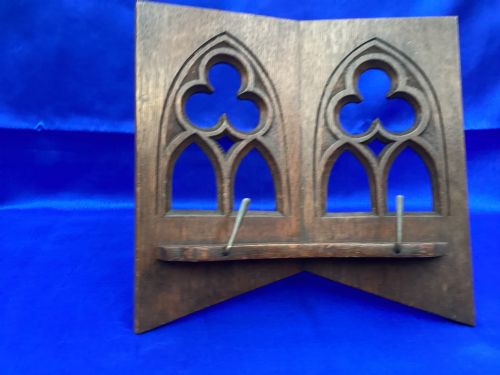
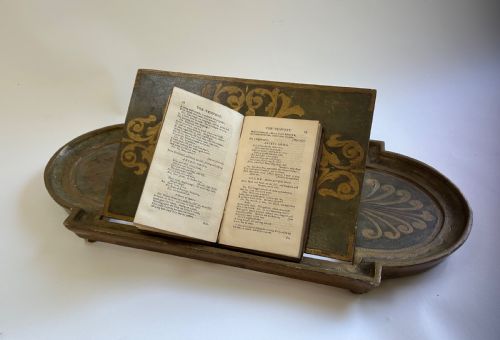
Buyers most frequently encounter solid oak and mahogany forms, ranging from small desktop book rests to large church pulpits and restaurant reception greeters. Styles stretch from Gothic Revival and Arts and Crafts austerity to refined Regency and Florentine decorative work.
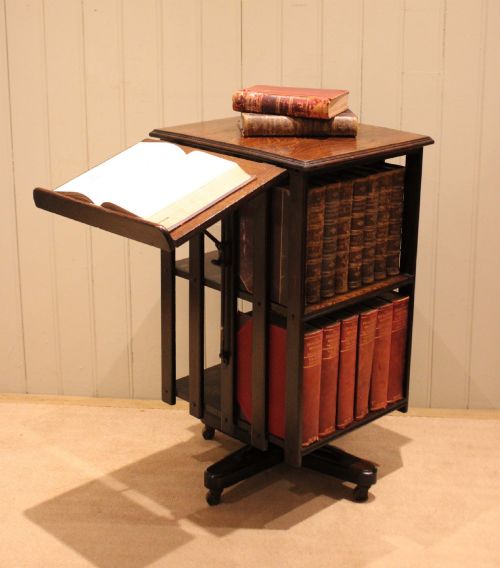
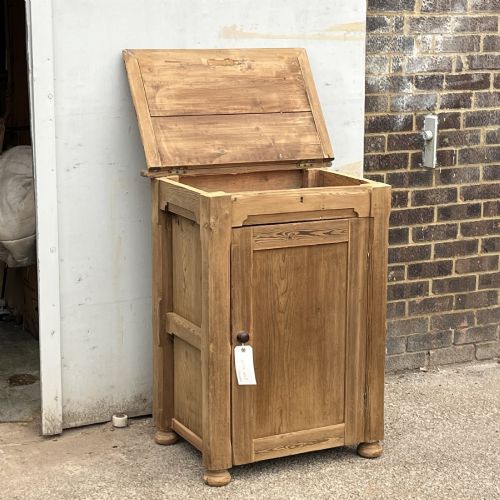
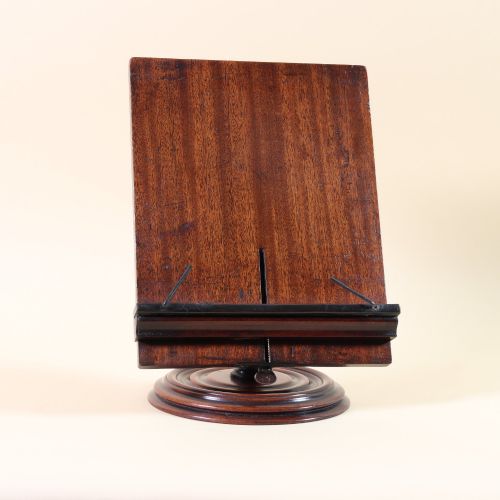
Form follows purpose closely across these pieces, with hinged slopes, folding book pedestals, and rotating mechanisms built to accommodate heavy folios, music scores, or bound volumes. Pine and walnut also appear, often paired with brass fittings or iron adjusters.
Materials and construction
Makers relied on dense hardwoods like oak and mahogany for structural integrity, shaping solid timber panels, turned shafts, and supportive book ledges by hand. Pine served for secondary framework or utility pieces, while walnut provided a finer grain for music stands.
Joinery techniques combined traditional mortise and tenon framing with functional brass hinges, ratchets, and screw mechanisms to allow height and angle adjustments. Decorative detailing relied on carved mouldings, inlaid mother of pearl, and brass-bound edges rather than applied veneer.
Vintage Wooden Lectern Retail Price Guide 2026
Typical asking prices for vintage wooden lectern among the pieces listed under this phrase on Sellingantiques today, from the lower quarter to the upper quarter. They describe what is for sale here now, not the wider market.
One determined Victorian scholar evidently required a mobile workstation, as evidenced by a cast iron adjustable bed table fitted out for reading on the move.
Assessing quality in period stands
Quality reveals itself in the weight and seasoning of the timber, the rigidity of the upright column, and the precision of the adjusting mechanism. Superior examples utilise heavy oak or figured mahogany that resists warping under load.
The sophistication of the mechanical adjustment separates standard utility pieces from finer library furniture. Smooth-operating brass ratchets, solid pivots, and well-fitted joints indicate a higher standard of original workshop production.
The Vintage Wooden Lectern Glossary
- Lectern
- A freestanding or desktop support with a sloped top designed to hold a book at a reading angle. These pieces serve ecclesiastical, scholarly, and domestic uses.
- Arts and Crafts
- A design movement prioritising visible construction, honest materials, and simple forms. Pieces from this style often feature golden oak and minimal ornamentation.
- Gothic Revival
- An architectural style influencing church and domestic furniture through pointed arches, heavy mouldings, and ecclesiastical motifs. Oak is the primary wood associated with this aesthetic.
- Duet stand
- A music stand or reading table wide enough to accommodate two musicians or readers sharing a single text. They frequently feature double adjustable desks.
- Ratchet adjustment
- A mechanical notched arm that secures a reading slope at various angles. This iron or brass hardware allows precise positioning of heavy volumes.
Vintage Wooden Lectern: Frequently Asked Questions
How do I adjust the reading slope?
Most period pieces use a metal ratchet support or a wooden peg system housed beneath the desktop. Lifting the slope engages the next notch to secure the desired angle.
Take care to support the weight of the book rest with one hand while adjusting the mechanism to protect older brass and iron fittings from strain.
Were these made for churches or homes?
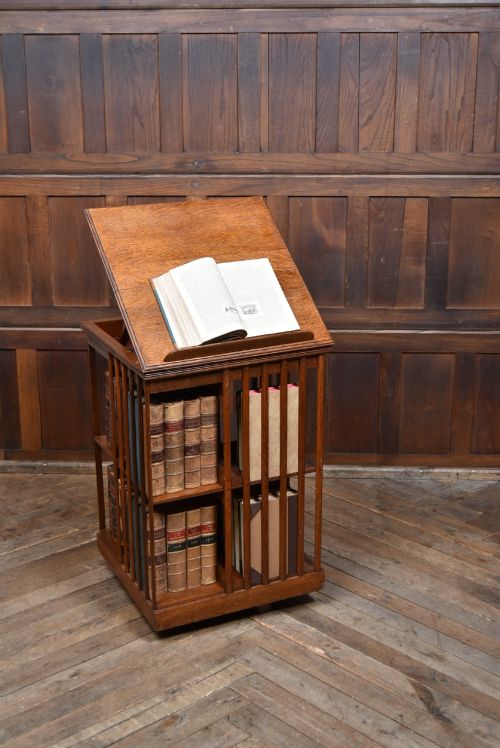
The inventory includes both ecclesiastical pieces, such as church prayer desks and pulpits, and secular items designed for libraries, studies, and music rooms. Domestic reading stands and revolving bookcases served personal scholarship and entertainment.
Ecclesiastical lecterns often feature heavier structural timbers and religious carving, whereas library tables prioritise adjustable reading surfaces and mobility.
How do I care for antique oak?
Feed the timber periodically with a quality beeswax to maintain the moisture and natural lustre of the grain. Avoid placing wooden stands in direct sunlight or near heat sources that cause the wood to dry and split.
Dust regularly with a soft cloth and check brass fittings for stability without over-tightening historical screws.