


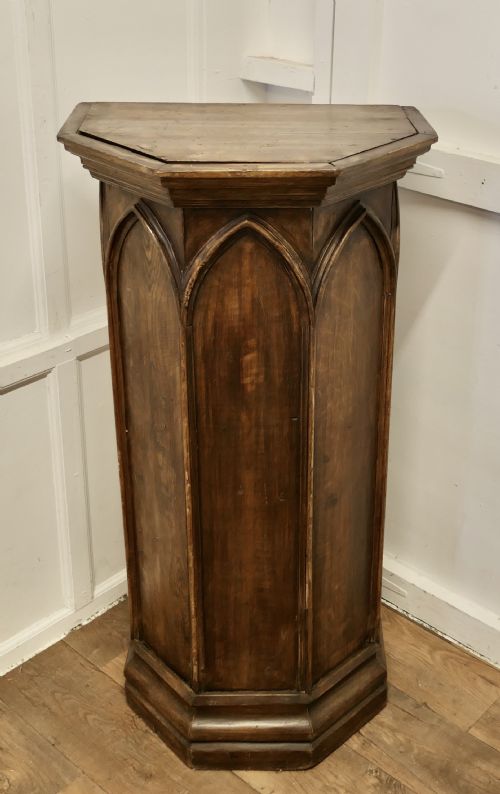


Standing Book Podium
These standing book podium pieces offer dedicated height for reading and presentation, uniting practical utility with period craftsmanship.
Standing Book Podium
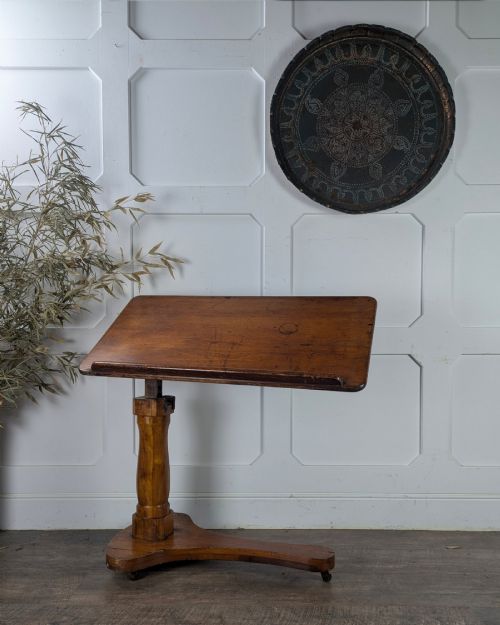
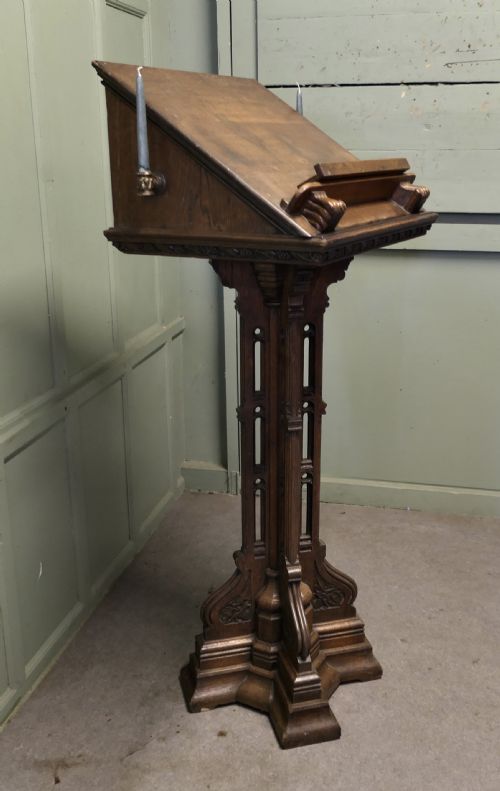
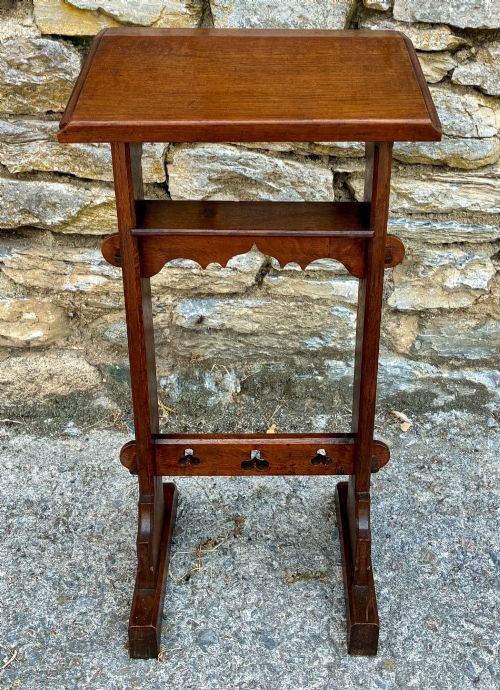
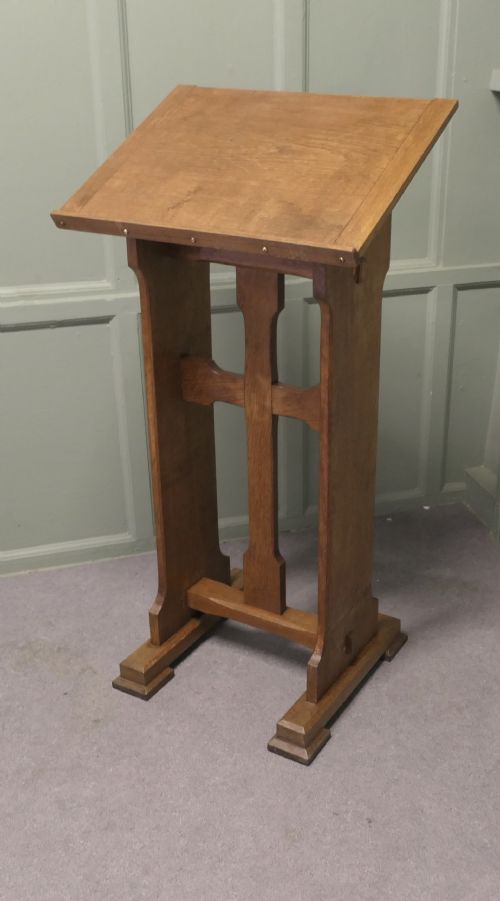
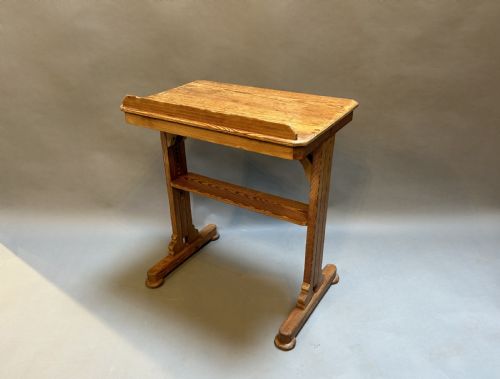
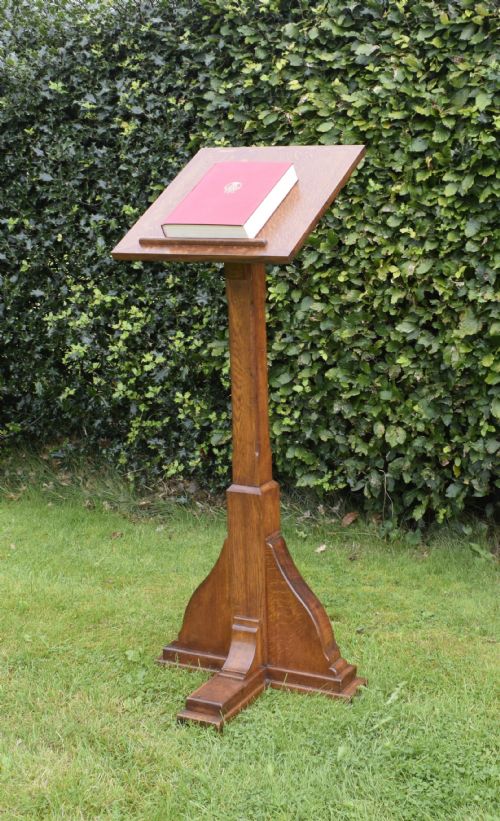
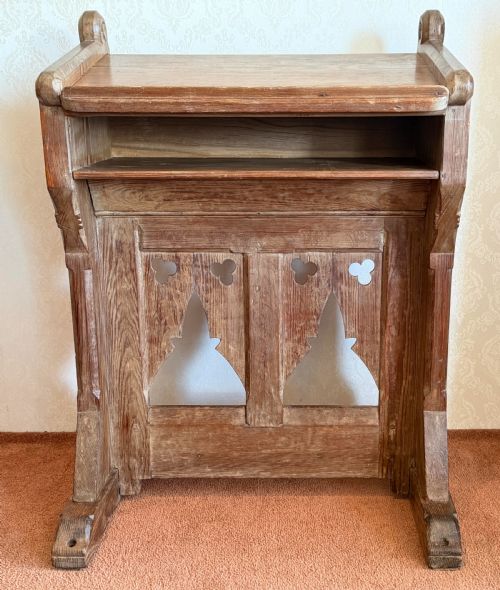
A standing book podium serves as an elevated support for reading, holding texts, menus, or greeting materials at a comfortable height. These items appear across various styles, including Gothic Revival, Arts and Crafts, Victorian, and Edwardian designs.
Buyers encounter pieces intended for ecclesiastical use, domestic reading, and hospitality settings. Each variation adapts the core function of supporting a book or document to a specific interior context.
Materials and construction
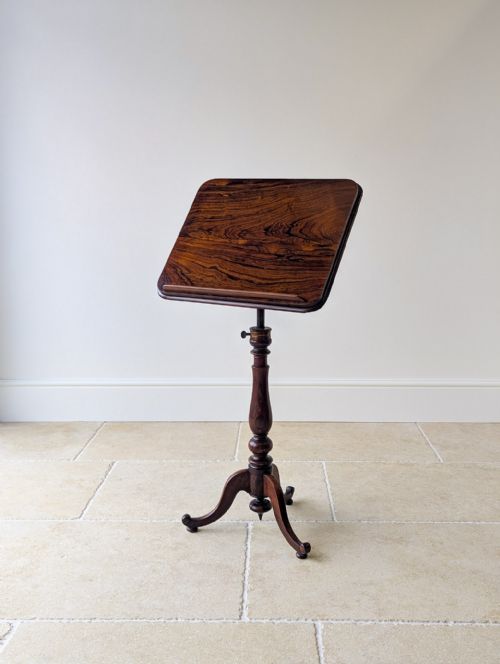
Makers utilised solid timbers such as oak, pine, mahogany, and rosewood to build the structural framework of these stands. Oak and pine appear frequently, often fashioned into carved lecterns or simple reading tables.
Metal components, including brass, cast iron, and iron, provide adjustment mechanisms and structural support. Combinations of wood and metal enable adjustable book rests and pivoting surfaces on select music stands and reading desks.
One exceptional mahogany piece includes a marine-themed design with an adjustable book rest.
Judging quality and execution
Quality in a standing book podium rests upon the integrity of the timber selection and the precision of the joinery. Finely carved details, such as those found on nineteenth-century oak eagle lecterns or Gothic revival pieces, demonstrate superior sculptural skill.
The sophistication of the adjustment mechanisms separates standard utility pieces from more complex examples. Fully adjustable brackets, robust brass hinges, and stable weighted bases indicate higher standards of original manufacture.
The Standing Book Podium Glossary
- Lectern
- A tall stand with a sloping top designed to hold a book or text for a speaker at the correct height. These often feature adjustable ledges to keep volumes secure.
- Gothic Revival
- An architectural and decorative style drawing inspiration from medieval forms, characterised by pointed arches and heavy carving. Pieces from this movement often utilise dark oak.
- Arts and Crafts
- A design movement prioritising traditional craftsmanship, visible construction, and simple forms. Golden oak and unpretentious surfaces frequently define objects from this period.
- Adjustable
- A mechanical feature allowing the height or angle of the book rest to alter for the user. These mechanisms often incorporate brass fittings or iron ratchets.
Standing Book Podium: Frequently Asked Questions
What were standing book podiums used for?
These pieces served primarily to hold texts at an elevated height for reading or public address. Churches utilised them for scripture, while domestic spaces and hospitality venues used them for reading stands or reception greeters.
Over time, their roles expanded to include music stands and restaurant menu displays. The adjustable design allowed users to stand or sit comfortably while engaging with the material.
How do I identify a Victorian podium?
Victorian examples often display heavier ornamentation, darker timber choices like rosewood or mahogany, and historic revival motifs. Carved elements and formal proportions typically characterise items from this extensive nineteenth-century era.
Makers during this time frequently incorporated mechanical adjustments using brass or iron. Examining the timber age and joint construction helps confirm the period of manufacture.
Where do I place a podium at home?
A standing book podium fits well in studies, libraries, or living rooms as a functional display piece for large volumes or art books. Its vertical orientation occupies minimal floor space while creating a distinct focal point.
They also function effectively as occasional tables or music stands in communal rooms. Positioning them away from direct heat sources protects the antique timber.
What is an Arts and Crafts podium?
An Arts and Crafts podium emphasises honest construction and the natural grain of golden oak. These pieces reject excessive machine ornamentation in favour of solid joinery and straightforward utility.
They often appear in domestic or institutional settings from the late nineteenth and early twentieth centuries. Their understated aesthetic complements both period and modern interiors.