


Wooden Bible Stand
A wooden bible stand holds heavy texts at a comfortable reading angle, bringing solid oak and pine craftsmanship into your home.
Wooden Bible Stand
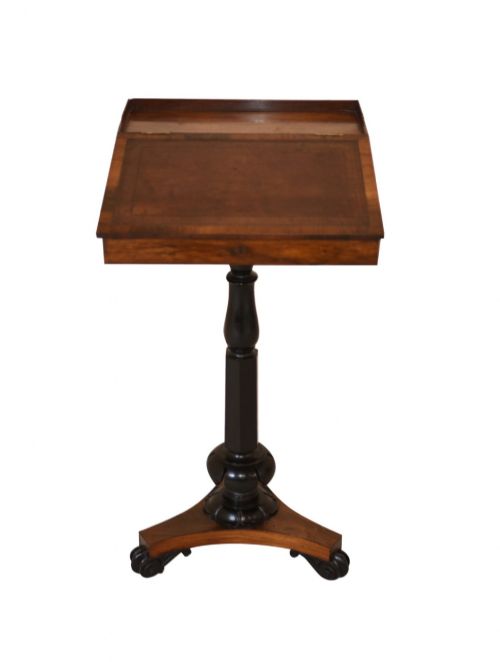
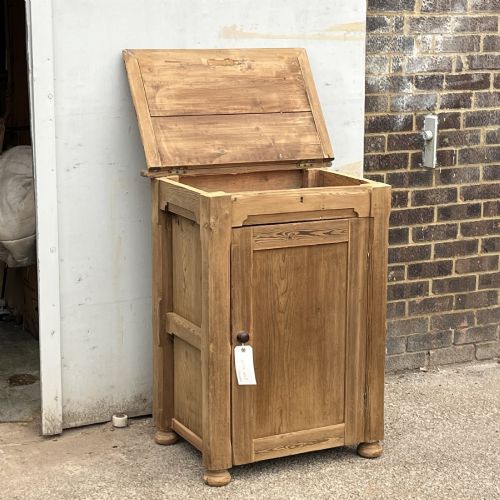
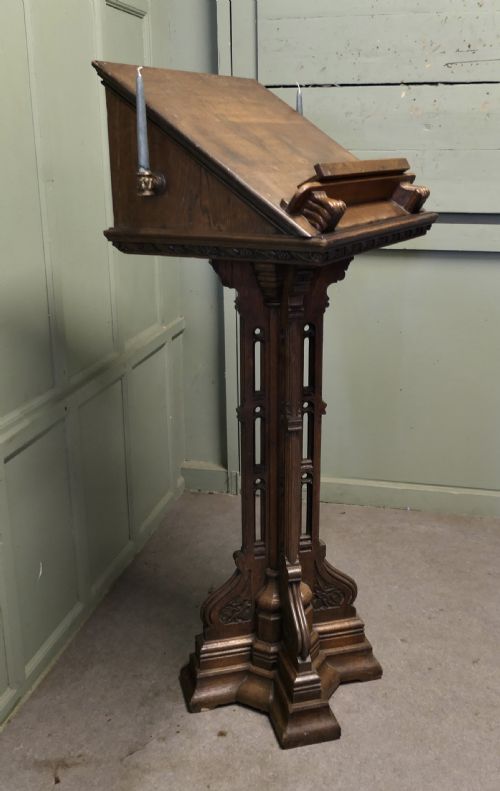
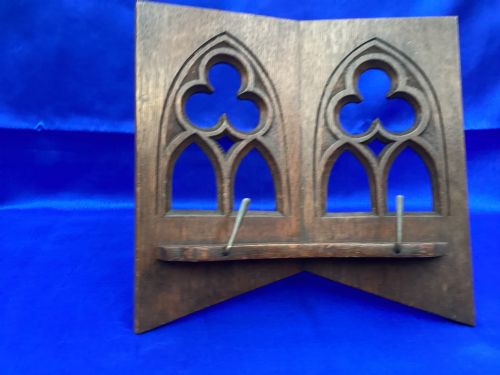
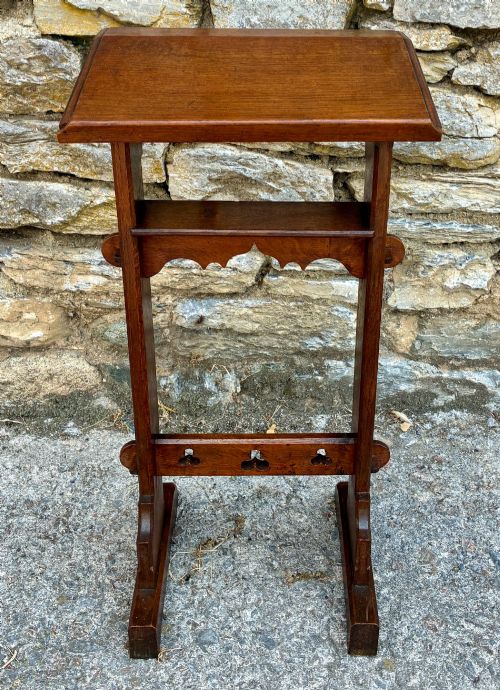
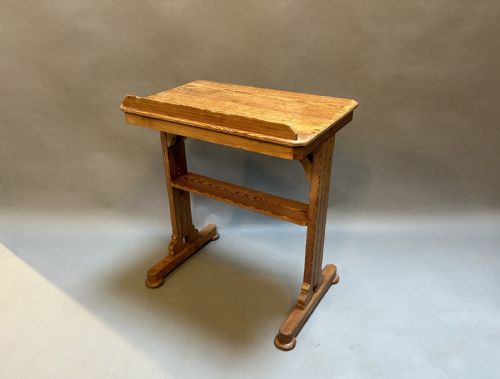
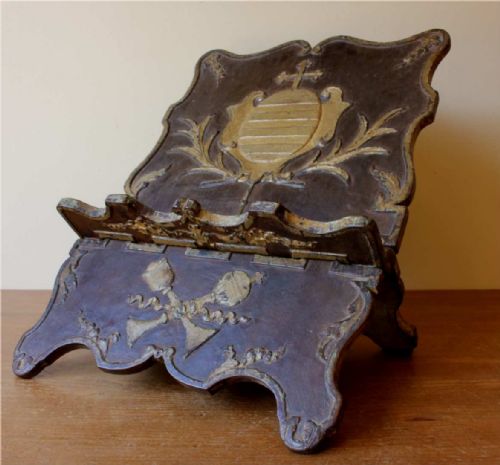
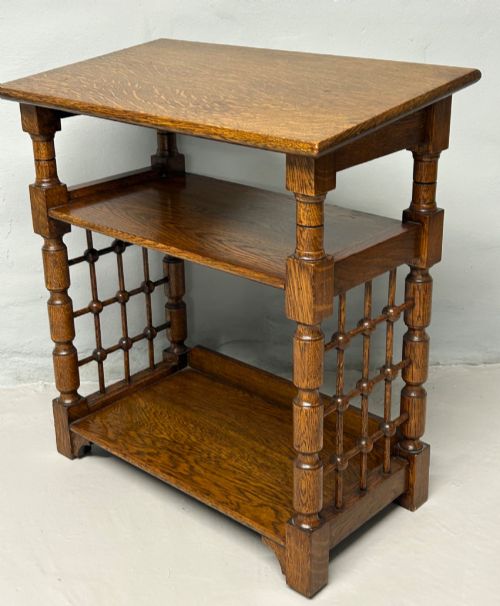
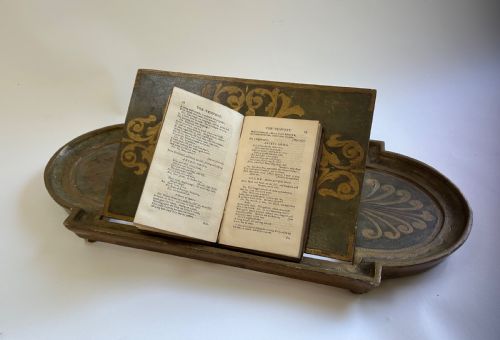
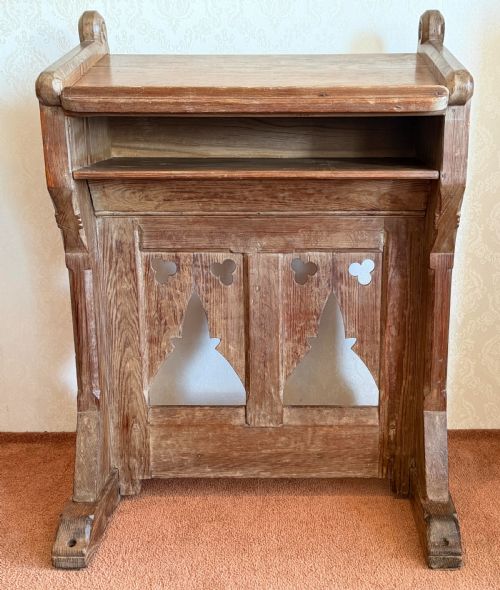
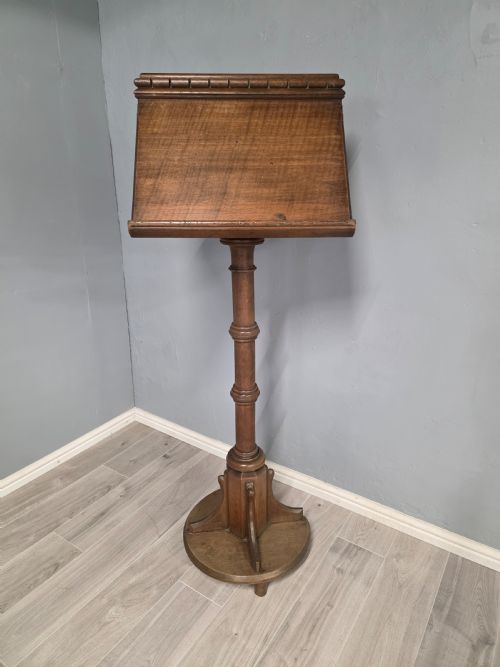
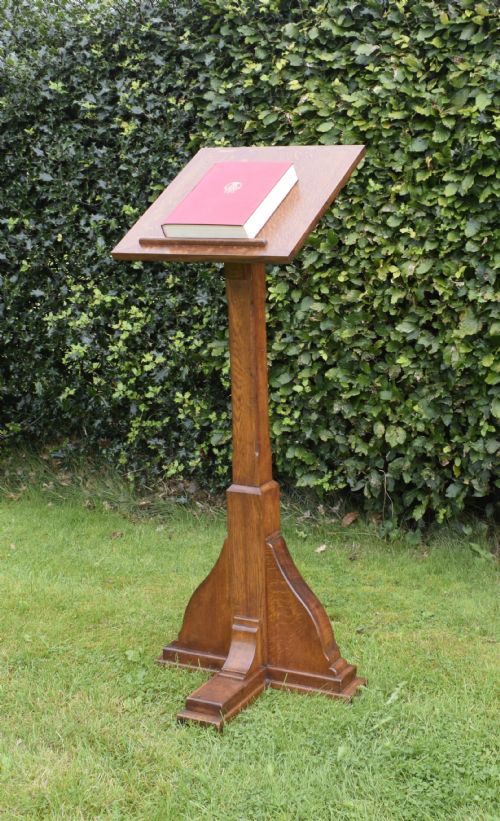
A wooden bible stand serves primarily as a reading desk, lectern, or podium, designed to support large volumes with a sloping rest. You will encounter church lecterns, folding book stands, and small table models frequently on this page.
The pieces span several centuries, with the nineteenth century and the Edwardian era providing the bulk of the examples. Oak predominates as the material of choice, often accompanied by pine, brass, and occasional gilt touches.
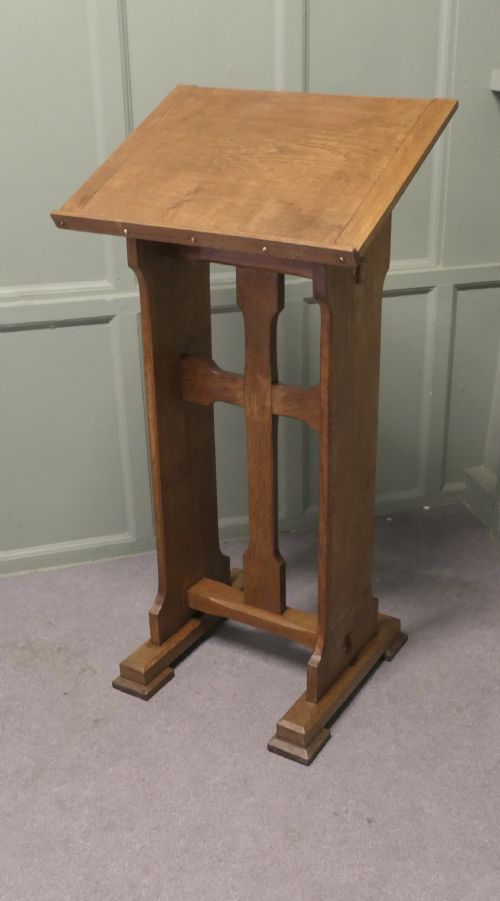
Stylistic influences range from Gothic Revival and Arts and Crafts to Baroque and Florentine designs. Some examples double as restaurant reception greeters or scholar reading pedestals, showing varied utilitarian histories.
Assessing quality and execution
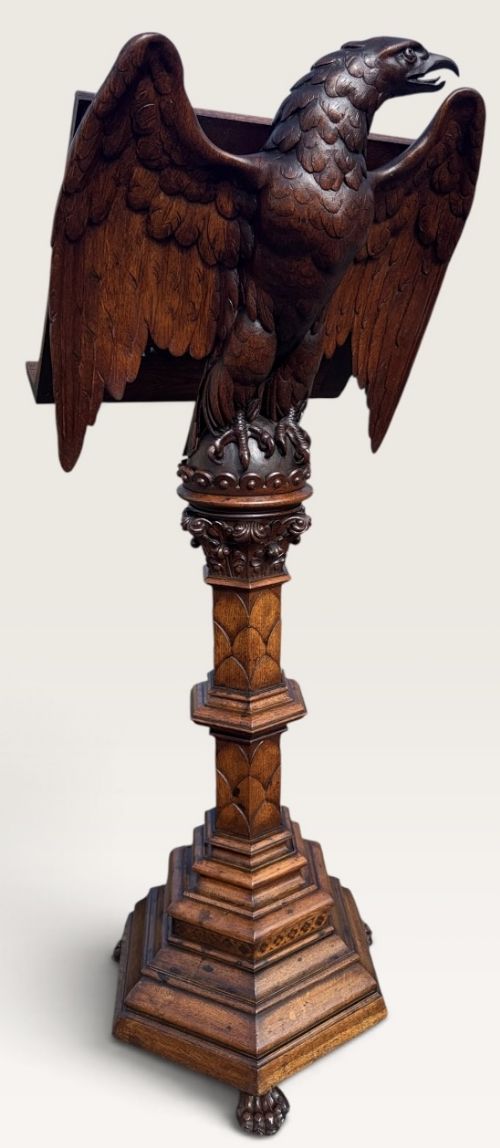
The depth and clarity of hand-carving separate standard utility pieces from exceptional sculptural works. Crisp detailing on figural supports, such as eagle feathers or architectural Gothic tracery, marks superior craftsmanship.
Timber selection and structural integrity dictate the grade of a stand, with dense, figured oak outlasting softer pine alternatives. The smoothness of folding mechanisms and the quality of integrated brass work further distinguish finer examples.
Wooden Bible Stand Retail Price Guide 2026
Typical asking prices for wooden bible stand among the pieces listed under this phrase on Sellingantiques today, from the lower quarter to the upper quarter. They describe what is for sale here now, not the wider market.
Several listings feature carved wooden eagles with outstretched wings ready to support your reading material.
The Wooden Bible Stand Glossary
- Lectern
- A tall stand with a slanted top designed to hold a book for a standing reader. These often feature enclosed podium bases or slender columns.
- Gothic Revival
- An architectural and decorative style drawing inspiration from medieval design. Pieces often display pointed arches, trefoils, and heavy carved tracery.
- Arts and Crafts
- A design movement prioritising traditional craftsmanship and simple forms. Objects from this tradition emphasise honest construction and visible timber grain.
- Missal Stand
- A portable folding rest specifically intended to hold liturgical books during services. These typically collapse flat for storage and transport.
- Gilt
- A thin layer of gold applied to wood or metal surfaces for decoration. This technique brightens architectural mouldings and carved details.
Wooden Bible Stand: Frequently Asked Questions
How do I use a wooden bible stand today?
These stands function well as practical reading desks for heavy volumes, cookbooks in a kitchen, or display ledges for open art books.
Their adjustable or sloped ledges reduce neck strain by positioning text at a readable angle while adding architectural character to a room.
What woods were used for these stands?
Oak is the predominant timber found across these pieces, prized for its strength and durability in supporting heavy church texts.
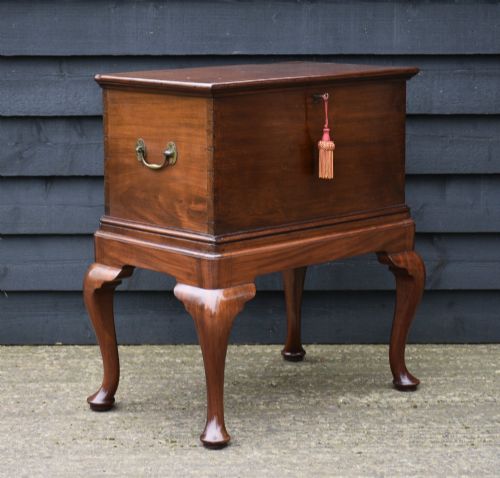
Pine and mahogany also appear in specific examples, sometimes paired with brass hinges or iron hardware for added structural support.
How do I date a wooden reading stand?
Dating relies on observing stylistic markers such as Gothic Revival tracery, Arts and Crafts simplicity, or Baroque carving motifs.
Construction methods, tool marks, and the presence of period brass work help narrow down whether a piece originates from the seventeenth, eighteenth, or nineteenth century.
Are these stands suitable for modern interiors?
The robust forms and warm timber tones of oak and pine integrate smoothly into studies, libraries, and living spaces.
Many examples serve dual purposes as reception desks, menu stands, or decorative pedestals without losing their traditional utility.