





Carved Oak Bible Stand
These carved oak bible stand pieces are sturdy reading supports and writing slopes, built to hold heavy volumes in domestic or ecclesiastical settings.
Carved Oak Bible Stand
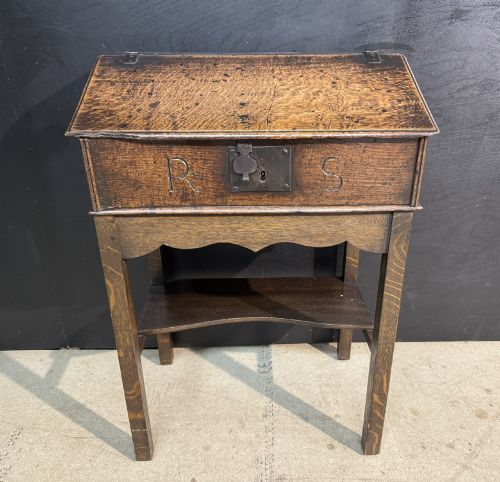
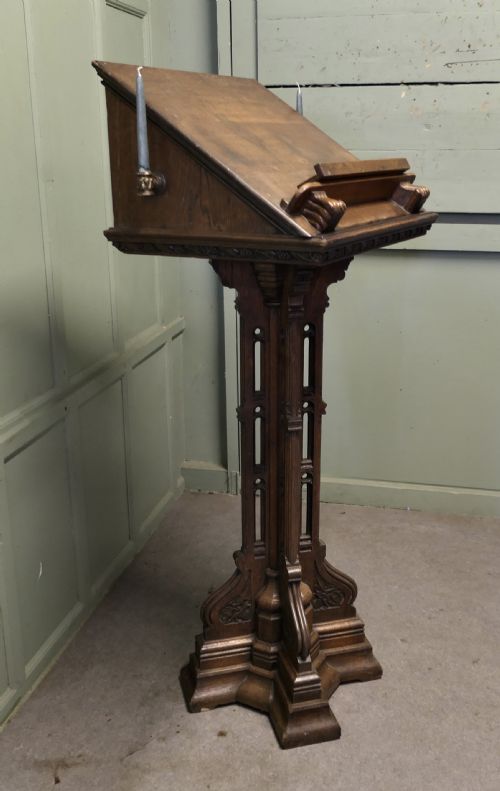
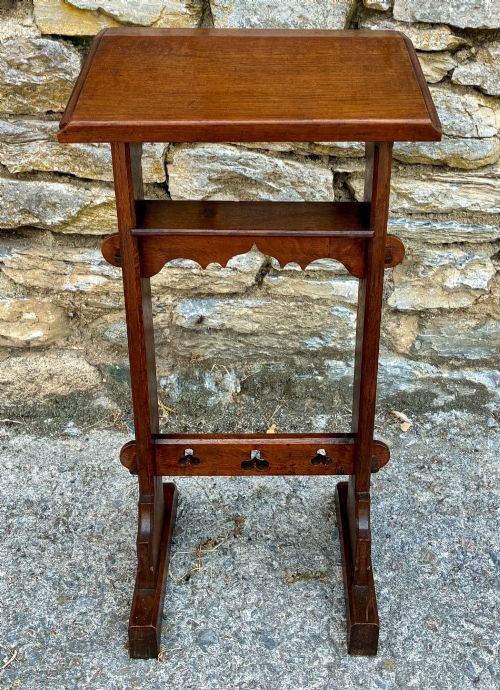
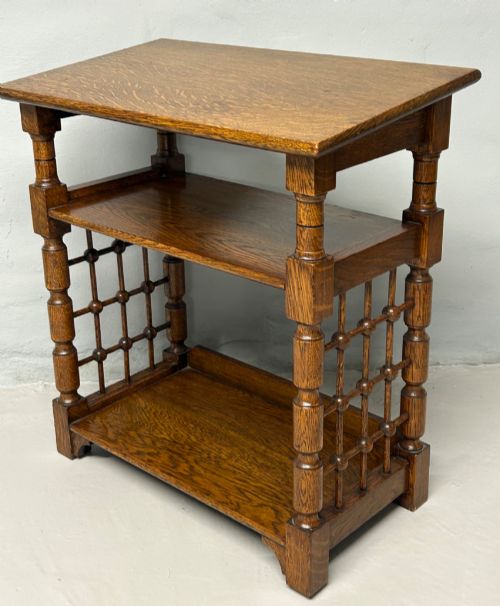
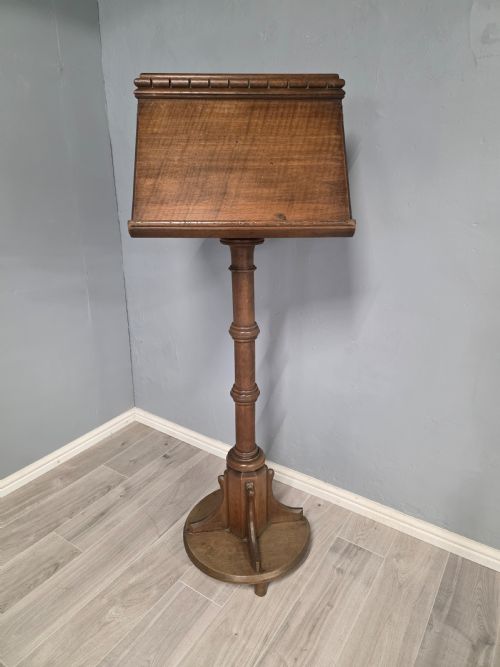
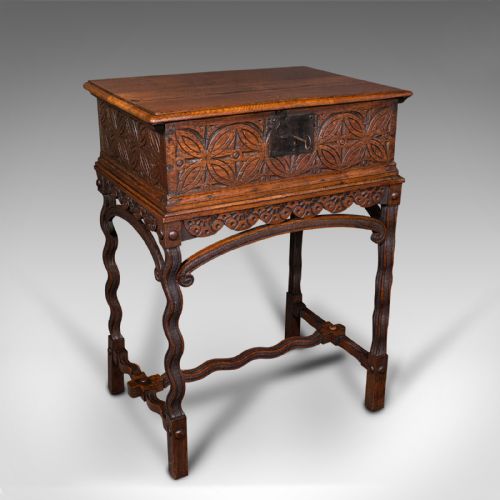
Buyers seeking a carved oak bible stand encounter a diverse selection of church lecterns, reading desks, and box forms raised on stands. The period examples range from seventeenth-century chests and writing slopes to Victorian gothic lecterns and Edwardian arts and crafts book stands.
The objects serve primarily to elevate texts for reading, often incorporating sloping surfaces or sculptural supports like eagles with outstretched wings. Originating from domestic and ecclesiastical contexts, these pieces reflect the shifting stylistic preferences of successive centuries from the 1600s onward.
How they were made
The primary material across the selection is solid oak, frequently augmented with brass or iron hardware and occasional gilt touches. Artisans utilised traditional joinery alongside hand-carving techniques to shape panels, pedestals, and sloping book rests.
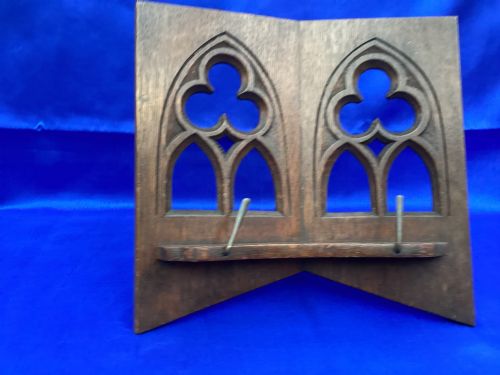
Surface decoration relies on deep relief carving, often displaying Gothic Revival, Jacobean, or Baroque motifs. Metalwork components such as hinges and brackets provide structural reinforcement and functional movement for adjustable reading slopes.
Materials across the inventory include oak, brass, iron, and gilt.
What varies in quality
Quality depends heavily on the depth and crispness of the hand-carving, alongside the integrity of the timber and joinery. Pieces displaying sculptural elements, such as detailed eagle lecterns or intricate geometric panels, demonstrate superior craftsmanship.
The originality of the stand relative to the upper box or desk influences the character of the piece. Examples retaining their original seventeenth-century frames or bespoke period configurations hold distinct architectural interest compared to later adaptations.
The Carved Oak Bible Stand Glossary
- Lectern
- A tall stand with a sloping book rest used for holding a reading matter for a standing speaker. These often appear in church contexts or large reception rooms.
- Writing slope
- A box with an angled lid designed to provide a firm surface for handwriting. Inside, compartments typically store stationery and ink.
- Gothic Revival
- An architectural and decorative style drawing inspiration from medieval forms. It manifests in pointed arches, trefoils, and heavy carved tracery.
- Arts and Crafts
- A design movement prioritising traditional craftsmanship and simple forms. Pieces from this style often emphasise the natural grain of the oak.
- Bible box
- A small wooden chest historically used to store sacred texts securely. When mounted on legs or a frame, it becomes a bible box on stand.
Carved Oak Bible Stand: Frequently Asked Questions
What is a bible stand?
A bible stand is a specialised piece of furniture designed to elevate and support large sacred volumes during reading.
They appear as tabletop book rests, floor-standing lecterns, or enclosed boxes mounted on legs.
How were these stands used?
These pieces functioned in churches for reading scripture aloud to a congregation.
In domestic settings, smaller slope-front boxes served as portable writing desks or repositories for household registers and bibles.
How do I date a piece?
Dating relies on identifying characteristic construction methods, joinery types, and decorative motifs associated with specific centuries.
Seventeenth-century examples often feature panelled construction and geometric carvings, whereas Victorian pieces display heavier Gothic revival elements.
Where did these stands originate?
The recorded items include English and continental European origins, spanning domestic households and ecclesiastical institutions.
Workshop traditions from the seventeen hundredth century through the Edwardian era shaped their distinct regional styles.
Are brass and iron common?
Metal components frequently appear as functional hinges, locking mechanisms, and decorative mounts on the wooden structures.
Brass work and iron fittings provide structural support for the adjustable reading platforms and heavy writing boxes.