



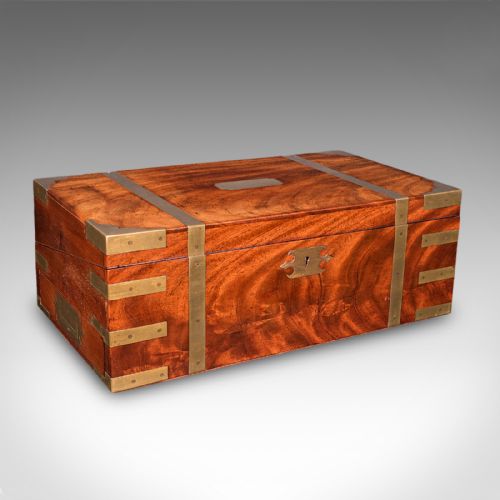


Wooden Book Rest
A wooden book rest brings order and function to a library, offering an adjustable surface for heavy volumes and folio bindings.
Wooden Book Rest
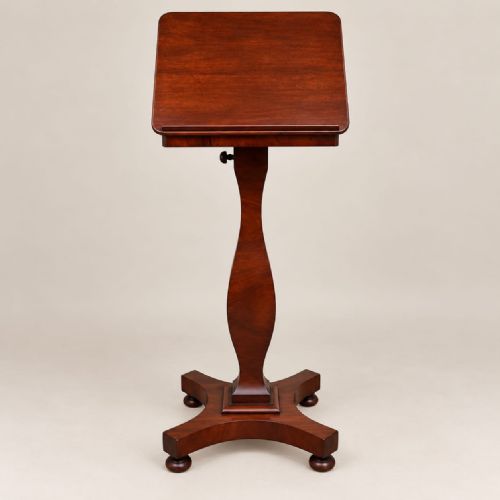
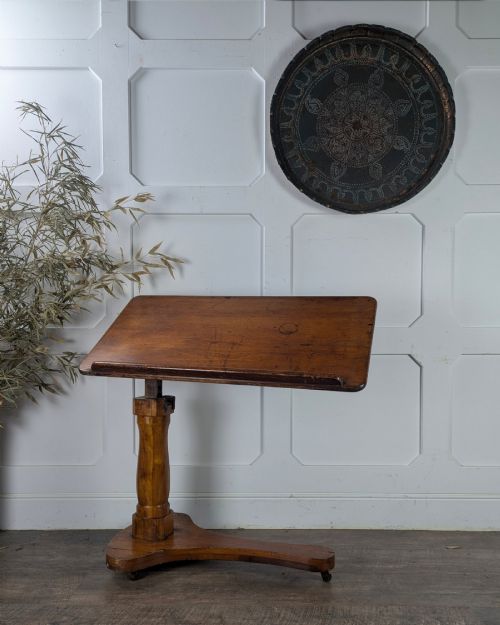
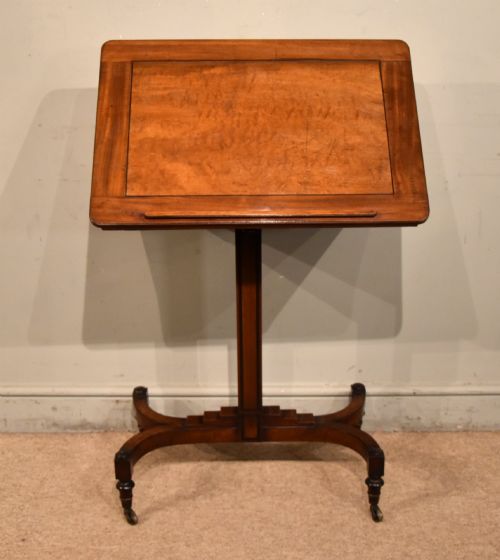
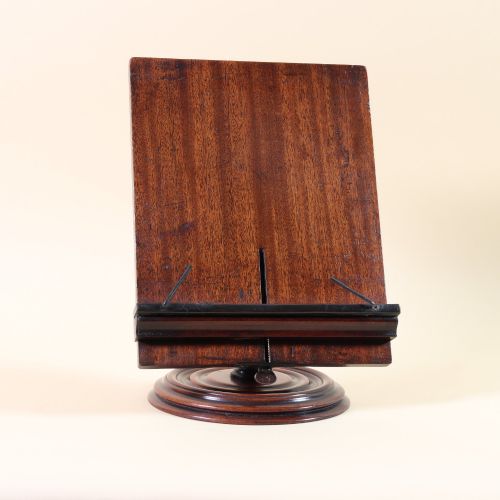
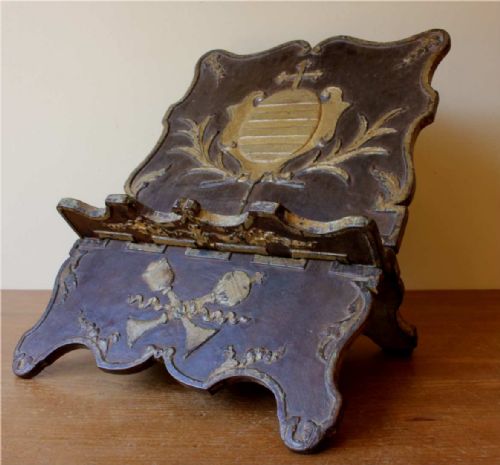
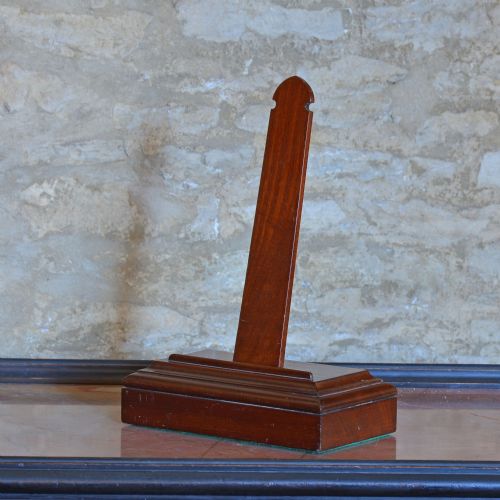
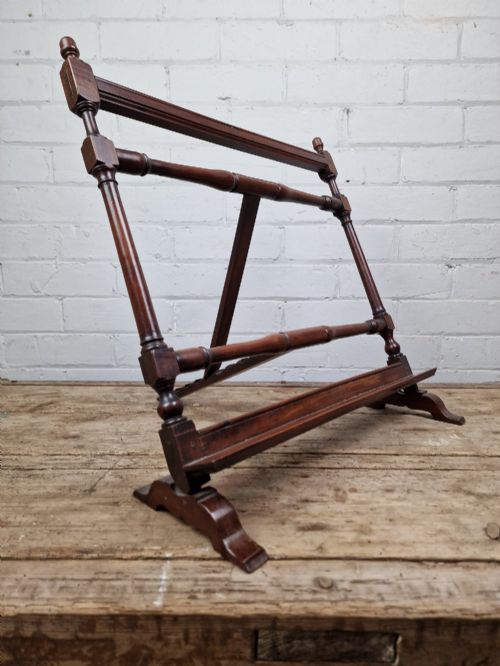
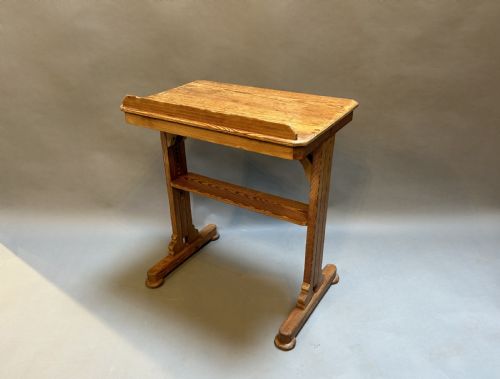
A wooden book rest serves to hold texts at a convenient angle for reading or display, encompassing forms such as table-top reading stands, extending book slides, and folding lecterns. When you search for a wooden book rest, you encounter diverse pieces ranging from simple Victorian extending slides to elaborate 18th-century carved oak lecterns depicting eagles.
The pieces appearing on this page span several centuries, with a strong representation of Victorian and 19th-century examples alongside Regency, Edwardian, and 1930s designs. Forms vary from desktop music stands and campaign writing slopes to specialised Missal stands and magazine racks.
Origin and regional style also shape the selection, featuring English mahogany slides, Anglo-Indian carved teak pedestals, and French religious folding rests. Buyers find both utilitarian desk accessories and decorative carved wooden objects intended for the home library or study.
What varies in quality
The quality of a wooden book rest lies in the precision of its mechanical adjustments and the crispness of its carved ornament. Finer pieces maintain smooth operation in their brass extending mechanisms and folding hinges without looseness in the joints.
Material selection and decorative execution further differentiate examples, distinguishing simple utilitarian pine or whitewood items from substantial mahogany, walnut, and heavily carved teak or oak pieces. The depth and skill of the hand-carving on figural lecterns or regional items determine the distinction between standard production and superior craftsmanship.
Carved wooden bears and majestic brass-winged eagles stand ready to hold your morning reading.
The Wooden Book Rest Glossary
- Book slide
- An extending desktop rack designed to hold a row of books upright between two vertical ends. These often feature brass or wooden ratchet actions.
- Lectern
- A tall reading stand or desk with a slanted top designed to support a book for a standing reader or speaker. Many historical examples depict carved figures like eagles.
- Campaign writing slope
- A portable box used by travellers that folds open to provide a slanted writing surface and compartments for stationery. They frequently incorporate book rest ledges.
- Missal stand
- A folding wooden rest specifically utilised for holding large liturgical books during church services. They often originate from continental ecclesiastical contexts.
Wooden Book Rest: Frequently Asked Questions
How do I adjust an extending book slide?
Extending book slides operate via a central sliding mechanism or interlocking wooden channels that allow the ends to pull outward or push inward to accommodate varying numbers of volumes.
Users simply pull the sides apart to fit a larger selection of books between the upright supports, relying on the internal fit or stop pins to maintain the desired width.
What is the difference between a lectern and a reading stand?
A lectern typically refers to a taller, floor-standing piece or an elaborate architectural desk designed for supporting heavy liturgical texts or lecture notes at an angle.
A reading stand or book rest generally denotes a smaller, table-top accessory intended for domestic libraries, desks, or music rooms to hold single volumes for comfortable study.
Were these stands meant for daily reading?
Many examples served practical roles in studies, libraries, and offices to support heavy reference volumes, ledgers, and religious texts at an ergonomic angle.
Others functioned as decorative display pieces for drawing rooms or as portable travel accessories for officers and scholars on the move.
How do I care for antique wood book rests?
Antique wooden surfaces benefit from stable room humidity and protection from direct sunlight to prevent timber shrinkage or fading of the polished finish.
Gentle dusting with a dry cloth preserves the patina, while brass hinges and extending mechanisms occasionally require careful cleaning without harsh chemical polishes.