

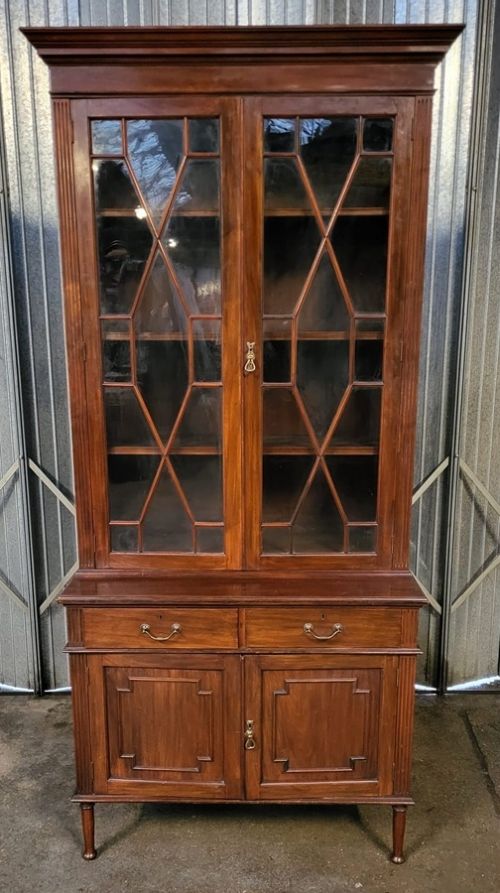
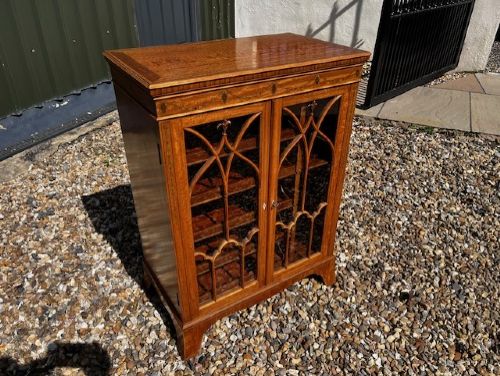
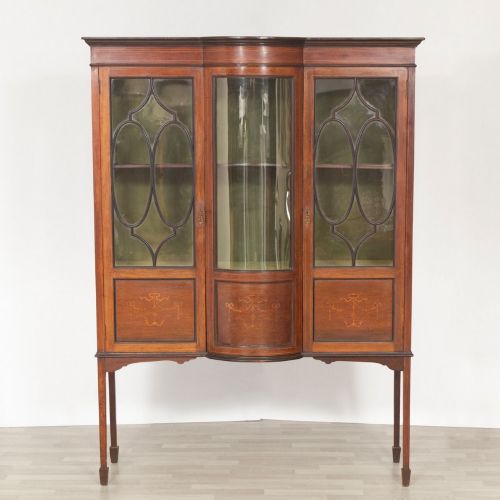
Astragal Glazed Display Case
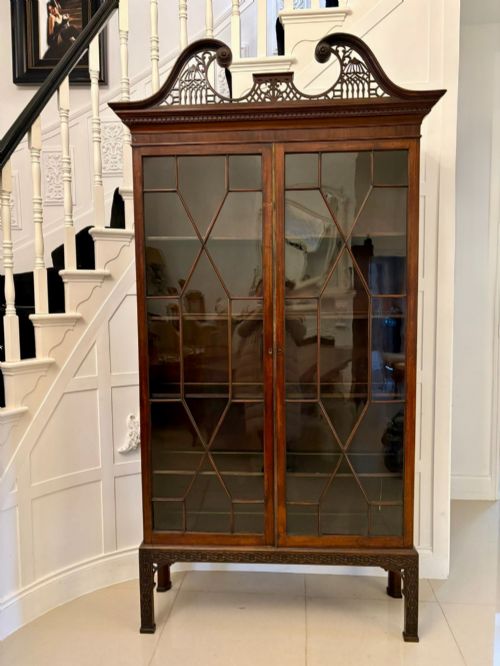
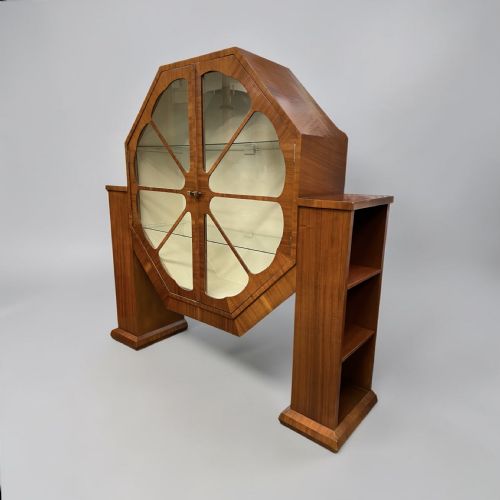
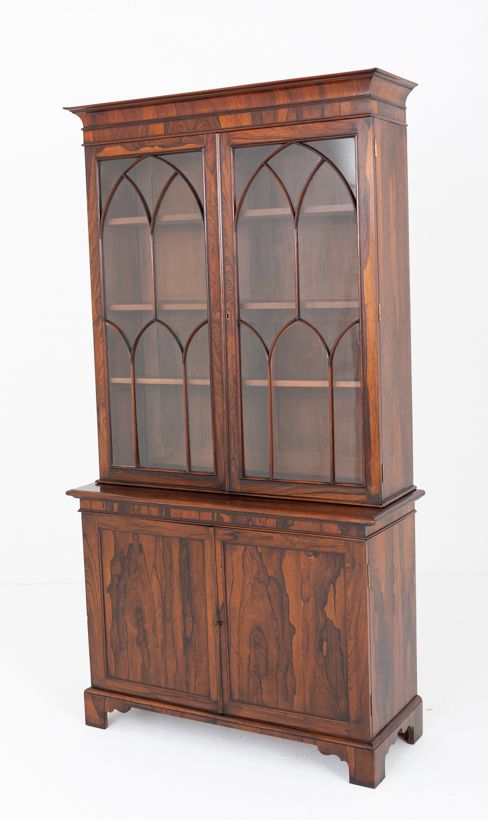
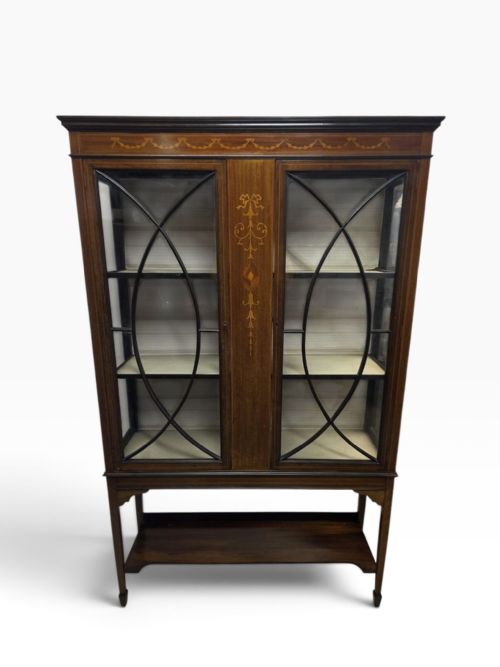
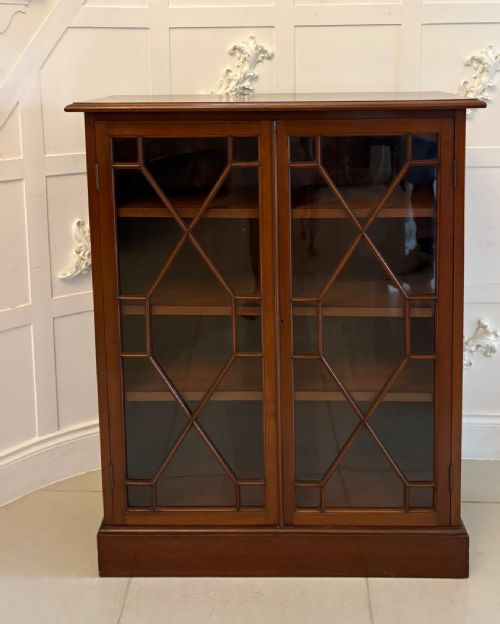
An astragal glazed display case organises precious objects behind delicate timber glazing bars that divide the glass into smaller panes.
Astragal Glazed Display Case
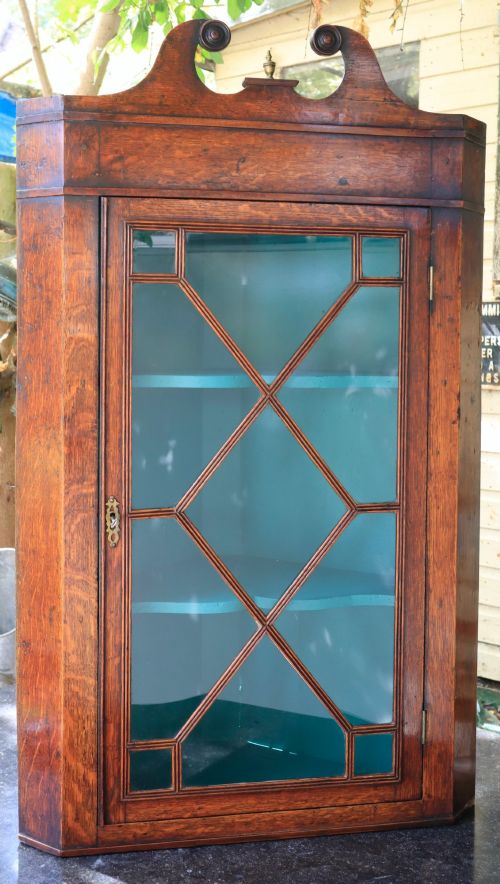
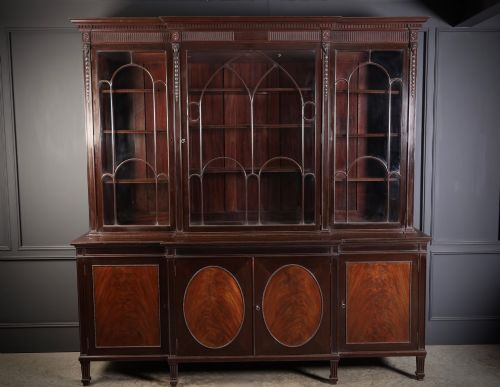
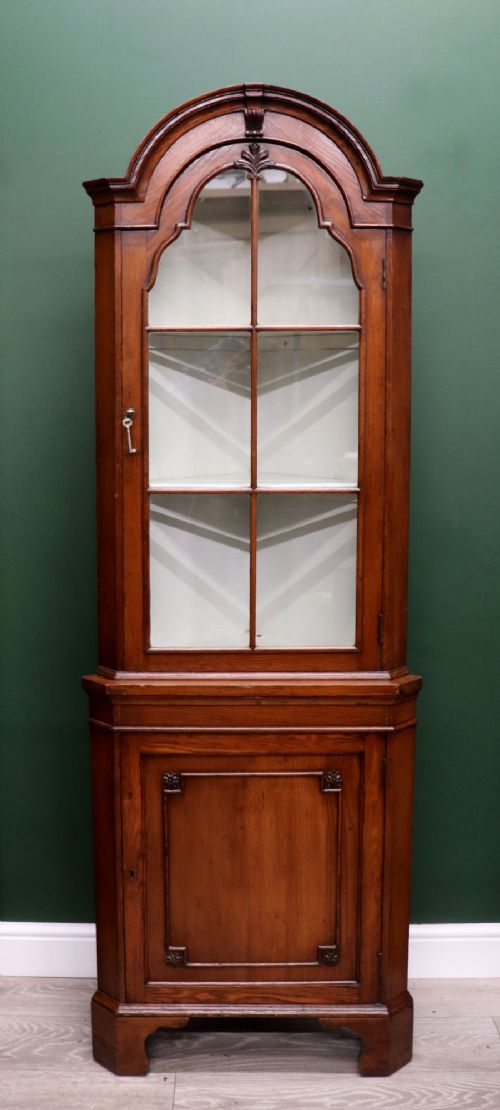
When searching for an astragal glazed display case, a buyer encounters pieces designed to protect books, china and collectibles while displaying them clearly. The forms span tall floor-standing bookcases, compact corner cupboards, and delicate wall-hanging cabinets.
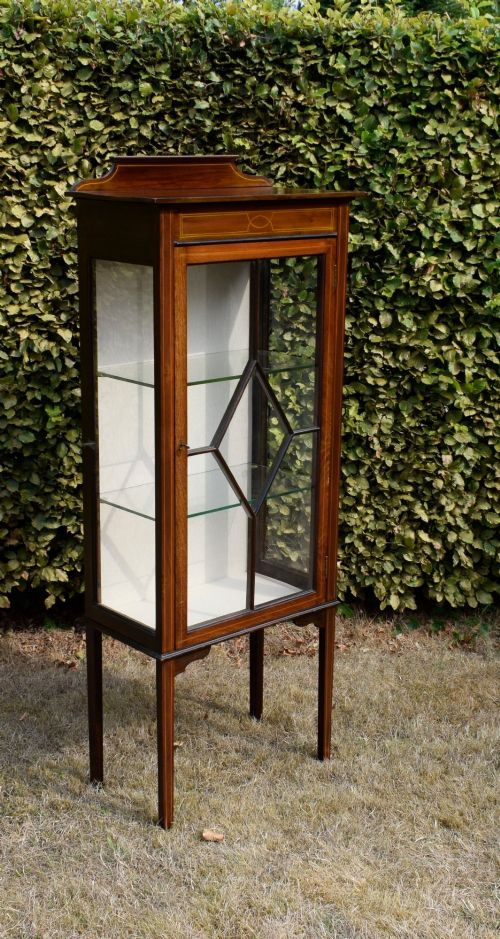
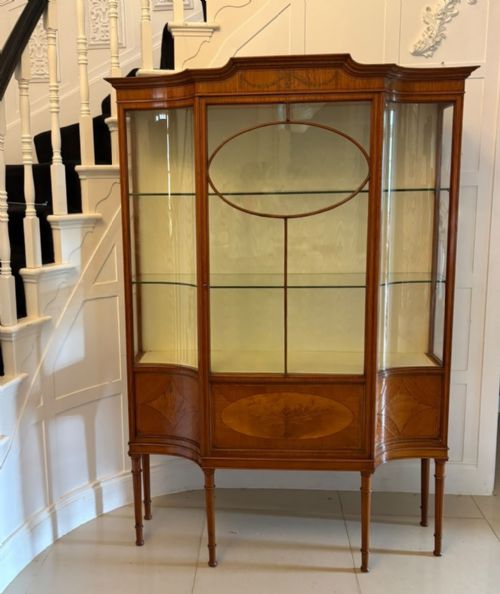
Edwardian and Victorian examples in mahogany, often featuring satinwood inlay or Sheraton revival influences, appear most frequently on this page. Georgian period pieces also surface, offering architectural proportion and substantial timber construction.
Makers adapted these cabinets for drawing rooms and libraries, producing both imposing breakfront proportions and small-scale miniatures. Interior shelving frequently adjusts to accommodate objects of varying heights.
Distinctions in Quality
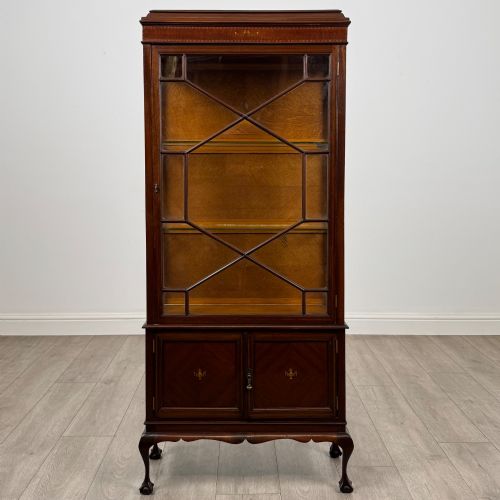
Quality rests upon the delicacy of the astragal glazing bars and the precision of their joinery. Thicker, heavy bars obscure the contents, whereas fine, crisp mouldings demonstrate superior cabinet work.
The selection of timber grain, particularly matched mahogany flames or intricate satinwood and marquetry inlay, separates standard production from exceptional pieces. Proportions and original brass fittings further indicate the standing of a cabinet.
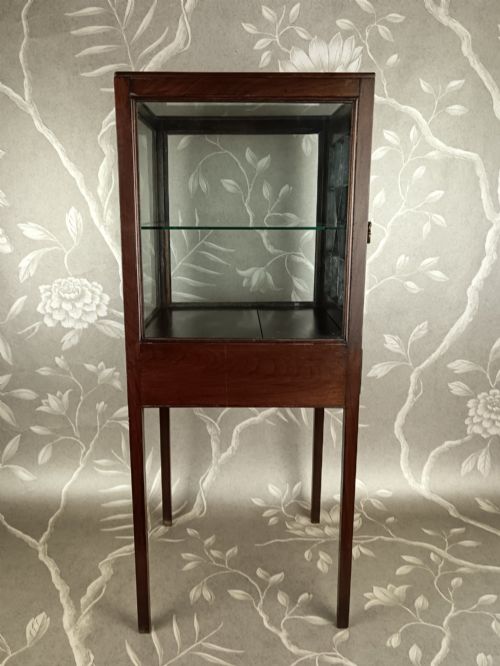
Several miniature and tabletop cabinets appear here, built for collectors who needed to display their treasures on a very small scale.
Maple & Co.·Wylie & Lochhead
The Astragal Glazed Display Case Glossary
- Astragal
- A moulding profile, often used as a glazing bar on cabinet doors to divide glass panes into geometric patterns. These bars support the individual lights while adding decorative structure.
- Breakfront
- A cabinet design where the central section projects forward from the flanking wings. This architectural layout creates depth and breaks up long expanses of timber.
- Vitrine
- A glass-sided display cabinet designed specifically for showing porcelain, curiosities and decorative arts. The term derives from the French word for glass.
- Bijouterie cabinet
- A low glass-topped table or cabinet built to display small portable valuables, jewellery and medals. These pieces typically feature hinged glazed lids and fabric-lined interiors.
- Marquetry
- Decorative veneer work created by fitting together thin pieces of wood, shell or ivory to form pictorial or geometric patterns. Craftsmen apply these designs onto primary surfaces like mahogany or satinwood.
Astragal Glazed Display Case: Frequently Asked Questions
What is an astragal glazed display case?
An astragal glazed display case is a cabinet featuring timber glazing bars that divide the glass door into smaller geometric panes. These pieces protect books, china and collections while keeping them visible.
Cabinet makers produced these in forms ranging from tall bookcases to small wall-hanging cupboards across the Georgian, Victorian and Edwardian periods.
How do I style a display case at home?
Place a display case in a drawing room, study or hallway where natural light highlights the timber grain and glass panes. Group collections by colour or material on the adjustable shelves to maintain visual balance.
Keep heavier books or larger ceramics on the lower shelves while placing delicate glassware or miniature items near eye level.
How do I tell Victorian from Edwardian cases?
Victorian cabinets generally feature denser mahogany, heavier proportions and darker finishes reflecting mid to late nineteenth-century tastes. Brass mounts tend to be robust and functional.
Edwardian pieces often display lighter satinwood inlay, Sheraton revival motifs and brighter polished mahogany surfaces dating around nineteen hundred.
Were these cabinets used for books?
Many examples on this page served dual purposes as bookcases and display cabinets, featuring adjustable wooden shelves behind the glazed doors. Owners stored library volumes alongside decorative ceramics and glassware.
Smaller wall-mounted and corner variations focused entirely on displaying ornamental objects and drinking glasses.