



Asian Porcelain Charger Plate
An asian porcelain charger plate brings vivid hand-painted colour and substantial scale to a room.
Asian Porcelain Charger Plate
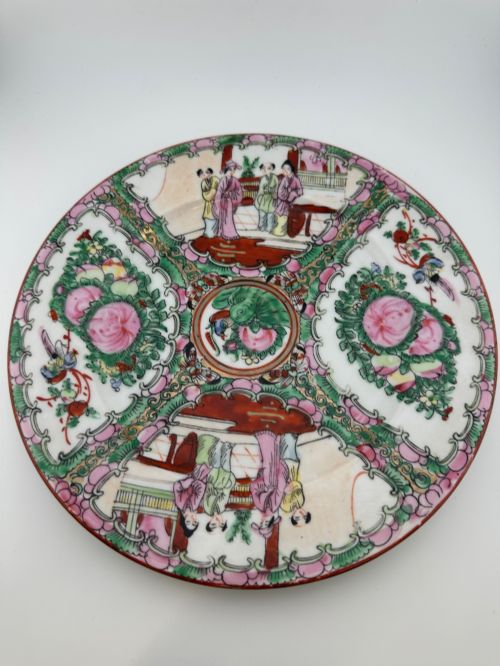
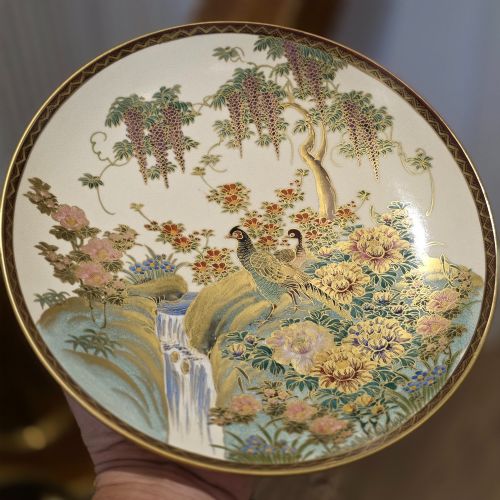
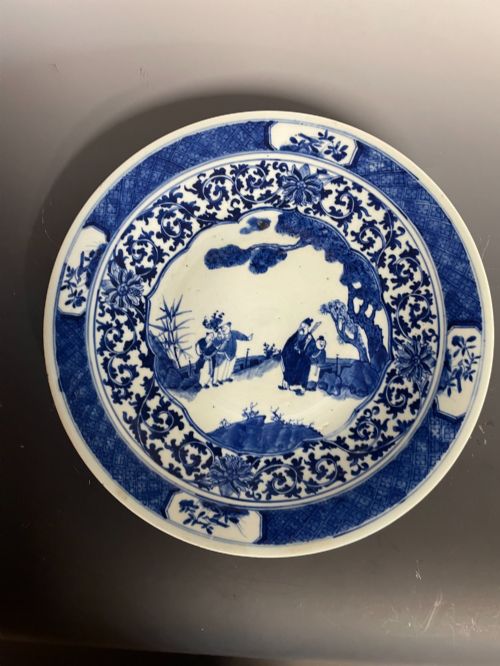
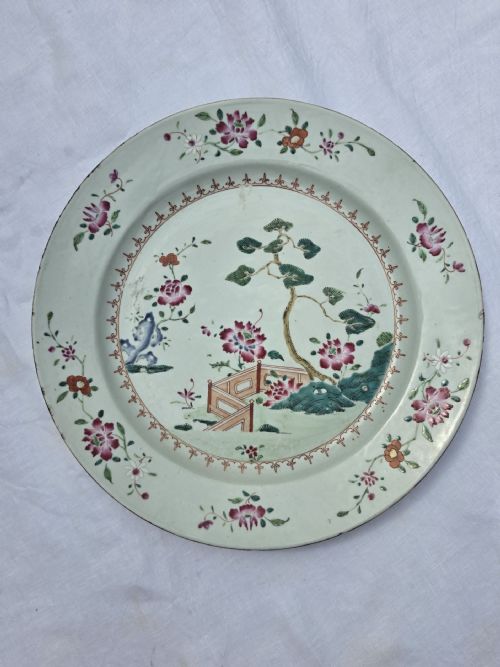
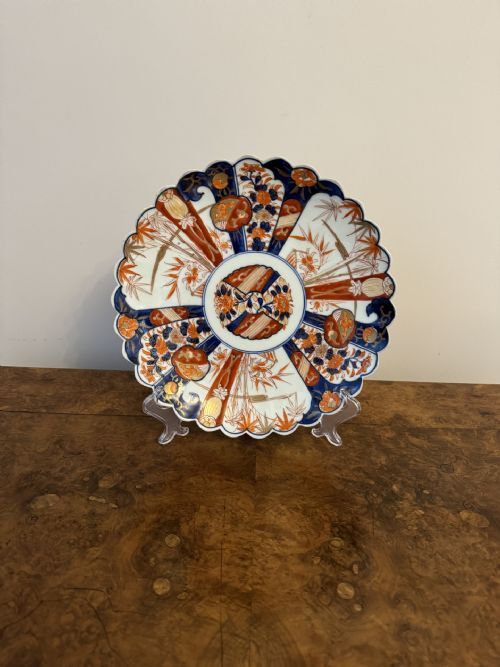
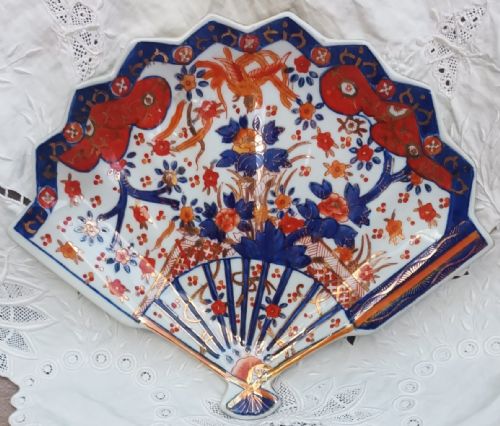
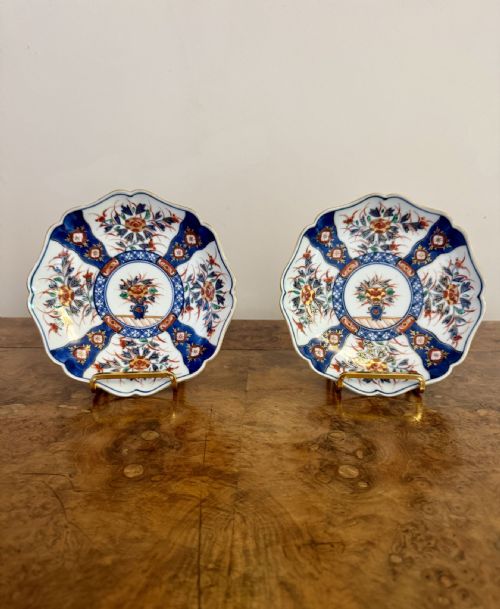
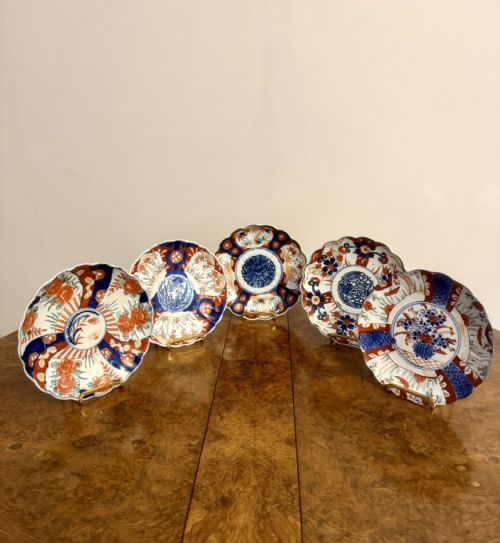
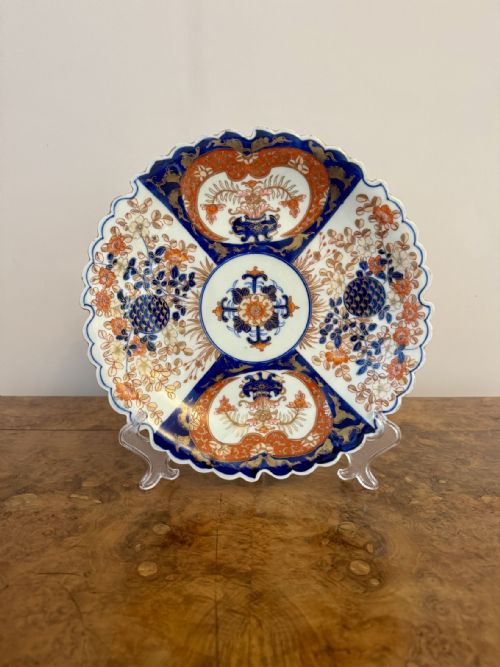
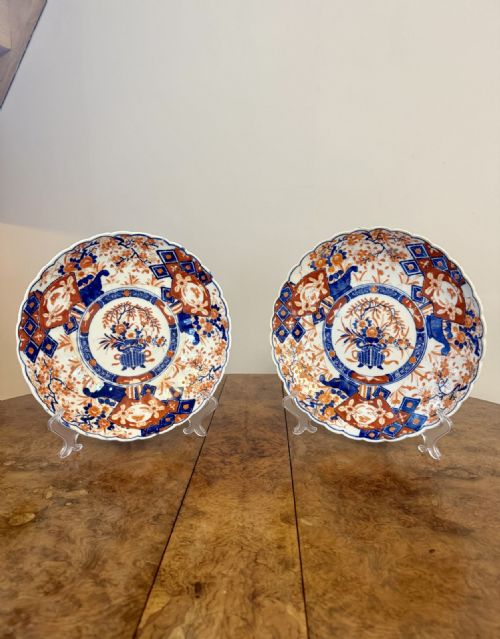
When searching for an asian porcelain charger plate, buyers encounter substantial circular display dishes originating from Japan and China across the seventeenth, eighteenth, nineteenth, and early twentieth centuries. The pieces on this page span diverse forms including large platters, scalloped dishes, and square plates produced during the Edo, Meiji, and Taisho periods.
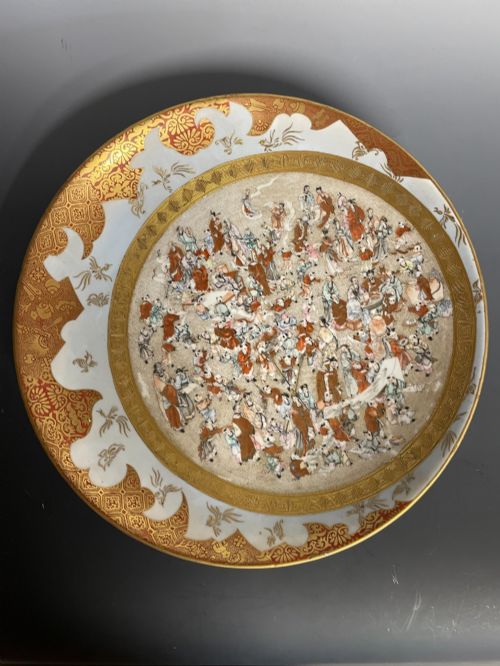
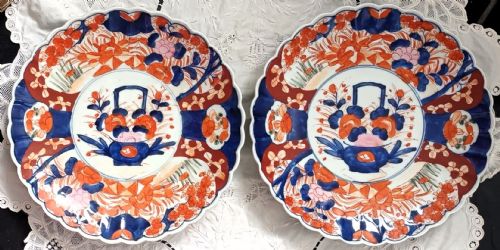
Japanese Imari stands as the most common style on this page, alongside Kutani, Satsuma, and Chinese export porcelain such as Famille Rose and blue and white wares. These works function primarily as decorative chargers and display plates rather than ordinary tableware, shaped by kiln traditions in Arita and beyond.
How they were made
Potters utilised ceramic clay and porcelain bodies, shaping them by hand or mould before applying cobalt glaze, enamel colours, and gold leaf. Many pieces incorporate moulded floral scrolls or intricate hand-painted motifs beneath or over the glaze.
Firing took place in traditional kilns where control of temperature determined the vitrification of the porcelain and the final brilliance of the gilt and enamel decoration.
Several plates depict the Seven Lucky Gods sailing together on a treasure ship.
What varies in quality
Quality in these plates rests upon the crispness of the hand-painted brushwork, the depth of the cobalt blue, and the precise application of gold leaf and enamel. Pieces with well-defined figural scenes, such as depictions of the Seven Lucky Gods, or balanced compositions show superior artistic control.
The weight of the porcelain body, the regularity of the scalloped or square shape, and the preservation of the glaze across centuries distinguish finer examples from standard production pieces.
Koshida·Meizan
The Asian Porcelain Charger Plate Glossary
- Imari
- A style of Japanese porcelain featuring a palette of underglaze blue, iron red, and gilt, originating from the town of Arita.
- Celadon
- A type of green-glazed pottery and porcelain, exemplified here by Longquan wares with moulded floral scroll decoration.
- Kutani
- Japanese coloured porcelain known for bold pictorial designs, often produced during the Meiji and Taisho periods.
- Satsuma
- Earthenware pottery with a finely crackled ivory glaze decorated in polychrome enamels and gold.
- Famille Rose
- Chinese porcelain decorated with an opaque pink enamel palette introduced during the Qing dynasty.
Asian Porcelain Charger Plate: Frequently Asked Questions
How were charger plates used?
These large plates served primarily as decorative display pieces on tables or sideboards rather than for standard dining.
Their substantial size allowed makers to paint elaborate narrative scenes and complex geometric borders.
How do I date an imari plate?
Dating relies on stylistic shifts, brushwork quality, and the hue of the underglaze blue and iron red.
Nineteenth-century Meiji examples often display dense patterns and bright gilding compared to earlier Edo period pieces.
What is the difference between Imari and Kutani?
Imari relies on a distinct palette of deep blue, iron red, and gold, typically associated with Arita production.
Kutani utilises broader pictorial designs with varied enamel colours on porcelain bodies.
How should I display a charger plate?
Chargers require sturdy plate stands or wall-mounting brackets designed to support their considerable weight and diameter.
Placement away from direct sunlight protects the delicate enamels and gold leaf from fading.