




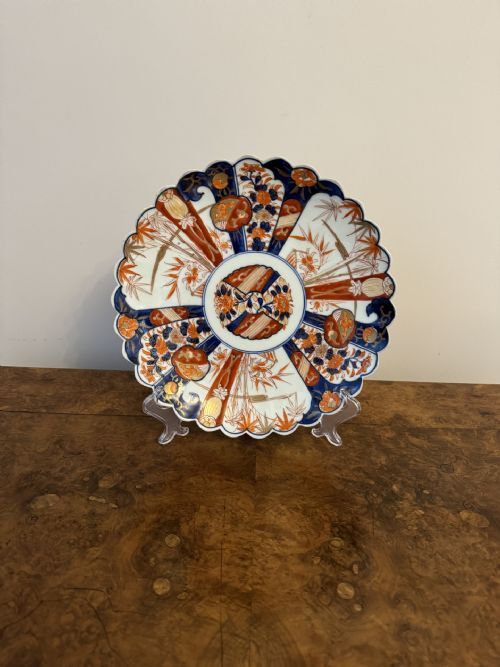

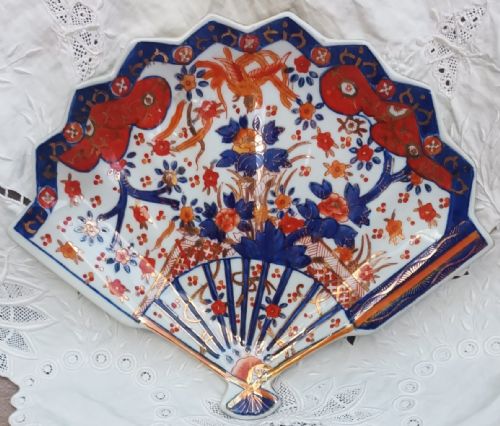
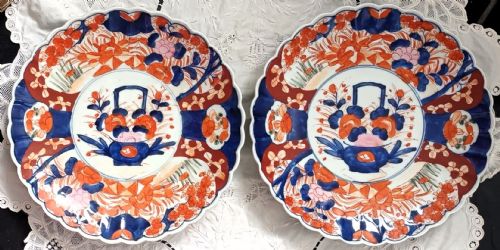
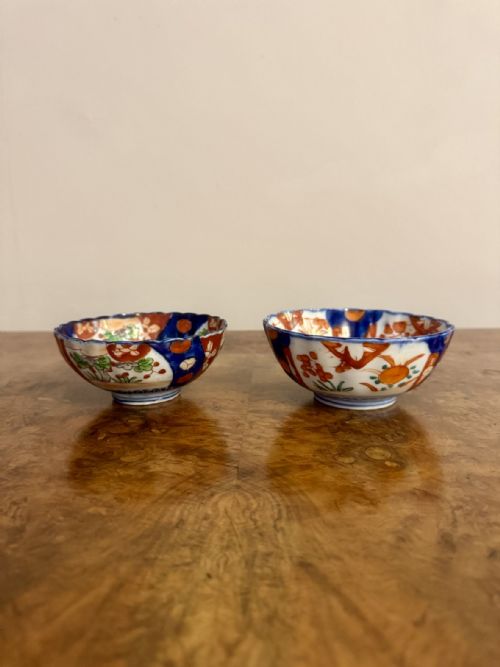
Japanese Floral Ceramic Dish
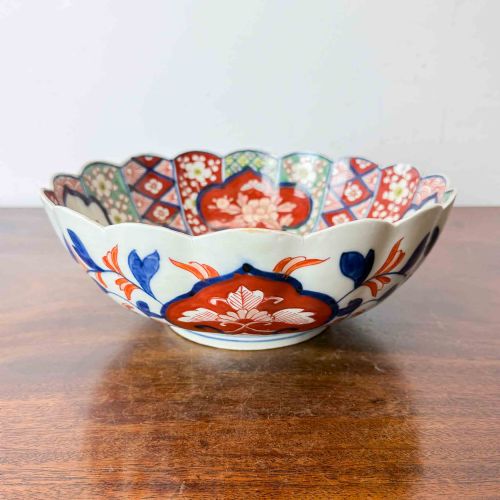
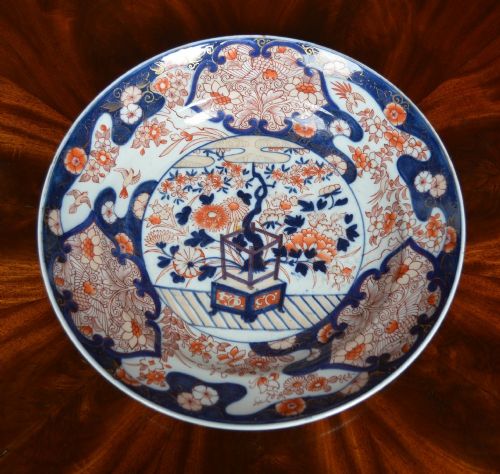
These pieces known as a japanese floral ceramic dish bring hand-painted floral motifs and rich cobalt blues into domestic display.
Japanese Floral Ceramic Dish
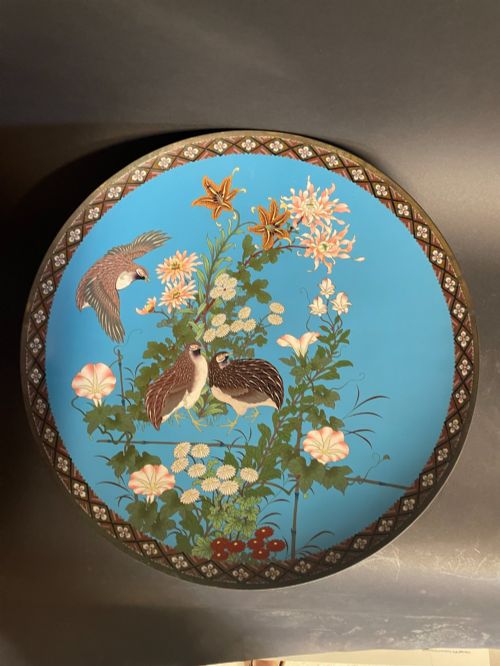
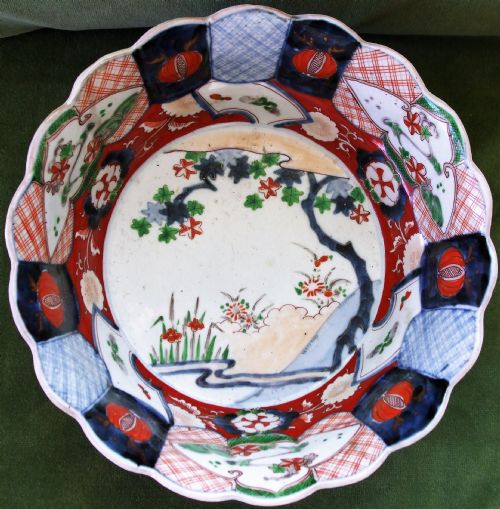
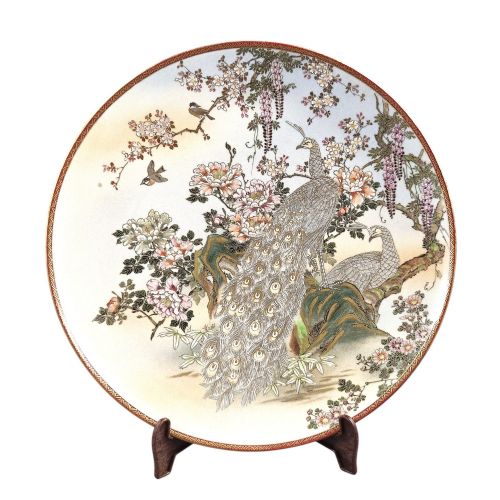
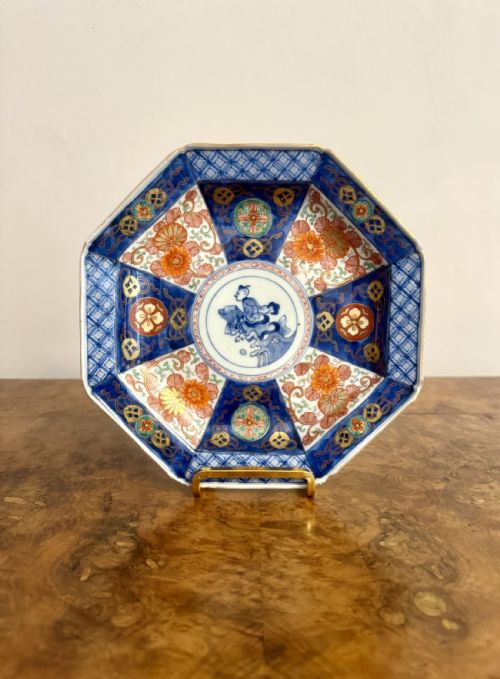
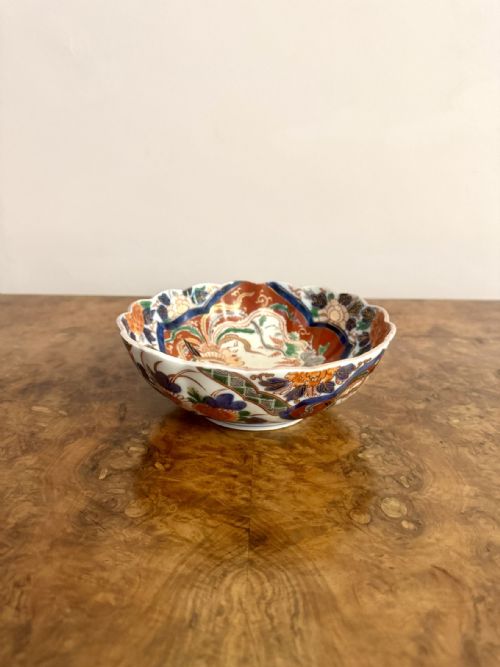
A japanese floral ceramic dish encompasses large chargers, plates, and bowls originating primarily from the nineteenth century and the Meiji period. Buyers encounter porcelain and earthenware forms shaped with scalloped or hexagonal edges, created for decorative display.
The selection on this page draws heavily from traditional Japanese styles including Imari, Arita, and Satsuma ware. Most examples display intricate floral and bird designs rendered in distinct palettes of cobalt underglaze, enamel, and gold leaf.
How they were made
Potters shaped porcelain and earthenware into plates and bowls, often employing hand-painted techniques to apply detailed cobalt underglaze pigments. Artisans then layered enamel paints and gold leaf or gilding to accentuate floral and bird motifs.
Kiln firing set the hard glazes, while specific traditions like moriage added raised decorative relief onto Satsuma bowls and chargers. These combined methods produced durable decorative surfaces designed to catch the light.
The listings feature porcelain and earthenware materials decorated with cobalt underglaze, enamel, and gold leaf across Victorian and Edwardian periods.
What varies in quality
The refinement of the hand-painted brushwork dictates visual depth, separating routine production from pieces featuring delicate floral and avian detail. Precision in the application of enamel and gold leaf further defines the artistic standard.
Structural scale also separates standard plates from massive chargers and deep scalloped bowls that required advanced kiln control. Signed pieces attributed to specific makers command stronger artistic interest.
Kozan·Shoza
The Japanese Floral Ceramic Dish Glossary
- Imari
- A traditional Japanese porcelain style featuring rich cobalt blue and iron red underglazes, frequently highlighted with gold. This aesthetic dominated export wares during the Edo and Meiji periods.
- Charger
- A large decorative plate intended primarily for display on a wall or sideboard rather than for serving food. These expansive surfaces allowed artists to paint complex floral and bird compositions.
- Satsuma ware
- An earthenware pottery type with a fine crackle glaze, typically decorated with polychrome enamels and raised moriage details. These pieces often depict natural scenes featuring peonies and peacocks.
- Cobalt Underglaze
- A blue pigment applied to ceramic bodies before glazing and high-temperature firing, ensuring the colour remains permanent beneath the glassy surface. It forms the structural foundation of many traditional blue and white patterns.
Japanese Floral Ceramic Dish: Frequently Asked Questions
How do I display a large charger safely?
Large chargers require sturdy wall mountings or specialist display stands designed to support heavy porcelain weight.
Position them away from high-traffic areas to protect the delicate enamel and gold leaf decoration.
What is the difference between Imari and Satsuma?
Imari pieces consist of hard porcelain decorated in cobalt blue, iron red, and gold, whereas Satsuma wares utilise an earthenware body with a crackle glaze.
Satsuma items often feature raised enamel work known as moriage alongside painted flowers and birds.
Can these ceramic dishes be used for food?
Antique decorative dishes are intended primarily for display and collection rather than daily culinary service.
Historic glazes and delicate gold leaf details can wear down with frequent washing and handling.
How do I identify a Meiji period piece?
Meiji period ceramics typically date from the late nineteenth or early twentieth centuries, reflecting the opening of Japanese export markets.
They frequently combine traditional Arita or Imari forms with elaborate hand-painted floral and bird motifs.