
Asian Decorative Metalwork
Asian decorative metalwork brings together centuries of skilled casting, hammering and enamelling from China and Japan to transform heavy metal into intricate art.
Asian Decorative Metalwork
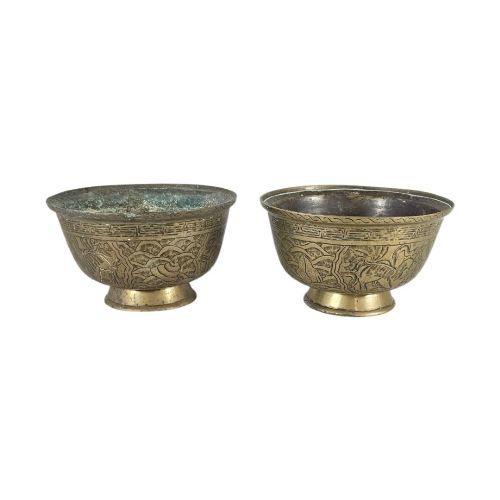
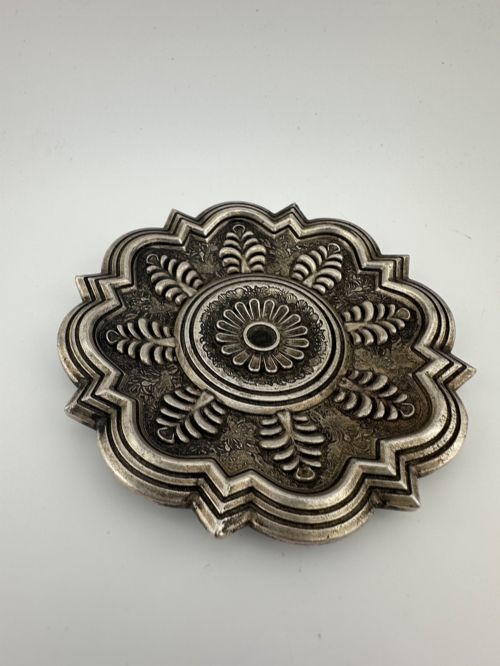
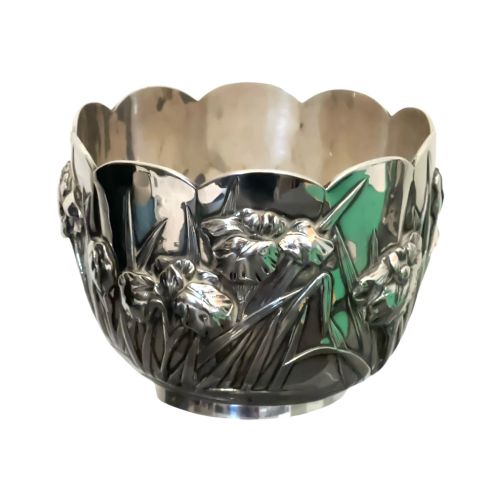
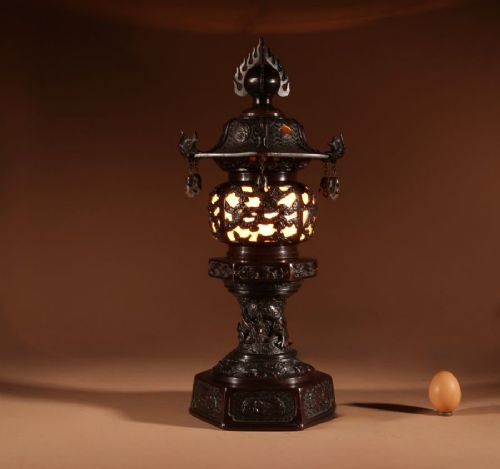
Asian decorative metalwork comprises a diverse array of vases, chargers, bowls and sculptures originating primarily from Chinese and Japanese workshops during the nineteenth and early twentieth centuries. These objects range from heavy bronze vessels cast with dragons and lotus motifs to finely hammered white metal dishes and patinated iron plaques. Collectors searching for asian decorative metalwork will frequently encounter pieces spanning the Meiji period and late Qing dynasty, reflecting distinct cultural aesthetics and technical mastery.
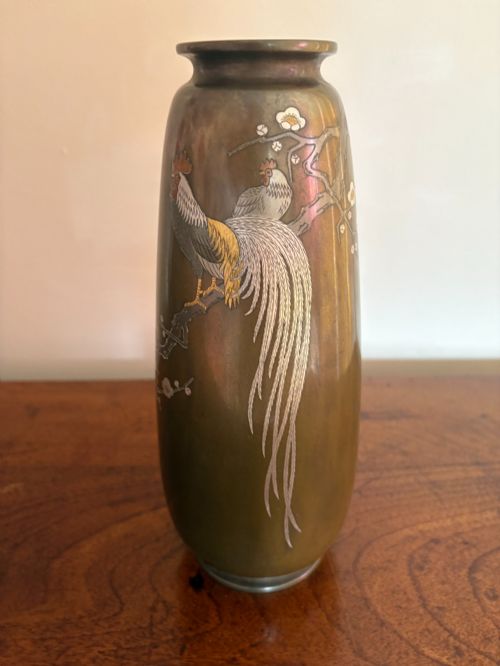
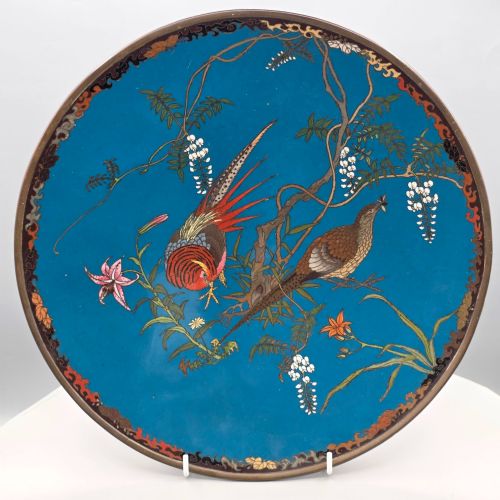
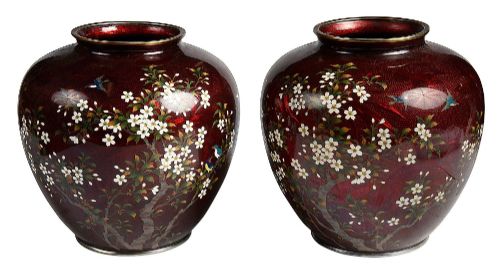
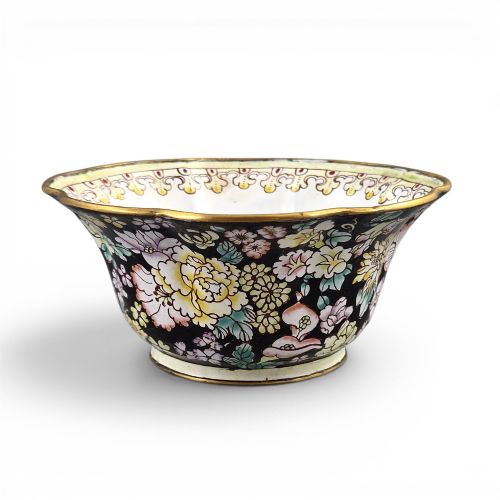
The material forms vary considerably, encompassing large palace vases, lidded gourd pots, square trays and decorative planters designed for display. Japanese examples often showcase elaborate cloisonne enamel or inlaid silver and gold depicting birds, Mount Fuji and mythical phoenixes. Chinese works similarly utilise bronze and painted enamel on copper, frequently incorporating historical reign marks such as Xuande or Qianlong.
Vessels and sculptures from this category serve both decorative and functional roles within interior spaces, operating as striking focal points on tables or shelves. The assortment available reflects the intense global trade and artistic exchange of the Victorian and Edwardian eras, bringing Far Eastern craftsmanship into Western homes. Each piece demonstrates a specific regional approach to metal manipulation, whether through high-relief casting or delicate surface wirework.
Methods of manufacture
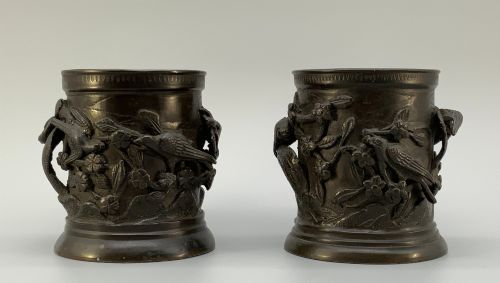
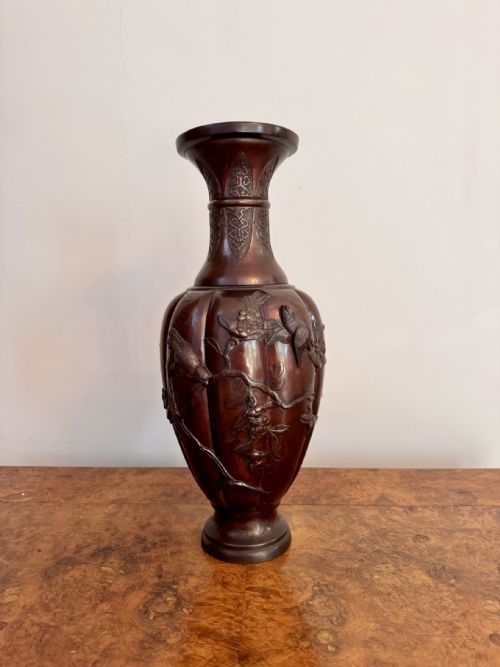
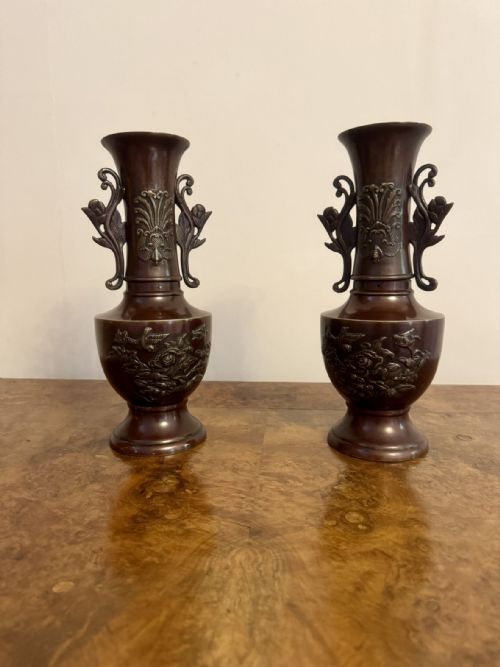
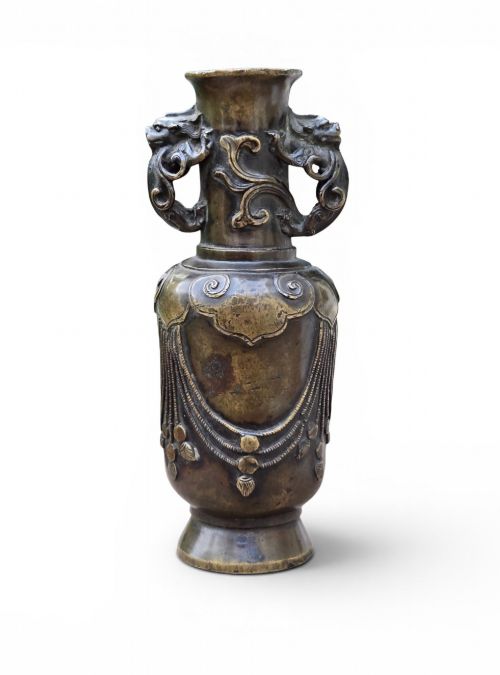
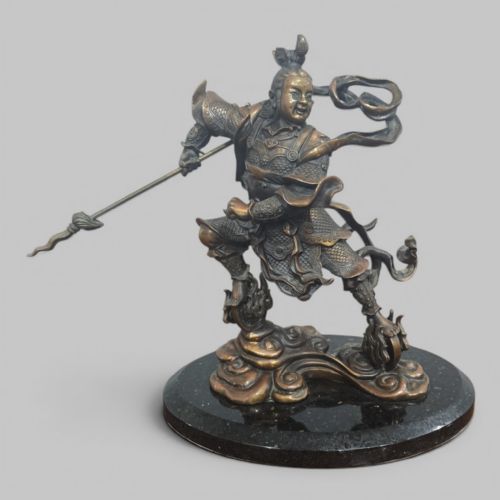
Artisans produced these works using traditional casting, hammering and soldering techniques to shape bronze, brass, copper and white metal into complex forms. Bronze vases and sculptures relied on skilled moulding to achieve high-relief dragon handles and textured surfaces.
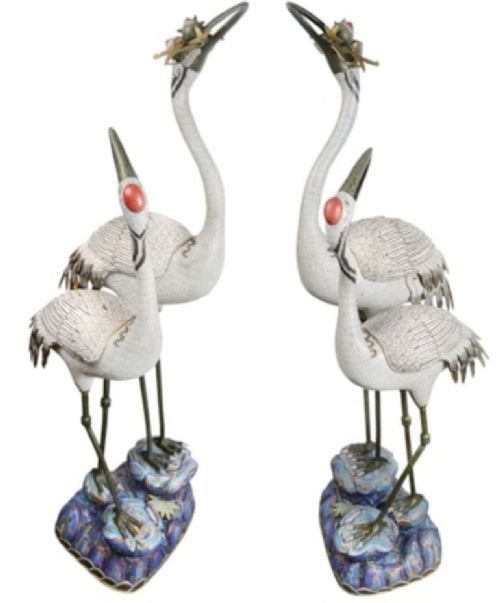
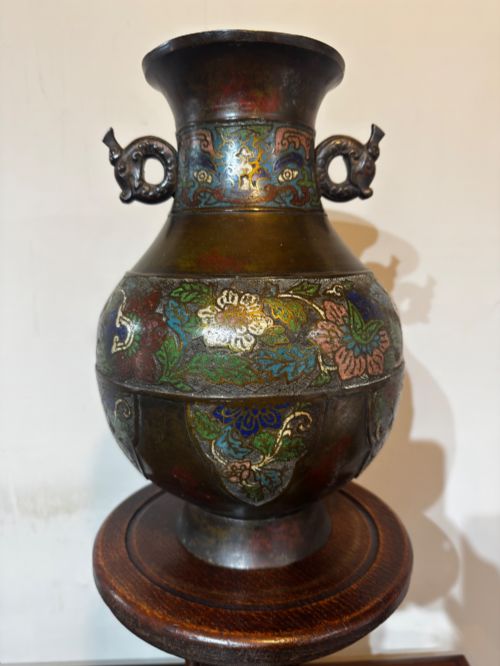
Cloisonne enamel pieces required meticulous application, soldering thin flat metal wires to a metal base to create partitioned cells before filling them with vitreous coloured glass pastes. The objects underwent multiple firings and polishings to achieve a smooth, lustrous finish that secured the delicate wire designs.
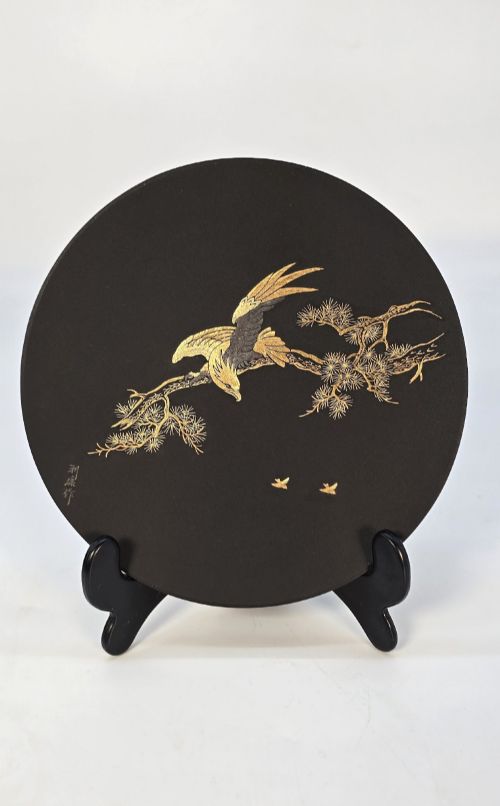
Surface enrichment frequently involved patination, chemical treatment of the metal to produce deep brown or black tones, alongside the inlay of gold, silver and iron. These contrasting metals were hammered directly into chiselled grooves to depict detailed flora and fauna.
Enamelled owls gaze eternally from several Meiji chargers, proving that nineteenth-century artisans appreciated large-eyed nocturnal birds as much as modern collectors do.
Determinants of quality
Quality in these metalworks depends heavily on the precision of the execution, particularly the fineness of the cloisonne wirework and the crispness of the cast details. Superior pieces display flawless enamel work without pitting or cloudiness, alongside deeply chiselled motifs that retain sharp edges.
The artistic ambition and complexity of the design separate standard production items from masterworks. Larger palace vases, works featuring intricate multi-coloured enamel gradients, and pieces signed by renowned makers demonstrate a higher tier of workshop capability.
KANASAWA·Kinkozan
The Asian Decorative Metalwork Glossary
- Cloisonne
- An enamelling technique where metal wire is soldered to a base to form compartments filled with paste and fired. This method creates intricate coloured patterns across vases and chargers.
- Champleve
- An enamelling process where troughs or cells are carved directly into the metal surface to hold the coloured enamel paste. It produces bold linear designs distinct from soldered wirework.
- Patination
- The natural or chemically induced alteration of a metal surface colour over time. Controlled patination enhances the visual depth of bronze and iron objects.
- Charger
- A large decorative plate or dish intended for display on a wall or stand rather than for dining use. These often feature elaborate pictorial scenes of birds and landscapes.
- Meiji Period
- The era of Japanese history from 1868 to 1912 characterised by the opening of trade with the West and exceptional decorative arts production. Works from this time frequently combine traditional casting with intricate surface inlay.
Asian Decorative Metalwork: Frequently Asked Questions
How do I identify a Meiji period piece?
Meiji period metalwork is identified by the distinctive aesthetic and technical precision developed between 1868 and 1912. Look for signature motifs like Ho-o birds, intricate silver inlay, and refined cloisonne enamel.
Many high-quality items from this era also bear workshop signatures or artist seals stamped or engraved on the base. Comparing the style of patination and wirework helps confirm the period.
What is the difference between bronze and brass?
Bronze is an alloy primarily composed of copper and tin, resulting in a heavier, darker metal that takes rich patination well. Brass is an alloy of copper and zinc, typically possessing a brighter, more golden hue.
Chinese and Japanese workshops utilised both, with bronze favoured for sculptural casting and vessels requiring deep relief detail.
Are reign marks on Chinese items reliable?
Reign marks naming dynasties such as the Qing or specific emperors like Qianlong often appear on Chinese metalwork as an homage to earlier imperial periods rather than a guarantee of manufacture date. These marks reflect cultural reverence for classic aesthetics.
Evaluating the actual material, weight and casting technique provides a more accurate indication of the object's true age.
How should I clean antique metalwork?
Antique metalwork requires minimal intervention to preserve its historical patination and fragile enamel surfaces. Dusting gently with a soft, dry cloth is usually sufficient for regular maintenance.
Avoid chemical polishes, abrasive cloths or water immersion, particularly on cloisonne and patinated iron or bronze, as these treatments can permanently damage the finish.