


Enamelled Bronze Urn
An enamelled bronze urn combines cast metal with vitreous colour, bringing depth and tactile weight to a room.
Enamelled Bronze Urn
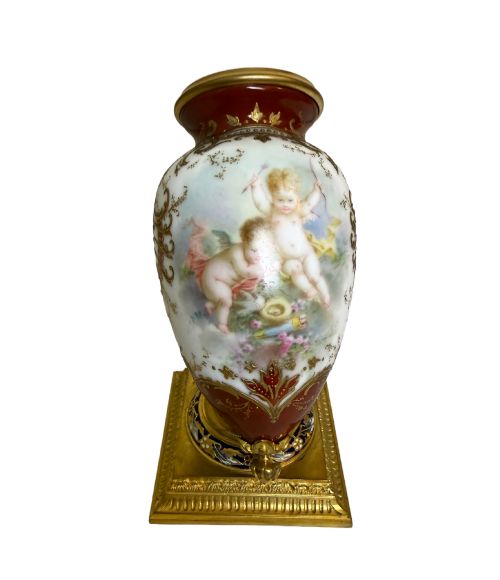
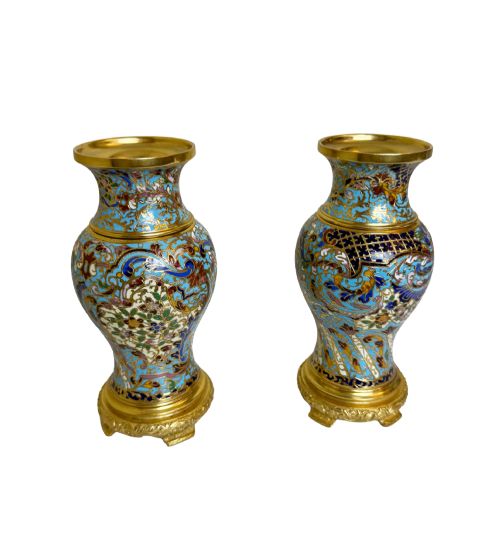
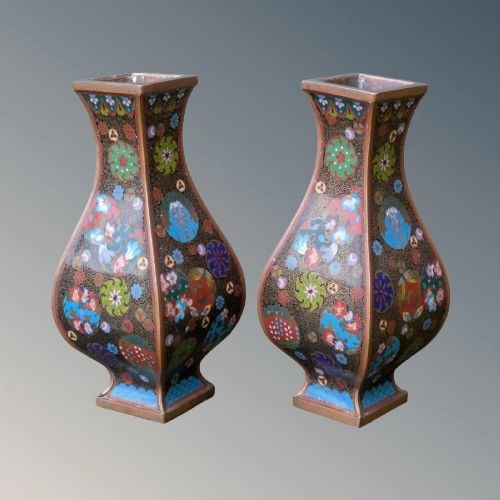
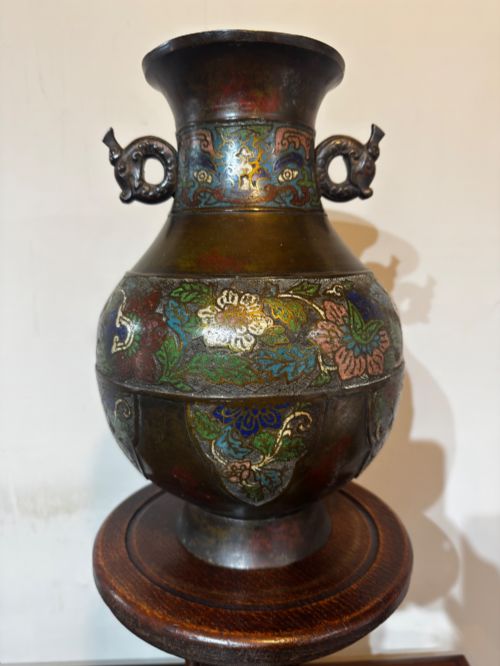
When you search for an enamelled bronze urn, you encounter vessels that bridge decorative metalwork and glass-based surface decoration. The pieces span nineteenth-century European revival designs, Chinese export wares, and Japanese Meiji period creations.
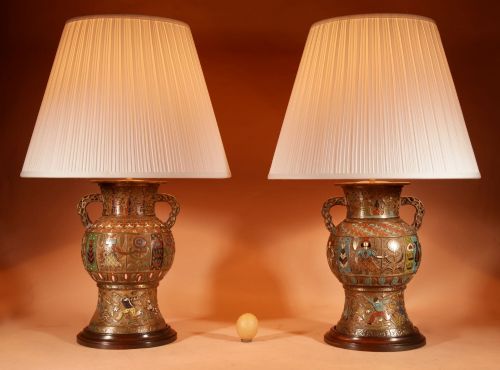
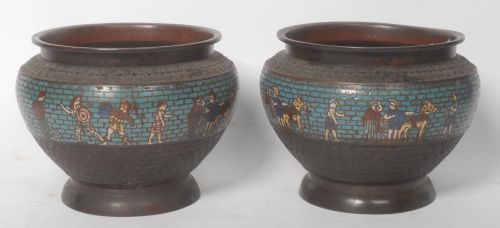
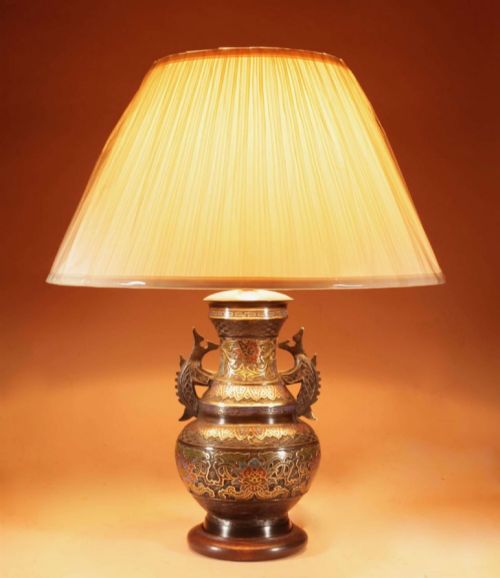
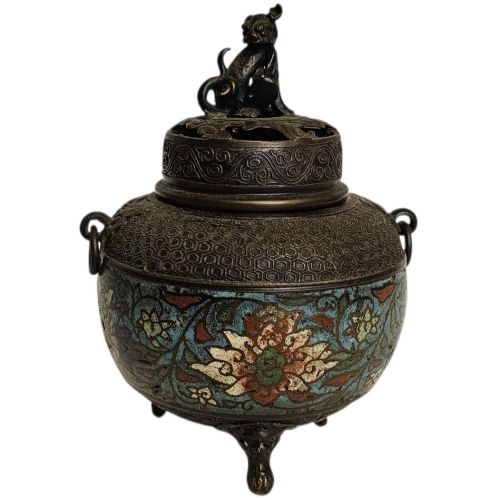
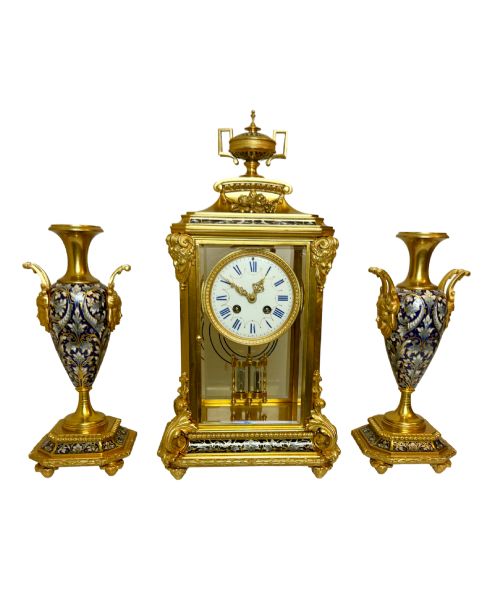
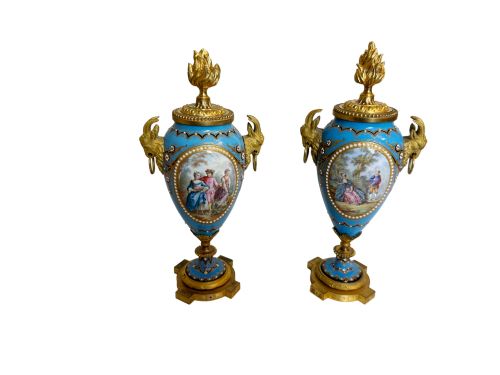
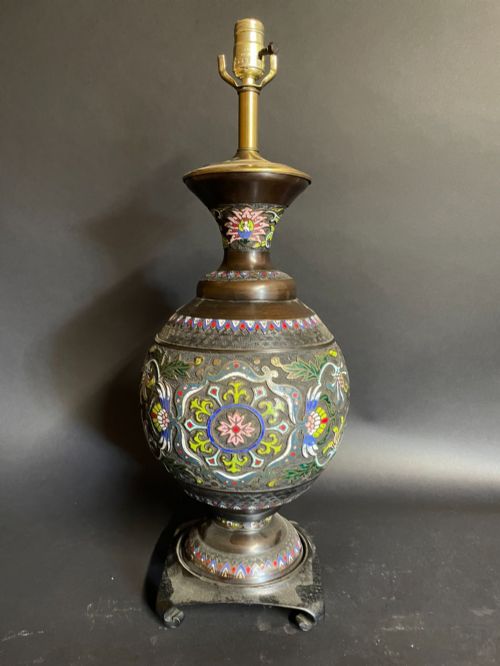
You are most likely to meet decorative vases, mantel clock garnitures, and table lamps fashioned from cast bronze or gilt bronze enriched with coloured enamel. Forms range from miniature ginger jars and cachepots to large floor vases and cassolettes.
Origin points divide clearly between European workshops influenced by French taste and Asian ateliers producing cloisonné and champlevé works for export. These objects function primarily as focal ornaments on mantelpieces, consoles, and side tables.
How they were made
The foundation rests on cast bronze, brass, or gilt bronze, sometimes supplemented by ormolu or copper mounts. Metalworkers shaped the bodies through casting or hammering before preparing the surfaces for ornamentation.
Enamelling techniques split into cloisonné, where wire partitions create cells for coloured glass paste, and champlevé, where troughs are gouged directly into the metal to hold the enamel. Firing melts the vitreous paste into a durable coloured layer that is subsequently ground and polished flush with the metal grid.
Several heavy bronze vases feature startled koi fish swimming eternally across rigid wire enamel ponds.
What varies in quality
The precision of the metal casting and the crispness of the wirework or cell-cutting determine the initial grade of the piece. Superior examples display microscopic regularity in the geometric or floral patterns, whereas simpler items show uneven wire placement and thicker solder lines.
The density and depth of the vitreous enamel itself distinguish finer works. Top-tier pieces utilise richly saturated colours without pitting or cloudiness in the glass paste, paired with fire-gilt bronze mounts that retain their original warm lustre.
The Enamelled Bronze Urn Glossary
- Cloisonné
- An enamelling technique where flat metal wires are soldered to a bronze base to form enclosed compartments for coloured glass paste. These wire boundaries remain visible on the finished surface as delicate metallic outlines.
- Champlevé
- A method where depressions are carved or cast directly into the bronze surface to receive vitreous enamel powder before firing. The surrounding metal walls separate the coloured fields.
- Gilt Bronze
- Bronze metal coated with a thin layer of gold through fire gilding or electroplating to impart a bright metallic golden hue. It often highlights the rims, handles, and feet of enamelled vessels.
- Cassolette
- A decorative dual-purpose vessel featuring a reversible lid that transforms an ornamental urn into a burner for incense or perfumes. They frequently appear in matched garniture sets.
- Cachepot
- An ornamental flowerpot holder designed to conceal a plain interior planting pot. These vessels often feature heavy bronze bases and rich enamel friezes.
- Ormolu
- Finely ground high-carat gold applied to a bronze base using a mercury amalgamation technique, yielding a rich matte and burnished golden finish. The term derives from the French for milled gold.
Enamelled Bronze Urn: Frequently Asked Questions
How do I clean an enamelled bronze urn?
Dust the surface gently with a dry, soft microfibre cloth to prevent accumulation in the recessed enamel channels.
Avoid liquid cleaners, abrasives, or chemical polishes, as these substances can strip fire gilding and damage the vitreous glass surface.
Were these urns used for ashes?
Most pieces catalogued under this description served purely decorative or domestic functions such as holding flowers or framing a mantel clock.
They were produced as ornamental showpieces for nineteenth-century reception rooms rather than funerary containers.
How do I tell Japanese from Chinese pieces?
Japanese Meiji period items often employ precise, restrained flora and fauna motifs set against fine wired bronze grids.
Chinese export wares from the Qing dynasty frequently utilise heavier bronze foundations with bolder, more symbolic colour palettes.
Can I convert these urns into lamps?
Many period pieces arrive wired for electricity or adapted as table lamps during the early twentieth century.
Original urns that have undergone conversion retain their structural integrity if the wiring avoids drilling through fragile enamel fields.