


Asian Decorative Enamelware
Asian decorative enamelware comprises striking vessels and plates built from copper, brass, and enamel, offering rich colour and intricate wirework for display.
Asian Decorative Enamelware
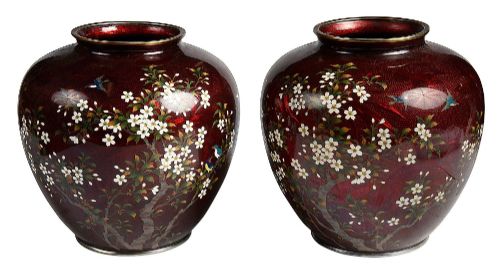
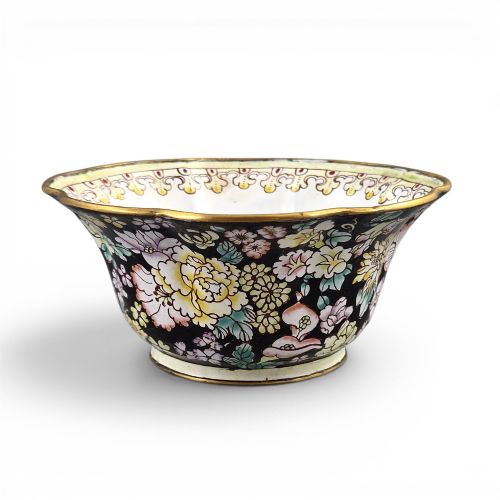
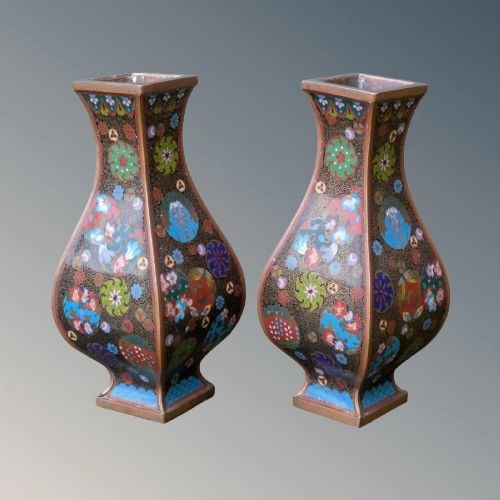
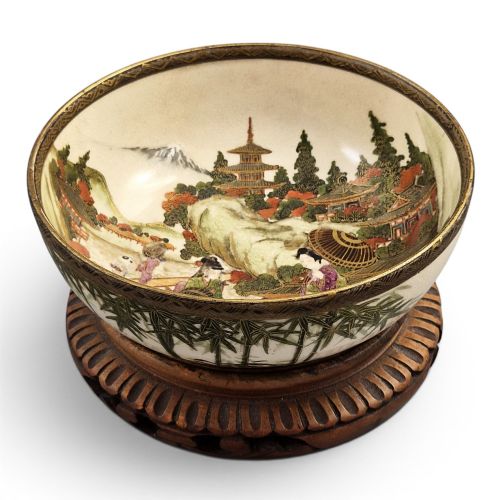
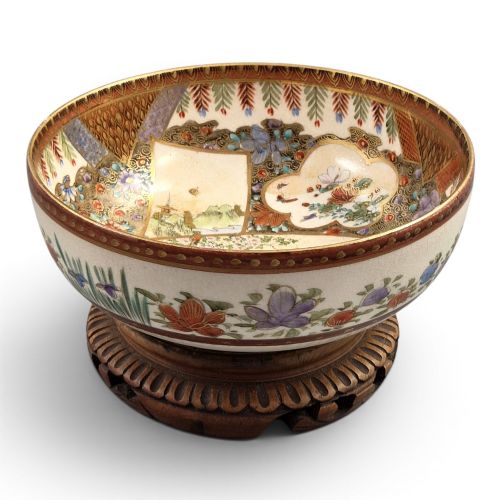
When you search for asian decorative enamelware, you encounter a selection of vessels and plates originating from Japanese and Chinese workshops across the eighteenth, nineteenth, and early twentieth centuries. The inventory leans heavily toward Japanese cloisonné vases and large chargers from the Meiji period, alongside Chinese enamel-on-copper bowls and lidded pots.
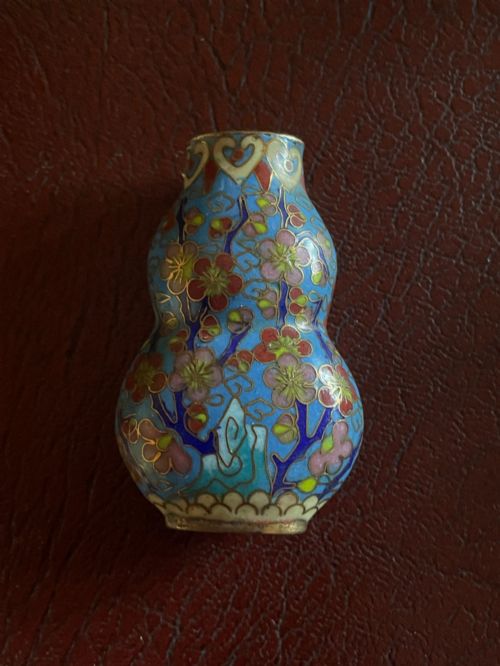
Forms range from miniature vases and snuff boxes to substantial wall chargers and lidded gourd pots featuring bird and dragon motifs. These pieces reflect distinct regional traditions of decorative art, spanning traditional Chinese styles and late Edo Japanese craftsmanship.
Buyers frequently find pairs of matching vases or large display plates designed primarily for visual impact. The selection demonstrates how makers applied coloured enamels to metal bases to create lasting ornamental objects.
Distinctions in craftsmanship and execution
The refinement of the wirework and the precision of the enamel filling dictate the calibre of an individual piece. Master artisans executed extremely fine, even wire grids with smooth, uniform enamel surfaces free from excessive pitting or distortion.
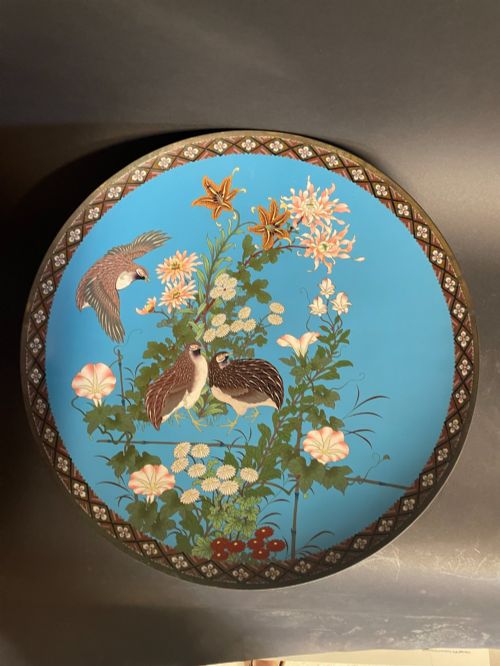
Complexity and scale also separate standard items from superior examples, particularly in large chargers featuring detailed pictorial subjects like dragons or birds. The crispness of the metallic lines and the harmony of the colour palette determine the overall success of the finished object.
Materials appearing across the inventory include copper, brass, gold leaf, and earthenware, supporting diverse enamel and wirework techniques.
Gyokkō·Kozan
The Asian Decorative Enamelware Glossary
- Cloisonné
- A metalwork technique where thin wires form raised barriers on a base to hold coloured enamel pastes. This method defines many of the vases and chargers seen in this category.
- Meiji Period
- A Japanese historical era spanning from 1868 to 1912 noted for prolific output in decorative arts. Pieces from this time often exhibit highly refined enamelwork and naturalistic motifs.
- Charger
- A large ornamental plate intended for display on a wall or stand rather than for dining use. These large surfaces frequently showcase elaborate dragon or bird decorations.
- Qing Dynasty
- A Chinese imperial period spanning from 1644 to 1911 associated with sophisticated enamel and porcelain production. Works from this era utilise traditional decorative styles and vibrant colour combinations.
- Enamel
- A glassy substance fused to a metal surface through kiln firing to provide colour and protection. It forms the primary decorative medium across these bowls and vases.
Asian Decorative Enamelware: Frequently Asked Questions
What is asian decorative enamelware?
Asian decorative enamelware encompasses ornamental vessels, bowls, and plates created by applying coloured glass pastes to metal bases in Chinese and Japanese workshops. These items rely on techniques like cloisonné and painted enamel to produce intricate patterns.
Craftsmen produced these works largely during the nineteenth and early twentieth centuries for export and domestic display. They remain collected today for their vibrant palettes and detailed metalwork.
How were these enamel pieces used?
Most of these objects served decorative purposes within interiors, acting as focal points on furniture or mounted for display on walls. Large chargers and decorative vases were designed to showcase the skill of the maker in reception rooms.
Smaller items like snuff boxes served personal, functional roles while maintaining high artistic standards. Lidded pots and jars also provided enclosed storage for small valuables.
How do I care for antique enamelware?
Antique enamel requires gentle handling and should be kept away from direct sunlight and extreme temperature fluctuations to protect the glass and metal. Dusting with a soft, dry cloth is usually sufficient for routine maintenance.
Avoid using liquid cleaners, chemical polishes, or abrasive cloths on the enamel or metal surfaces. Proper placement ensures the piece remains stable and secure from accidental knocks.
How can I tell Japanese from Chinese pieces?
Japanese Meiji period pieces often feature exceptionally fine, thin wirework and naturalistic depictions of birds, flowers, and dragons against dark or coloured backgrounds. Chinese works from the Qing period frequently employ bolder wire outlines and distinct traditional colour combinations.
Examining the base metal, overall style, and any signature marks helps clarify the geographic origin of the item. Comparing the decorative motifs to established regional traditions provides further guidance.