



Japanese Enamelware Plate
These japanese enamelware plate pieces combine intricate wirework and vitreous colour, offering a striking focal point for any interior collection.
Japanese Enamelware Plate
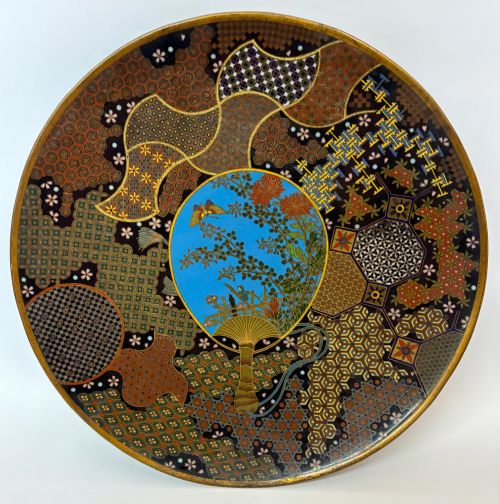
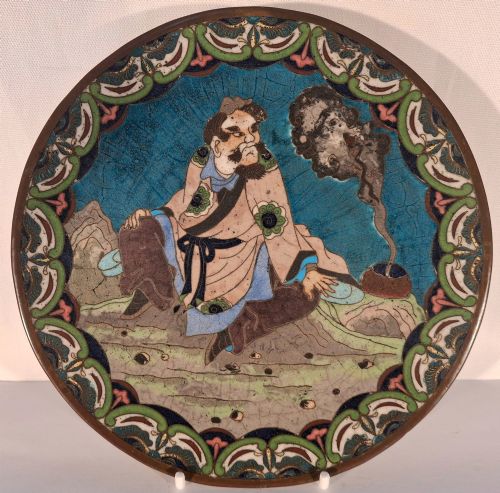
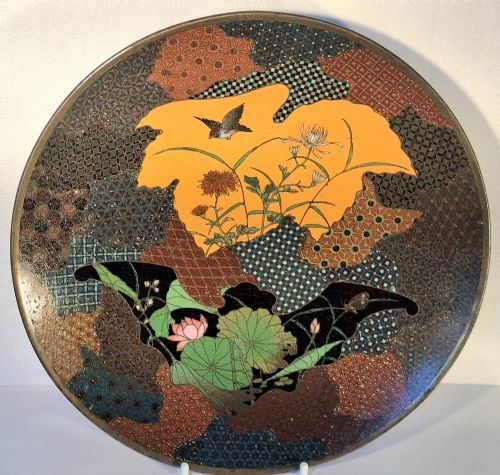
A japanese enamelware plate represents a rich tradition of metalwork and vitreous decoration originating from East Asia. When searching for a japanese enamelware plate, collectors encounter substantial chargers, decorative dishes, and octagonal trays designed for display rather than dining. These items emerge predominantly from the Meiji and late Edo periods, showcasing complex pictorial and symbolic motifs.
The forms span wide chargers, medium plates, and wall dishes featuring subjects such as dragons, birds, flowers, and landscapes. Most examples found here belong to the Meiji period, reflecting the height of technical mastery in metal and glass fusion. Each piece serves as a visual record of historical craftsmanship, often dominated by large-scale chargers and decorative trays.
How they were made
Artisans built these works on foundations of copper, brass, or bronze, shaping the metal into plates and deep chargers. They applied thin brass wire to form elaborate cell patterns, known as cloisons, which outline the intricate pictorial designs.
Vitreous enamel paste filled these individual metal cells before the pieces underwent high-temperature firing. Subsequent polishing revealed the metallic outlines alongside smooth, coloured glass surfaces that define the finished appearance.
Japanese Enamelware Plate Retail Price Guide 2026
Typical asking prices for japanese enamelware plate among the pieces listed under this phrase on Sellingantiques today, from the lower quarter to the upper quarter. They describe what is for sale here now, not the wider market.
Among the feathered subjects gracing these plates, a startled frog occasionally shares the metal landscape with blooming chrysanthemums.
What varies in quality
The refinement of the wirework largely distinguishes superior pieces from standard production, as exceptionally fine lines permit highly detailed imagery. Artisans who achieved precise symmetry and complex multi-coloured gradients produced works of notable distinction.
Subject matter also elevates a piece, with naturalistic scenes of birds, landscapes, or mythological figures displaying greater artistic ambition. The depth of the enamel gloss and the overall weight of the metal base contribute further to the standing of individual examples.
The Japanese Enamelware Plate Glossary
- Cloisonne enamel
- A technique where fine metal wire is soldered to a metal base to create compartments for coloured glass paste. This method allows intricate patterns to form across the surface of a plate.
- Vitreous enamel
- A material made by fusing powdered glass to a metallic substrate through high-firing. It provides a durable, glossy finish resistant to fading.
- Charger
- A large decorative plate traditionally intended for display on a sideboard or wall rather than practical use at the table. These items offer a broad canvas for complex pictorial decoration.
- Meiji period
- An era of Japanese history spanning from eighteen sixty-eight to nineteen twelve, noted for major artistic output and technical innovation in metalwork. Pieces from this time often exhibit advanced wirework techniques.
- Edo period
- The period preceding the Meiji era, characterised by traditional craftsmanship and distinct regional styles. Surviving items from the late phase of this era show early developments in decorative enamelling.
Japanese Enamelware Plate: Frequently Asked Questions
How do I hang a large charger?
Heavy chargers require secure, coated spring-clip hangers designed to distribute weight evenly across the rim without causing stress to the metal body. Ensure the wall fixing is anchored firmly into masonry or a stud.
Position the piece at eye level away from direct sunlight to preserve the vibrant tones of the vitreous enamel over time.
Are these plates meant for food?
These decorative objects serve purely as visual pieces of art rather than functional tableware. The metal and glass composition is intended for aesthetic display on walls or stands.
Using them for dining can risk damage to the delicate wire cells and the polished enamel surface.
How do I date a plate?
Dating relies on stylistic shifts, the complexity of the wirework, and the type of metal base employed. Late Edo examples often feature heavier construction, whilst Meiji pieces display increasingly refined and minute detailing.
Comparing the subject matter, such as mythological motifs versus natural landscapes, helps narrow down the era of production.
How do I clean an enamel plate?
Dust the surface gently with a soft, dry microfibre cloth to remove everyday particles without abrasive contact. Avoid using water, chemical solvents, or metal polishes which can harm the vitreous glass and exposed wire.
Regular careful dusting is sufficient to maintain the natural lustre of the piece.