


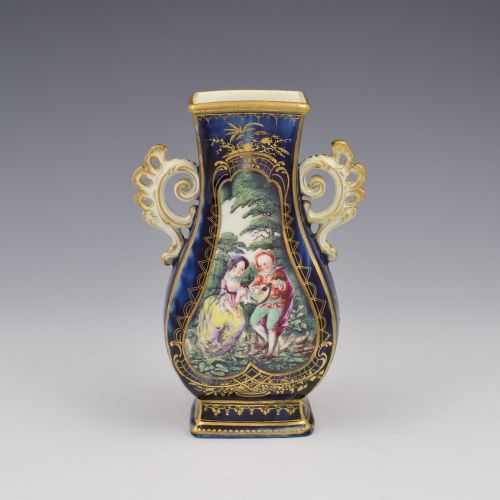


Cobalt Enamel Vase
These cobalt enamel vase examples bring deep blue grounds and bright enamel painting to any room, offering rich colour and historic craftsmanship.
Cobalt Enamel Vase
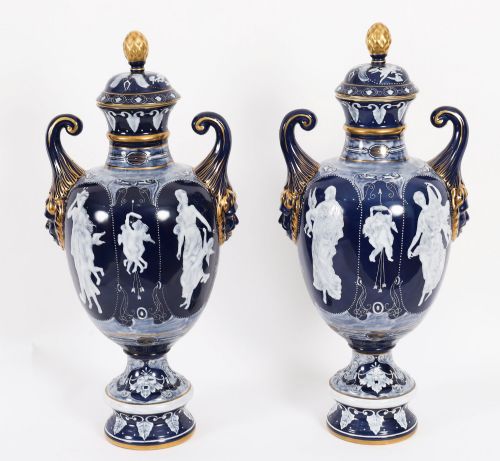
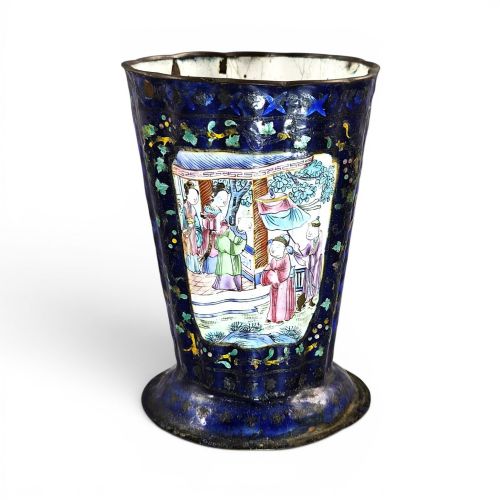
A cobalt enamel vase combines deep blue ceramic, glass or copper bodies with vibrant enamel painted decoration. When searching for a cobalt enamel vase, buyers encounter items ranging from English porcelain to Chinese copper vessels and Japanese Satsuma ware.
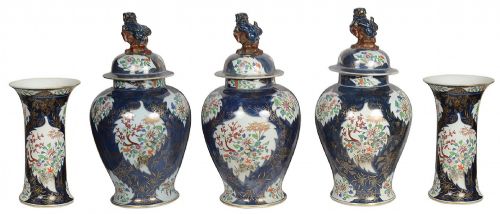
The pieces on this page span the eighteenth, nineteenth and early twentieth centuries. Forms include decorative vessels, mantle lustres, table lamps and garnitures alongside standard vases.
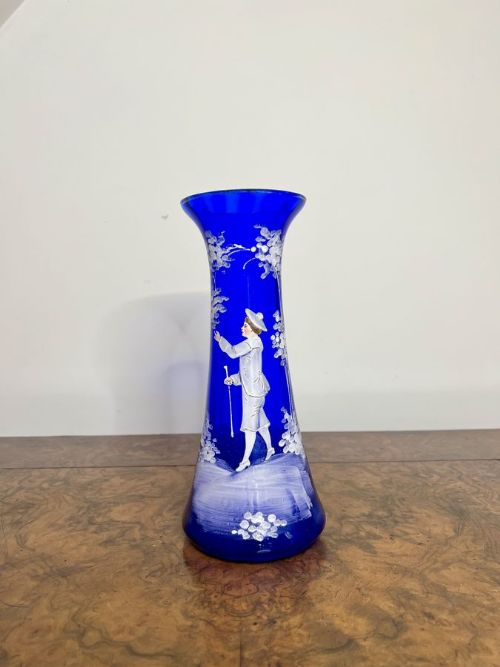
Victorian glass examples and Meiji period Japanese pieces appear frequently. Collectors also find eighteenth-century Chinese Canton enamel and English porcelain wares.
How they were made
Makers utilised porcelain, earthenware, glass and copper as foundations. Enamel paint and gold leaf were applied over cobalt grounds to create rich surface patterns.
Techniques range from moriage relief work on Japanese Satsuma ceramics to overlay glass cutting and cloisonne wirework. Painted scenes of figures, landscapes and flowers required steady hands and kiln firings to set the enamel colours.
Cobalt Enamel Vase Retail Price Guide 2026
Typical asking prices for cobalt enamel vase among the pieces listed under this phrase on Sellingantiques today, from the lower quarter to the upper quarter. They describe what is for sale here now, not the wider market.
Nineteenth-century glass lustres wear dangling crystal prisms like tiny glass earrings, catching every flicker of Victorian candlelight.
What varies in quality
The fineness of the enamel painting and gilding separates standard production from exceptional examples. Detail in figurative panels and the precision of moriage or gold leaf application dictate the standing of a piece.
The weight and clarity of the glass or porcelain body also influence the overall standard. Early porcelain bodies and complex overlay glass demonstrate greater skill in manufacture than later mass-produced items.
Chelsea Porcelain·Minton Porcelain·Nanzan
The Cobalt Enamel Vase Glossary
- Moriage
- A Japanese ceramic technique using clay slip piped onto the surface to create raised decorative patterns. This method often appears on Satsuma vases alongside cobalt and gilt details.
- Cloisonne
- An ancient technique for decorating metal object surfaces using strips of metal to form compartments filled with enamel paste. These are then fired and polished smooth.
- Garniture
- A set of three or more matching vases or decorative vessels designed to sit together on a mantelpiece or sideboard. They typically feature complementary sizes and matching painted scenes.
- Soft-paste porcelain
- A type of porcelain made from a clay mixture containing glass frit, fired at lower temperatures than hard-paste porcelain. It was widely used in eighteenth-century European factories.
- Overlay glass
- Glass formed by fusing two or more layers of different coloured glass together before cutting away parts of the outer layer. This reveals the contrasting colour underneath, as seen in mantle lustres.
Cobalt Enamel Vase: Frequently Asked Questions
What is a cobalt enamel vase?
It is a decorative vessel featuring a deep blue cobalt ground decorated with enamel paint, often enhanced with gold leaf or relief work. These objects were produced across Europe and Asia using materials such as porcelain, glass, earthenware and copper.
Such pieces served as decorative mantel ornaments or functional table wares in historic homes. Today, they remain popular for their striking colour contrast and intricate painted scenes.
How old are these vases?
The pieces listed span from the eighteenth century through the Victorian era and into the early twentieth century. Styles include eighteenth-century Rococo and Chinoiserie, nineteenth-century Victorian designs, and Meiji period Japanese works.
Dating relies on material characteristics, factory marks, and stylistic traits typical of specific periods. Eighteenth-century examples often feature soft-paste porcelain or Canton enamel, while later items include Satsuma earthenware and Victorian glass.
How do I care for antique enamel vases?
Clean these items gently with a dry, soft cloth to remove dust. Avoid using water, abrasive cleaners or chemical solvents, as these can damage delicate enamel paint, gold leaf and surface glazes.
Keep them away from direct sunlight and areas with fluctuating temperatures to protect the materials. Glass and ceramic bodies remain stable but benefit from careful handling during dusting.
How are Japanese Satsuma vases identified?
Japanese Satsuma vases feature a characteristic cream-coloured earthenware body with a fine network of crackle glaze. They are frequently decorated with cobalt blue grounds, heavy gilding, and raised moriage figural or floral panels.
Many bear artisan or studio signatures, such as the Nanzan mark, painted on the base. These pieces date predominantly from the Meiji period and the late nineteenth to early twentieth centuries.