



Japanese Enamel Flower Vase
A Japanese enamel flower vase brings intricate metalwork and vibrant colour into a room, offering refined artistry from historic Asian workshops.
Japanese Enamel Flower Vase
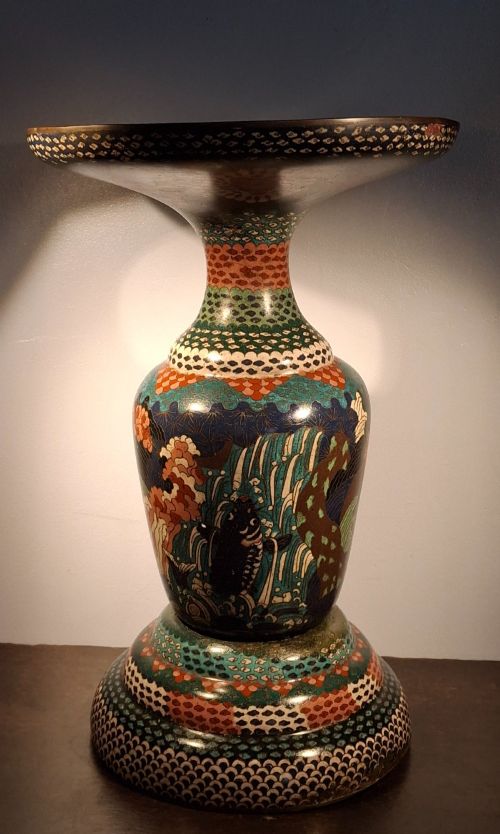
When buyers search for a japanese enamel flower vase, they encounter decorative vessels shaped from copper, brass, and bronze, embellished with coloured vitreous pastes. These objects originate from distinct historic eras, with many examples emerging from the Meiji period and the subsequent Showa period.
The pieces on this page appear as vases and larger jardinieres, utilising traditional metalworking techniques. Buyers frequently meet works attributed to noted makers and workshops, demonstrating detailed flora and fauna motifs.
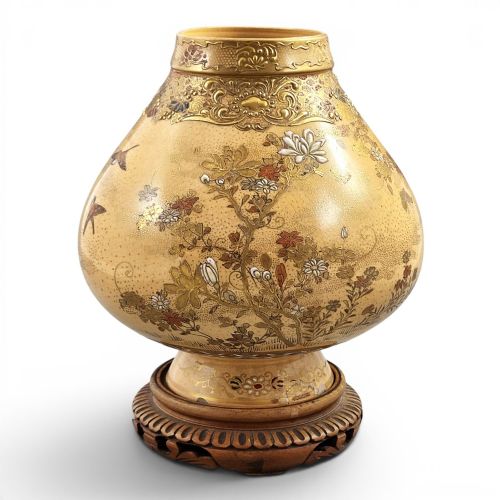
The selection ranges from nineteenth-century Satsuma earthenware creations with enamelled details to intricate wire-work cloisonné vessels. Each form reflects the specific aesthetic standards of its respective decade of production.
Materials and construction methods
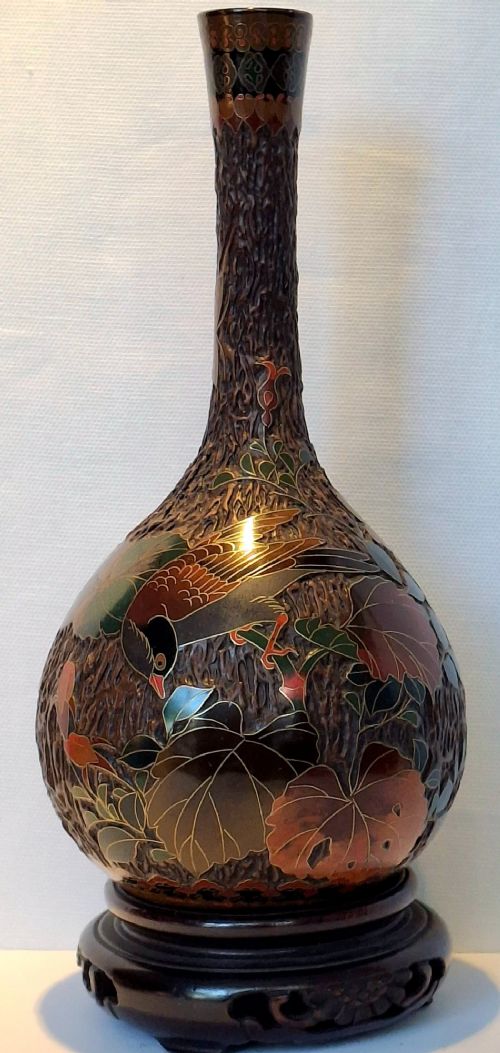
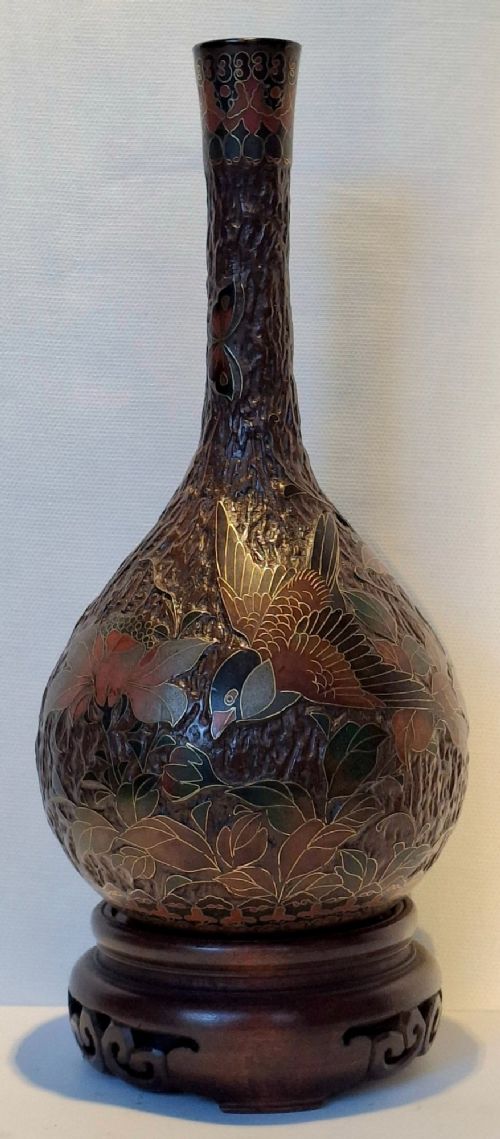
Artisans constructed these vessels using copper, bronze, and silver wire to outline delicate patterns on metal bases. Workers applied coloured enamel pastes within these compartments before firing the pieces in kilns to achieve a hard, glass-like finish.
Certain vessels incorporate silver wire cloisonne and ginbari techniques, utilising translucent red enamel over textured foil grounds known as basse-taille. Other examples combine earthenware and stoneware bodies with painted and enamelled surface decoration.
Japanese Enamel Flower Vase Retail Price Guide 2026
Typical asking prices for japanese enamel flower vase among the pieces listed under this phrase on Sellingantiques today, from the lower quarter to the upper quarter. They describe what is for sale here now, not the wider market.
Listings feature copper, bronze, and silver materials alongside earthenware bodies, representing Meiji and Showa periods.
Distinctions in quality and execution
Quality separates objects through the precision of the wirework and the uniformity of the fired enamel surface. Finer examples display immaculate cell separation and complex pictorial subjects such as birds and flowers without surface pitting or warping.
The presence of clear maker marks or workshop signatures, such as those from Ando Jubei or the Kinkozan workshop, elevates the standing of a piece. The integration of specialised techniques like ginbari and basse-taille indicates higher levels of artisan skill.
Kinkozan Workshop·Ando Jubei·Makuzu Kozan II·Tamura Yukio
The Japanese Enamel Flower Vase Glossary
- Cloisonne
- A decorative metalwork technique where fine wires form raised barriers on a metal base to hold coloured enamel pastes. Artisans then fire the vessel to fuse the glass-like decoration.
- Ginbari
- A Japanese enamelling method featuring a textured or patterned foil ground beneath translucent enamel. This technique creates a distinctive reflective depth across the surface of the vase.
- Basse-taille
- An enamel technique where the metal background is carved or engraved so that translucent enamel reveals a relief pattern beneath. It adds dimensional shading to floral and avian motifs.
- Satsuma
- A type of Japanese earthenware featuring a pale, ivory-crackled glaze decorated with polychrome enamels and gold gilt. Many such pieces date from the Meiji period.
- Jardiniere
- An ornamental ceramic or metal pot designed to hold growing plants or flower arrangements. These vessels often match the decorative enamel styles of smaller vases.
Japanese Enamel Flower Vase: Frequently Asked Questions
How do I identify Meiji period pieces?
Meiji period items frequently exhibit intricate craftsmanship, including detailed silver wire cloisonne and marked workshop attributions. The era spans from the late nineteenth century into the early twentieth century.
Examining the base metal, wire thickness, and signature marks helps determine whether a piece belongs to this historical window.
Where were these vases made?
These decorative vessels were produced in specialised Japanese workshops and potteries by skilled artisans. Prominent makers operated in cultural centres like Kyoto during the nineteenth and twentieth centuries.
Workshop signatures and marks stamped or engraved on the base often indicate the specific maker or origin.
How should I display a cloisonne vase?
Display these vases in spaces where adequate lighting highlights the reflective qualities of the enamel and metal wirework. Placing them on stable surfaces away from direct, harsh sunlight protects the coloured finishes.
They function well as standalone decorative objects or paired with minimalist floral displays that complement their intricate surface patterns.