




Asian Carved Figurine
An Asian carved figurine brings tactile presence into a room, fashioned from dense hardwoods, cool jade and fragrant boxwood across the nineteenth and early twentieth centuries.
Asian Carved Figurine
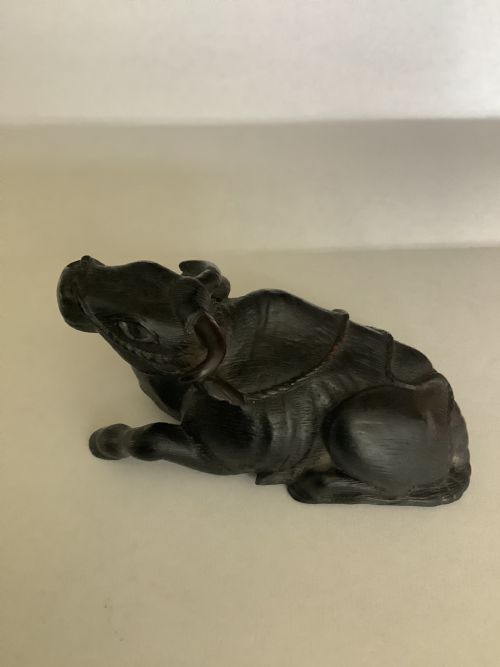
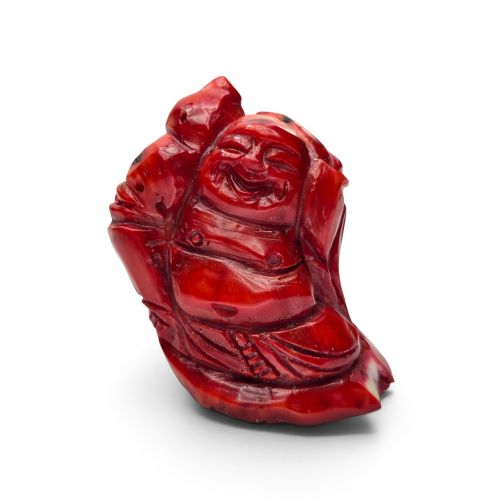
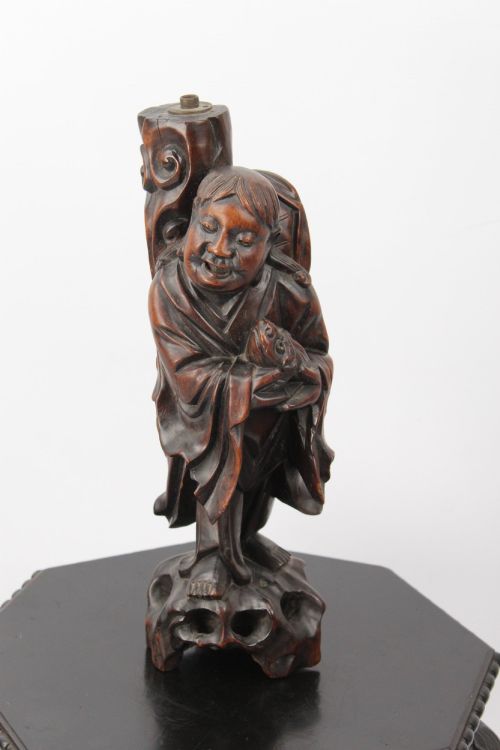
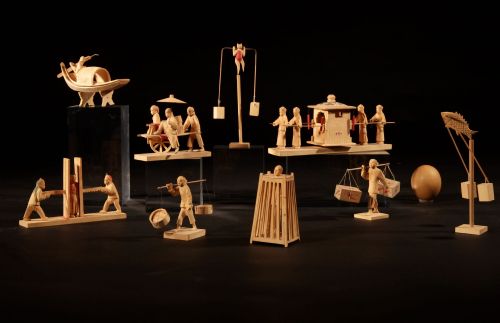
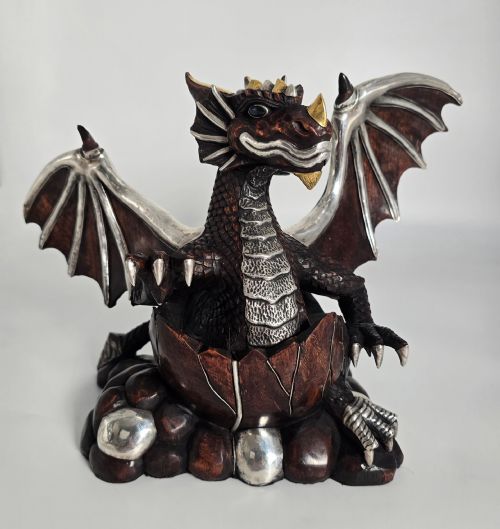
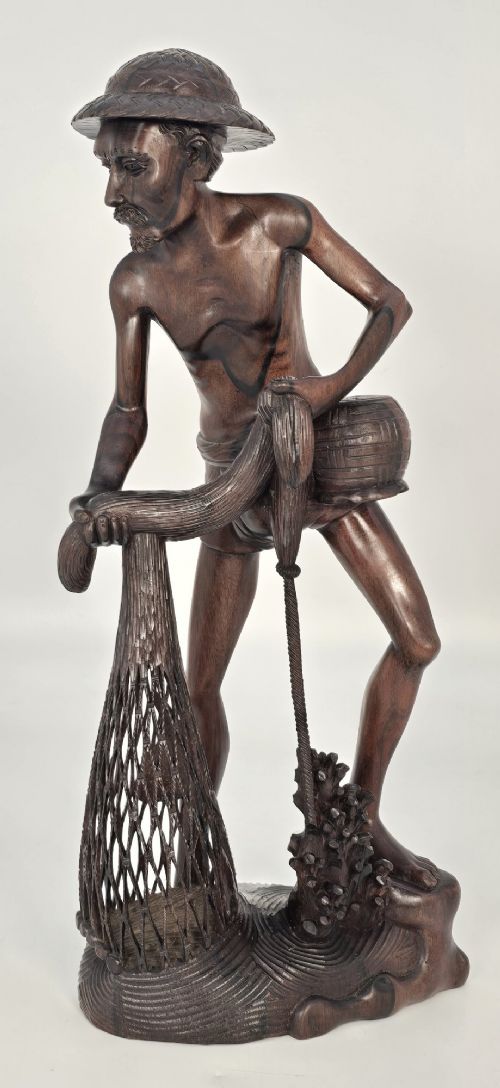
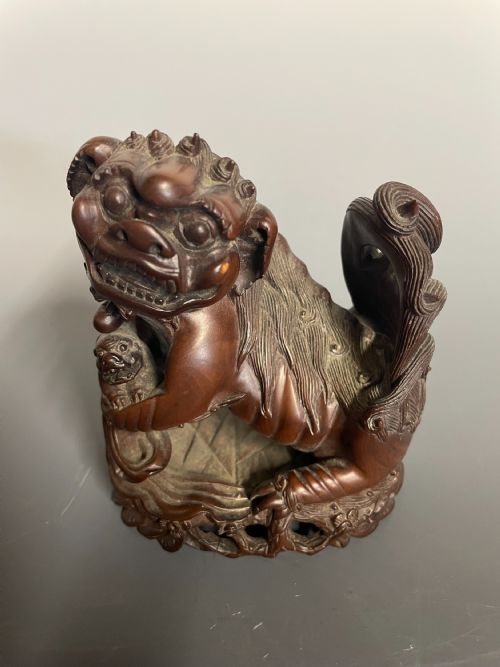
An Asian carved figurine encompasses small handheld okimono, netsuke toggles, and larger sculptural figures depicting deities, fishermen, and animals. The version you encounter most frequently on this page is the nineteenth-century hardwood carving, often originating from Chinese workshops or Japanese Meiji period studios.
Subjects span traditional deities such as Budai and Fukurokuju, alongside daily scenes of fishermen and animals carved from root wood, boxwood, and bamboo. These pieces reflect distinct regional aesthetics, from the naturalistic animals of Japanese carvers to the symbolic deities and auspicious ducks of Chinese traditions.
Periods represented stretch from the late eighteenth century through the Edwardian era and the nineteen-thirties, incorporating Qing Dynasty styles and Meiji period craftsmanship. The materials themselves dictate the character of each piece, whether dense burr root, translucent jade, or polychrome wood.
Materials and Techniques
Carvers utilised dense organic materials, principally boxwood, hardwood, root wood, and bamboo, selecting timber with natural grain patterns to give life to figures and animals. Artisans worked directly with the contours of gnarled roots and branches, incorporating natural irregularities into robes, postures, and backgrounds.
Sculptural forms range from miniature jade fish and netsuke to large temple deities and Daoist immortals.
Evaluating Quality
The distinction between ordinary and superior pieces rests entirely upon the depth of the carving and the sensitivity of the hand. Master carvers exploited the natural grain of boxwood or hardwood to define facial expressions, hair strands, and fabric folds with precision rather than relying on surface paint.
Patina plays a primary role, where decades of handling have deepened the tone of the wood and softened sharp edges into a warm lustre. Proportion, balance, and anatomical plausibility separate workshop pieces from ambitious studio works signed by recognised makers.
The Asian Carved Figurine Glossary
- Okimono
- A Japanese freestanding ornamental carving designed for display on a tokonoma or shelf rather than for practical wear. These decorative sculptures typically depict figures, deities, or animals from daily life.
- Netsuke
- A small carved toggle fastened to the end of a cord on a traditional Japanese pouch or medicine box. They feature an integrated cord channel and date frequently to the nineteenth century.
- Boxwood
- A dense, pale yellow timber favored by carvers for its fine, even grain and suitability for miniature detail. It ages over time to a deep golden amber patina.
- Patina
- The surface sheen and coloration developed through age, light exposure, and handling by human hands. A desirable patina signals authenticity and prolonged interaction with the piece.
- Root wood
- Timber sourced from the gnarled underground roots of trees, shaped by carvers into organic forms and figures. The natural twists dictate the final silhouette of the sculpture.
Asian Carved Figurine: Frequently Asked Questions
How do I care for wooden figurines?
Keep wooden sculptures away from direct sunlight and sudden temperature shifts that can dry out the timber and cause splits. Dust them gently with a soft, dry brush without applying modern polishes or oils.
Allow the natural oils from the wood to breathe beneath its accumulated patina. Stable indoor humidity preserves both boxwood and hardwood over the decades.
What is the difference between an okimono and a netsuke?
An okimono is a standalone decorative sculpture meant for display on a flat surface. A netsuke is a small toggle equipped with holes for a cord, designed to secure a pouch.
While both share meticulous carving styles from the Meiji period, their original functions in Japanese daily dress and interior decoration set them apart.
How can I tell Chinese carvings from Japanese ones?
Chinese carvings often focus on Daoist and Buddhist deities, auspicious symbols like Mandarin ducks, and deep-relief hardwood figures. Japanese pieces from the Meiji era frequently emphasise naturalism in animals and expressive genre scenes.
Examining the chosen wood, subject matter, and signature style usually clarifies the regional origin of the piece.
Are these figures signed by the artists?
Certain pieces carry artist signatures or school marks inscribed directly into the wood, particularly nineteenth-century Japanese netsuke and okimono. Many traditional Chinese hardwood and root wood carvings remain unsigned, reflecting workshop production.
Signatures add historical context but should be evaluated alongside the overall quality of the carving.