


Arts and Crafts Vases
These arts and crafts vases combine utility with natural forms, offering a distinct design aesthetic for the home.
What Arts and Crafts Vases Are
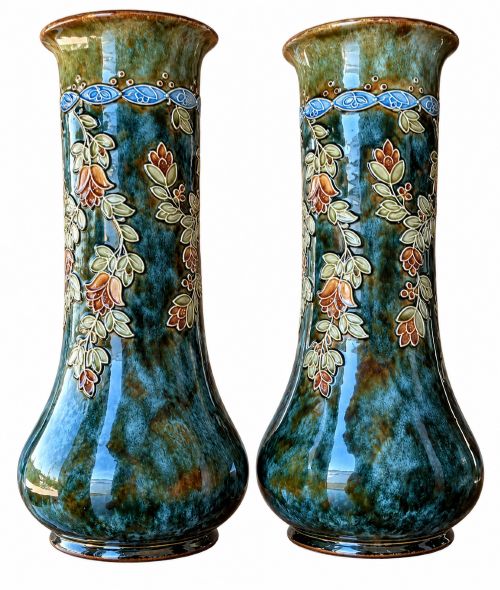
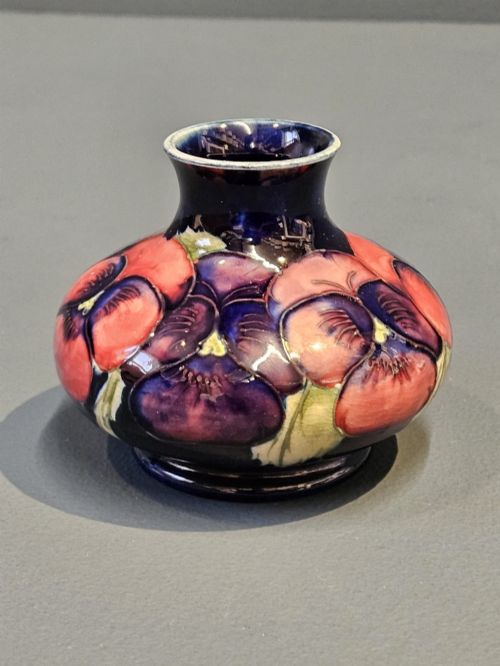
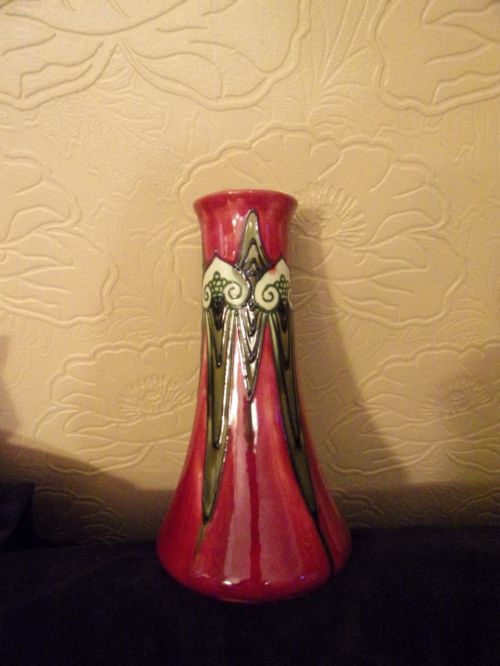
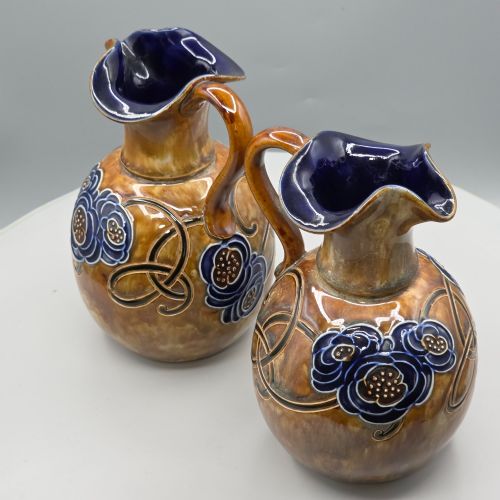
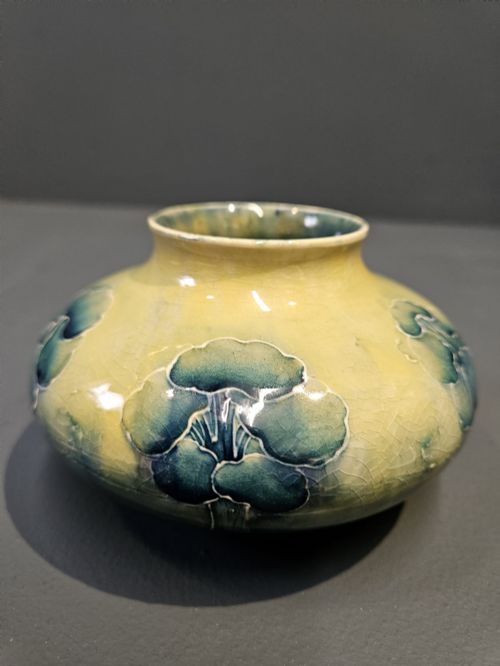
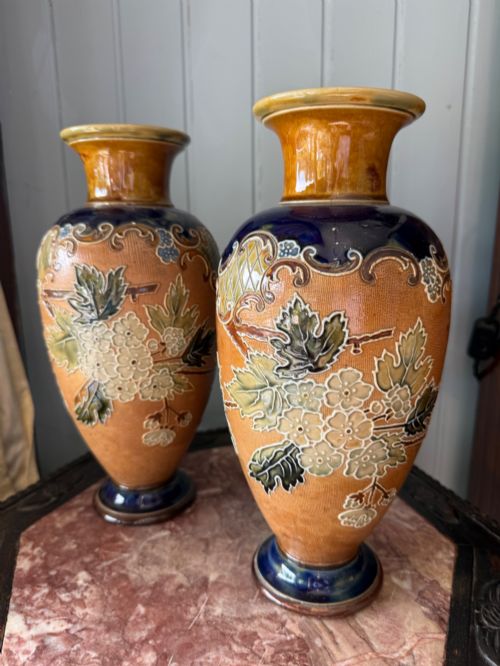
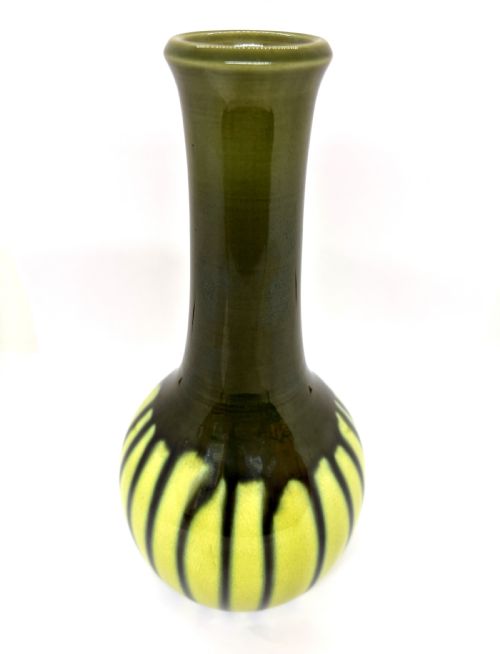
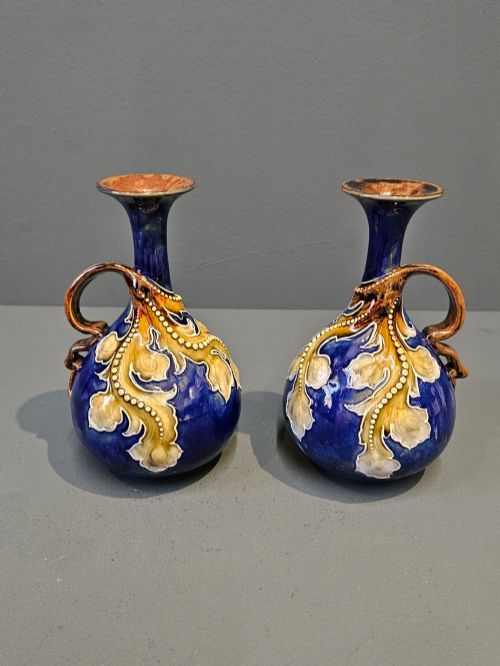
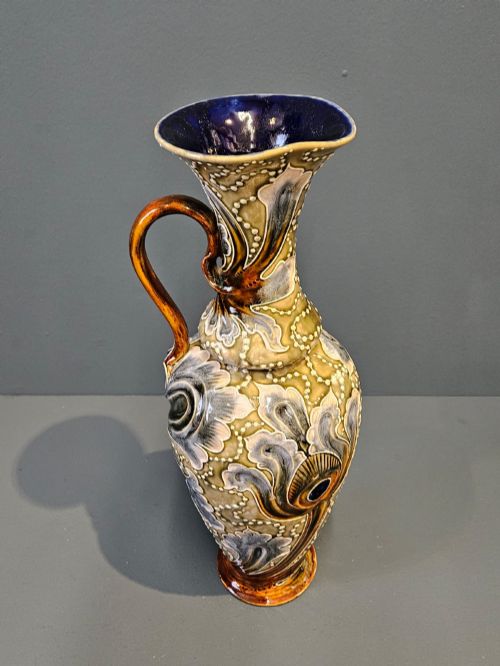
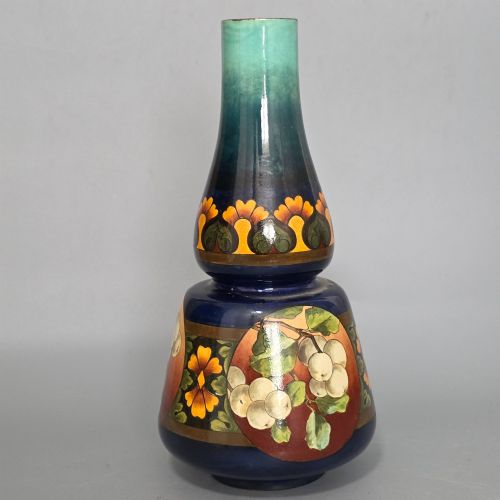
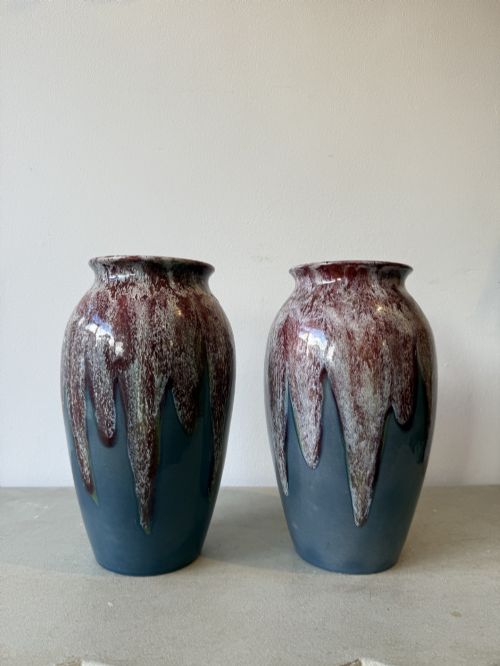
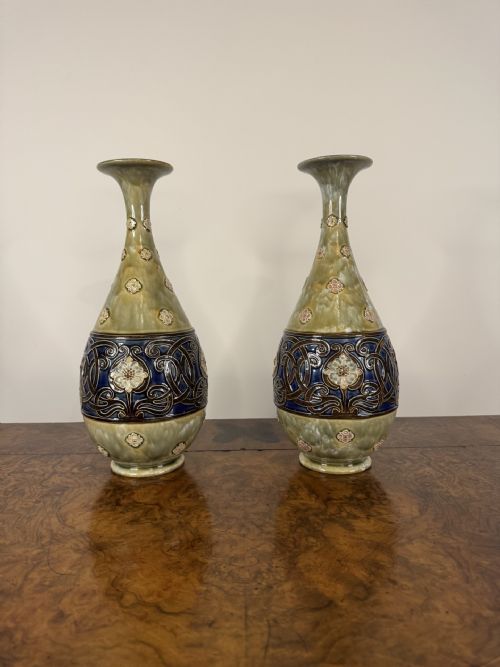
Buyers seeking arts and crafts vases encounter a variety of forms including baluster vessels, decorative urns, trumpet shapes, and handled configurations. These objects reflect the design movements of the Victorian period, 1880, 1900, and 1910.
The pieces listed on this page span ceramic mediums alongside metalwork examples. Most common are stoneware, earthenware, and glazed ceramics, accompanied by brass, silver plate, base metal, copper, pewter, and glass.
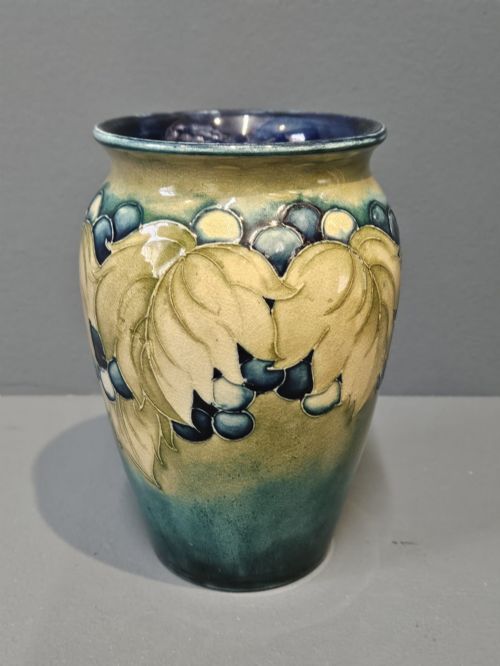
Stylistically, the selection bridges Victorian arts and crafts traditions with Art Nouveau sensibilities. Makers utilised these design languages to create decorative vessels that served both ornamental and practical functions in domestic spaces.
How They Were Made
Ceramic examples of arts and crafts vases were shaped from earthenware and stoneware, utilising applied glazes to achieve specific surface finishes. Potters formed these vessels on wheels or in moulds before firing and glazing.
Metal versions utilised brass, silver plate, copper, pewter, and base metal, often shaped through hammering and joining techniques. Some metalwork incorporated applied silver mounts or structural handles to complete the design.
Glass vessels were produced through blowing techniques, sometimes paired with metal overlays in pewter to create contrasting textures.
Retail Price Guide 2026
Typical UK retail prices for arts and crafts vases, calculated from the Sellingantiques database of over a million retail prices indexed since 2003. This retail price guide relies exclusively on Sellingantiques data; no external sources or auction records are used, so the figures do not describe the wider market.
Listings span ceramic bodies in stoneware and earthenware alongside metal forms in brass, copper, pewter, and silver plate.
What Varies in Quality
Quality in these vases rests on the precision of the form and the depth of the glaze or metalwork finish. Pieces displaying balanced proportions and deliberate surface detailing command higher regard among collectors.
The reputation of the workshop or maker influences the standing of a piece within the range. Execution by named designers or established potteries introduces greater refinement in both ceramic bodies and metal mountings.
Royal Doulton·TG Green·Minton Secessionist·Doulton Lambeth·Liberty And Co·A E Jones
The Arts and Crafts Vases Glossary
- Baluster
- A vertical ceramic form characterised by a rounded body that tapers toward the neck. This shape appears frequently in stoneware and earthenware vessels from the period.
- Stoneware
- A dense, hard ceramic material fired at high temperatures until impervious to liquids. It forms a durable body for glazed decorative vessels.
- Art Nouveau
- A design style emphasising organic, flowing lines and natural motifs. This aesthetic heavily influences many of the ceramic and metal pieces from 1900 and 1910.
- Silver Plate
- A base metal foundation coated with a thin layer of silver. This technique provided the appearance of solid silver for trumpet vases and domestic objects.
Frequently Asked Questions
What materials are these vases made from?
The pieces encompass both ceramic and metal mediums. Stoneware, earthenware, and glazed ceramic bodies appear alongside brass, copper, pewter, silver plate, and glass.
Some designs combine materials, incorporating metal mounts or pewter overlays onto glass and ceramic vessels.
How do I date an arts and crafts vase?
Dating relies on stylistic markers, materials, and maker marks recorded on the piece. Examples range from Victorian productions of 1880 to later works from 1900 and 1910.
Art Nouveau influences and specific factory stamps help narrow the production era for ceramic and metalwork items.
Were these metal vases used for flowers?
Metal vessels in brass, copper, and silver plate functioned as decorative urns or holders for floral arrangements. Trumpet shapes and twin-handled forms supported cut stems within domestic interiors.
Some surviving metal forms also served double duty as candlesticks alongside their primary use as vases.
How should I display ceramic and metal vases?
These decorative vessels suit placement on mantels, tables, or shelving where their form and glaze can be appreciated. Pairing pairs of baluster or trumpet vases creates balanced symmetrical arrangements.
Care should be taken to protect surfaces beneath metal and ceramic bases, particularly on antique pieces with unglazed feet or patinated metal.