

Art Deco Vanity
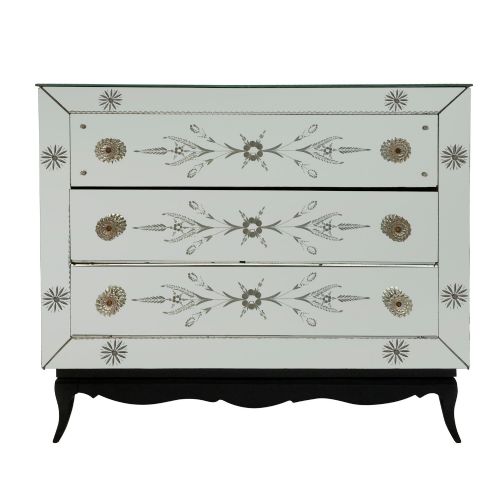
When collectors search for an art deco vanity, they find a diverse selection of period dressing tables, compacts, and mirrored storage pieces.
Art Deco Vanity
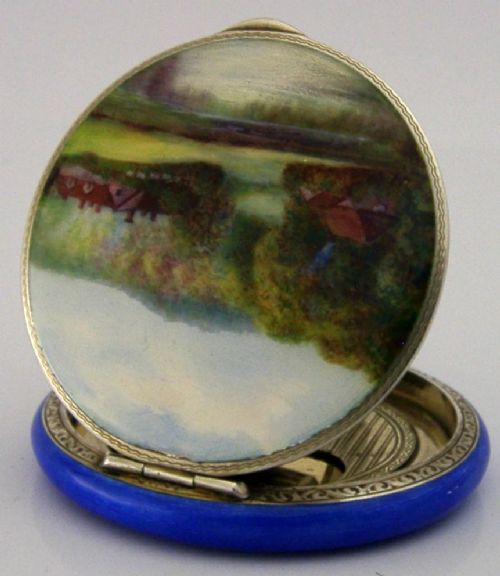
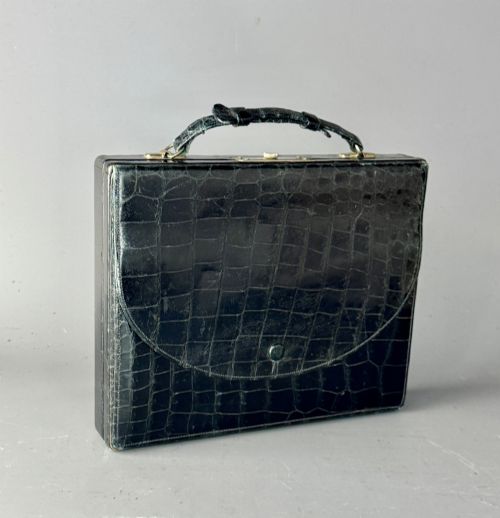
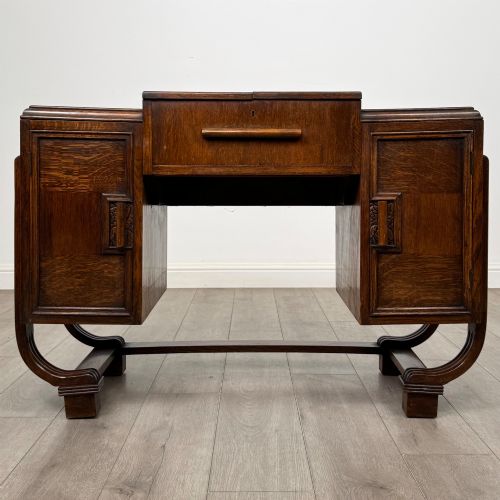
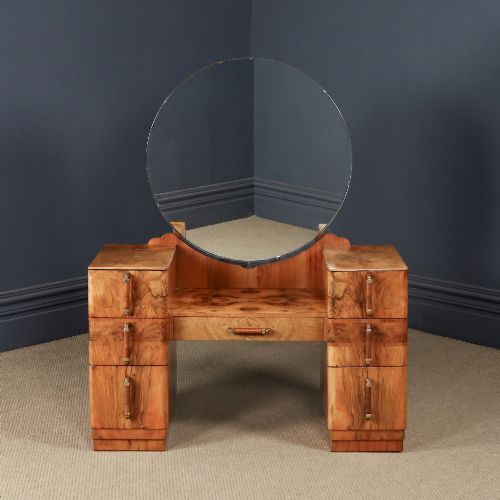
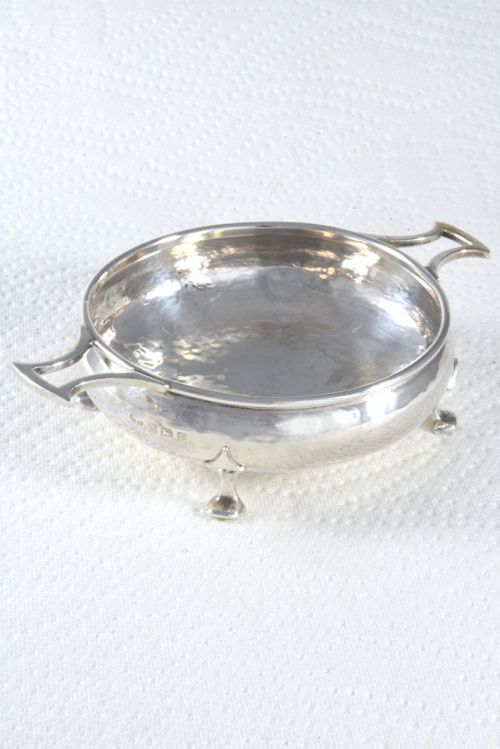
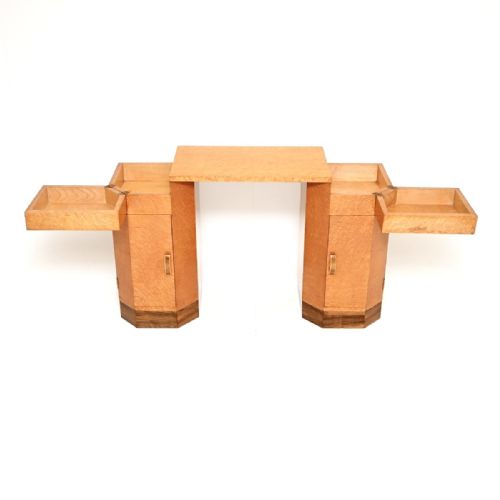
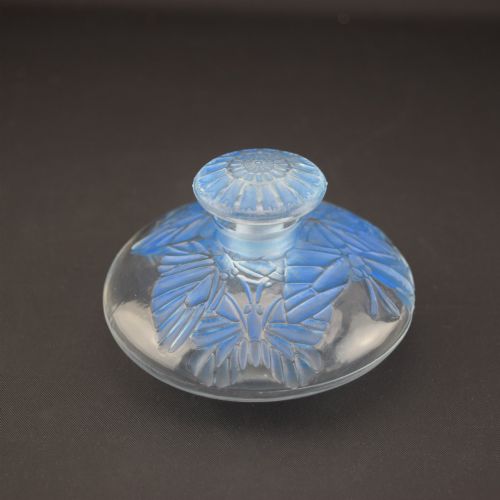
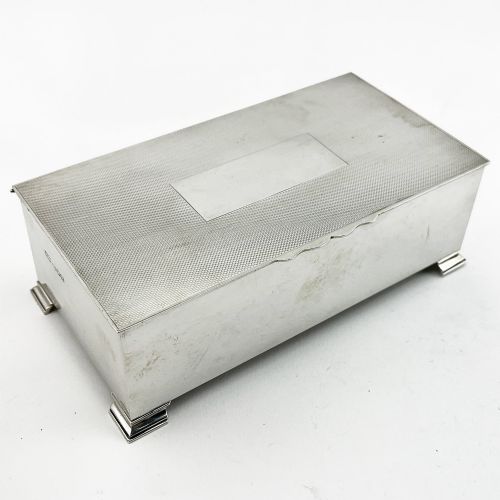
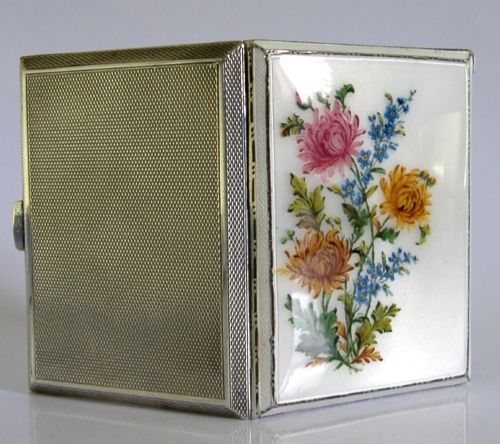
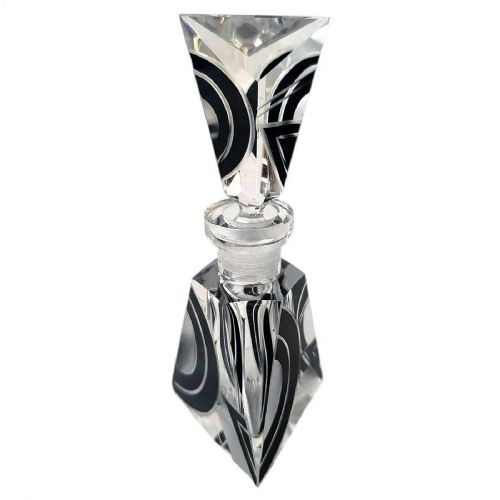
An art deco vanity encompasses large furniture pieces like pedestal dressing tables and pedestal desks, alongside smaller accessories such as powder compacts, glass perfume bottles, and enamel jars. The material record spans the 1920s and 1930s, reflecting the geometry and clean lines characteristic of the period.
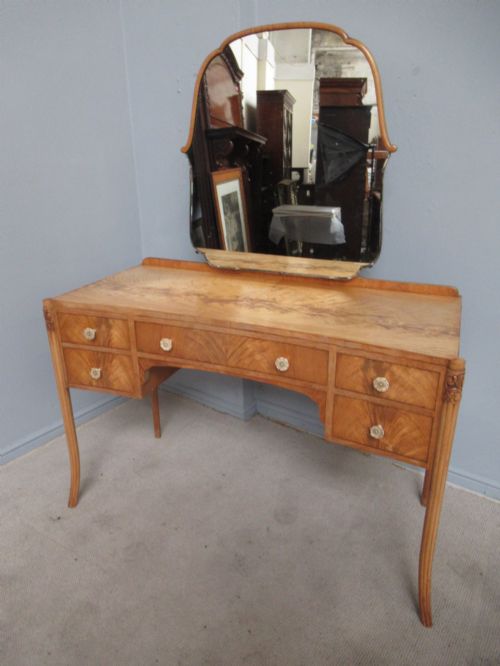
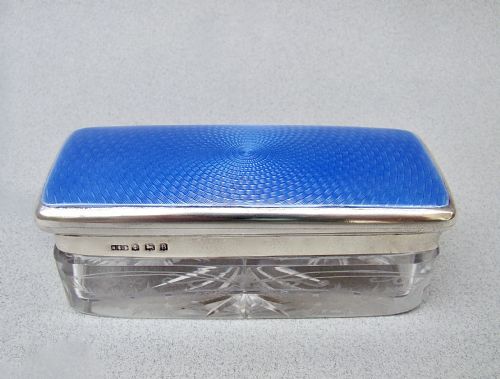
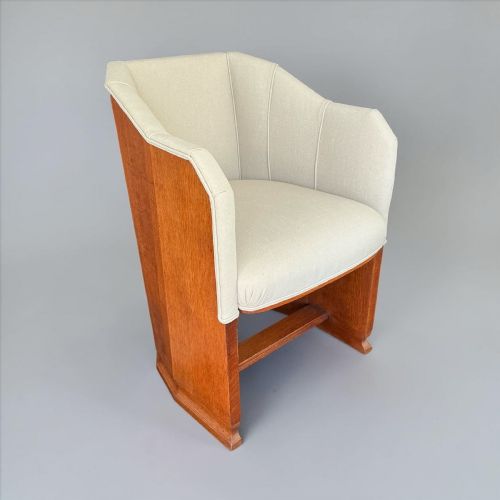
The dressing table forms often feature fitted mirrors and matching stools in woods like burr walnut, maple, and oak. Meanwhile, smaller dressing items incorporate sterling silver and guilloche enamel details produced across England and France.
Materials and construction
Makers utilised rich wood veneers including burr walnut, birdseye maple, and figural walnut over sturdy timber bases to create striking geometric grain patterns on large furniture. Smaller items combine sterling silver mounts with transparent or coloured cut glass and translucent enamel layers.
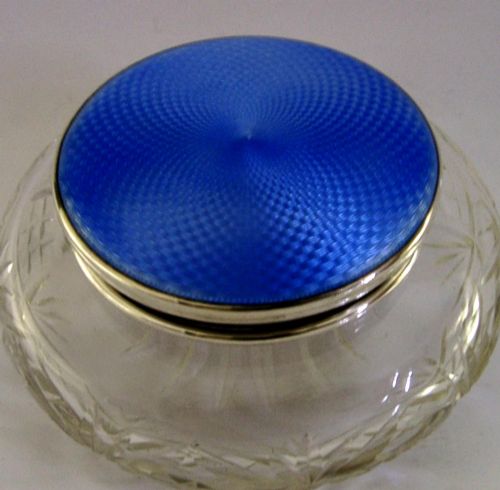
Craftsmen applied specialised techniques such as engine-turned guilloche engraving beneath coloured enamel on silver compacts and jars. Woodwork from the era relies on clean veneers, streamlined silhouettes, and integrated mirror frames.
Listings feature dressing tables and chairs executed in burr walnut, oak, and birdseye maple from the 1920s and 1930s.
Assessing quality in period pieces
The standard of an art deco vanity rests upon the choice of veneer symmetry, the precision of silver hallmarks, and the crispness of any guilloche enamel work. Superior examples exhibit balanced wood grains across large surfaces and intact, undamaged enamel layers without restoration.
Construction details such as dovetailed drawers on dressing tables and the weight of solid sterling silver mounts distinguish high-end studio output from standard commercial production of the period.
Harry and Lou Epstein·Frank Taylor And Co·Bath Cabinet Makers·Henry Clifford Davis·Albert Carter
The Art Deco Vanity Glossary
- Guilloche enamel
- A decorative technique involving precise mechanical engraving beneath a translucent coloured enamel layer. This method was widely applied to silver vanity jars and compacts during the 1920s and 1930s.
- Burr walnut
- A highly figured wood grain obtained from walnut tree growths, prized for its swirling patterns. It frequently serves as a primary veneer on pedestal dressing tables and desks.
- Pedestal dressing table
- A large vanity furniture form featuring flanking banks of drawers supporting a central mirror surface. These pieces often showcase matched wood veneers.
- Vanity jar
- A small glass or silver container designed for dressing table use to hold creams or powders. Lids commonly feature enamel work or sterling silver mounts.
- Atomiser
- A perfume spray bottle utilising a squeeze bulb mechanism to disperse scent. Period examples often incorporate cut glass and metal hardware.
Art Deco Vanity: Frequently Asked Questions
What defines an art deco vanity?
An art deco vanity comprises dressing furniture and tabletop accessories produced primarily during the 1920s and 1930s. Pieces range from large burr walnut dressing tables to small silver enamel compacts and perfume bottles.
Design traits include geometric symmetry, streamlined silhouettes, and the use of contrasting materials such as exotic wood veneers and coloured glass.
How do I identify period materials?
Period furniture relies on distinct veneers like birdseye maple, satinwood, and burr walnut applied over solid foundations. Tabletop accessories typically feature hallmarks on sterling silver alongside glass or enamel.
Closer inspection reveals genuine age through traditional drawer joinery and period-specific metal manufacturing techniques.
Where were these items made?
The pieces originate predominantly from workshops and factories across England and France. Notable silversmiths operated in manufacturing hubs like Birmingham and London.
Cabinet makers and design studios produced matching bedroom suites and standalone dressing furniture for domestic interiors.
How should I care for wood and enamel?
Burr walnut and maple surfaces require gentle dusting and protection from direct sunlight and excessive moisture to preserve the wood veneer. Enamel and silver components benefit from careful cleaning with soft cloths without harsh chemical abrasives.
Maintaining stable room humidity prevents timber movement and preserves delicate surface finishes.