






Circular Mirror Vanity
A circular mirror vanity piece offers the clean symmetry of round glass combined with the practical design of a dressing or shaving station.
Circular Mirror Vanity
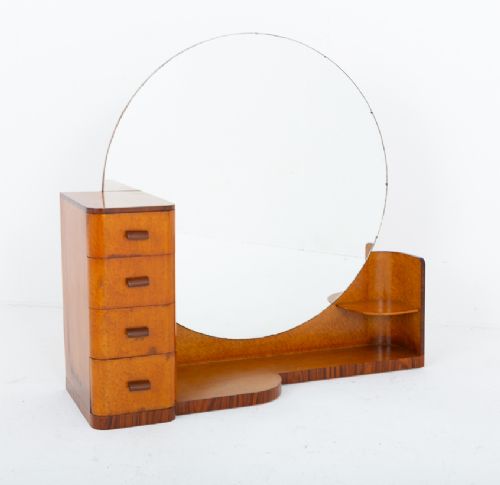
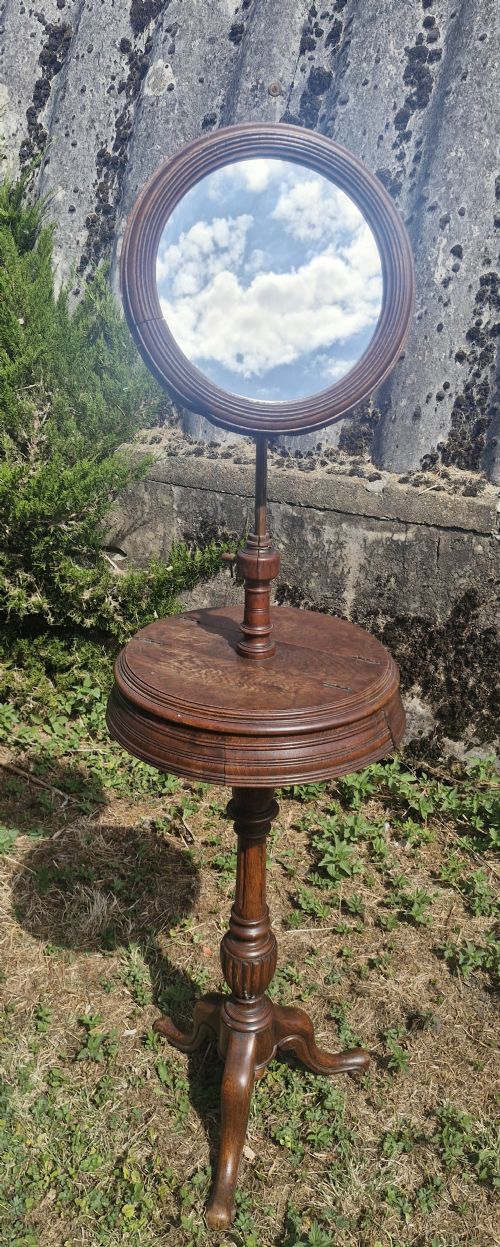
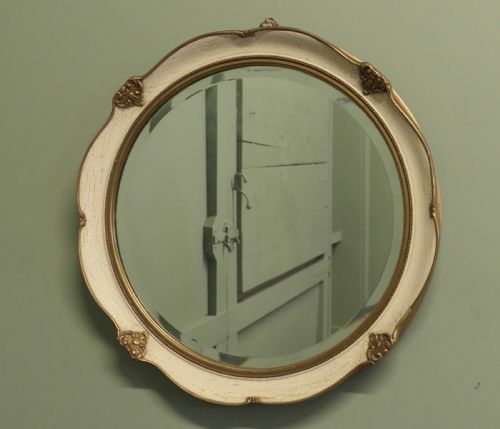
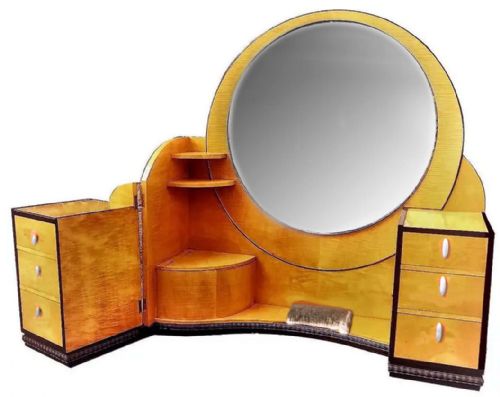
A circular mirror vanity encompasses a varied group of antique and vintage furnishings designed for personal grooming and dressing. Buyers searching for a circular mirror vanity will find dressing tables, shaving stands, wall mirrors, and tabletop glasses spanning several distinct historical periods. The pieces appearing here range from Regency and Victorian stands to Art Deco walnut tables.
The most common forms on this page include Art Deco dressing tables featuring integrated round mirrors, alongside adjustable Victorian shaving stands. Walnut, mahogany, and burr walnut dominate the woodwork, paired with original or replacement mirror glass. These items originate from British and French workshops, reflecting shifts in domestic habits from the nineteenth century into the interwar years.
Materials and construction
Cabinetmakers utilised dense timbers such as mahogany, walnut, and satinbirch to build the frames and stands, frequently selecting figured and burr veneers for decorative effect. Brass fittings provided adjustable mechanisms for tilting or raising the glass on shaving stands and dressing mirrors. Joinery techniques varied from traditional dovetailing in drawer construction to sturdy tripod bases and pedestal supports.
Mirror plates were produced using historical silvering methods on flat glass, sometimes showing the subtle imperfections characteristic of age. Frames incorporate carved wood, ebonised finishes, or painted gilt and cream treatments seen in French Art Deco pieces. Each material was chosen to balance structural stability with the refined appearance expected in a private dressing room.
Circular Mirror Vanity Retail Price Guide 2026
Typical asking prices for circular mirror vanity among the pieces listed under this phrase on Sellingantiques today, from the lower quarter to the upper quarter. They describe what is for sale here now, not the wider market.
Materials appearing across current items include brass, mahogany, walnut, and satinbirch.
Assessing quality
Quality rests in the selection of timber veneers and the crispness of the joinery rather than mere decorative elaboration. Finely figured burr walnut or rich mahogany indicates a superior piece commissioned for a prominent household, whereas simpler oak or standard mahogany served more utilitarian wash stands. The integrity of the original hardware, such as brass adjusting screws and hinges, distinguishes well-preserved examples from altered ones.
The retention of original mirror plate significantly elevates a piece, as does documented attribution to a notable maker or retailer. Proportions must remain balanced, ensuring the circular glass complements the scale of the supporting base or table. Superior execution appears in the smooth operation of moving parts and the absence of clumsy structural repairs.
Thomas Rubergall·Betty Joel
The Circular Mirror Vanity Glossary
- Burr walnut
- A prized wood harvested from the wart-like growths on walnut trees, yielding intricate, swirling grain patterns. Cabinetmakers applied it as a veneer on high-end Art Deco and Victorian dressing furniture.
- Shaving stand
- A dedicated piece of furniture featuring an adjustable mirror and a small tabletop or basin space, historically used by gentlemen for morning grooming. These often stand on tripod bases or narrow pedestals.
- Mirror plate
- The actual glass pane coated with a reflective metal backing. Older plates display subtle distortions or foxing due to the oxidation of the silvering over time.
- Ebonised
- Wood treated with a dark stain or chemical process to imitate ebony. This finish was frequently applied during the Regency and Victorian eras to create sharp contrast against gilt or brass details.
- Dressing table
- A low table equipped with drawers and a fixed or pivoting mirror for personal preparation. Examples from the 1930s often incorporate large circular mirrors into modernist geometric designs.
Circular Mirror Vanity: Frequently Asked Questions
What is a circular mirror vanity?
A circular mirror vanity refers to furniture and mirrors designed for grooming that incorporate a round glass element. This category includes dressing tables, shaving stands, and wall mirrors from various historical periods.
Buyers select these pieces for their geometric harmony and functional utility in bedrooms or dressing rooms.
How do I date a Victorian shaving stand?
Dating a Victorian shaving stand involves examining the timber species, turning styles, and construction methods. Mid-Victorian pieces often utilise solid mahogany with hand-cut joinery, while later examples may show machine processing.
The presence of original brass adjustable screws and fittings also helps establish the production era within the nineteenth century.
Are Art Deco vanity mirrors original?
Art Deco vanity mirrors found on dressing tables are frequently original to the piece, secured by wooden brackets or metal mounts. Over decades of use, some glass plates may have been replaced due to damage or severe foxing.
Checking the fit within the frame and the condition of the silvering helps determine whether the glass dates to the 1920s or 1930s.
How do I care for antique wood and glass?
Antique wood surfaces require occasional treatment with suitable wax to nourish the grain and protect against dryness. Harsh chemical cleaners must be avoided on both timber and historical mirror plates.
Glass should be wiped gently with a soft cloth, taking care not to let moisture seep behind the silvered backing at the edges.