



Birds Eye Maple Vanity
A birds eye maple vanity brings distinct decorative grain and useful bedroom surface into a room.
Birds Eye Maple Vanity
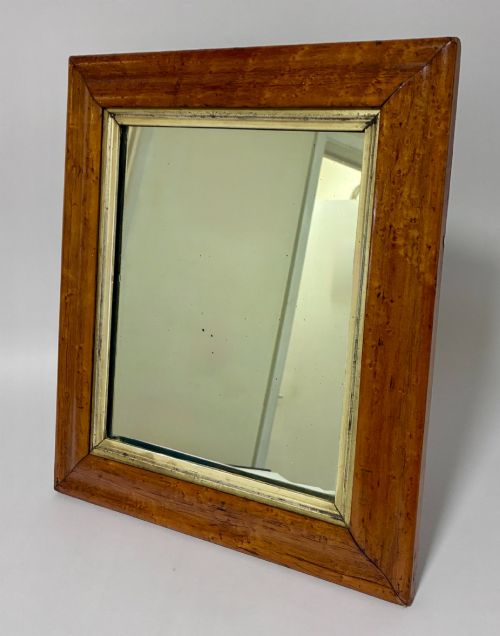
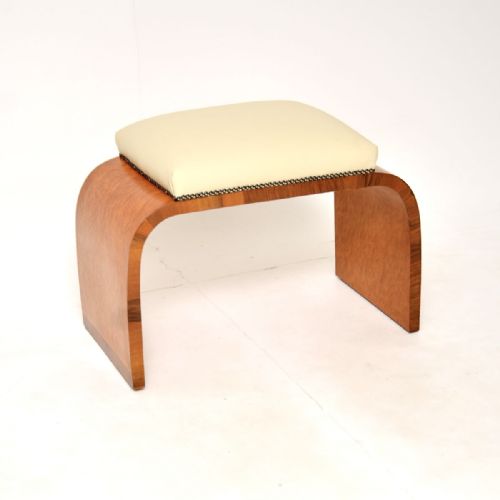
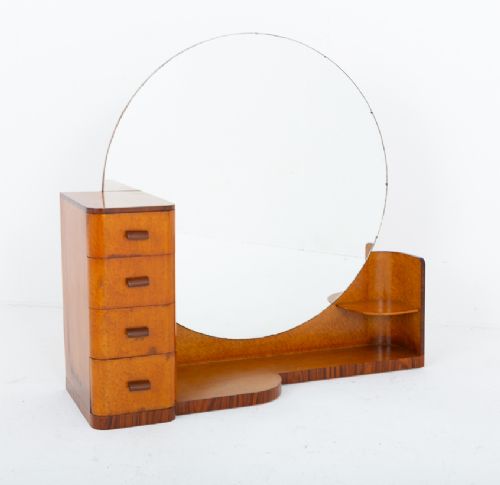
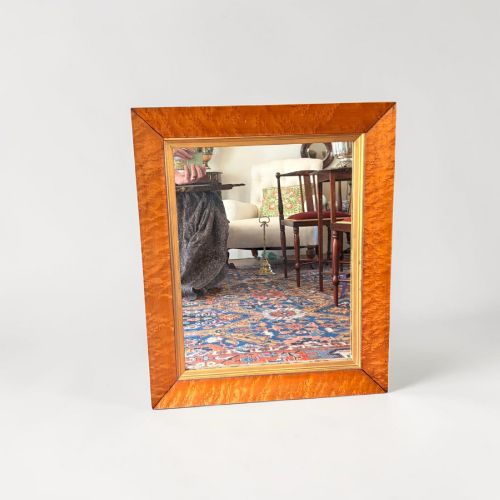
When you search for birds eye maple vanity, you encounter dressing tables spanning the Regency period through the Art Deco era of the nineteen twenties and nineteen thirties. These items serve as functional bedroom furniture equipped with mirrors, providing surface space and storage.
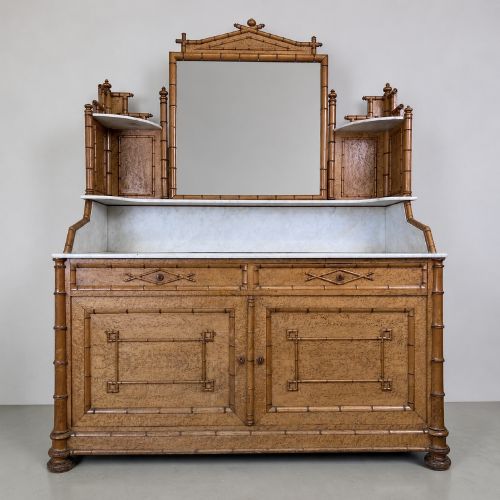
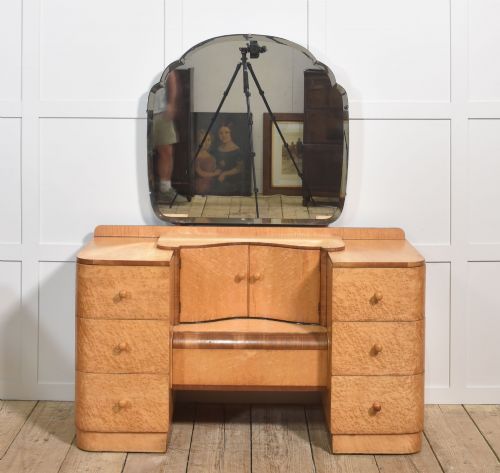
The versions you are most likely to meet on this page belong to the Art Deco style, featuring streamlined dressing tables constructed around nineteen thirty. A Regency period child's dressing table in faux bamboo and bird's-eye maple also appears among these selections.
Materials and construction
These pieces utilise wood foundations finished with blonde maple veneer and birds eye maple veneer, displaying the characteristic patterned grain across the surfaces. Wood provides the structural core for each dressing table.
Makers incorporated glass and mirror glass components into the designs, often pairing the reflective panels with the figured timber. Chrome elements also appear alongside the wood on nineteen thirties modernist pieces.
Birds Eye Maple Vanity Retail Price Guide 2026
Typical asking prices for birds eye maple vanity among the pieces listed under this phrase on Sellingantiques today, from the lower quarter to the upper quarter. They describe what is for sale here now, not the wider market.
Distinctions in quality
Quality rests upon the handling of the veneer and the integration of secondary materials like chrome and glass. Pieces from named makers demonstrate superior design execution within the Art Deco idiom.
The visual impact depends on the prominence and consistency of the grain pattern across the wood surfaces. Early Regency examples derive their distinction from handcrafted faux bamboo details combined with the timber.
Harry and Lou Epstein
The Birds Eye Maple Vanity Glossary
- Birds Eye Maple
- A figure in maple wood resembling small swirling eyes caused by local distortions in the grain. This timber forms the primary visual characteristic of the veneer used on these dressing tables.
- Art Deco
- A design style dominant during the nineteen twenties and nineteen thirties characterised by sleek lines and modern geometric forms. Pieces from this era often combine blonde veneers with glass and chrome.
- Regency
- An English architectural and decorative style dating from the early nineteenth century. Furniture from this period exhibits classical restraint and decorative framing.
- Veneer
- A thin layer of superior wood applied to a base timber to create a decorative surface. Blonde maple and birds eye maple are utilised in this manner.
- Dressing Table
- A piece of furniture fitted with a mirror and used for personal grooming. These items provide surface areas and often include drawers.
Birds Eye Maple Vanity: Frequently Asked Questions
What is a birds eye maple vanity?
A birds eye maple vanity is a dressing table surfaced with distinctive figured timber. These pieces date from the Regency period and the Art Deco era.
They function as bedroom furniture equipped with mirrors and surfaces for daily use.
How do I date a dressing table?
Dating relies on stylistic indicators such as geometric Art Deco forms from nineteen thirty or classical faux bamboo details from the Regency period.
The presence of chrome and blonde maple veneer points to twentieth-century modernist manufacture.
What materials are used in these pieces?
Construction involves wood frames covered in birds eye maple veneer or blonde maple veneer. Mirror glass and standard glass form the reflective and surface elements.
Twentieth-century examples also incorporate chrome details alongside the wooden structures.
How do I care for maple veneer?
Keep the wooden surfaces away from excessive moisture and direct sunlight to protect the veneer. Dust regularly with a soft cloth to maintain the finish.
Avoid harsh chemical cleaners that can damage the polished wood and glass components.