



1930s Art Deco Vanity
These 1930s art deco vanity pieces combine geometric mirrors and rich veneers to organise dressing spaces with striking linear rhythm.
1930s Art Deco Vanity
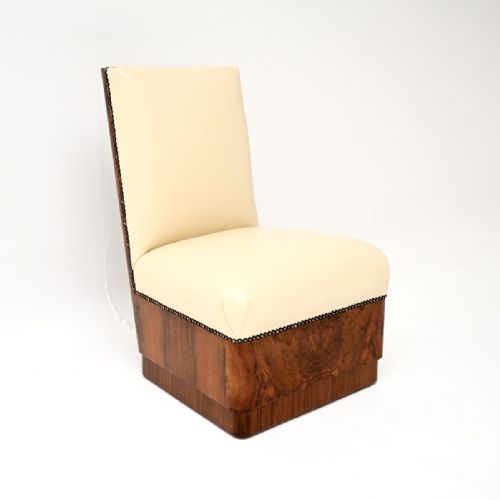
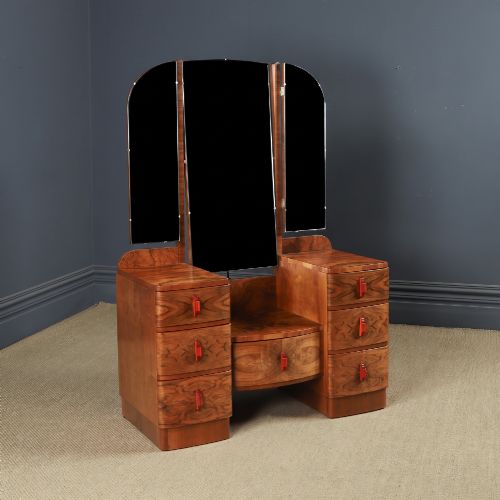
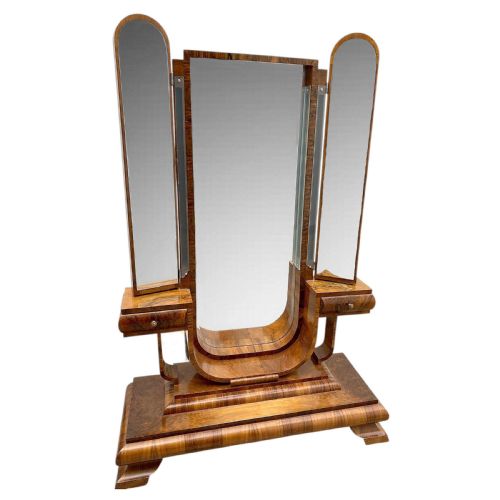
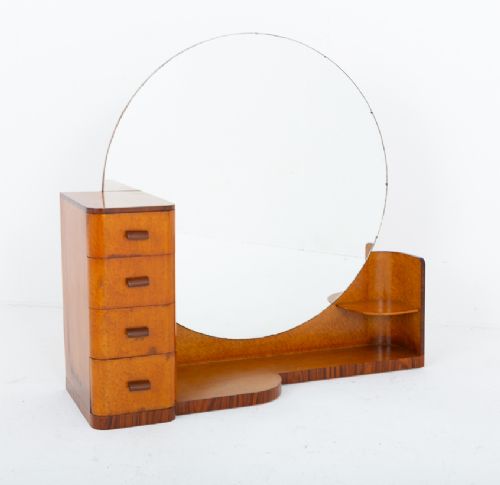
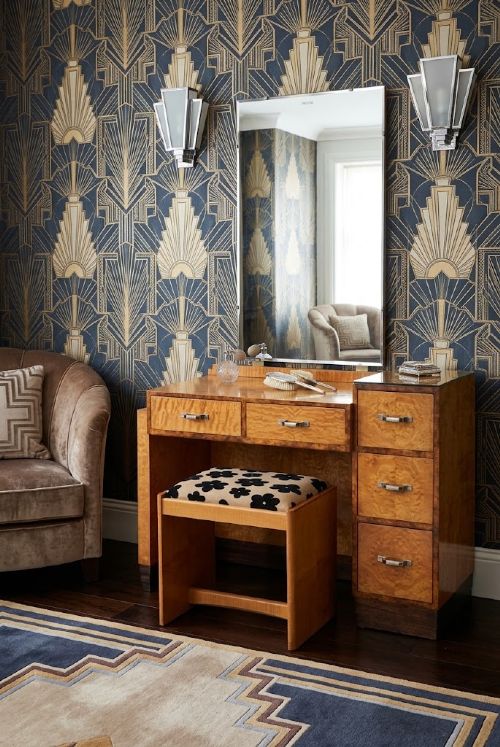
A 1930s art deco vanity typically takes the form of a pedestal dressing table fitted with an integral mirror, accompanied by matching stools, perfume bottles, and small storage jars. These items emerge primarily from the 1930 period, embodying the sleek, modern aesthetic popularised during the interwar decades.
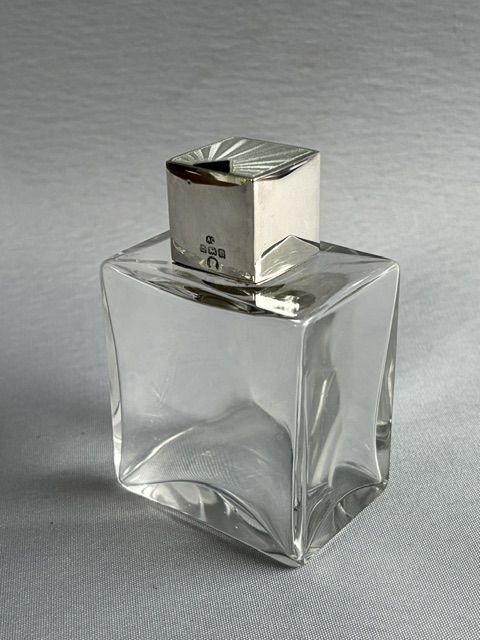
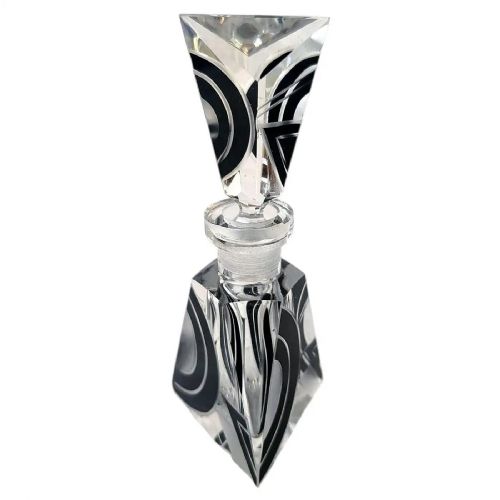
Buyers searching this phrase encounter dressing tables fashioned from figured walnut, burr walnut, birdseye maple, and limed oak, often paired with matching upholstered stools. Smaller accessories such as glass perfume bottles and sterling silver enamel jars complete the dressing ensemble.
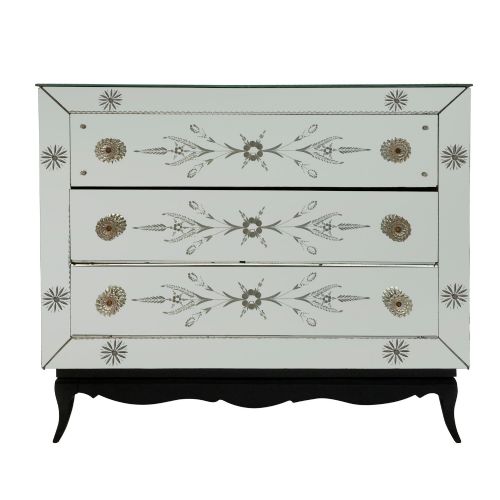
English and French workshops dominate the available forms, ranging from substantial bedroom suites to individual desks and mirrored chests. The emphasis remains firmly on functional elegance, clean geometric lines, and decorative wood veneers.
How they were made
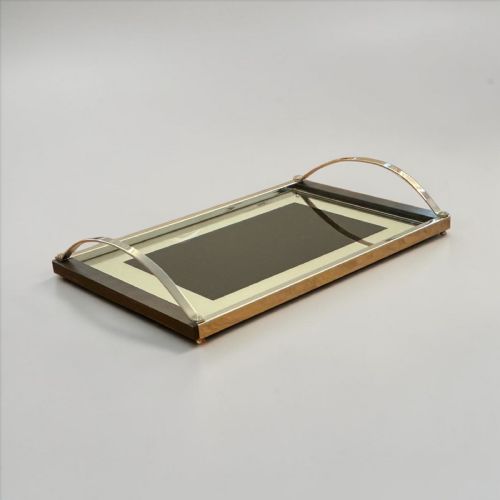
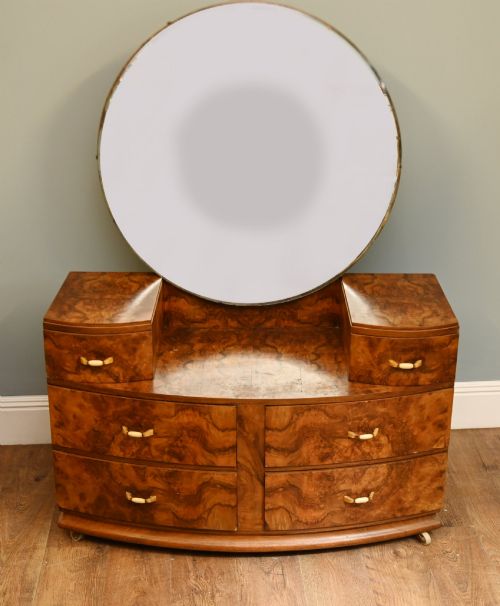
Cabinet makers utilised choice veneers such as burr walnut, birdseye maple, and pale mahogany applied over sturdy timber frames to create striking grain patterns across large flat surfaces. These polished wooden facades frequently met with contrasting materials like mirrored glass, chrome, and leather.
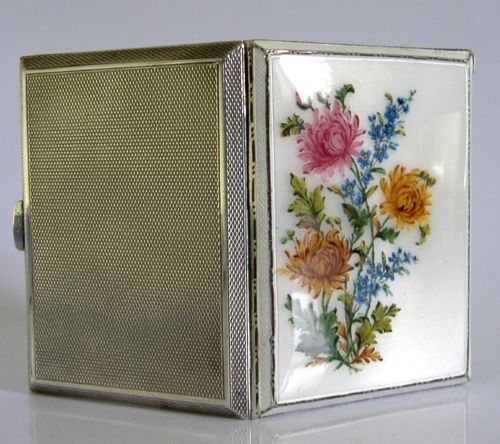
Glass components involved geometric cutting, moulding, and frosting techniques, often combined with hand-painted or guilloche enamel applied to sterling silver fittings. Upholstered seating relied on traditional stuffing methods wrapped in new or period fabric covers.
1930s Art Deco Vanity Retail Price Guide 2026
Typical asking prices for 1930s art deco vanity among the pieces listed under this phrase on Sellingantiques today, from the lower quarter to the upper quarter. They describe what is for sale here now, not the wider market.
Listings feature items from the 1910s, 1920s, and 1930s, constructed in glass, sterling silver, burr walnut, oak, and enamel.
What varies in quality
The sophistication of the veneer matching largely defines the upper tier of dressing tables and desks, where grain patterns flow symmetrically across drawers and panels. Lower tiers rely on simpler timber cuts without the careful book-matching seen on pieces by prominent makers.
Execution of detail sets apart the smaller accessories, such as crisp geometric cuts in Czech glass and flawless guilloche enamel on silver atomisers compared to simpler mass-produced alternatives.
Harry and Lou Epstein·Frank Taylor And Co·Henry Williamson·Bath Cabinet Makers·Karl Palda·Henry Perkins·Rene Lalique·Maurice Adams
The 1930s Art Deco Vanity Glossary
- Burr walnut
- A figured wood grain showing intricate swirling patterns formed from tree growths, highly prized for veneering furniture fronts. It provides deep visual texture characteristic of interwar design.
- Guilloche enamel
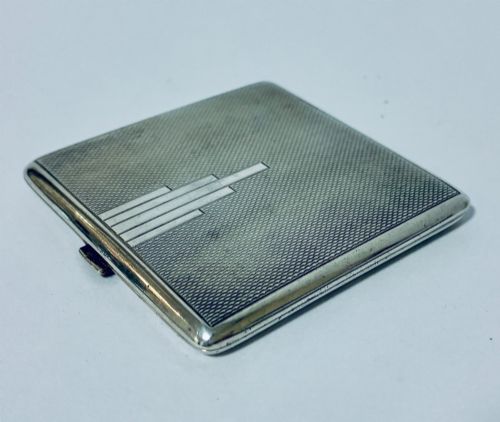
- Decorative metalwork covered in translucent enamel over an engine-turned mechanical pattern. This technique adds colourful geometric depth to silver jars and compacts.
- Limed oak
- Timber treated with a white pigment rubbed into the grain to lighten its natural colour. This finish created the pale, modern surfaces favoured by progressive interwar designers.
- Atomiser
- A small spray bottle fitted with a bulb pump mechanism for dispersing perfume. These glass vessels often feature geometric moulding from Czech workshops.
1930s Art Deco Vanity: Frequently Asked Questions
What defines a 1930s art deco vanity?
These pieces combine symmetrical wood veneers, particularly burr walnut and maple, with geometric mirror shapes and streamlined silhouettes. They focus on the practical organisation of cosmetics through dedicated dressing tables, stools, and matching glass perfume bottles.
Craftsmanship from this decade favoured clean architectural lines over ornate carving, relying on the natural grain of exotic woods to provide decoration. Many include matching upholstered seating designed to tuck neatly beneath the kneehole.
How do I style a dressing table?
A dressing table looks best when paired with its original matching stool and accented with period accessories such as cut glass perfume bottles and silver enamel jars. Keeping the main surface uncluttered highlights the decorative grain of the walnut or maple veneer.
Positioning the piece against a neutral wall allows the geometric mirror frames and contrasting materials to stand out without visual competition. Soft, directional lighting enhances the reflective qualities of the mirrored glass and polished metal fittings.
Were these pieces part of larger suites?
Many dressing tables and matching stools formed components of multi-piece bedroom suites that included mirrored wardrobes, tall chests of drawers, and bedside cabinets. These matched sets ensured a unified aesthetic throughout the private chambers of interwar homes.
Individual vanity items were also produced separately for smaller rooms or apartments, allowing buyers to purchase single desks or perfume atomisers independently.
What materials were used for seating?
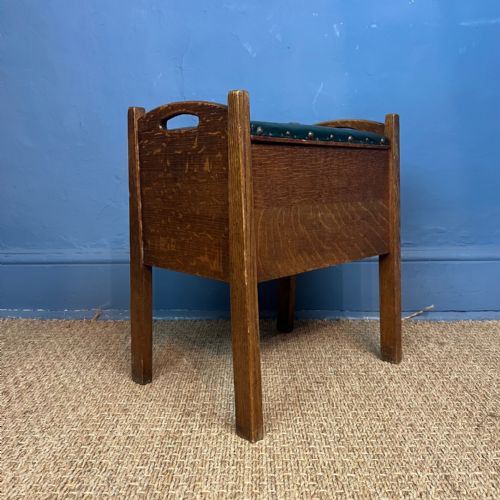
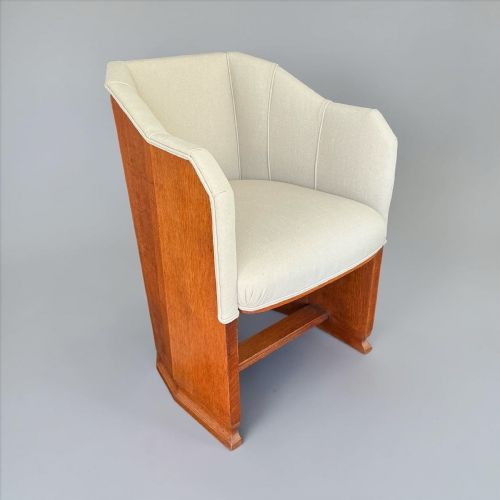
Stools accompanying dressing tables typically featured sturdy wooden frames in oak, walnut, or sycamore, often echoing the curved geometry of the main table. Upholstery ranged from leather to patterned fabric covers designed for daily use.
Storage stools incorporated hinged tops revealing concealed compartments for small items, combining comfortable seating with discreet bedroom organisation.