




Antique Makeup Compact
An antique makeup compact is a pocket-sized metal or enamel case for cosmetics, offering portable glamour and intricate decorative craftsmanship.
Antique Makeup Compact
When you search for an antique makeup compact, you encounter pocket-sized accessories designed for personal grooming and cosmetic storage. These items served as daily essentials for women, combining mirrors, powder compartments, and sometimes vanity cases into a single portable object.
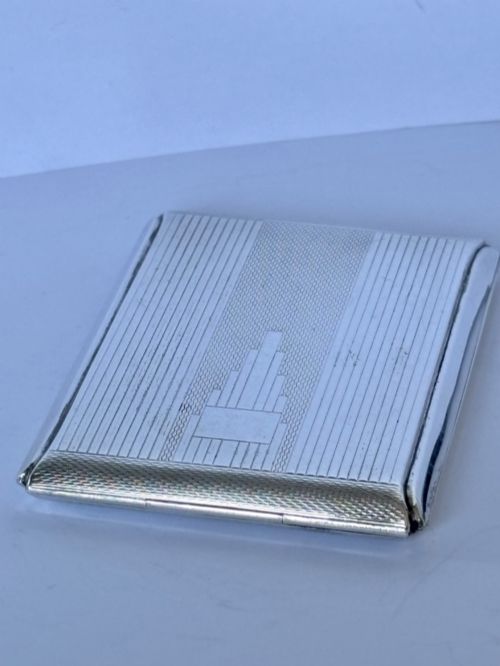
The pieces you meet most often on this page belong to the Art Deco period, alongside earlier examples from the 1900s and later designs stretching into the 1950s. Common forms include powder compacts, vanity cases, and combination compacts, which often feature hinged lids and fitted interior mirrors.
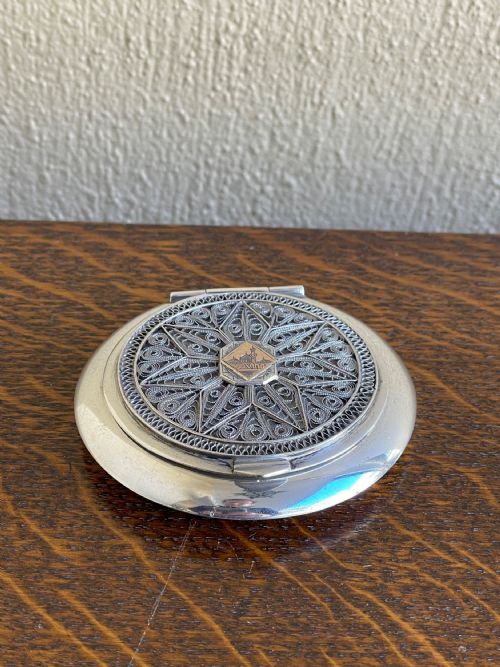
Origins span British, European, and Asian workshops, encompassing Chinese export silver pieces, Persian filigree work, and Italian silver items. Collectors encounter diverse construction methods, from simple metal stampings to hand-painted enamel and precious metal mountings.
How they were made
Makers utilised metals such as sterling silver, 800 silver, yellow gold, chrome, brass, and gilt metal as the structural foundation for these pieces. Some items incorporated early plastics like Bakelite for panels or decorative surrounds.
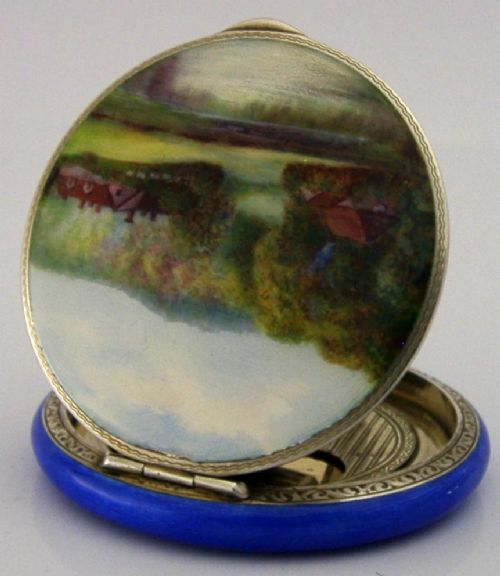
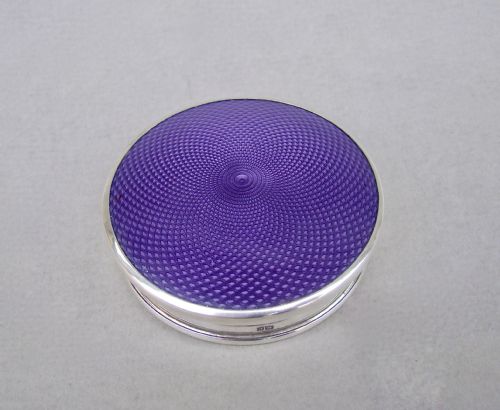
Surface decoration frequently involved applied enamel work, hand-painted details, filigree wirework, and suede linings inside the cases. Metal components were cast, stamped, or woven into flexible mesh structures, particularly during the Art Deco era.
Antique Makeup Compact Retail Price Guide 2026
Typical asking prices for makeup compact among the pieces listed under this phrase on Sellingantiques today, from the lower quarter to the upper quarter. They describe what is for sale here now, not the wider market.
Listings here feature items spanning from nineteen hundred to the nineteen-fifties, utilising silver, chrome, enamel, and Bakelite.
What varies in quality
Quality rests on the selection of materials and the complexity of the decorative techniques employed on the exterior. Precious metals like sterling silver and gold, combined with gemstones or detailed hand-painted enamel, mark the upper tier of production.
The reputation of the maker or retailer also influences distinction, with signed pieces from known firms or jewellers commanding greater interest. Precision in the mechanical hinges, clasps, and the intact preservation of interior mirrors and suede linings further define superior examples.
Giuliano Spinelli Florence·Richard Hudnut
The Antique Makeup Compact Glossary
- Enamel
- A glassy substance fused to metal through firing to provide colourful decoration. It appears frequently on lids in geometric Art Deco patterns or pictorial scenes.
- Filigree
- Delicate ornamental work consisting of twisted fine metal threads soldered together. This technique creates openwork patterns often seen on Persian silver lids.
- Sterling silver
- A silver alloy containing ninety-two point five percent silver by mass and seven point five percent other metals. It serves as a primary material for high-grade compacts.
- Bakelite
- An early form of synthetic plastic used for decorative elements or structural panels in twentieth-century cases. Its stable properties allowed for rich colouring.
- Combination compact
- A multi-functional vanity case designed to hold loose powder alongside other items such as lipstick, coins, or cigarettes. These pieces represent more complex manufacturing.
Antique Makeup Compact: Frequently Asked Questions
What is an antique makeup compact?
An antique makeup compact is a portable metal or enamel case designed to hold face powder, featuring an integrated mirror for touch-ups.
These accessories date primarily from the early to mid-twentieth century and reflect the prevailing artistic styles of their time.
How do I date an Art Deco compact?
Art Deco compacts are typically dated through stylistic markers like geometric motifs, chrome or enamel finishes, and production hallmarks.
Many examples from this era cluster around the nineteen-twenties and nineteen-thirties, often bearing manufacturer names or patent stamps.
What materials were used for these compacts?
Makers constructed these pieces using metals such as sterling silver, brass, chrome, and gilt metal, occasionally incorporating solid yellow gold.
Surface decoration frequently involved hand-painted enamel, intricate filigree wirework, or panels of early plastics like Bakelite.
How were combination compacts used?
Combination compacts served multiple daily purposes by housing powder alongside compartments for cigarettes, coins, or lip cosmetics.
They functioned as complete vanity accessories that women carried in handbags for evening events.