
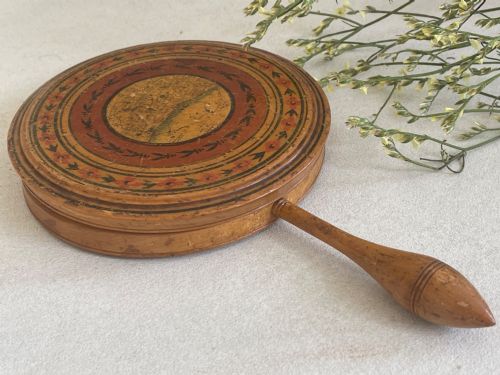


Collectable Vanity Compact
A collectable vanity compact is a portable case for powder and cosmetics, offering a tactile piece of dressing table history to carry in the hand.
Collectable Vanity Compact
When you search for a collectable vanity compact, you encounter personal grooming accessories spanning several distinct eras, predominantly from the Art Deco period of the nineteen twenties and nineteen thirties alongside occasional Georgian and Victorian examples.
The selection encompasses powder compacts, combination compact cases, hand mirrors, pill boxes and travelling mirrors designed for daily use or cosmetic storage.
Most frequent on this page are metal and chrome powder compacts decorated with enamel, reflecting the geometric and modernist tastes of the early twentieth century.
How they were made
Maker workshops utilised metals such as brass, chrome, silver plated metal and silver gilt, forming sturdy structural shells to house loose powder and mirrors.
Surfaces were frequently embellished with coloured enamel, guilloche patterns and inlaid boxwood, combining metalworking techniques with decorative surface treatments.
Listings feature items from the Georgian period through to the nineteen thirties, utilising enamel, chrome, brass, and boxwood.
What varies in quality
Distinction across the range lies in the fineness of the enamel work and the precision of the metal closing mechanisms, which separate standard production items from finer studio pieces.
The integration of multiple functions within a single combination case, alongside the presence of original glass mirrors and branded maker signatures, elevates the standing of an individual piece.
Richard Hudnut·Houbigant
The Collectable Vanity Compact Glossary
- Guilloche
- An intricate decorative engraving technique producing repetitive geometric patterns beneath translucent enamel. It is frequently seen on French compacts and pill boxes from the nineteen twenties.
- Combination compact
- A multi-functional accessory designed to hold powder alongside compartments for other items such as pills or lipstick. These pieces offer complex internal engineering.
- Silver-gilt
- Silver that has been coated with a thin layer of gold on the surface. This treatment provides a rich warm tone and protects the base metal from tarnishing.
- Tunbridge ware
- A distinct form of British woodwork characterised by small mosaic tiles forming pictorial or geometric designs. It appears on Georgian travelling mirrors and boxes.
Collectable Vanity Compact: Frequently Asked Questions
What is a vanity compact?
A vanity compact is a small portable case equipped with a mirror and a compartment for face powder. These items were designed to fit neatly inside a ladies evening bag or pocket for quick touch-ups.
Over time they evolved from simple containers into highly decorative accessories reflecting prevailing artistic movements. They remain popular items for display and gentle handling today.
How do I date a compact?
Dating a compact involves examining the materials, decorative style, and any maker marks or stamps present on the metal frame. Art Deco pieces from the nineteen thirties typically feature geometric motifs and chrome finishes.
Earlier pieces from the Georgian or Victorian eras display entirely different construction methods and wood or silver work. Comparing these stylistic clues with known production periods clarifies the age of the piece.
How were these items used?
Women used vanity compacts to apply face powder and check their appearance while away from home. The inclusion of compartments for pills or mirrors in combination pieces shows how personal care items adapted to social habits.
Owners carried them daily as functional items of personal utility and fashion. Today they are appreciated for their craftsmanship rather than their original cosmetic purpose.
How do I care for enamel?
Enamel surfaces require gentle handling to prevent chipping or scratching against hard surfaces. Cleaning should be done with a soft dry cloth without harsh chemical polishes that might damage the coloured glass paste.
Storing them away from direct sunlight and extreme temperature changes preserves the integrity of both the metal and the decorative panels. Proper care ensures the surface colours remain vibrant.