


Silver Enamel Powder Compact
A silver enamel powder compact brings pocket-sized glamour to a dressing table, pairing precious metal with vibrant glasswork.
Silver Enamel Powder Compact
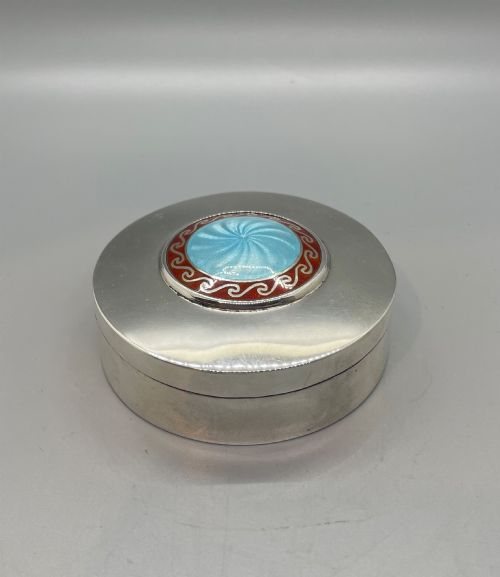
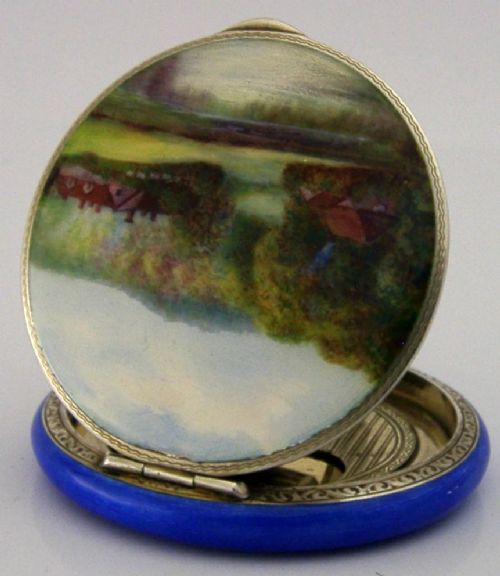
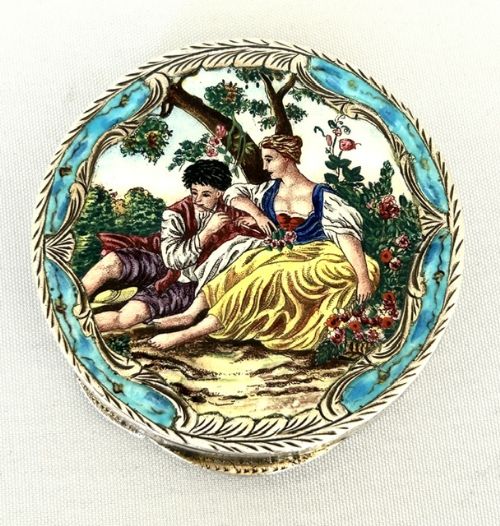
A silver enamel powder compact combines precious metalwork with colourful vitreous coatings, designed to hold cosmetic powder for daily touch-ups. When searching for this phrase, collectors encounter various forms ranging from handheld cases to complex combination pieces.
The pieces appearing on this page span several decades from the Edwardian era through the Art Deco period and into mid-century design. Most examples utilise sterling silver or 800 silver foundations paired with intricate guilloche patterns beneath translucent enamel.
Beyond standard compact cases, the selection includes related items such as trinket boxes, rouge pots, and mesh purses with enamel details. Each object reflects the changing cosmetic habits and decorative tastes of its specific decade.
Materials and construction techniques
Silversmiths formed the primary bodies of these items using sterling silver, 800 silver, or chrome, occasionally applying silver-gilt finishes for added luxury. Interior elements sometimes incorporated suede linings, mirrors, and mesh structures to hold loose powder or puffs.
The distinctive surface decoration relied on guilloche technique, where a machine engraved precise geometric patterns into the metal before vitreous enamel was applied. Artisans then fired the powdered glass at high temperatures to fuse the coloured glaze permanently to the silver base.
Listings feature items originating across four distinct decades, spanning from the Edwardian era through Art Deco up to mid-century Italian design.
Distinctions in craftsmanship and design
Quality in these items depends heavily on the precision of the underlying guilloche engine-turning and the clarity of the fired enamel layer. Finer pieces display crisp, even patterns that catch the light uniformly beneath flawless translucent colour.
Maker attribution and assay office hallmarks also influence distinction, with named makers commanding greater interest among collectors. The complexity of the design, such as hand-painted scenic details or multi-functional combination cases, further separates standard production from exceptional examples.
Henry Matthews·Henry Perkins and Sons·Richard Hudnut·Houbigant·William Neale and Son·Giuliano Spinelli
The Silver Enamel Powder Compact Glossary
- Guilloche
- A decorative technique where a mechanical lathe engraves a precise, repetitive pattern into metal. This patterned base shines through translucent enamel to create shimmering visual depth.
- Vitreous Enamel
- A material made by fusing powdered glass to a metal substrate through firing at high heat. It provides a durable, glossy coloured surface that resists scratching.
- Sterling Silver
- An alloy consisting of silver and other metals, usually copper, standardised at a specific purity level. It serves as the primary structural metal for many high-grade compacts.
- Silver-Gilt
- Silver that has been coated with a thin layer of gold through chemical or electrochemical processes. This finish adds a warm golden tone to the interior or exterior metalwork.
- Mesh
- A flexible fabric formed from interlocking metal rings or links, commonly used for the body of certain evening bags and flexible compacts.
Silver Enamel Powder Compact: Frequently Asked Questions
Are these compacts still usable for powder today?
Many surviving pieces remain mechanically sound with working clasps and hinges suitable for modern loose powder. However, users should inspect the interior mesh, powder sifter, and mirror condition before daily use.
Given the delicate nature of vintage vitreous enamel and historical hinges, many collectors prefer to keep them as display pieces rather than carrying them in handbags.
How can I date an enamel compact?
Dating relies heavily on British hallmarks stamped onto the silver frames, which indicate the specific assay office and year of manufacture. Stylistic indicators, such as geometric Art Deco motifs or Edwardian floral engraving, also narrow down the production period.
Maker marks provide further chronological clues when cross-referenced against historical silversmith records. Pieces originating from continental Europe often feature standard alloy stamps rather than traditional town marks.
What is a combination compact?
A combination compact houses multiple cosmetic and utility items within a single portable case. These versatile accessories frequently integrated compartments for powder, rouge, lipstick, and sometimes a tiny timepiece or coin holder.
Designed for evening wear during the 1920s and 1930s, they allowed women to carry all essentials in one decorative enclosure.