


Vintage Vanity Case
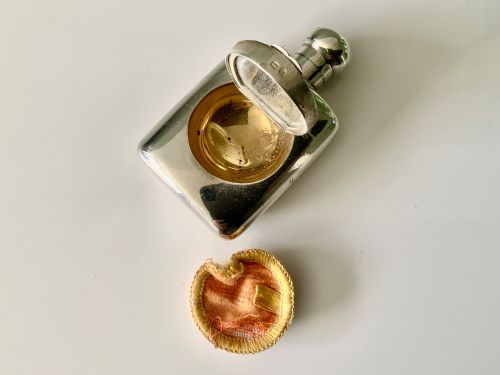
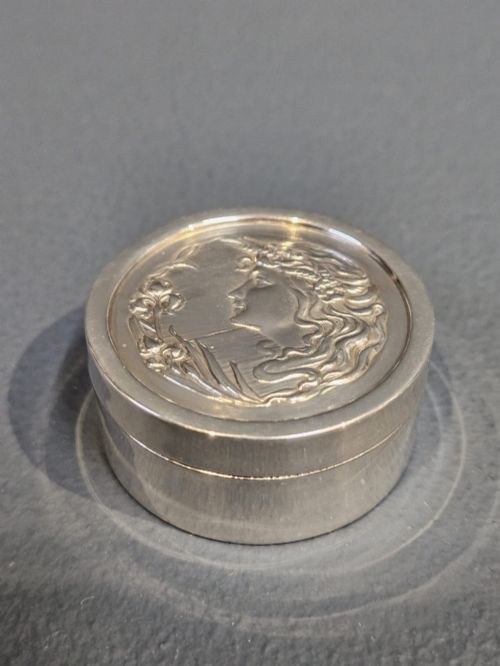
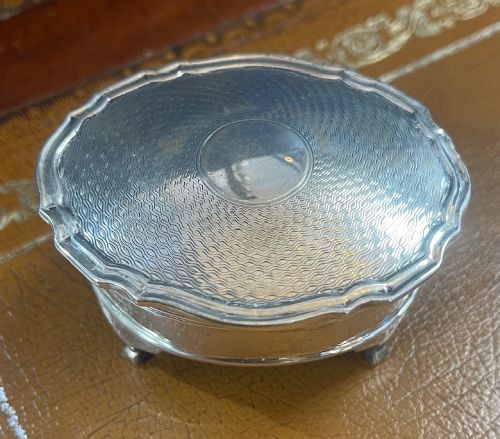
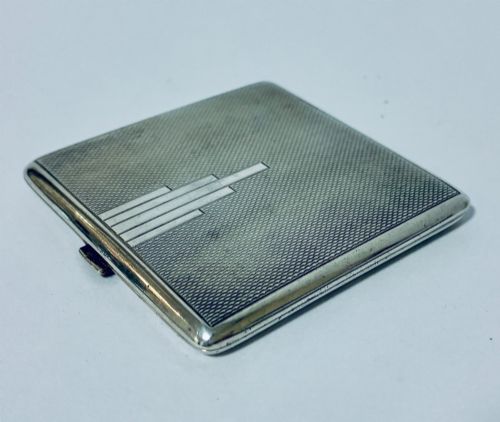
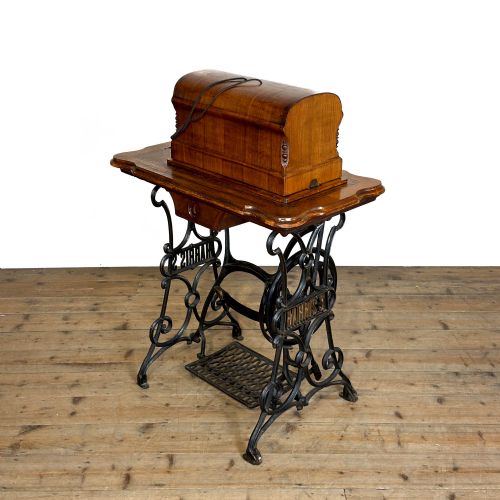
These vintage vanity case examples range from fitted Victorian mahogany dressing boxes to sleek Art Deco enamel compacts.
Vintage Vanity Case
A vintage vanity case encompasses a broad spectrum of portable containers designed for cosmetics, jewellery, and travel accessories. The selection spans compacts, fitted luggage, and gentleman's dressing boxes dating from the Victorian era through the mid-twentieth century.
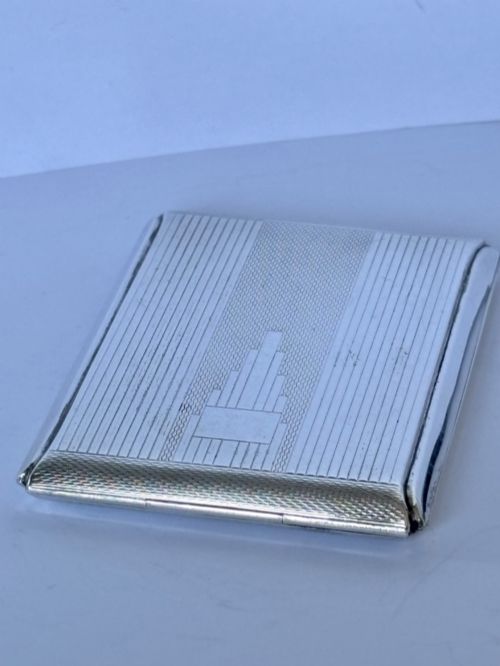
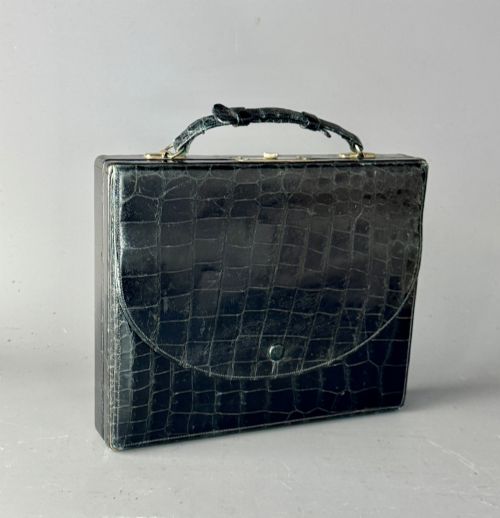
Buyers encounter everything from small silver powder compacts to large crocodile leather suitcases and rosewood jewellery boxes. Art Deco pieces from the 1920s and 1930s dominate alongside nineteenth-century brass-bound travel trunks.
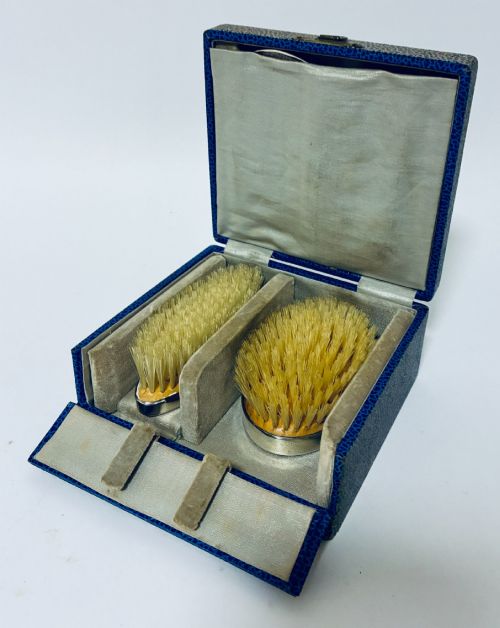
Objects range from handheld accessories like cigarette and pill cases to fully fitted boxes containing glass scent bottles and compartments. Origin varies widely, including English, French, German, Italian, Chinese, and Persian workshops.
Materials and construction
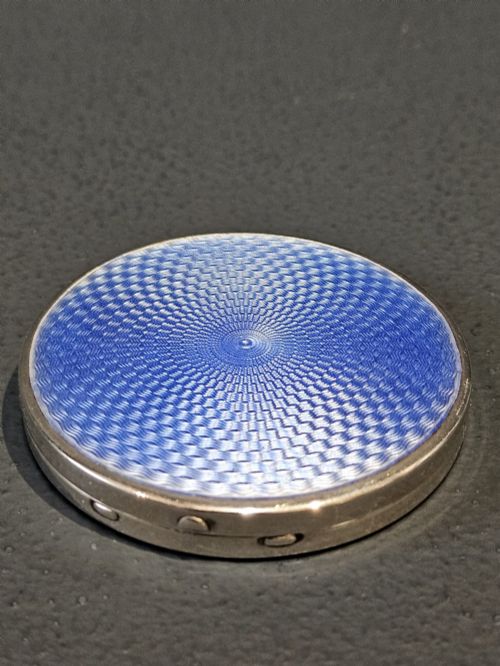
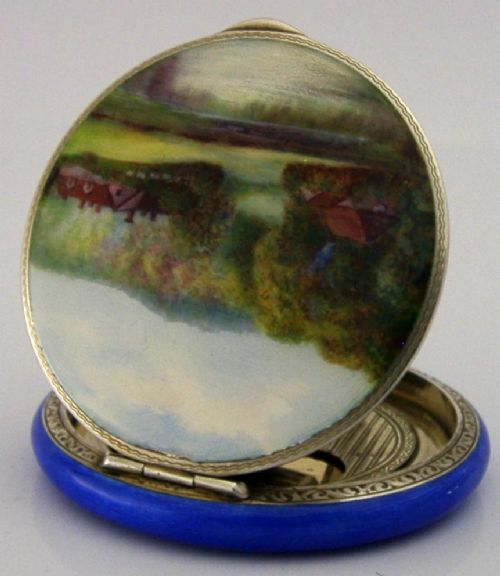
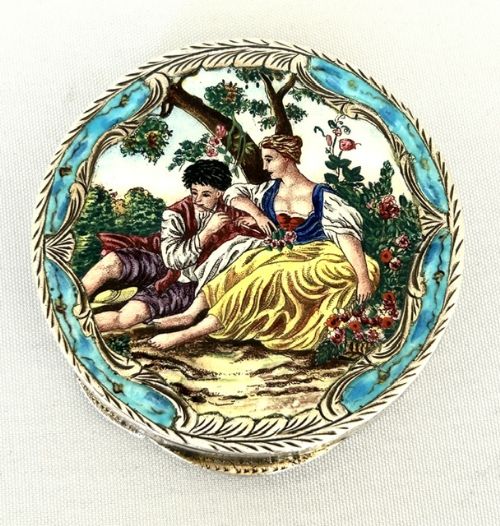
Metals form the structural base for many items, utilising sterling silver, silver gilt, and brass alongside specialised alloys. Enamel decoration, particularly guilloche work and hand-painted scenes, frequently adorns lids of the Art Deco period.
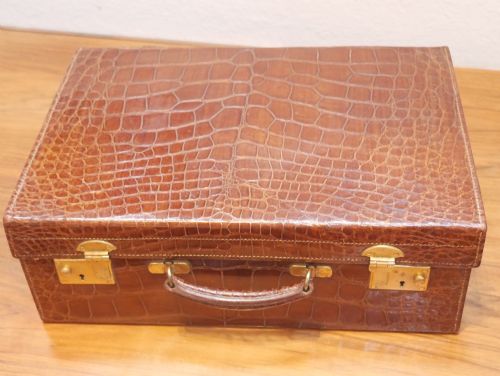
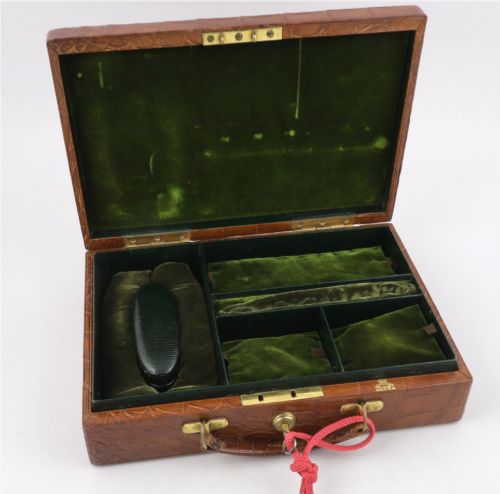
Natural hides provide the exteriors for larger travel luggage and fitted cases. Craftsmen employed crocodile, alligator, vellum, and leather over wooden carcases, often adding brass banding for reinforcement.
Vintage Vanity Case Retail Price Guide 2026
Typical asking prices for vintage vanity case among the pieces listed under this phrase on Sellingantiques today, from the lower quarter to the upper quarter. They describe what is for sale here now, not the wider market.
Listings feature items spanning the Victorian era through the 1950s, constructed from silver, leather, glass, and rosewood.
Assessing quality and execution
Quality rests primarily on the integrity of internal fittings and the precision of mechanical closures. Fully fitted boxes retain original glass bottles, mirrored panels, and matching implements without replacement elements.
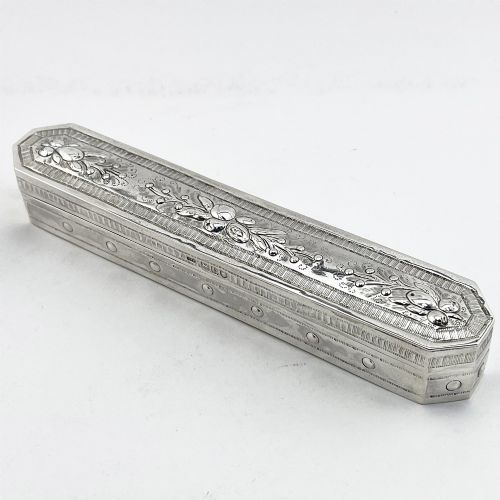
Surface decoration dictates upper tiers of craftsmanship. Intricate hand-painted enamel, engine turning on metal, and intricate filigree work display superior artisanal input compared to plain stamped alternatives.
Material selection marks the distinction between standard production and luxury commissions. Solid rosewood carcases, heavy gauge sterling silver, and genuine hornback crocodile skin signify high-end manufacture.
J C Vickery·Henry Matthews·William Adams Ltd·Henry Perkins & Sons·Drew & Sons·Van Cleef & Arpels·Cartier
The Vintage Vanity Case Glossary
- Guilloche enamel
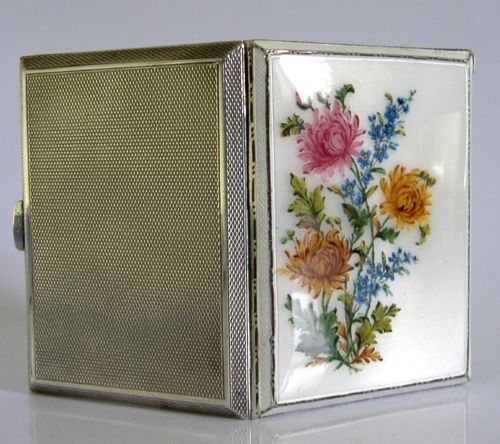
- A decorative technique where precise, intricate patterns are machine-engraved into metal beneath a translucent layer of coloured enamel. This method was widely utilised on compacts and cigarette cases during the early twentieth century.
- Sterling silver
- An alloy consisting of silver and other metals, typically copper, maintaining a standard purity proportion. British pieces frequently display town marks and maker's stamps.
- Coromandel
- A dense, dark timber featuring contrasting light streaks, imported from Asia. Cabinetmakers used this durable wood for luxury nineteenth-century dressing and vanity boxes.
- Sovereign case
- A small portable container specifically sized to hold gold sovereign coins securely. These often appeared as part of gentleman's combination pocket accessories.
- Engine turned
- A surface pattern created by a machine that cuts geometric designs into metal. This technique provides texture and minimises the visibility of everyday handling marks.
Vintage Vanity Case: Frequently Asked Questions
What is a vintage vanity case?
A vintage vanity case is a portable container or box used historically for carrying cosmetics, grooming implements, jewellery, or travel necessities.
Items range from small pocket-sized powder compacts to large leather travel trunks and fully fitted wooden dressing boxes.
How do I date a vanity case?
Dating relies heavily on hallmarks on silver components, maker's marks, and stylistic indicators such as Art Deco geometric lines or Victorian mahogany woodwork.
Materials and construction techniques also help narrow the decade of manufacture.
Were these cases used for travel?
Larger examples, including crocodile suitcases and leather officer's trunks, served practical travel needs for luggage and personal grooming.
Smaller pieces like compacts and pill boxes were intended for daily social use rather than transit.
What materials are common?
Common materials include sterling silver, brass, leather, and glass, alongside exotic woods like rosewood and coromandel.
Decorative surfaces frequently feature enamel, suede linings, and velvet interiors.