




Vintage Makeup Compact
A vintage makeup compact carries the polished charm of dressing tables past, offering a neat pocket-sized mirror and powder holder from the early twentieth century.
Vintage Makeup Compact
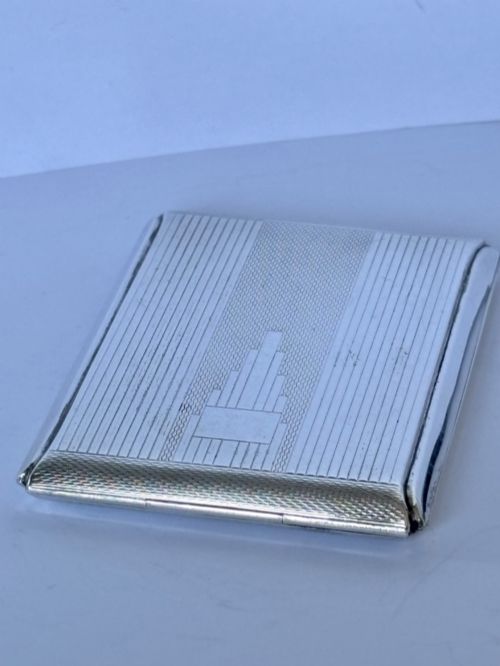
When you search for a vintage makeup compact, you encounter small personal accessories designed for powder and mirrors, spanning from the nineteen hundreds through the nineteen fifties. These objects primarily take the form of powder compacts, vanity cases, and combination compacts intended for portable use.
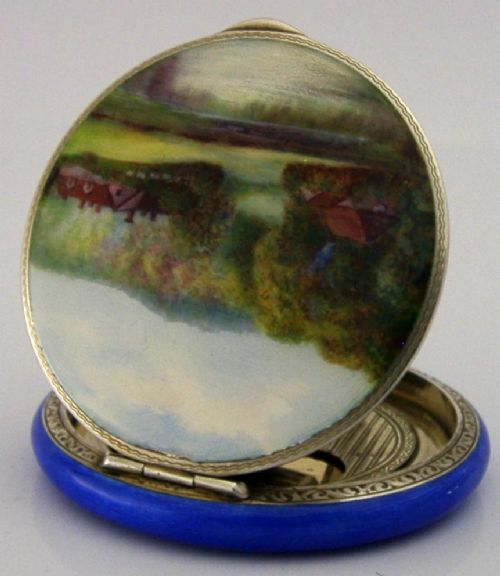
The selections here lean heavily into the Art Deco aesthetic of the nineteen twenties and thirties, alongside expressions of Persian, Chinese export silver, and mid-century Italian design. You will find pieces shaped from sterling silver, chrome, brass, gilt metal, and Bakelite, often housing hand-painted or enamelled lids.
How they were made
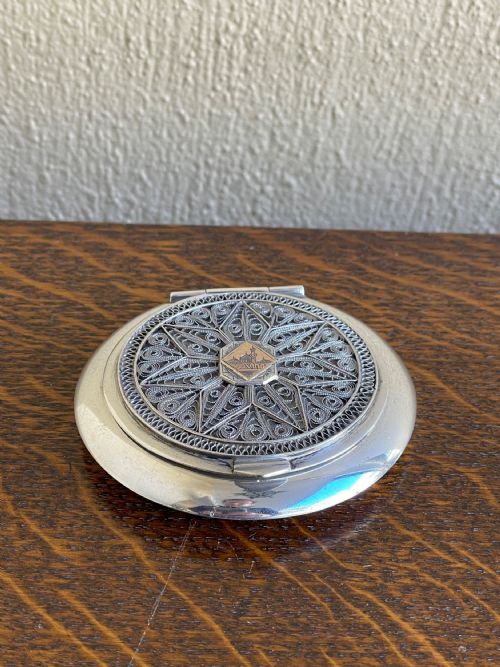
The construction of these pieces relies on metals such as sterling silver, chrome, brass, and gilt metal, shaped into rigid hinged containers. Many examples employ fine filigree work or incorporate materials like Bakelite and suede linings to complete the interior and exterior structure.
Surface decoration frequently involves applied enamel work and hand-painted details. Certain luxury items incorporate precious stones like rubies and diamonds set into gold, alongside intricate silver smithing techniques.
Vintage Makeup Compact Retail Price Guide 2026
Typical asking prices for vintage makeup compact among the pieces listed under this phrase on Sellingantiques today, from the lower quarter to the upper quarter. They describe what is for sale here now, not the wider market.
The listings span five distinct decades of production, running from nineteen hundred through the nineteen fifties with a strong concentration of Art Deco pieces.
What varies in quality
Quality rests upon the choice of materials and the complexity of the manufacturing technique, moving from simple chrome frames to heavy sterling silver and nine-carat yellow gold constructions. The presence of precious gemstones and intricate precious metal filigree elevates a piece significantly.
The artistic execution of the surface decoration defines the upper tiers of the range, particularly hand-painted enamel scenes and detailed work by named makers. The integrity of the hinged mechanism and the preservation of internal linings also mark the distinction between standard production items and luxury examples.
Giuliano Spinelli Florence·Richard Hudnut·Cartier
The Vintage Makeup Compact Glossary
- Art Deco
- A design style characterised by sleek geometric shapes, stylised motifs, and streamline forms prominent during the nineteen twenties and thirties. It heavily influences the decorative motifs found on many period compact lids.
- Enamel
- A glassy substance fused to metal through firing to provide colourful decorative surfaces. It appears frequently in vibrant hues on the exterior of metal cases.
- Filigree
- Delicate ornamental work consisting of fine wire twisted into open-work patterns. This technique is often seen enhancing silver lids.
- Sterling Silver
- An alloy consisting of silver and other metals to ensure durability while maintaining a high purity standard. It serves as a primary material for finer luxury pieces.
- Vanity Case
- A larger portable container designed to hold cosmetics and mirrors for personal grooming. These items often combine multiple compartments for powder and other accessories.
Vintage Makeup Compact: Frequently Asked Questions
How do I date a compact?
Dating relies on stylistic clues such as geometric Art Deco motifs from the nineteen thirties or specific hallmarks stamped onto silver and gold metals. Maker marks and the choice of materials like early plastics also help narrow down the production era.
Examining the closure mechanism and interior fittings provides additional context. Comparing these physical characteristics with known period designs clarifies the decade of manufacture.
Are these compacts still usable?
These items were originally built for loose or pressed face powder and retain their functional mirrors and compartments. Many modern collectors continue to house them on dressing tables or carry them for light daily use.
Care should be taken with delicate enamel surfaces and vintage hinges when opening them. Gentle handling ensures the original structures remain intact over time.
What metals were commonly used?
Makers utilised a wide spectrum of metals ranging from everyday chrome and brass to solid sterling silver and nine-carat yellow gold. Gilt metal and specialised alloys also appeared frequently across different price points and stylistic categories.
Precious metals often received supplementary decoration such as enamel or gemstones. Base metals were typically plated or polished to achieve a bright finish.
How should I clean my compact?
Maintenance requires gentle dusting with a soft cloth to protect delicate enamel and metal surfaces from scratching. Harsh chemical polishes should be avoided, particularly near painted areas or vintage mirrors.
Silver components benefit from occasional light wiping with a specialised silver cloth. Keeping the pieces in dry conditions prevents tarnishing and preserves internal fabric linings.