



Streamline Moderne Vanity
Streamline Moderne vanity pieces bring sweeping curves and polished surfaces into the bedroom, offering practical dressing spaces with distinct period character.
Streamline Moderne Vanity
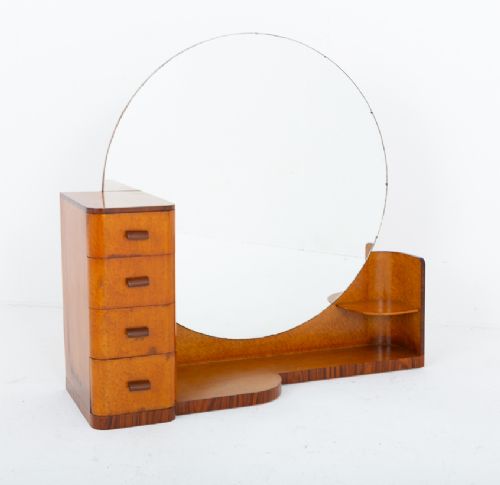
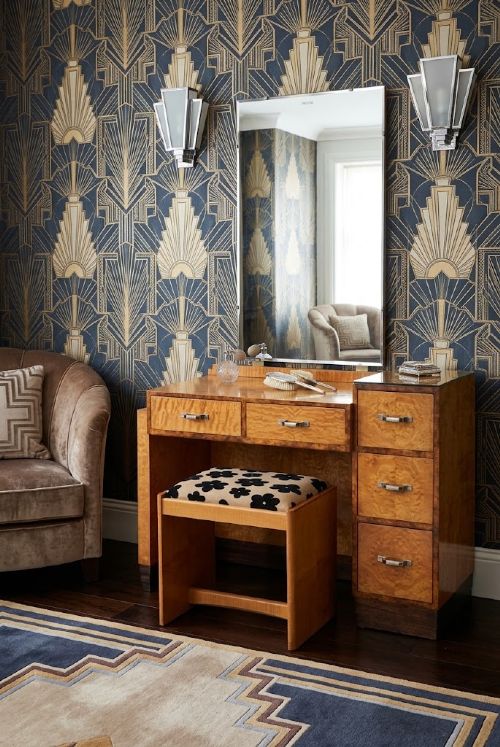
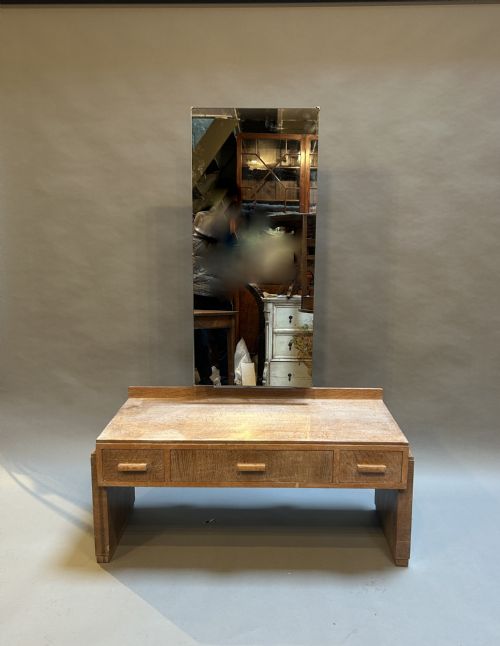
When you search for streamline moderne vanity, you encounter dressing tables, dressing chests, and matching stools originating from the nineteen-thirties alongside pieces from the nineteen-twenties and Edwardian period. These items reflect the broader Art Deco movement through curved woodwork and integrated mirrors.
The most common forms on this page are dressing tables and dressing chests paired with stools, constructed in woods like birds eye maple, burr walnut, and oak. Such items served as functional bedroom furniture for grooming and storage, defining the interior aesthetic of their era.
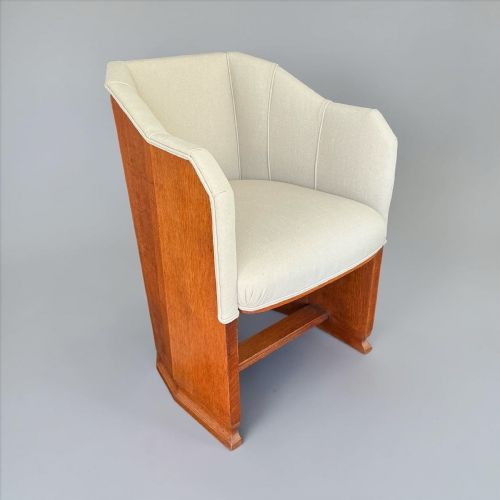
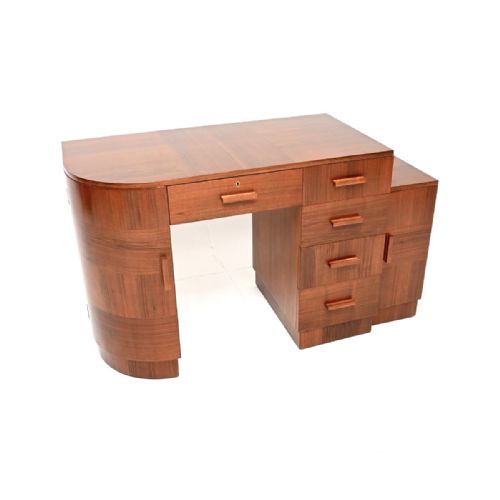
Makers such as Heals and Harry and Lou Epstein produced notable examples during the nineteen-thirties, incorporating materials like glass, leather, and metal. The grouping includes desks and armchairs that share the same stylistic vocabulary.
How they were made
Makers utilised figured walnut, birds eye maple, and oak as primary timbers, applying veneers to create striking grain patterns across flat and curved surfaces. Glass and mirror glass were integrated into tabletops and backing plates.
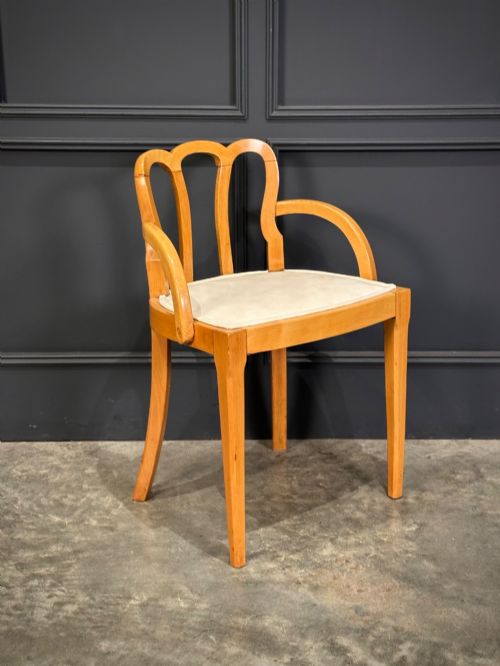
Upholstered elements incorporated fabric and leather on matching stools and armchairs, while metal components provided structural accents and support. Construction techniques balanced solid wood framing with decorative cabinet-making.
Streamline Moderne Vanity Retail Price Guide 2026
Typical asking prices for streamline moderne vanity among the pieces listed under this phrase on Sellingantiques today, from the lower quarter to the upper quarter. They describe what is for sale here now, not the wider market.
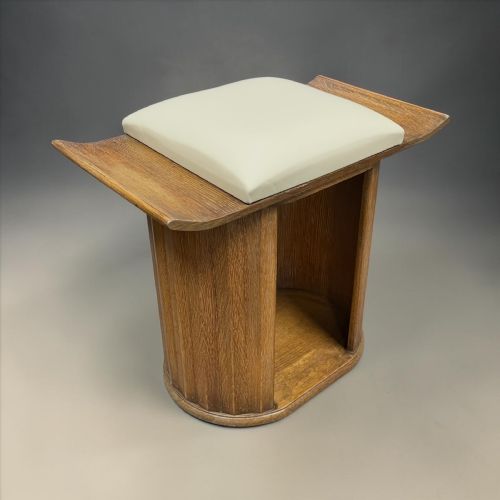
Several stools survived decades of bedroom use still wearing their original leather tops.
What varies in quality
The selection of timber veneer determines much of the visual impact, with highly figured burr walnut and birds eye maple sitting at the higher end of the range. Simpler oak pieces offer robust utility with less complex grain movement.
Attribution to known makers like Harry and Lou Epstein or Heals elevates the standing of a dressing table or stool. The integration of auxiliary materials such as leather upholstery and specialised metal fittings distinguishes standard production from finer examples.
Heals·Harry and Lou Epstein
The Streamline Moderne Vanity Glossary
- Art Deco
- A design style of the nineteen-twenties and nineteen-thirties characterised by sleek lines, geometric shapes, and modern materials. It influenced furniture design across Europe and America.
- Birds Eye Maple
- A figure in maple wood that resembles tiny swirling eyes, highly prized by cabinet-makers for decorative veneer work. It creates a speckled pattern across large surfaces.
- Burr Walnut
- A growth on a walnut tree that produces intricate, swirling grain patterns when sliced into veneer. This material was favoured for high-end Art Deco cabinet-making.
- Dressing Chest
- A chest of drawers fitted with a mirror, designed for grooming and bedroom storage. It serves a similar function to a dressing table.
- Twin Pedestal
- A desk or dressing table configuration featuring two supporting columns of drawers beneath the main work surface. This layout provides balanced storage on either side of the user.
Streamline Moderne Vanity: Frequently Asked Questions
What is a streamline moderne vanity?
It is a dressing table or chest from the Art Deco period, characterised by smooth curved lines and polished wooden veneers.
These pieces were designed for bedroom use, often accompanied by matching upholstered stools.
How do I date a dressing table?
Dating relies on stylistic markers such as the presence of nineteen-thirties Art Deco geometry or Edwardian timber construction.
Makers' marks and specific material choices like birds eye maple also help establish the era.
Were stools sold with dressing tables?
Many dressing tables were accompanied by matching stools upholstered in leather or fabric to fit beneath the kneehole.
Surviving sets keep the dressing table and stool together as a complete bedroom ensemble.
What woods were used for these pieces?
Cabinet-makers utilised exotic and domestic timbers including burr walnut, birds eye maple, oak, and satinwood.
Veneers were selected for striking grain patterns rather than plain surfaces.