




Art Deco Makeup Desk
An art deco makeup desk brings geometric elegance and practical surface space to a bedroom, offering a striking centrepiece rooted in 1920s and 1930s design.
Art Deco Makeup Desk
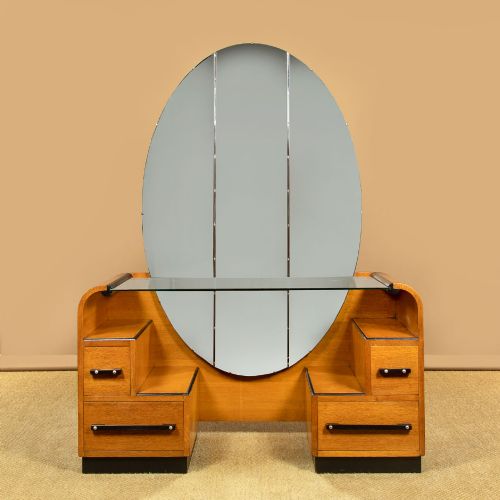
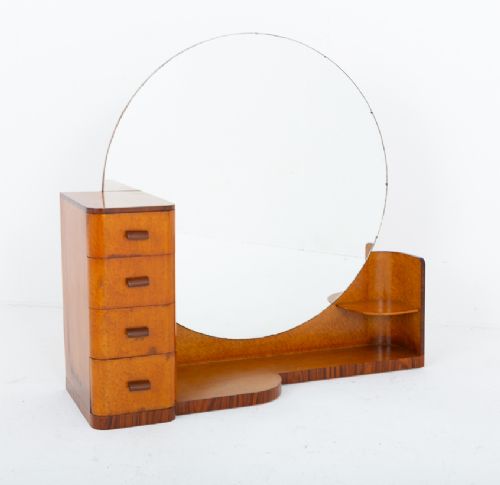
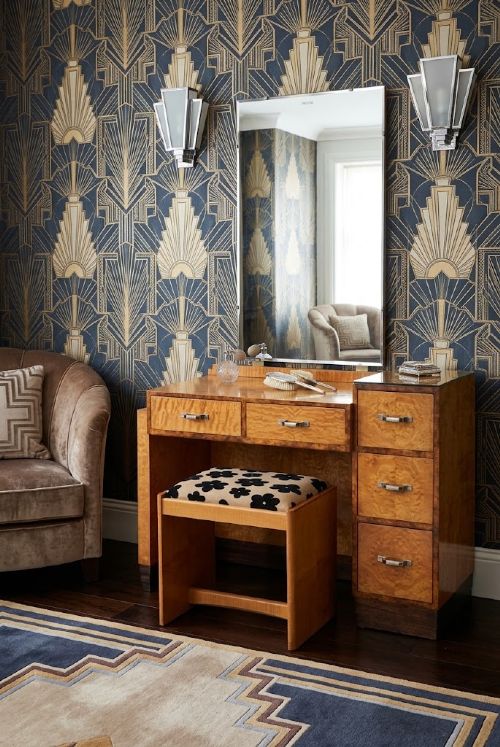
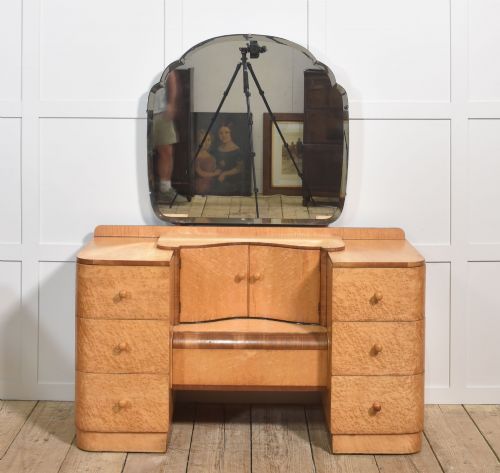
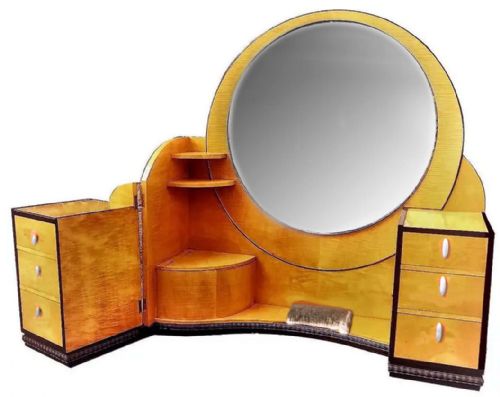
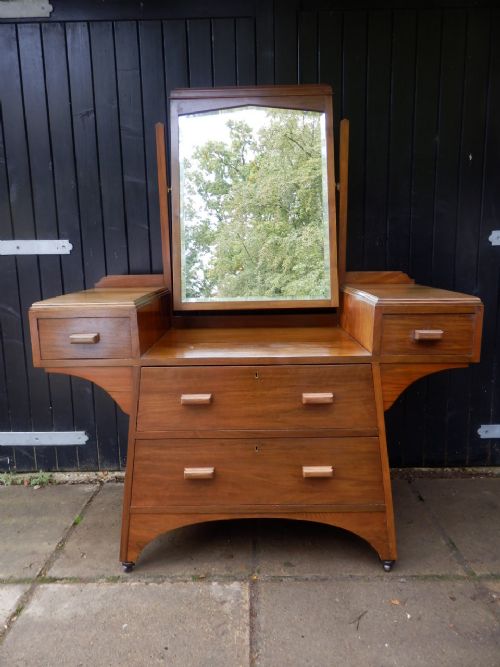
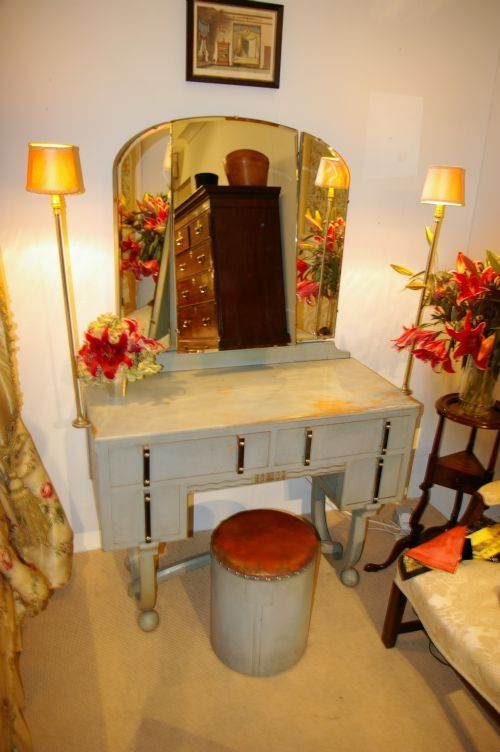
An art deco makeup desk typically takes the form of a dressing table or vanity table designed for personal grooming. These pieces frequently incorporate integrated mirrors and pedestal configurations that anchor the bedroom scheme.
Most examples found in the current selection date from the 1920s and 1930s, reflecting the height of the Art Deco movement. Buyers will encounter both single and twin pedestal formats equipped with matched chairs or chests.
Originating primarily from English workshops, these items serve as both functional furniture and historical design statements. The range encompasses simple wood finishes alongside elaborate suite configurations.
Materials and construction
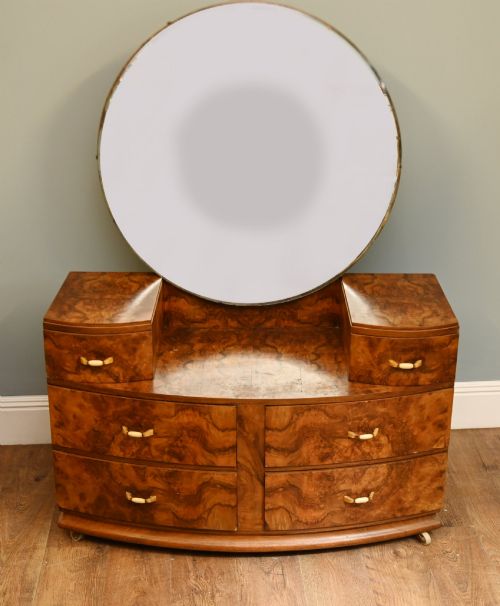
Cabinet makers utilised choice hardwoods such as walnut, burr walnut, mahogany, maple, and oak to construct these dressing tables. Selected veneers allowed artisans to showcase dramatic grain patterns across large flat surfaces.
Makers integrated secondary elements including glass tops and metal fittings to complement the timber structure. Leather panels occasionally lined writing or grooming surfaces, adding texture to the design.
Construction techniques focused on clean lines and symmetrical pedestal arrangements. Mirrors were frequently built into the central superstructure or supplied as matching standalone fixtures.
Art Deco Makeup Desk Retail Price Guide 2026
Typical asking prices for art deco makeup desk among the pieces listed under this phrase on Sellingantiques today, from the lower quarter to the upper quarter. They describe what is for sale here now, not the wider market.
Judging quality and craftsmanship
Quality rests heavily on the selection and matching of wood veneers, particularly figured and burr walnut or birdseye maple. Superior pieces display continuous, symmetrical grain patterns across drawers and pedestal fronts.
The sophistication of the overall design and associated suite components separates standard examples from exceptional ones. Inclusion of original matching chairs, integral mirrors, or attribution to known makers elevates a piece considerably.
Betty Joel·Rowley Gallery
The Art Deco Makeup Desk Glossary
- Art Deco
- A design style spanning the 1920s and 1930s characterised by sleek geometric shapes, stylised motifs, and modern industrial materials. It replaced the more ornate floral curves of earlier Edwardian and Victorian furniture.
- Burr Walnut
- A timber harvested from the growths on walnut trees, yielding highly figured, swirling grain patterns. Cabinet makers prized this material for veneering prominent drawer fronts and tabletops.
- Pedestal
- A structural support base containing drawers or cupboards, positioned beneath the main writing or dressing surface. Twin pedestal designs feature a central kneehole flanked by two banks of drawers.
- Birdseye Maple
- A figured maple wood displaying small, circular patterns resembling tiny bird eyes within the grain. This pale timber provided a striking contrast to darker walnut elements.
- Veneer
- A thin slice of decorative hardwood applied over a more stable secondary wood foundation. This technique allowed craftsmen to display expensive grain patterns economically.
Art Deco Makeup Desk: Frequently Asked Questions
What is an art deco makeup desk?
An art deco makeup desk is a vintage dressing or vanity table produced during the 1920s or 1930s. These pieces focus on geometric symmetry and often include built-in mirrors and pedestal storage.
Such tables function as both practical grooming stations and decorative focal points within a bedroom. They bridge the gap between traditional cabinetry and modern minimalist design.
How do I identify a 1930s dressing table?
Identification relies on examining the woods, hardware, and overall architectural silhouette. Pieces from this era typically feature figured walnut, maple, or mahogany combined with clean, uncluttered lines.
Original hardware, integrated mirrors, and construction methods characteristic of the interwar period further confirm the date. Many examples also retain maker marks or distinct stylistic traits from the Art Deco movement.
Did these tables come with chairs?
Certain examples survive complete with their original matching chairs designed specifically to tuck beneath the kneehole. These chairs often mirror the wood finishes and upholstery styles of the dressing table.
Finding a complete suite adds historical cohesion to the bedroom set. However, many tables are found and used independently today.
How do I care for burr walnut veneer?
Burr walnut veneer requires gentle maintenance to preserve the polished wood surface and prevent the timber from drying out. Regular dusting with a soft, dry cloth keeps the grain clear without harming the finish.
Direct sunlight and excessive moisture should be avoided to protect the delicate veneer from fading or lifting. Applying an appropriate furniture wax occasionally helps maintain the lustre of the wood.