



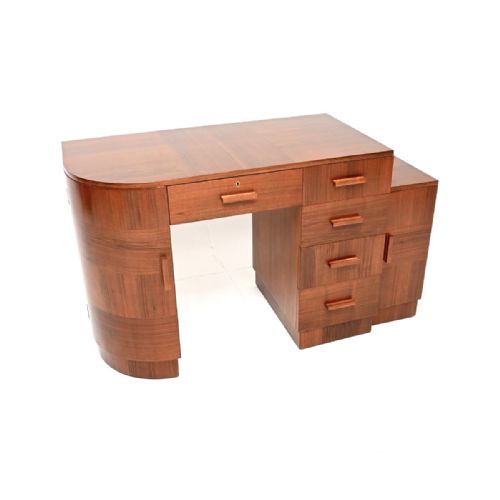


1930s Walnut Vanity
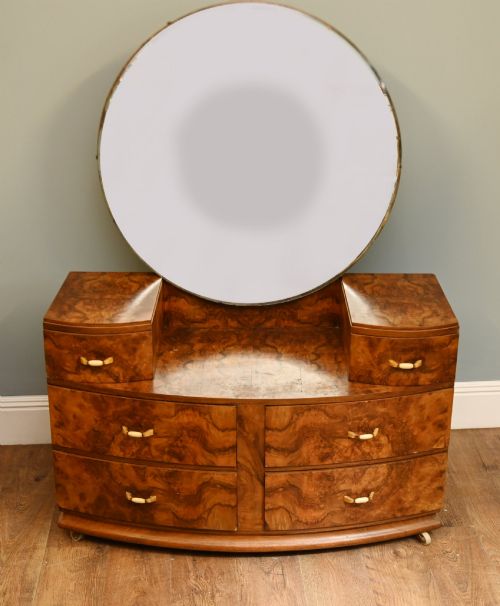
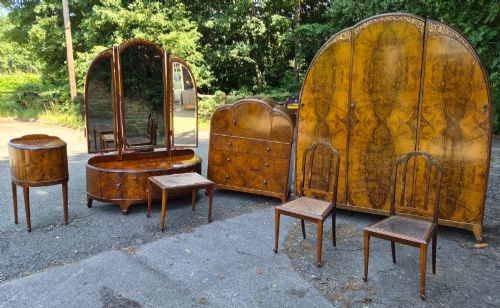
These 1930s walnut vanity tables bring striking geometric presence and rich grain patterns into a modern bedroom.
1930s Walnut Vanity
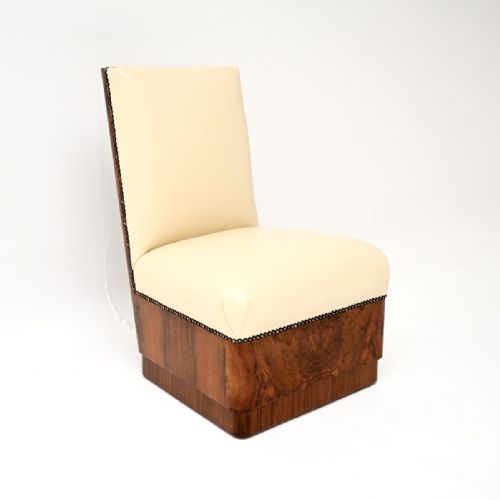
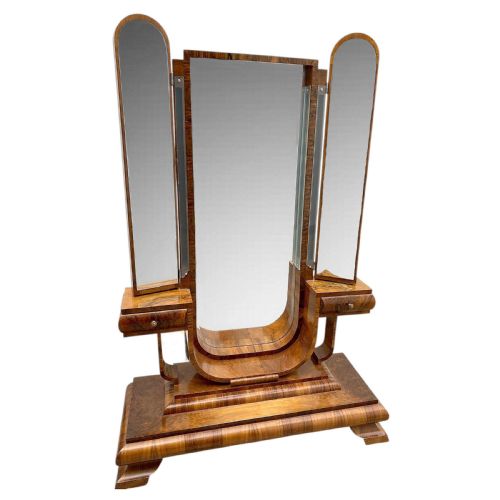
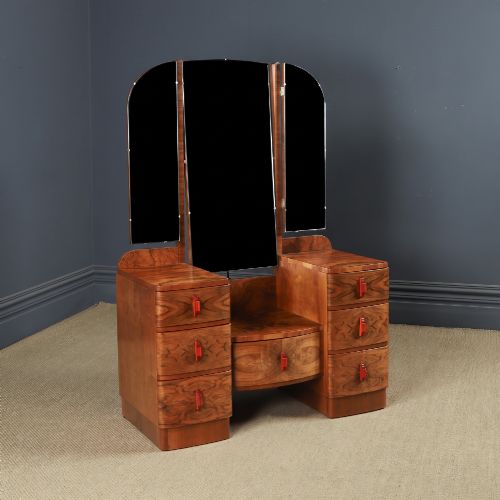
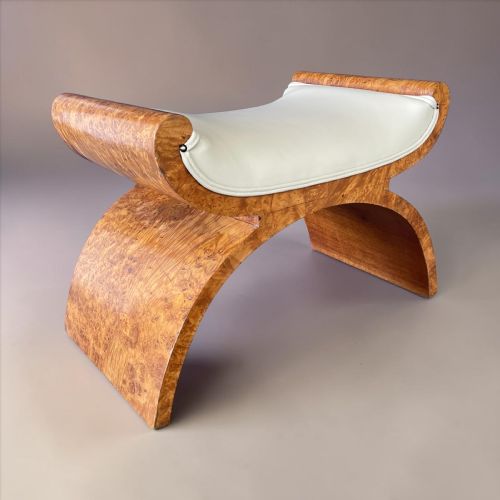
When searching for a 1930s walnut vanity, buyers encounter sophisticated dressing tables, matching stools, and pedestal designs from the Art Deco period. These pieces originate primarily from English and continental workshops, capturing the glamour of interwar interior design through clean lines and functional forms.
How they were made
Cabinet makers utilised choice walnut and burr walnut veneers applied over sturdy carcases to achieve sweeping curves and symmetrical grain patterns. These wooden surfaces were frequently combined with inset leather, polished brass, and bevelled mirror glass to create tactile contrast.
Joinery methods of the era balanced structural rigidity with aesthetic flow, particularly in pedestal dressing tables and matching seating. Artisans integrated storage compartments and pivoting mirrors directly into the framework of the vanity without interrupting the overall silhouette.
1930s Walnut Vanity Retail Price Guide 2026
Typical asking prices for 1930s walnut vanity among the pieces listed under this phrase on Sellingantiques today, from the lower quarter to the upper quarter. They describe what is for sale here now, not the wider market.
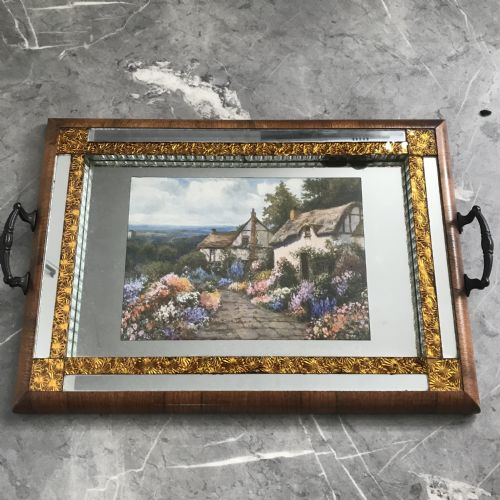
The listings combine 1930s walnut vanities with related bedroom pieces including stools, desks, and mirrored trays.
What varies in quality
The distinction between standard production and top tier pieces rests on the choice of burr walnut veneer and the symmetry of its grain matching. Superior examples display seamless bookmatching across large drawer fronts and pedestal curves, whereas simpler pieces rely on plain walnut surfaces.
Makership and structural integration also define the upper tier, seen in custom brass hardware, integrated lighting, and heavy plate mirror glass. Stools and dressing chests from prominent workshops maintain firmer upholstery lines and more robust internal joinery than anonymous items.
Harry and Lou Epstein·Frank Taylor and Co·Maurice Adams·Whytock and Reid
The 1930s Walnut Vanity Glossary
- Burr walnut
- A distinctive wood figuring harvested from tree growths, prized for its swirling, highly decorative grain patterns on furniture surfaces. It creates a rich visual texture on large panels and drawer fronts.
- Pedestal dressing table
- A vanity design featuring a central kneehole flanked by banks of drawers or cupboards on either side. This form provides substantial storage while maintaining a balanced, symmetrical appearance.
- Art Deco
- A design style spanning the 1920s and 1930s characterised by streamlined shapes, geometric ornamentation, and modern materials. It heavily influences the silhouette of these dressing tables and stools.
- Veneer
- A thin layer of superior walnut applied over a secondary wood base to provide an expensive surface appearance economically. This technique allowed cabinet makers to create complex curves and matched grain layouts.
- Dressing stool
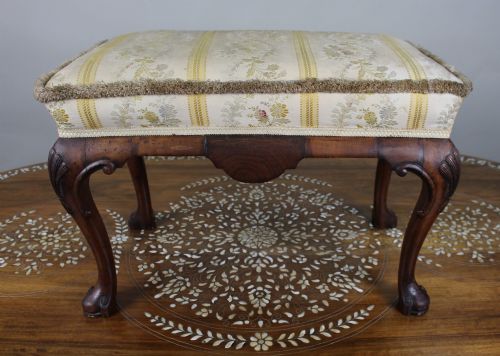
- A low seat designed specifically to sit beneath a vanity or dressing table, frequently upholstered in leather or fabric. Many examples from this era include built-in storage compartments.
1930s Walnut Vanity: Frequently Asked Questions
How do I clean a walnut vanity?
Dust surfaces regularly with a soft, dry cloth to prevent particulate buildup on the veneer.
Avoid chemical polishes and keep the piece away from direct sunlight to preserve the warm timber tone.
Can I use a vanity desk for writing?
Many pedestal dressing tables share proportions with contemporary office desks and function well for writing.
Ensure the kneehole clearance suits your chair height before daily use as a workspace.
Are the mirrors original to the vanity?
Most pieces retain their original bevelled mirror glass, secured within wooden frames or mounted to the pedestal.
Minor foxing on the silver backing often confirms period authenticity rather than indicating a replacement.
How do I match a stool to my table?
Look for period stools featuring similar walnut finishes, geometric legs, and matching leather or fabric upholstery.
Height proportions matter greatly, so check that the stool fits comfortably underneath the dressing table kneehole.