




Architectural Pedestal Stand
An architectural pedestal stand brings classical proportion into a room, elevating sculpture, urns or plants upon sturdy columns of stone, wood or plaster.
Architectural Pedestal Stand
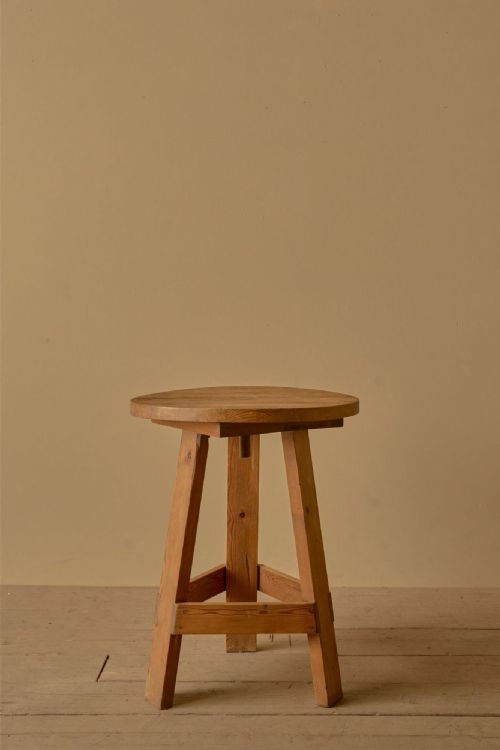
An architectural pedestal stand is a classical form designed to elevate display items, drawing on centuries of design from the Georgian period through the Victorian era and into the twentieth century. These pieces take the shape of columns, plinths, altars and display stands, often appearing in pairs to frame a doorway, fireplace or focal point in a room or garden.
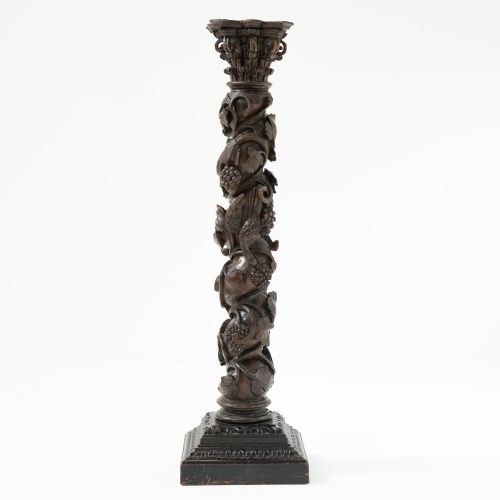
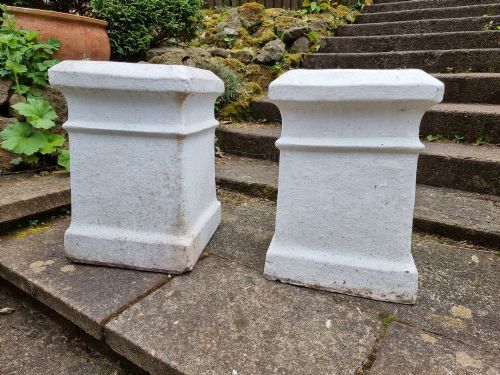
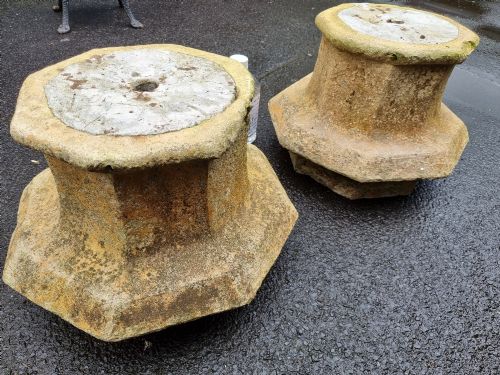
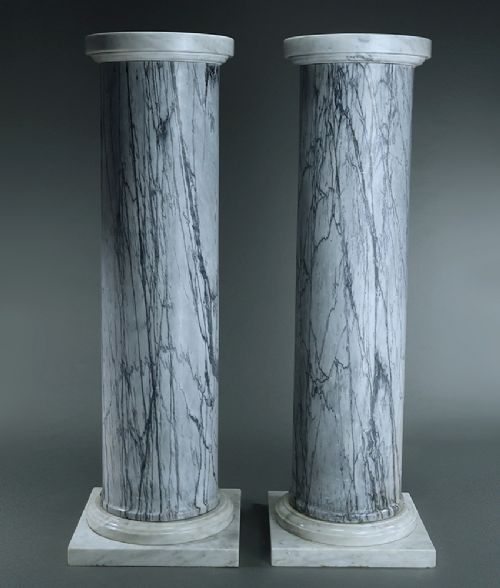
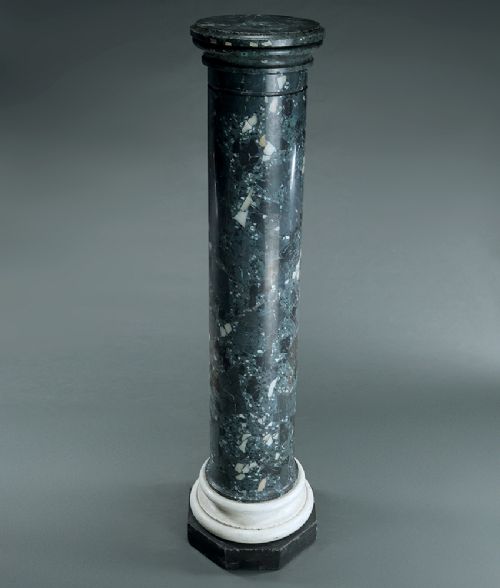
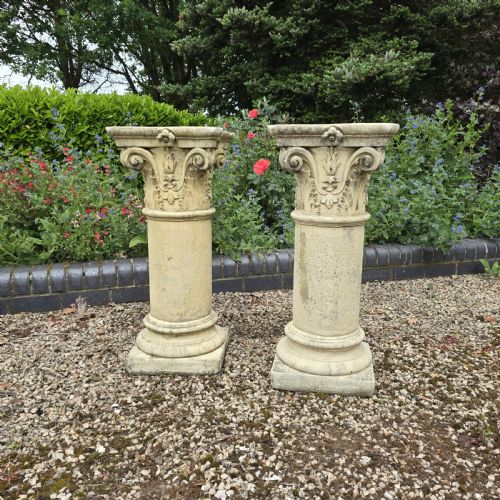
Buyers searching for an architectural pedestal stand encounter a wide variety of regional interpretations and materials, spanning Neoclassical marble columns, rustic terracotta garden pieces and carved wooden columns. The selection ranges from grand Grand Tour scagliola examples to functional painted wooden stands and heavy cast stone garden plinths.
Materials and construction
The construction of these stands relies on heavy, durable materials capable of supporting significant weight, notably carved hardwoods such as mahogany and oak, alongside various marbles, alabaster and cast stone. Artisans utilised specialist mixtures like scagliola and painted plaster to imitate costly stones, applying skilled turning, carving and casting techniques to achieve classical fluting and capitals.
Surface finishes play a defining role in the manufacture of these pieces, incorporating hand-applied paint, faux marbling, gilding and natural weathering on outdoor terracotta and cast iron. Joinery and internal support structures vary from solid turned timber shafts to composite stone and iron reinforcements designed for stability.
Markers of quality
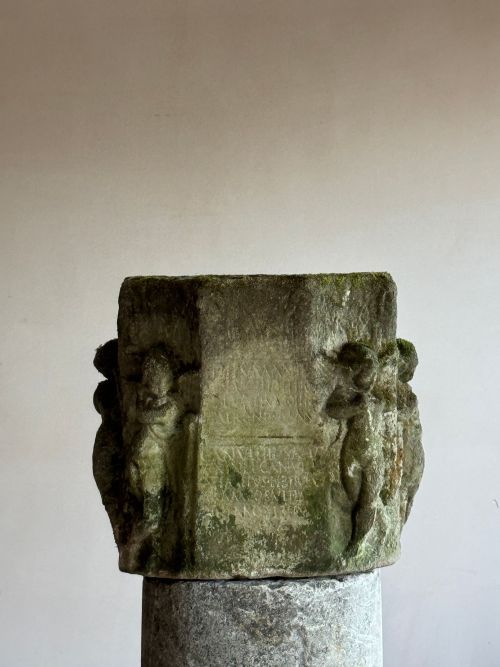
Quality in an architectural pedestal stand rests upon the fidelity of its classical proportions and the precision of its carved or cast ornament, such as Corinthian capitals or fluted shafts. Superior pieces demonstrate crisp detailing in stone, marble or hardwood, whereas lesser examples rely on softer plaster or plain painted surfaces without sculptural depth.
The choice of medium dictates much of the inherent quality, with genuine bardiglio and carrara marbles or finely carved oak sitting at the upper end compared to simple cast cement or utilitarian softwood. Integrity of the base and column alignment ensures proper weight distribution for heavy urns or statuary.
Dunfermline Clay Company·Marguerite
The Architectural Pedestal Stand Glossary
- Socle
- A short plain plinth or pedestal supporting a column, bust or statue. It provides a stable base and visually grounds the architectural element.
- Solomonic
- A type of column characterised by a spiralling, twist shaft that resembles a corkscrew. Popular in Baroque design, it creates dynamic movement and catches the light.
- Carrara
- A type of white or blue-grey marble quarried in the city of Carrara in Tuscany, Italy. It is prized for its fine grain and frequent use in classical statuary and architectural columns.
- Caryatid
- A sculptured female figure serving as an architectural support taking the place of a column or a pilaster. They often appear on grand mantelpieces or flanking display pedestals.
Architectural Pedestal Stand: Frequently Asked Questions
Where should I place an architectural pedestal stand?
These stands suit corners, entrance halls, or flanking a fireplace where they can elevate a bronze, bust, or heavy floral arrangement. Pairing them creates symmetry, which works well on either side of a sideboard or doorway.
Outdoor garden versions look best positioned at the end of a gravel path or nestled amongst planting beds to create a focal point in the landscape.
How do I clean marble and stone columns?
Dust marble and alabaster regularly with a soft, dry cloth to prevent grit from scratching the polished surface. Avoid acidic cleaners, vinegar, or harsh detergents, which etch soft stones like marble and limestone.
For stubborn marks, use a damp cloth with a tiny amount of neutral soap, then dry the surface thoroughly. Outdoor cast stone and terracotta simply tolerate a gentle rinse with water and a soft brush.
Can these stands support heavy items?
Most antique columns and plinths were engineered specifically to bear weight, such as heavy bronze sculptures, large ceramic urns, or marble busts. Solid wood, stone, cast iron, and thick scagliola versions offer exceptional structural capacity.
Plaster or hollow wooden stands require more care, so check the internal construction and top surface area before placing substantial weights upon them.
How do I date an architectural pedestal stand?
Dating relies on identifying the prevailing design style, such as Neoclassical, Gothic Revival, or Baroque, combined with material analysis and tool marks. Georgian and Victorian pieces often show hand-tooling or traditional joinery methods hidden beneath the paint.
Twentieth-century examples tend to utilise modern cast composites or machine-turned timbers while continuing classical revival motifs.