
Vintage Column Pedestal
A vintage column pedestal elevates sculpture, lighting and flora, bringing architectural dignity to domestic interiors.
Vintage Column Pedestal
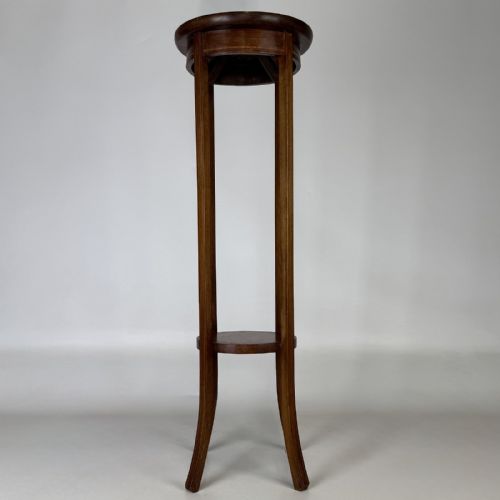
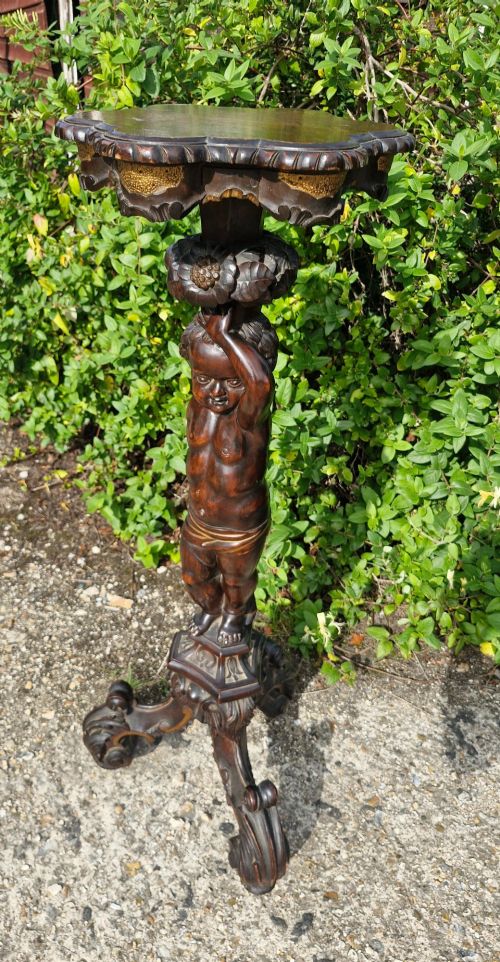
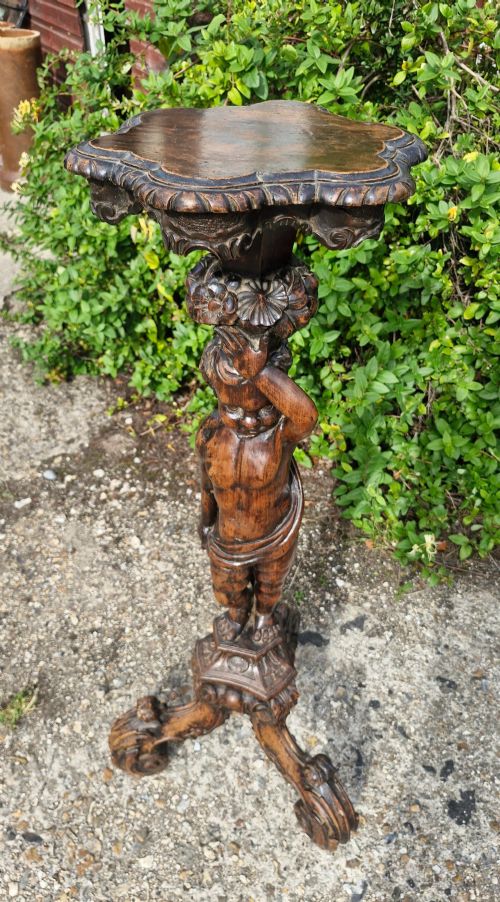
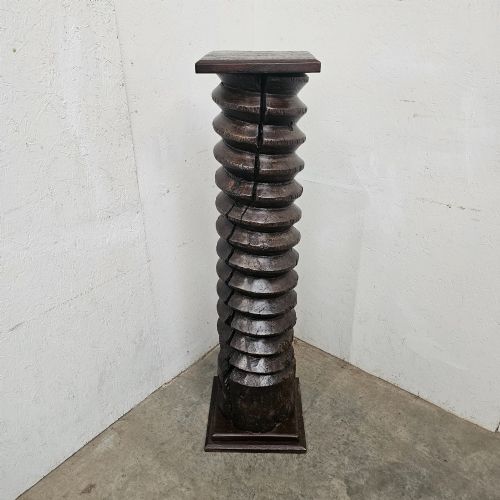
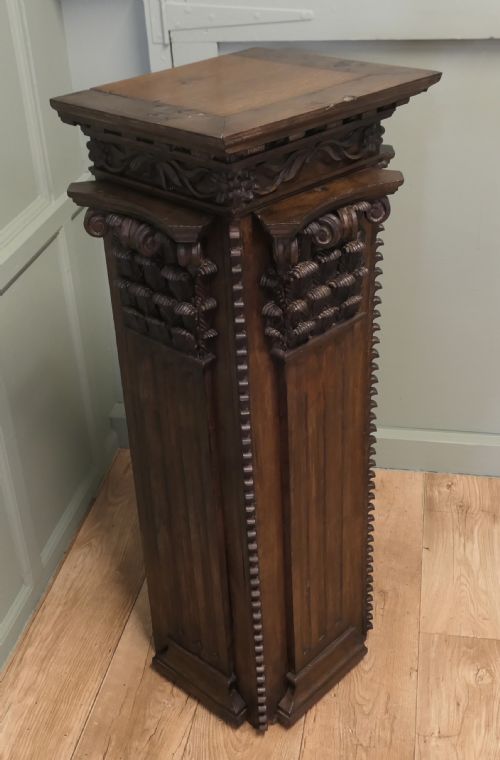
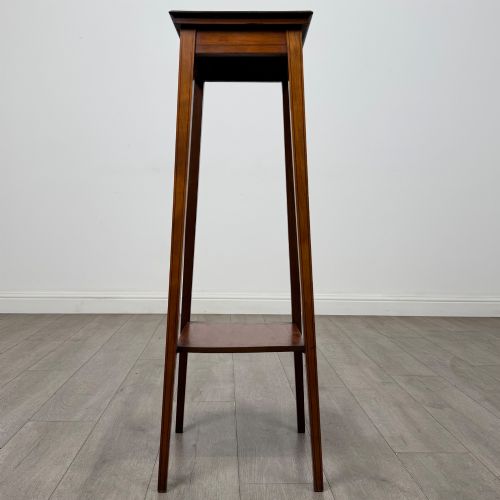
A vintage column pedestal serves primarily as an elevated display platform for statuary, plants, lighting or decorative objects within a room. When searching for this phrase, buyers encounter architectural forms designed to support weight while adding vertical emphasis to an interior space.
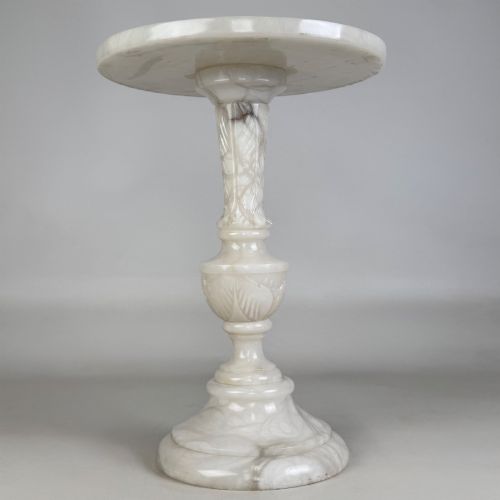
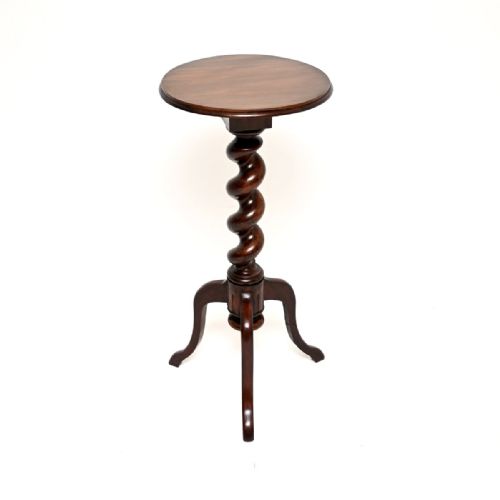
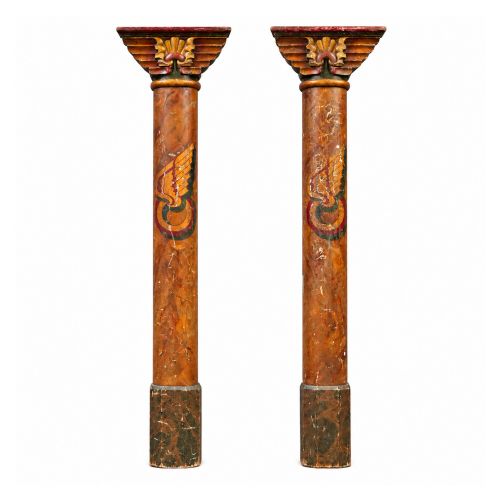
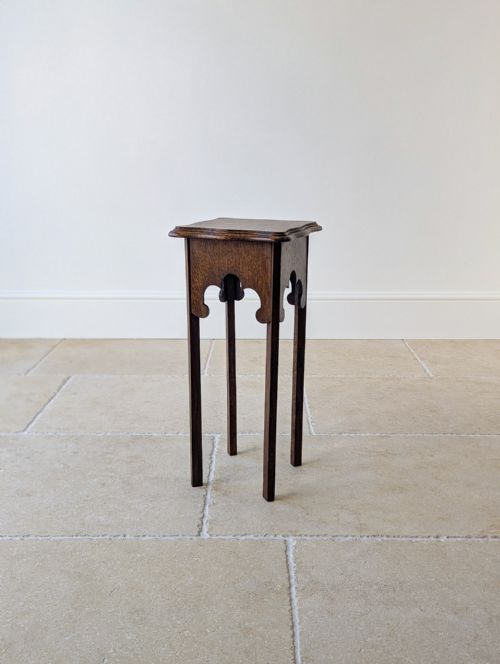
Common regional styles include French carved oak display pedestals, English mahogany torcheres, and continental marble-topped stands. These functional objects range from simple turned wooden plinths to highly decorative painted and inlaid columns.
Materials and construction methods
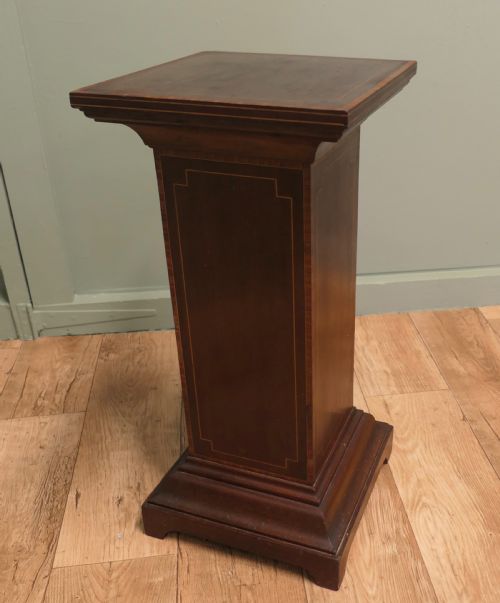
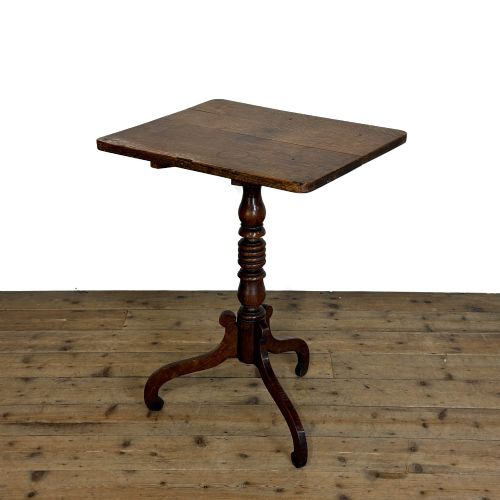
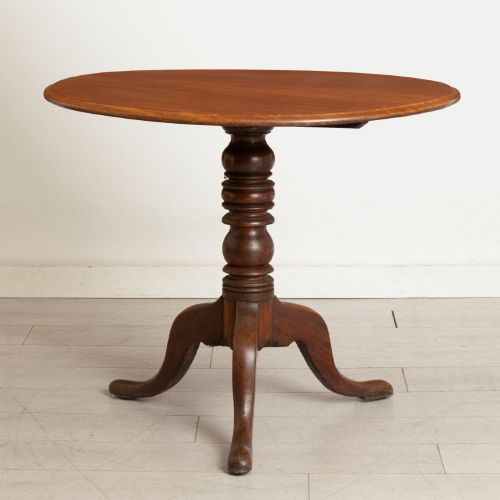
Makers utilised dense timbers such as mahogany, oak, walnut and satinwood, frequently employing turning lathes to shape slender columns and central shafts. Inlaid details, carved wooden capitals and painted finishes add decorative surface texture to the structural woodwork.
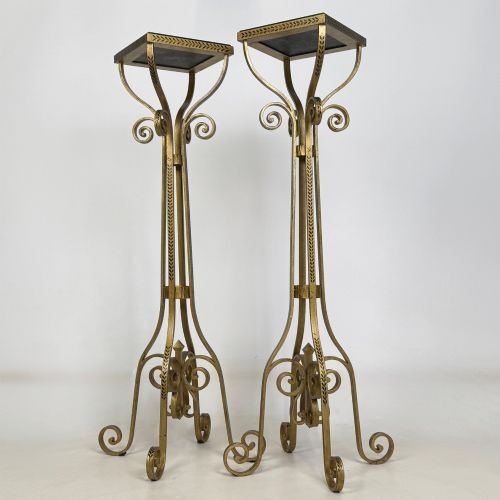
Alternative materials introduce contrasting weights and textures, including cast iron, terracotta, brass, glass and red serpentine marble. Many nineteenth-century examples combine stone tops with wooden bases or integrate metal figures and silver-plated mounts into the structural design.
One exceptional nineteenth-century column incorporates taxidermy antlers into its torchere design, merging natural history with interior illumination.
Judging the quality of a pedestal
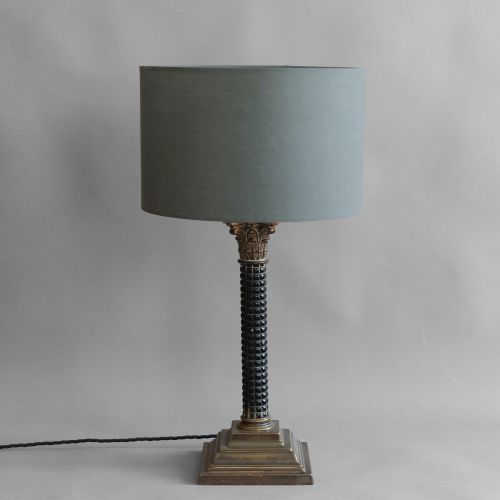
Quality rests on the integrity of the materials and the precision of the carving or turning work. Solid timber construction, heavy marble tops and crisp architectural details such as fluting or Corinthian capitals separate finer examples from simpler utilitarian stands.
Proportion and stability dictate practical merit, ensuring the base securely supports the weight of a bust, lamp or urn placed upon it. Original finishes, whether aged paint, ebonising or polished mahogany, preserve the historical character more effectively than unsympathetic modern restorations.
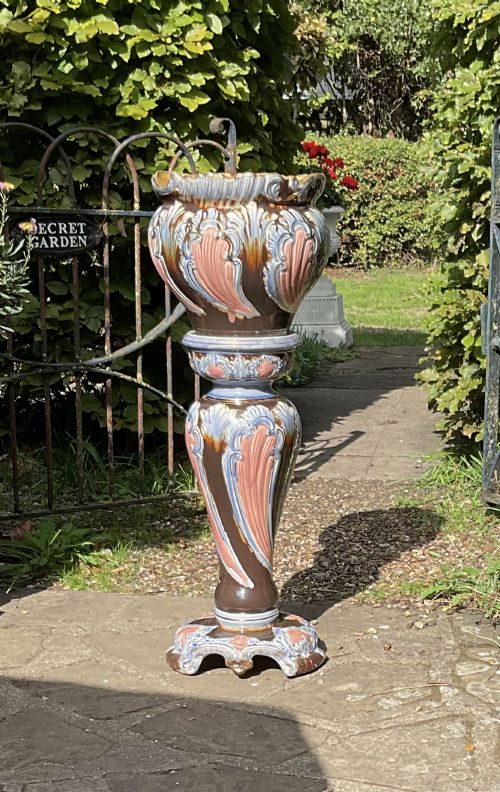
Shoolbred·WMF
The Vintage Column Pedestal Glossary
- Torchere
- A tall stand designed specifically to support a lamp or candleholder. These slender supports frequently feature circular tops and decorative tripod bases.
- Plinth
- A heavy rectangular or square block serving as the base for a statue, column or vase. It provides structural stability and visual ground to elevated objects.
- Jardiniere
- An ornamental pot or stand intended for holding plants or flowers. In pedestal form, the plant container integrates directly into the top of the column.
- Serpentine marble
- A rich green decorative stone often used for obelisks and table tops. Its mottled surface resembles the skin of a serpent.
- Tambour
- A flexible shutter made of narrow strips of wood glued to canvas. This mechanism allows curved cabinet doors to slide smoothly around a corner.
Vintage Column Pedestal: Frequently Asked Questions
What were vintage column pedestals originally used for?
These pieces functioned in nineteenth and early twentieth-century interiors to elevate items such as marble busts, bronze sculptures, heavy table lamps and potted plants. By raising decorative objects to eye level, they drew attention to specific artistic or botanical displays within a room.
They also served as freestanding architectural elements that broke up monotonous wall lines and added vertical proportion to large reception rooms and hallways.
How do I choose the right height for a display pedestal?
Consider both the height of the object you intend to place on top and the vertical scale of the surrounding furniture. Taller torcheres and plant stands create dramatic focal points in corners, while lower plinths suit heavier sculptures or urns.
Ensuring the combined height of the pedestal and the displayed object places the focal point near eye level produces the most balanced visual arrangement.
How can I tell a Victorian pedestal from an Edwardian one?
Victorian examples tend to display heavier proportions, darker timbers such as mahogany and walnut, and robust carvings reflecting historical revival styles. Cast iron and heavy brass elements also feature prominently in this period.
Edwardian pieces often appear lighter in feel, frequently utilising satinwood inlay, painted surfaces, and more slender turned columns that reflect a shift towards refined domestic elegance.
Can these pedestals support heavy stone busts and large plants?
Most solid wood, cast iron and stone-topped columns possess the structural strength required to support substantial weight, provided the base remains wide and stable. Examining the construction of the joints and the breadth of the foot will indicate load-bearing capacity.
Placing heavier items on slender, tripod-legged torcheres requires caution to prevent accidental tipping.