
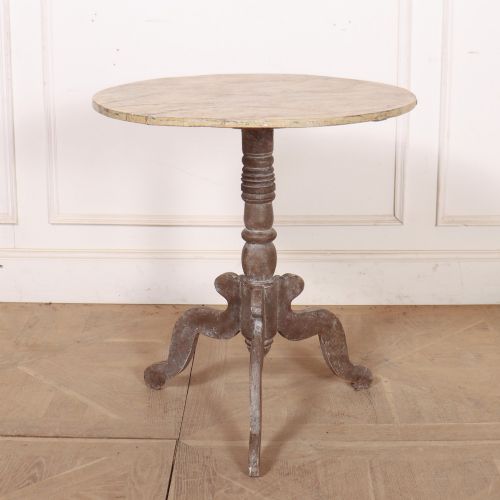
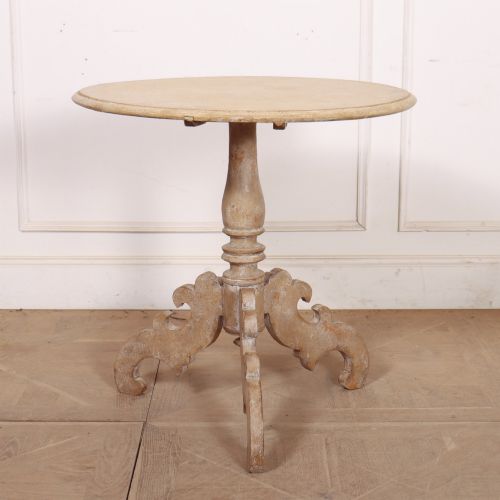
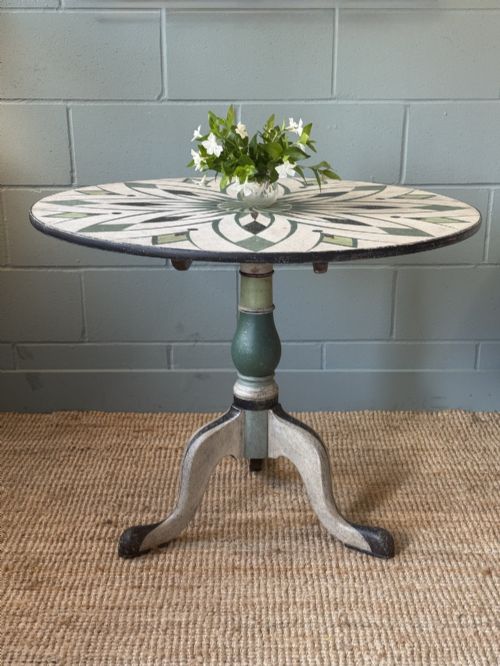


Grey Painted Pedestal
A grey painted pedestal brings sculptural presence to a room, offering a solid stage for display that balances classical form with muted rustic charm.
Grey Painted Pedestal
The objects listed under this description span functional furniture and decorative architectural elements, such as torchere stands, lamp tables, and theatrical columns. Many items show the influence of Swedish and English country house aesthetics, where distressed neutral painted surfaces complement traditional interiors. They function primarily as display furniture, elevating items above floor level to create focal points in hallways, drawing rooms, and garden spaces.
How they were made
Construction relies heavily on traditional timber working, utilising pine and softwood alongside carved wood for structural uprights and tabletops. Makers shaped columns and supports using manual turning and hand carving techniques, before applying surface layers of paint. Some pieces incorporate alternative media, such as moulded plaster for decorative columns or integrated stone and iron components for exterior use.
Surface finishes form a defining characteristic of these pieces, involving layered paint applications that have aged naturally over decades. While some surfaces show original decorative schemes, others feature later painted floral designs or distressed neutral patination. This combination of sturdy timber carcasses and weathered painted finishes creates the durable yet decorative quality seen across the period.
Swedish and French country styles dominate the regional aesthetic across these architectural columns and occasional tables.
What varies in quality
Quality in a grey painted pedestal rests on the crispness of its original carving and the integrity of its proportions. Pieces with balanced architectural details, such as well-defined fluting or accurately rendered classical motifs, show superior craftsmanship compared to simpler utilitarian items. The weight and stability of the base also dictate utility, particularly when supporting heavy marble tops or decorative urns.
The character of the painted surface significantly influences the overall merit of an object. Examples retaining authentic historic paint layers with natural craquelure and organic wear hold greater visual depth than utilitarian resprays. The harmony between the underlying woodwork and the surface finish determines whether the piece reads as an integrated antique object or a mismatched assembly.
The Grey Painted Pedestal Glossary
- Torchere
- A tall stand or pedestal designed specifically to hold a light source, such as a candle or lamp. These slender supports became popular in interiors to illuminate dark corners.
- Architectural salvage
- Building elements and decorative fixtures rescued from older structures for reuse in interior design. This category includes columns and decorative plasterwork repurposed as display pieces.
- Neoclassical revival
- A stylistic movement drawing inspiration from the classical art and architecture of ancient Greece and Rome. Pedestals from this tradition feature formal symmetry, fluted columns, and restrained ornamentation.
- Softwood
- Timber derived from conifers such as pine, commonly used for the internal structure and painted bodies of country furniture. It provides a lightweight yet workable material for decorative columns and tables.
Grey Painted Pedestal: Frequently Asked Questions
Where should I place a pedestal?
These pieces suit corners, entrance halls, or flanking doorways where they can elevate decorative objects, sculptures, or table lamps without obstructing walkways. Their vertical profile draws the eye upward, making them effective tools for accentuating high ceilings.
Ensure the floor surface is level to maintain stability, particularly when displaying heavier items like marble top tables or stone pieces. Pairing a slender column with a contrasting vase or bust creates a balanced focal point in a traditional room.
How do I care for painted wood?
Maintain painted surfaces by dusting regularly with a soft, dry cloth to prevent dirt accumulation within the texture of the paint. Avoid using chemical sprays, abrasive cleaners, or excess water, which can soften historic paint layers and cause flaking.
Keep wooden items away from direct heat sources and dramatic humidity fluctuations to prevent the underlying timber from warping or splitting. Natural wax can be applied sparingly to unpainted wooden sections, but consult a conservator before treating aged painted finishes.
What is a torchere stand?
A torchere is a decorative, elevated stand originally built to support lighting before the widespread adoption of electricity. Today, collectors utilise these tall, slender pedestals to display art objects, urns, or floral arrangements.
Originating in grand European interiors, these stands evolved into various regional styles, including carved wood and painted country versions. Their narrow footprint allows them to occupy minimal floor space while adding significant vertical interest to a room.
How do I identify a period piece?
Dating relies on observing construction methods, tool marks, and the natural ageing of materials like timber, iron, or plaster. Nineteenth century items often display hand-sawn elements and older joinery techniques that differ from twentieth century manufacturing standards.
Examine the paint layers for signs of genuine age, such as oxidisation, subtle fading, and natural wear patterns around high-contact areas. Comparing the decorative vocabulary to known revival styles helps place the piece within its historical context.