



White Painted Column
White painted column pieces are architectural supports, pedestals, and mirror frames that bring classical vertical emphasis and bright reflective surfaces into a room.
White Painted Column
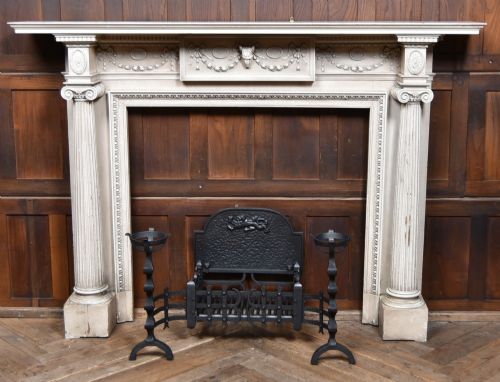
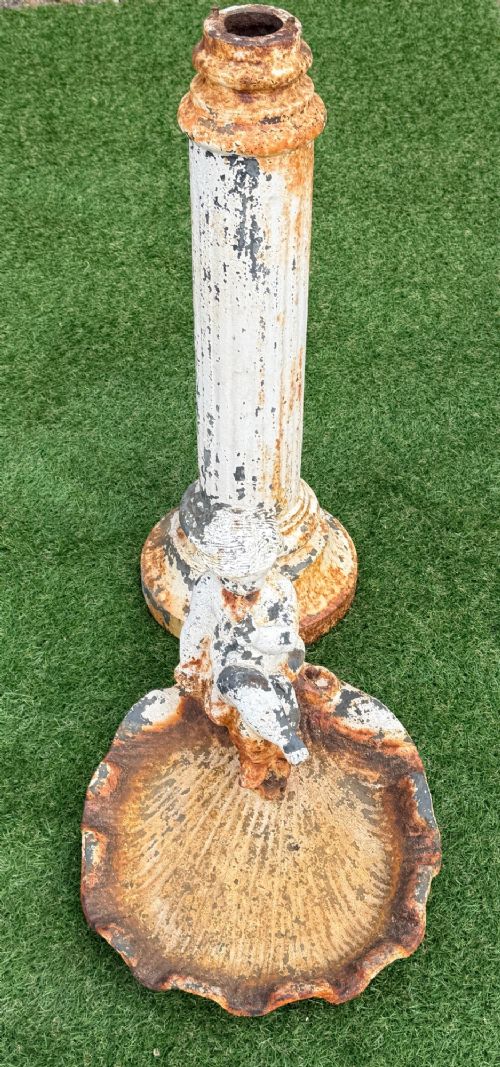
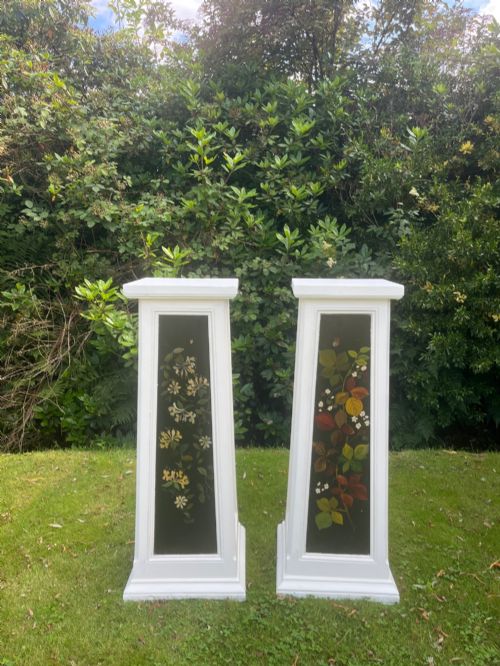
White painted column pieces encompass freestanding pedestals, sculptural stands, architectural salvage, and column-framed overmantel mirrors spanning the nineteenth and early twentieth centuries. These objects derive from Victorian, Regency, Gustavian, and Neoclassical traditions, utilising turned wood, pine, stone, and cast iron.
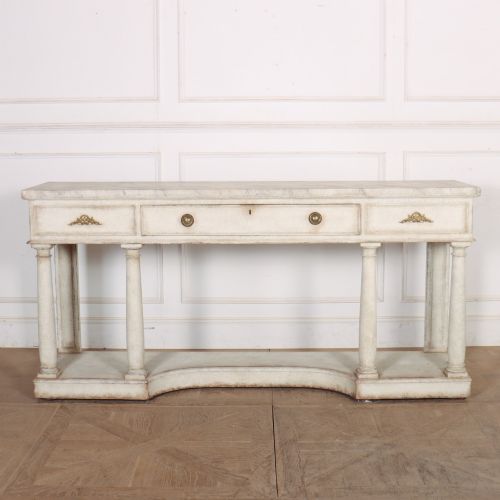
Buyers seeking this phrase encounter a mix of structural columns, console tables, lamp bases, and garden planters finished in white paint, sometimes paired with parcel-gilt highlights or gesso ornamentation. The selection includes Swedish, French, and English origins across periods from the eighteen-seventies through the Edwardian era.
Materials and construction methods
Makers constructed these columns and mirrors using pine, softwood, and turned wood, often applying layers of gesso to build up crisp architectural mouldings such as Corinthian capitals. Cast iron and stone also appear in heavier garden ornaments and structural elements.
Surfaces received lead or oil-based white paint, sometimes accented with parcel-gilt detailing to emulate high-status stone or marble work. Artisans turned wooden shafts on lathes and carved decorative details by hand before finishing the surfaces.
Listings span the nineteenth century through the Edwardian period, incorporating materials like cast iron, gesso, pine, and brass.
Assessing quality in painted columns
Quality rests in the crispness of the hand-carved gesso details, the balance of the turned wooden shafts, and the integrity of the underlying timber or cast iron. Superior pieces show precise classical proportions and original decorative schemes rather than heavy modern repainting.
The sophistication of the joinery and the retention of original parcel-gilt highlights separate standard utilitarian items from finer decorative pieces made for grand nineteenth-century interiors.
The White Painted Column Glossary
- Corinthian
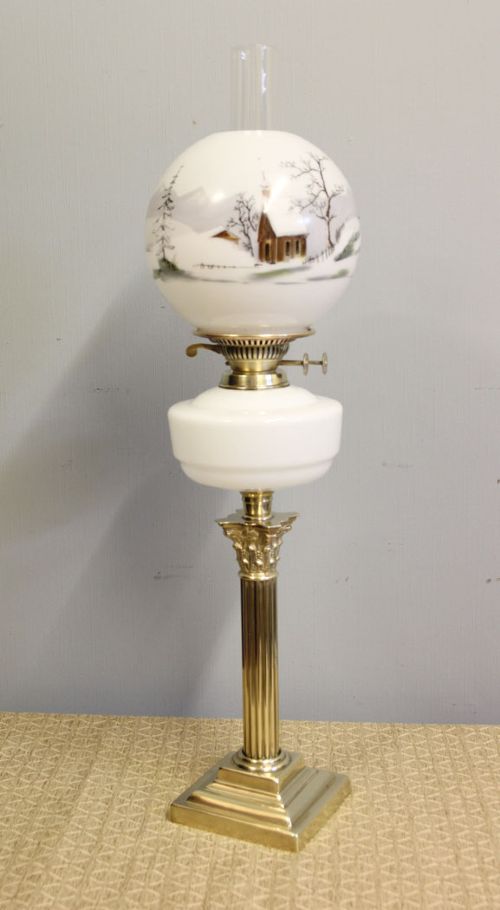
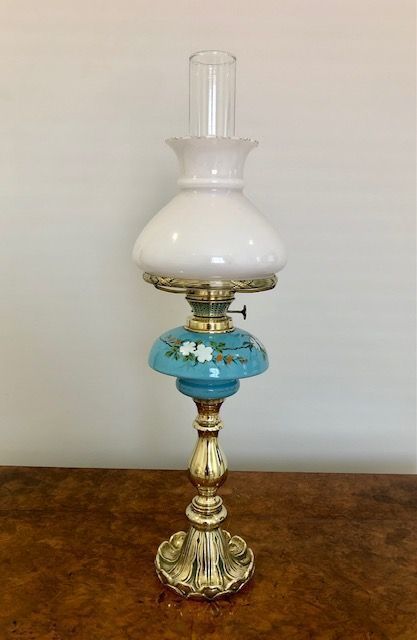
- An architectural order characterised by ornate capitals decorated with acanthus leaves. This style appears frequently on nineteenth-century oil lamps and console tables.
- Gesso
- A plaster-like mixture applied to wood surfaces and carved to create relief ornamentation. It forms the base for intricate details on column-framed overmantel mirrors.
- Parcel-gilt
- Partially gilded with gold leaf over a painted surface to highlight specific carved details. It frequently complements white painted woodwork on Regency and Victorian mirrors.
- Overmantel mirror
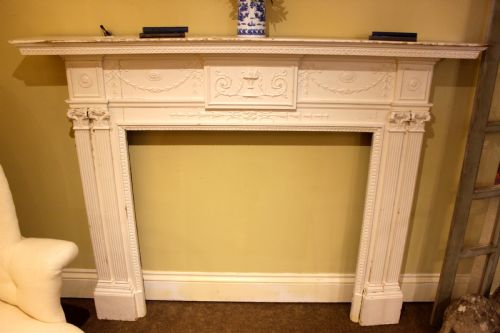
- A large horizontal mirror designed to sit above a fireplace mantelpiece. Many examples in this category use painted column framing.
- Gustavian
- The Swedish interpretation of French Neoclassical style, noted for restrained carvings and pale monochrome paint finishes. Pieces from this tradition often feature simplified column supports.
White Painted Column: Frequently Asked Questions
Where should I place a white painted column?
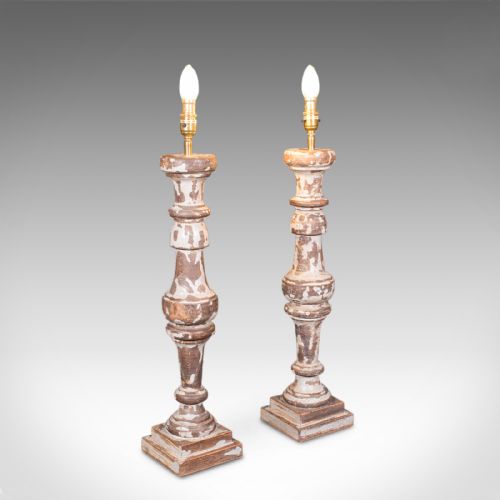
These pieces suit placement in hallways as sculpture stands, in living rooms as lamp bases, or mounted against walls to anchor larger spaces. Their vertical form draws the eye upward in rooms with high ceilings.
Freestanding pedestals also serve well to display art objects or plants, while mirror variants function best positioned above mantelpieces to reflect natural light.
How do I date a painted column?
Dating relies on examining the timber types, paint layering, and stylistic cues such as Victorian or Regency mouldings. Nineteenth-century examples often show hand-turned wooden construction and older gesso applications.
Archival pieces from the eighteenth century display distinct hand-carved joinery compared to later nineteenth-century cast iron or mass-produced softwood alternatives.
Are these columns structurally sound for heavy items?
Load-bearing capacity depends entirely on the material, with cast iron and dense stone columns offering robust support for heavy planters or sculpture. Turned pine and softwood pedestals suit lighter display purposes.
Architectural salvage and garden ornaments require inspection of their base stability before supporting valuable objects.
How do I care for antique painted surfaces?
Maintain painted and gesso surfaces by dusting gently with a dry, soft cloth and avoiding chemical cleaners or excessive moisture. This preserves the integrity of the nineteenth-century finish.
Keep wooden and gesso pieces away from direct heat sources to prevent cracking or flaking of the white paint layers.