
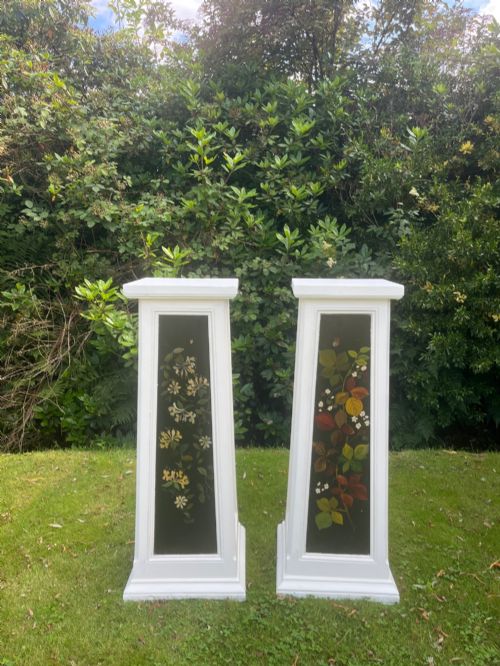
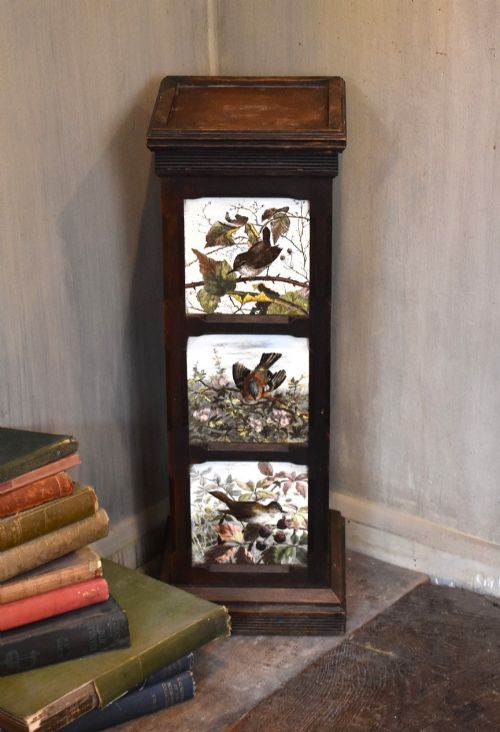


Painted Display Plinth
These painted display plinth selections provide structural elevation for sculpture, pottery and botanicals, bringing classical form and decorative surface into domestic interiors.
Painted Display Plinth
A painted display plinth functions as a sturdy support column designed to raise decorative objects, busts, and planters above floor level. Buyers seek these pieces to create focal points in hallways, drawing rooms, and garden spaces.
The selection on this page centres predominantly on nineteenth-century examples, spanning Victorian, Neoclassical, and Aesthetic Movement designs. Forms range from cylindrical wooden columns to classical architectural revival pedestals.
Origin variations include English, French, and Swedish pieces, reflecting diverse regional tastes in decorative painting and faux finishes. Domestic iterations sit alongside sturdier cast iron and terracotta garden variants.
Materials and construction methods
Makers utilised timber substrates including pine, mahogany, and turned wood, often applying gesso and plaster to build up crisp architectural mouldings. Surface decoration relied heavily on skilled brushwork to simulate expensive materials.
Graining techniques and specialised paint finishes created convincing illusions of verde antico and other marbles across wooden and plaster columns. Parcel gilt highlights frequently accented carved details on grand scale neoclassical examples.
Judging quality in decorative columns
Quality rests upon the execution of the surface finish and the integrity of the underlying structure, whether carved timber or moulded plaster. Superior examples display subtle tonal variation in simulated marble graining rather than flat, uniform colour.
Proportion and scale distinguish finer architectural columns from simpler stands, with well-balanced fluting and capitals reflecting academic classical training. The survival of original paint layers without excessive later overpainting elevates the standing of a piece.
Dunfermline Clay Company·Marguerite
The Painted Display Plinth Glossary
- Plinth
- The heavy base supporting a column or statue. It provides essential stability for tall display stands carrying heavy marble busts or terracotta planters.
- Torchere
- A tall ornamental stand intended to carry a candelabrum or lamp. In nineteenth-century interiors, these slender columns evolved to display decorative art objects.
- Verde Antico
- A dark green serpentine marble heavily imitated by decorative painters. Artisans used layered glazes on wood or plaster to mimic this ancient ornamental stone.
- Gesso
- A plaster mixture applied to wood surfaces as a base for paint and gilding. It allows craftsmen to carve and crisp intricate classical mouldings.
- Capital
- The uppermost member of a column, sitting between the shaft and the load. These architectural elements often feature acanthus leaves or simple moulded rings.
Painted Display Plinth: Frequently Asked Questions
How do I choose the right height?
Select a height that positions your displayed object at comfortable eye level. Taller columns suit larger sculptural pieces, whilst shorter plinths work best for heavy ceramic urns.
Consider the proportions of the surrounding room furniture to ensure the column does not visually overwhelm smaller seating arrangements.
How should I clean a faux marble finish?
Dust the surface regularly with a soft, dry cloth to prevent grime accumulation. Avoid harsh chemical cleaners that can strip delicate historical paint layers.
Consult a specialist conservator if the painted surface shows signs of flaking or instability.
What is an Aesthetic Movement pedestal?
Aesthetic Movement pieces incorporate artistic design principles from the late nineteenth century, often featuring integrated ceramic tiles or stylised ornamentation. These stands broke away from strict historical revivals to embrace bold decorative schemes.
They pair exceptionally well with art pottery and Japanese-influenced decorative arts.